
Most cities offer the chance to explore their cultures on foot, but some stand out for their exceptional walkability. In this post, you will discover the top 10 most walkable cities worldwide, where your feet can take you to parks, shops, and iconic landmarks. Whether you’re an urban adventurer or a casual stoller, these cities provide vibrant streetscapes and pedestrian-friendly environments that encourage you to step outside and experience the world around you. Let’s probe the destinations that make walking not just a necessity but a joy.
Key Takeaways:
- Urban Design: The most walkable cities prioritize pedestrian-friendly infrastructure, including wide sidewalks and accessible public spaces.
- Public Transportation: Efficient public transit systems complement walkability, making it easier for residents to navigate without cars.
- Local Amenities: Walkable cities typically feature a mix of residential, commercial, and recreational facilities within close proximity, enhancing quality of life.
Criteria for Walkability
For this list of the most walkable cities, several key criteria determine their walkability. You’ll want to consider factors such as urban design, infrastructure, accessibility, and safety. These elements work together to create an inviting environment that encourages you to explore on foot, ensuring that necessary services, amenities, and attractions are conveniently located within walking distance.
Urban Design and Infrastructure
The foundation of walkable cities lies in their urban design and infrastructure. Ideally, you should find well-planned neighborhoods with connected streets, ample sidewalks, and pedestrian-friendly public spaces. The presence of mixed-use developments, where residential, commercial, and recreational areas coexist, further enhances your walking experience, making your trips shorter and more enjoyable.
Accessibility and Safety
At the heart of a walkable city is its accessibility and safety for pedestrians. You will want to navigate streets confidently, knowing that traffic is well-managed, crossings are clearly marked, and there are designated pedestrian zones. A robust public transport system should also complement your walking experience, making it easier for you to reach further destinations safely.
Indeed, accessibility and safety are vital for encouraging walking in urban areas. You benefit from well-lit streets, ample crosswalks, and traffic calming measures that prioritize pedestrian convenience. Cities that actively promote safe walking conditions show commitment to urban health and lifestyle, making your mobility easier and more appealing. By ensuring sidewalks are well-maintained and free from obstacles, you’re less likely to encounter hazards while exploring your surroundings, fostering a more vibrant and inviting pedestrian atmosphere.
The Top 10 Most Walkable Cities
Assuming you’re eager to explore the world on foot, this list of the top 10 most walkable cities will guide your next adventure. Each city presents a unique blend of accessibility, vibrant culture, and pedestrian-friendly amenities that make walking a delightful experience. Whether you enjoy leisurely strolls or urban hikes, you’ll find that these cities are designed to encourage walking as a primary mode of transportation.
City #1: Overview and Highlights
City life thrives in this top-ranked destination, where pedestrian-friendly streets are everywhere. You can immerse yourself in local shops, cafes, and parks that enhance your walking experience. Its well-planned infrastructure makes exploration easy and enjoyable, making it a haven for walkers and outdoor enthusiasts.
City #2: Overview and Highlights
With bustling marketplaces and scenic waterfronts, this city offers a vibrant atmosphere that entices you to walk. Its compact layout allows you to reach attractions quickly, making your day full of exploration. Furthermore, various walking paths and public parks encourage a lifestyle that fosters connection with the surroundings.
Indeed, you will find countless attractions within close proximity, all inviting you to stroll from one to another. The combination of local architecture and lush green spaces creates an inviting environment that stimulates sensory experiences. You can easily navigate through pedestrian zones, allowing for enjoyable hours of discovery.
City #3: Overview and Highlights
Behind the scenic beauty of this urban gem lies a commitment to walkable infrastructure. You can delight in the intriguing mix of history and modernity as you traverse the picturesque neighborhoods. Ample walking paths and well-maintained sidewalks ensure that you remain comfortable while exploring.
Highlights of this city include charming squares and scenic vistas, which are reachable within a short walk. You will be captivated by the availability of outdoor dining options and public art installations that line your route, making every stroll a new adventure waiting to unfold.
City #4: Overview and Highlights
Beside its stunning architecture, this city boasts a strong emphasis on walkability, offering an abundance of cultural experiences at your feet. The mix of urban parks, shoppers’ streets, and vibrant neighborhoods creates an ideal setting for leisurely exploration. Walking allows you to truly savor the city’s essence.
Further enhancing your experience, you will find a plethora of guided routes and walking tours that showcase the city’s hidden gems and historical significance. This enables you to enjoy learning about the area while immersing yourself in the local vibe, one step at a time.
City #5: Overview and Highlights
City trails beckon you in this enchanting location, characterized by pedestrian-friendly streets and lively markets. You will discover that the city’s heart beats strongest in its walkable areas, where diverse communities and cultures meet. This urban environment prioritizes your convenience as a walker.
City highlights include charming cafes and distinctive boutiques along your path that invite you to pause and take in your surroundings. You can share the streets with fellow explorers, creating a sense of camaraderie as you navigate the city together, enriching your overall experience.
City #6: Overview and Highlights
Below bustling city life, you will find splendid pathways designed to enhance your walking experience. While you explore, the harmonious blend of nature and urban elements creates a delightful backdrop for your journey. You are sure to find that each street has its own unique character, waiting to be discovered.
Overview of this city includes well-marked walking trails and green spaces that promote recharging and relaxation. As you wander through public gardens and lively streets, you can appreciate the effort made to prioritize pedestrian-friendly environments that connect you with nature and culture seamlessly.
City #7: Overview and Highlights
Overview of this vibrant city highlights its commitment to walkability, making it a must-visit for those who enjoy the outdoors. With an engaging atmosphere, streets lined with trees, and lively communities, you will find ample opportunities for strolling at your own pace.
It is important to appreciate that the city encourages walking by providing public seating and social spaces throughout its districts. As you roam the charming neighborhoods, you can interact with locals and gain a deeper understanding of the city’s culture, elevating your overall experience.
City #8: Overview and Highlights
Among the highlights of this urban jewel is its extensive network of walking paths that cater to both leisurely wanderers and active adventurers. You can enjoy exploring vibrant street art, lively markets, and historical sites all within walking distance, making every trip memorable.
Overview of this destination indicates that the city’s layout promotes easy navigation, encouraging you to discover hidden gems along your journey. Each walking experience becomes a unique opportunity for you to connect with the environment and investigate into the local culture organically.
City #9: Overview and Highlights
Once again, you will discover a city that excels in walkability, offering a delightful blend of architecture, culture, and public spaces. This vibrant urban environment boasts pedestrian-friendly pathways that allow you to explore its rich history and stunning landmarks at your leisure. From cozy cafes to enchanting parks, every corner invites you to experience the local charm. Whether you’re wandering through bustling markets or enjoying scenic waterfront views, this city encourages you to embrace an active lifestyle while reveling in its unique offerings.
City #10: Overview and Highlights
Along your journey to uncover the world’s most walkable cities, you’ll encounter a destination that truly prioritizes pedestrian accessibility. This city showcases a network of pathways designed for leisurely strolls, complete with engaging street art and inviting squares. You’ll find that every stroll unveils hidden gems, from delightful eateries to intriguing cultural institutions. With its vibrant atmosphere and commitment to walkability, this city invites you to immerse yourself fully in an unforgettable experience, making it the perfect finale on your walkable cities adventure.
Benefits of Walkable Cities
All over the world, walkable cities offer numerous advantages for both residents and communities. By prioritizing pedestrian-friendly environments, these cities enhance the quality of life, encourage social interaction, and promote healthier lifestyles. When you choose walkability, you’re investing in a vibrant urban experience that connects you with your surroundings while reducing dependency on cars.
Environmental Impact
Walkable cities significantly contribute to environmental benefits by reducing emissions and conserving energy. Walkable areas encourage you to leave your car behind, leading to fewer carbon footprints and less air pollution in your community. Fostering better public transportation and bike lanes further diminishes the need for vehicular travel, resulting in cleaner air and a more sustainable urban ecosystem.
Eeconomic Advantages
Beside environmental benefits, walkable cities also present compelling economic advantages. When you live in a walkable area, you enjoy closer access to local businesses, restaurants, and services, which stimulates the local economy. A walkable community can lead to increased property values and attracts both inhabitants and visitors eager to experience a lively, convenient environment.
Advantages of a walkable city extend beyond immediate convenience. Enhanced foot traffic increases sales for local shops and restaurants, creating a thriving economic ecosystem. As you invest in walkability, you indirectly promote job growth and business opportunities, ultimately leading to a stronger community. The reduction in transportation costs also means more disposable income that can be spent locally, further driving economic development.
Challenges Faced by Walkable Cities
Not all cities that promote walkability succeed without facing challenges. Issues such as urban sprawl and the necessity for continuous infrastructure upkeep can complicate efforts to maintain pedestrian-friendly environments. Balancing urban growth while ensuring accessibility is crucial for creating a city where walking is both safe and enjoyable.
Urban Sprawl
Walkable cities often grapple with urban sprawl, which can lead to pedestrian-unfriendly zones. As cities expand horizontally, distances between crucial services grow, making walking less practical. This expansion can diminish the sense of community and connectivity that walkable areas strive to offer.
Infrastructure Maintenance
Infrastructure plays a vital role in the walkability of a city, as well-maintained sidewalks, pedestrian crossings, and public spaces directly impact your walking experience. Neglected infrastructure can deter walking and foster unsafe conditions, undermining efforts to create a vibrant pedestrian-friendly environment.
It is crucial to prioritize regular assessments and upgrades of pedestrian infrastructure to ensure your environment remains safe and accessible. Keeping sidewalks free of obstructions, managing lighting, and repairing damaged pathways not only enhances your walking experience but also encourages more people to choose walking as a primary mode of transportation. Investing in reliable infrastructure maintenance fosters an inviting atmosphere that supports both community interaction and urban sustainability.
Global Trends in Urban Walkability
Unlike traditional urban development, modern cities are increasingly prioritizing walkability as a key element of their infrastructure. The focus has shifted toward creating pedestrian-friendly spaces that enhance the quality of life for residents. This transformation reflects a global trend to promote sustainable living, encouraging citizens to rely less on vehicles and more on walking, cycling, and public transit. As a result, urban areas are witnessing a resurgence of vibrant public spaces that foster community interaction and promote a healthier lifestyle.
Innovations in City Planning
Trends in city planning are now emphasizing mixed-use developments, which combine residential, commercial, and recreational spaces in one area. These innovations help reduce the distance between imperative services and homes, making it more convenient for you to walk to work, shop, or enjoy leisure activities. Cities are also implementing smart technologies, such as real-time data on foot traffic and integrated public transport systems, which enhance your overall urban experience and prioritize pedestrian safety.
Community Engagement
After recognizing the importance of walkability, many cities are involving residents in the planning process to ensure their needs are met. This active community engagement promotes a sense of ownership and pride in local projects, resulting in design solutions that resonate with your interests. When you participate in discussions regarding urban spaces, you help shape the environment, making it more enjoyable and accessible for everyone.
Another vital aspect of community engagement is the collaboration between local governments and residents. By hosting workshops, surveys, and public forums, cities gather valuable feedback that directly influences walkable city designs. Such ongoing interaction fosters transparency and trust, ultimately ensuring that the built environment aligns with your preferences and needs. This approach not only results in more effective urban planning but also encourages social cohesion and strengthens the community, making your city a better place to live.
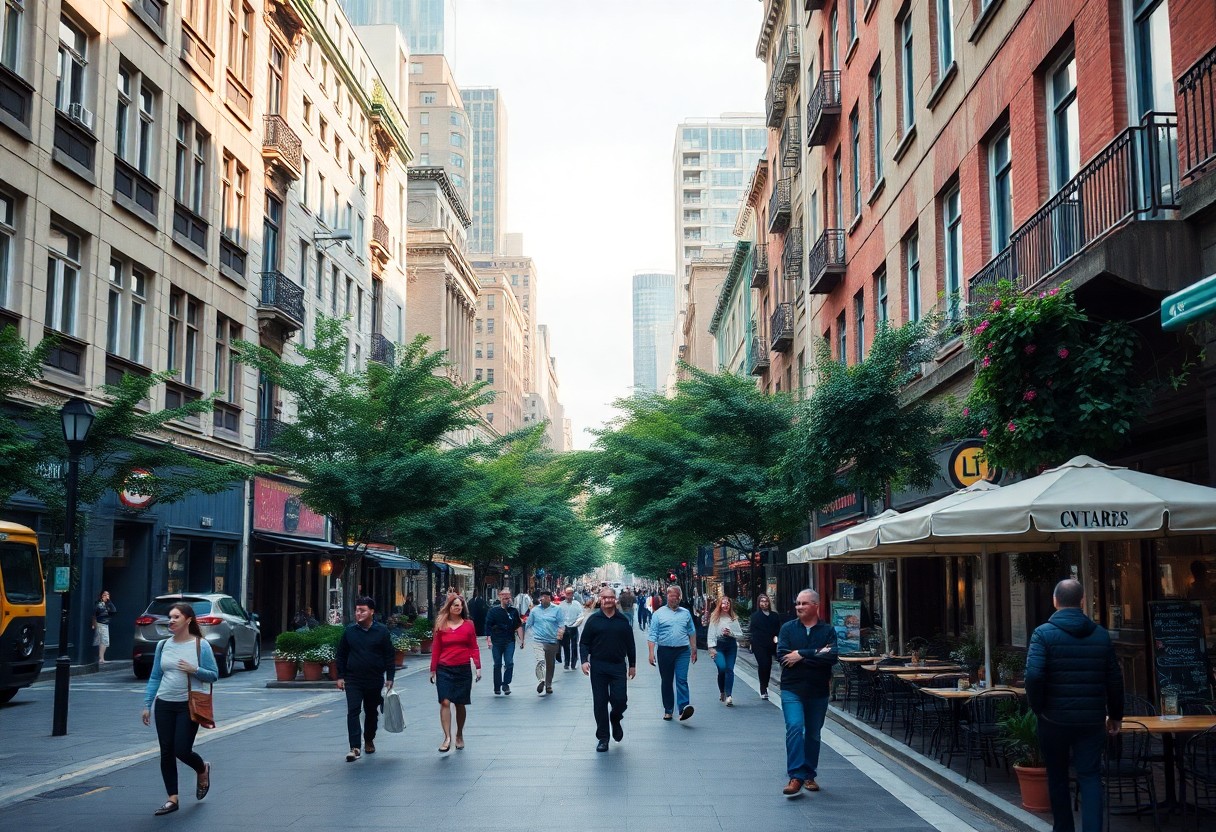
Future of Walkability in Urban Areas
Now, as urban populations continue to grow, the future of walkability is becoming increasingly important. Cities around the world are recognizing that creating pedestrian-friendly environments can enhance quality of life, improve public health, and reduce environmental impact. You may soon notice investments in infrastructure that prioritize walking, from wider sidewalks to green spaces, as urban planners embrace the benefits of walkable neighborhoods.
Emerging Cities
Along with established walkable cities, emerging cities are making significant strides toward pedestrian-friendly designs. Cities in developing nations and rapidly urbanizing areas are realizing the importance of fostering walkability to attract residents and promote commerce. You can look forward to innovative solutions that cater to pedestrians, transforming the urban landscape with integrated transportation options that encourage walking.
Policy Recommendations
Emerging cities can benefit from implementing targeted policies to enhance walkability. You should advocate for policies that encourage mixed-use development, incorporate walkways into urban planning, and prioritize investments in public transit. By creating environments that support pedestrians, cities can foster community engagement and local economies.
At the heart of effective policy recommendations for enhancing walkability is the need for collaboration among city planners, local officials, and the community. You can push for zoning regulations that promote high-density development close to transit hubs and commercial areas. Additionally, implement pedestrian-only zones, improve crosswalk safety, and invest in traffic calming measures. These initiatives will not only boost walkability but also contribute to a more vibrant and interconnected urban environment that benefits everyone.

Final Words
With these considerations, you can appreciate that the top 10 most walkable cities in the world offer not only convenience but also enrich your travel experience. By choosing to explore these vibrant urban landscapes on foot, you gain a deeper understanding of their culture, architecture, and community. Whether it’s the historic streets of Paris or the bustling neighborhoods of Tokyo, walking allows you to uncover hidden gems and connect with your surroundings in a unique way. Embrace the opportunity to enhance your journeys by immersing yourself in the walkable charm of these remarkable cities.
FAQ
Q: What criteria are used to define walkability in cities?
A: Walkability in cities is assessed based on several factors, including the presence of pedestrian-friendly infrastructure, such as sidewalks and crosswalks, the density of amenities and services within walking distance, safety from traffic, and the availability of green spaces. Additionally, the general layout of the city, public transportation options, and overall urban planning play significant roles in determining how conducive a city is to walking.
Q: Which cities rank highest in walkability, and what makes them stand out?
A: The top 10 most walkable cities often include places like New York City, Paris, and Tokyo. These cities are notable for their diverse neighborhoods, comprehensive public transport systems, and a mix of residential and commercial areas that encourage walking. For instance, New York City has a grid layout, which makes navigation intuitive, while Paris features numerous parks and pedestrian-only zones that enhance the walking experience.
Q: How does walkability impact the quality of life in urban areas?
A: High walkability can significantly enhance the quality of life in urban areas. It encourages physical activity, reduces reliance on cars, and contributes to lower pollution levels. Furthermore, walkable cities often foster vibrant communities by promoting social interactions and supporting local businesses. A well-designed walkable environment can lead to increased economic activity and improved mental well-being among residents, creating a healthier and more engaged population.

