Just imagine exploring the world while making a positive impact on the environment. Planning a sustainable international adventure means you can enjoy your travels while minimizing your carbon footprint and supporting local communities. This guide provides practical steps to navigate eco-friendly travel options, from choosing green accommodations to engaging in local cultural experiences. To help jumpstart your journey, check out this resource on Eco-Adventure: 6 Sustainable Activities for Nature-Loving … that inspire responsible exploration.
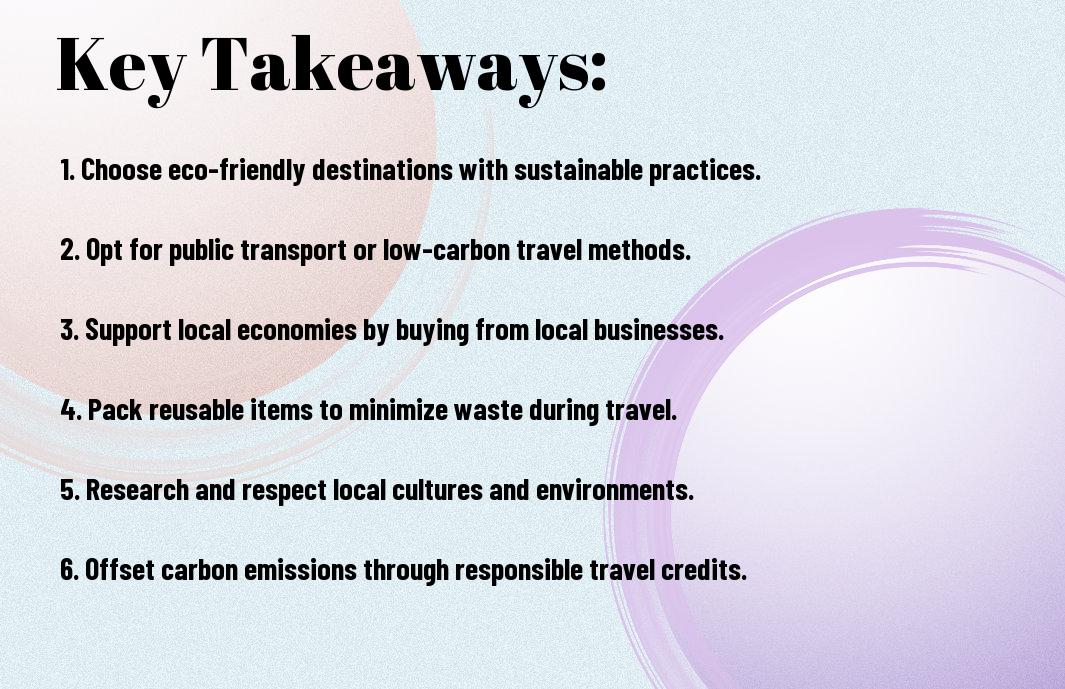
Key Takeaways:
- Research local customs and regulations to ensure respect for the community and environment during your travels.
- Choose eco-friendly transportation and accommodations to minimize your carbon footprint while exploring.
- Support local economies by engaging in community-based tourism and purchasing goods from local artisans and businesses.
Understanding Sustainable Travel
Before launching on an international adventure, it’s important to grasp the concept of sustainable travel. This approach seeks to minimize your environmental footprint and positively impact the local community and economy. By prioritizing eco-friendly choices, such as using public transport, supporting local businesses, and conserving natural resources, you can enjoy your travels while contributing to the preservation of the planet and its diverse cultures.
Principles of Sustainable Tourism
By adopting sustainable tourism principles, you ensure that your travel activities respect the environment, cultural heritage, and local economies. Focus on reducing waste, supporting conservation efforts, and participating in community-based projects. Your choices can lead to a more meaningful and impactful travel experience while fostering connections with the destinations you explore.
The Impact of International Travel
Above all, it’s important to acknowledge the significant effects international travel can have on the environment and local communities. From carbon emissions associated with flights to the strain on natural resources in tourist hotspots, your travels can inadvertently contribute to various challenges. Being mindful of these impacts allows you to make informed decisions and engage in more responsible travel practices.
Also, understanding the socio-economic implications of your journey is vital. High tourist demand can lead to resource depletion, disruption of local livelihoods, and environmental degradation. By choosing sustainable practices, such as staying in eco-friendly accommodations and supporting local artisans, you help mitigate these negative impacts, ensuring a more balanced relationship between tourism and the communities you visit.
Researching Your Destination
One of the most important steps in planning a sustainable international adventure is thorough research into your destination. Explore the environmental policies, local initiatives, and conservation efforts of the region to ensure that your visit can benefit both the local community and the environment. Look into how tourism is managed in the area and seek out eco-friendly activities that allow you to immerse yourself in the locale while minimizing your impact.
Eco-friendly Destinations
Your adventure can be significantly enhanced by choosing eco-friendly destinations known for their sustainable practices. Look for places that prioritize conservation, support local economies, and emphasize responsible tourism. Destinations like Costa Rica, New Zealand, and Bhutan exemplify this approach, offering travelers unique experiences while promoting environmental stewardship and cultural preservation.
Understanding Local Cultures and Practices
Before you launch on your journey, take the time to understand the local cultures and practices of your destination. Engaging with and respecting the customs of the people you will meet fosters a meaningful connection and enriches your travel experience. Learning key phrases in the local language and familiarizing yourself with cultural norms will show your respect and openness to new experiences.
To fully appreciate the local cultures and practices, immerse yourself in the community’s traditions, festivals, and daily life. Explore local markets, participate in cultural workshops, and seek opportunities to volunteer. This involvement not only contributes to the local community but also deepens your understanding of their values, history, and social dynamics, ultimately transforming your travel from mere sightseeing to genuine cultural exchange.
Planning Your Itinerary
After deciding on your destination, it’s time to map out your itinerary with an emphasis on sustainable practices. Focus on experiences that support local culture and environment, such as community-based tours or conservation initiatives. Allocate time for nature exploration, immerse yourself in local customs, and be mindful of travel distances between activities to minimize your environmental impact. Prioritize flexibility in your schedule to embrace spontaneous adventures that align with sustainability.
Sustainable Transportation Options
Transportation plays a vital role in maintaining sustainability during your travels. Opt for trains or buses instead of flights whenever possible, as they tend to emit fewer greenhouse gases. For shorter distances, walking or cycling can enrich your experience while reducing your carbon footprint. Research local transport systems that prioritize eco-friendly options, and consider carpooling or ridesharing to lessen environmental impact when necessary.
Responsible Accommodation Choices
One of the key factors in sustainable travel is selecting responsible accommodations. Look for hotels or lodgings that implement eco-friendly practices, such as energy-efficient systems and waste reduction programs. Supporting local businesses also contributes to the economy and ensures that your stay benefits the community. Investigate options like eco-lodges, hostels, or even homestays that emphasize sustainable operations and respect for the environment.
The choices you make for accommodation can significantly influence your environmental impact. Seek establishments that prioritize sustainable certifications, such as LEED or Green Key, which showcase their commitment to responsible hospitality. Additionally, consider the sourcing of food and products at these places; those that promote local and organic provisions often contribute positively to the local economy and reduce transportation emissions. Making informed decisions about where you stay will not only enhance your experience but also align with your values of sustainability during your adventure.
Activities and Experiences
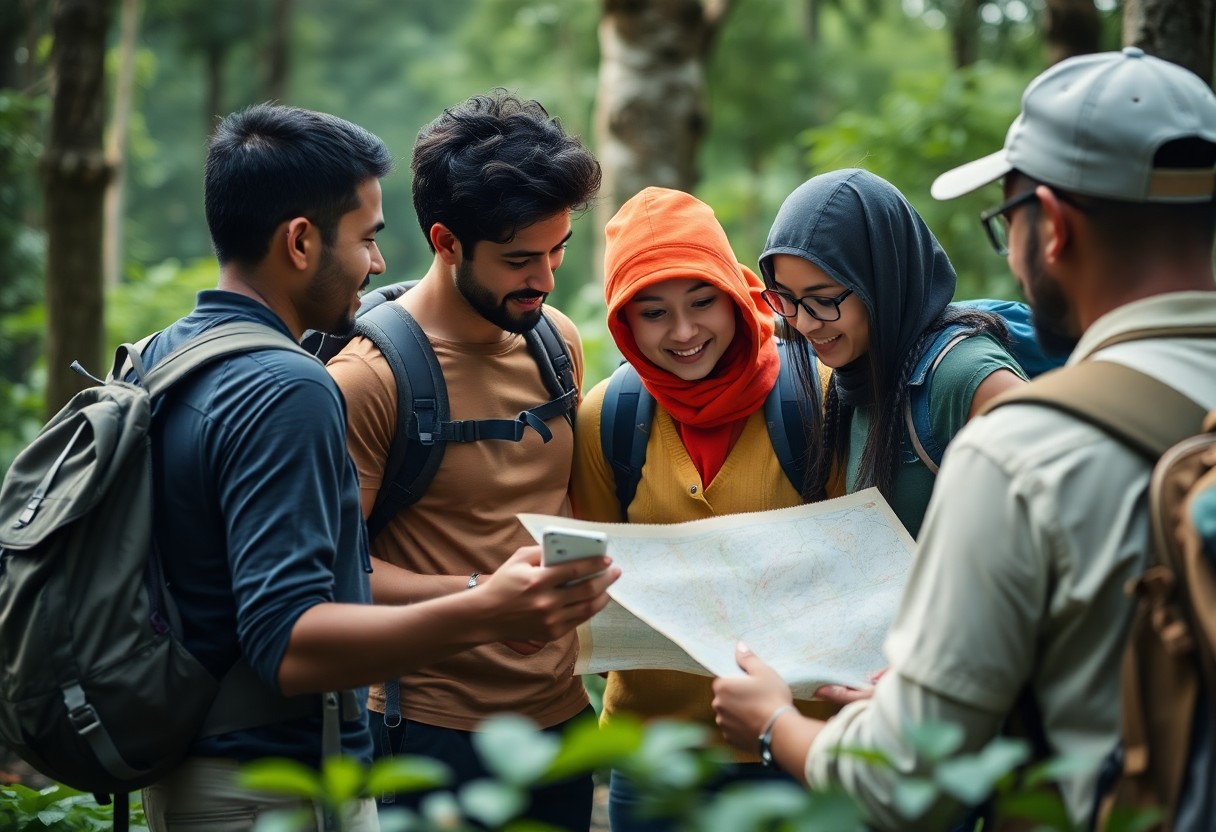
Now that you understand the importance of sustainable planning, consider activities and experiences that align with eco-friendly values. Engaging with local cultures, exploring natural beauty responsibly, and choosing experiences that benefit communities will enrich your adventure. Strive to select offers that contribute positively to the environment and local economies, allowing you to enjoy while making a meaningful impact.
Volunteering and Community Engagement
Any opportunity to volunteer or engage with local communities can significantly enhance your travel experience. Seek programs that support conservation efforts or local initiatives, allowing you to connect with residents while making a positive contribution to their lives. This not only provides personal fulfillment but also fosters mutual respect and understanding between you and the community.
Eco-Tourism Activities
On the other hand, eco-tourism activities enable you to discover natural wonders while minimizing your environmental footprint. Engage in guided nature walks, bird watching, or kayaking excursions that promote wildlife preservation and education. These immersive experiences not only deepen your appreciation for the environment but also support local conservation efforts.
This approach not only benefits the ecosystems you explore but also educates you about the delicate balance of nature. Participating in eco-tourism activities encourages responsible behavior towards wildlife and habitats, helping you to understand the importance of preserving these treasures for future generations. Choose operators with sustainable practices, and you’ll ensure that your adventure contributes positively to both the environment and local communities.
Packing for Sustainability
Many travelers are now prioritizing sustainable packing practices to reduce their environmental impact. By choosing eco-friendly materials and mindful packing techniques, you can ensure that your journey is not only enjoyable but also responsible. From selecting sustainable travel gear to minimizing your carbon footprint, being conscious of what you pack can greatly enhance your travel experience while protecting the planet.
Eco-Friendly Packing Essentials
Along with selecting versatile clothing, invest in reusable items such as water bottles, utensils, and shopping bags. Opt for biodegradable toiletries and natural fabric pouches to store your imperatives. By being intentional about your packing choices, you can significantly diminish your waste and lessen your dependence on single-use plastics during your travels.
Reducing Waste While Traveling
Sustainability also encompasses how you manage waste during your trip. You can make a meaningful impact by choosing to recycle when possible, bringing your own reusable containers for take-out, and avoiding excess packaging in shops.
With a little effort, you can significantly reduce the waste produced during your travels. Start by carrying a reusable bag for shopping, a stainless steel straw for beverages, and a portable coffee cup. This allows you to enjoy your favorite drinks without relying on disposable cups and straws. When dining out, ask for less plastic and bring leftovers in your own containers. Be mindful of the products you choose, supporting package-free stores or purchasing in bulk whenever possible. Small actions can collectively lead to a more sustainable travel experience.
Traveling Responsibly
Despite the excitement of international travel, it’s vital to engage in responsible tourism to ensure that your adventures do not harm the environment or local communities. Adopting sustainable practices, such as reducing waste and respecting cultural traditions, allows you to enjoy enriching experiences while making a positive impact. Engaging in responsible travel ensures that future generations can also explore the wonders of our planet.
Minimizing Your Carbon Footprint
An effective way to reduce your environmental impact while traveling is to prioritize sustainable transportation options. Choose trains or buses over flights whenever possible, and consider biking or walking to explore your destination. Additionally, you can offset your carbon emissions by contributing to reforestation projects or utilizing carbon offset programs, helping to restore the balance in nature.
Supporting Local Economies
Footprint reduction goes hand-in-hand with supporting local economies during your travels. Opt for local accommodations, eateries, and guides to ensure your spending directly benefits the community. This practice not only enriches your experience but also helps sustain local traditions and provides job opportunities for residents.
Traveling in a way that supports local economies is crucial for fostering authentic connections with the places you visit. By choosing to shop at local markets, eat at family-owned restaurants, and participate in community workshops, you contribute to the thriving of small businesses. This approach not only enhances your travel experience but also helps communities withstand the pressures of global tourism, ensuring they remain vibrant and culturally rich.
Final Words
Conclusively, planning a sustainable international adventure involves thoughtful consideration of your destination, transportation, accommodation, and activities. By choosing eco-friendly options and supporting local economies, you not only minimize your environmental impact but also enrich your travel experience. Engage with local cultures, respect the environment, and be mindful of your consumption to ensure that your adventures contribute positively to the places you visit. With careful planning and responsible choices, you can enjoy fulfilling travels that leave a lasting impression on both you and the planet.
FAQ
Q: What are the key factors to consider when planning a sustainable international adventure?
A: When planning a sustainable international adventure, consider the following key factors: 1) Transportation – opt for public transport, walking, or cycling over flying whenever possible to reduce your carbon footprint. 2) Accommodation – choose eco-friendly hotels or hostels that practice sustainable operations, such as energy conservation and waste reduction. 3) Local Impact – engage with local cultures by supporting local businesses, artisans, and guides that prioritize sustainability and responsible tourism practices.
Q: How can I minimize my environmental impact while traveling internationally?
A: To minimize your environmental impact while traveling, start by reducing waste; bring reusable items such as water bottles, utensils, and bags. Opt for organic, locally sourced food to support local farmers and reduce food miles. Participate in activities that have low environmental impact, such as hiking or cycling, instead of more carbon-intensive activities. Lastly, participate in conservation efforts or volunteer opportunities that can positively contribute to the ecosystems and communities you visit.
Q: What are some activities that promote sustainable tourism during international adventures?
A: Activities that promote sustainable tourism include eco-tours that focus on wildlife and natural habitats, volunteering with local conservation projects, or participating in community-based tourism where visitors stay with and learn from local families. Engaging in cultural experiences, like cooking classes or craft workshops, supports local artisans and promotes cultural exchange. Additionally, choosing guided tours with operators committed to responsible practices can enhance your travel experience while ensuring minimal negative impact on the environment.
