Most travelers face the challenge of staying connected while exploring new countries. Whether you need to check emails, update social media, or simply keep in touch with family, having reliable communication is important. In this guide, you’ll discover effective strategies and tools that ensure you remain connected with your loved ones and the world around you, no matter where your adventures take you. From choosing the right SIM card to using Wi-Fi efficiently, these tips will help you navigate your journey with ease and confidence.
Key Takeaways:
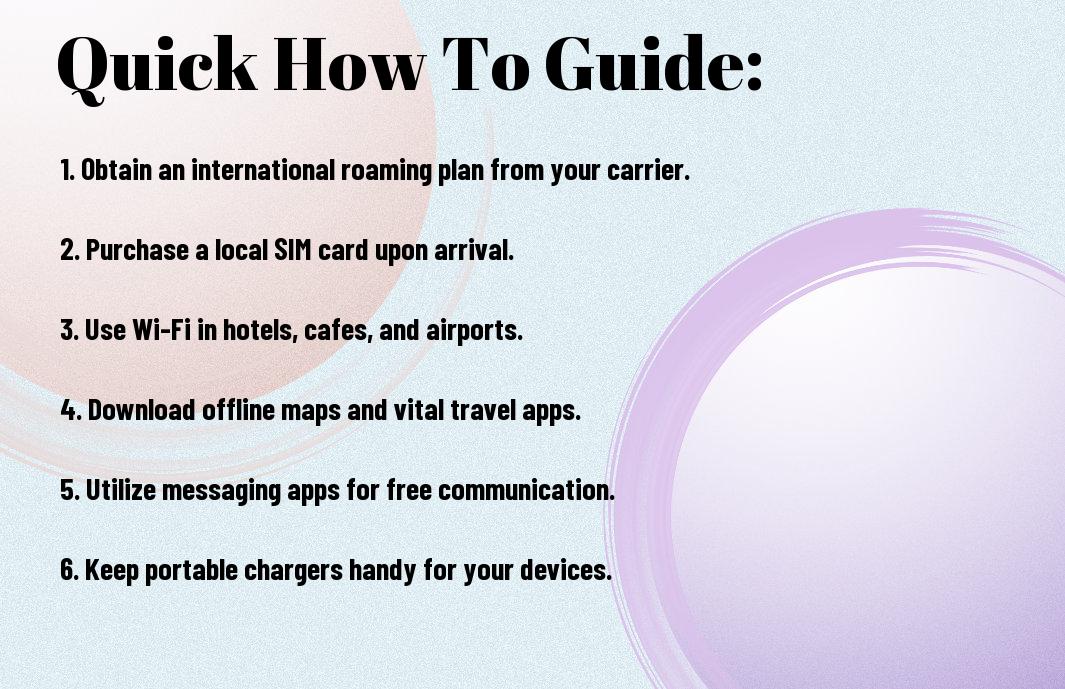
- Research international roaming plans with your mobile provider to avoid unexpected charges.
- Utilize Wi-Fi in hotels, cafes, and public spaces to stay connected without incurring costs.
- Download offline maps and travel apps beforehand for navigation and information access while offline.
- Connect with friends and family through messaging apps that work over Wi-Fi, minimizing the need for cellular data.
- Stay informed about local SIM card options to keep your phone functional and minimize data expenses while abroad.
Understanding the Importance of Staying Connected
While exploring new destinations, staying connected plays a vital role in ensuring your safety and enjoyment. It allows you to share your experiences with loved ones, access important travel information, and maintain communication in case of emergencies. Prioritizing connectivity can enhance your travel experience significantly, helping you navigate foreign environments with more confidence.
Factors to Consider
To maximize your connectivity while traveling, evaluate these key factors:
- Your destination’s network coverage
- Cost of international data plans
- Availability of Wi-Fi hotspots
- Compatibility of your devices
Assume that you will encounter various connectivity challenges depending on where you are. Being proactive can help alleviate these issues before they arise.
Benefits of Staying Connected While Traveling
Staying connected while traveling offers a multitude of advantages, greatly enhancing your experience. It allows you to stay in touch with family and friends, share updates on your journey, and access vital information such as maps and local recommendations.
It is also beneficial for emergency situations, enabling you to reach out for help or provide your location if needed. Moreover, being connected opens up opportunities to learn about local culture, connect with fellow travelers, and discover attractions or events that you may have otherwise missed. Ultimately, maintaining connectivity helps to enrich your travels and provides peace of mind, allowing you to enjoy your adventures to the fullest.
Choosing the Right Communication Tools
It is important to select the right communication tools when traveling internationally to ensure you stay in touch with family, friends, and colleagues. With numerous options available, consider factors such as ease of use, availability, and cost. By evaluating your needs and preferences, you can determine which tools will work best for you during your travels.
Mobile Phones and Data Plans
You should explore different mobile phone options and data plans that suit your travel needs. Check with your carrier to see if they offer international roaming or consider purchasing a local SIM card upon arrival. This way, you can avoid excessive fees and stay connected without hassle.
Messaging Apps and Social Media
The use of messaging apps and social media can simplify your communication while traveling internationally. These platforms allow you to stay connected with loved ones without incurring high phone charges, as most offer free Wi-Fi usage.
For instance, apps like WhatsApp, Facebook Messenger, and Viber enable you to make voice and video calls, share images, and send text messages through an internet connection. This can save you a significant amount of money during your travels, while also allowing for instant communication and updates, keeping your friends and family in the loop no matter where you are in the world.
Utilizing Wi-Fi and Internet Access
Many travelers rely on Wi-Fi and internet access to stay connected while abroad. From social media updates to checking emails, having reliable internet access enhances your travel experience significantly. With a few tips, you can efficiently find Wi-Fi and maintain your online presence without overspending on data roaming charges.
Finding Wi-Fi Hotspots
Assuming you prioritize connectivity while traveling, start by seeking out Wi-Fi hotspots available in public spaces, such as cafes, restaurants, and libraries. Many hotels also provide complimentary internet access for their guests. Additionally, consider downloading apps that help locate nearby Wi-Fi networks to save time.
Staying Safe on Public Networks
Even when public Wi-Fi is convenient, it poses significant risks to your personal data. Connecting to unsecured networks can expose your device to potential cyber threats and unauthorized access.
This is why you should always use a Virtual Private Network (VPN) when accessing public Wi-Fi. A VPN encrypts your internet connection, making it much harder for hackers to intercept your data. Additionally, avoid logging into sensitive accounts, such as online banking, while connected to public networks. Lastly, ensure that your device’s firewall is activated, and keep your software updated to protect against vulnerabilities.
Managing Costs While Staying Connected
Now that you’re gearing up for your international adventure, it’s vital to keep your communication costs manageable. With the right strategies, you can enjoy staying in touch without breaking the bank. Consider options like local SIM cards or international plans that fit your usage needs, ensuring you remain connected without hefty fees.
Budgeting for Communication Expenses
Little adjustments to your travel budget can help you allocate enough funds for your communication needs. Factor in costs for data plans, Wi-Fi access, and any tools you’ll need to stay connected, so you won’t be caught off guard during your travels.
Avoiding Roaming Charges
Avoiding international roaming charges can significantly lower your phone bill while traveling. Familiarize yourself with your current service provider’s international options before you depart. This could mean opting for a short-term international plan or ensuring your phone settings are optimized to prevent data overages.
For instance, contacting your carrier to discuss international usage plans can clarify what options are available. Some carriers offer affordable daily rates that allow you to use your existing plan abroad without excessive charges. Additionally, switching off mobile data and relying on Wi-Fi whenever possible will help you avoid accumulating extra fees. Before your trip, download vital apps and maps to minimize data use while navigating your destination.
Tips for Effective Communication
All travelers should adopt strategies for clear and concise communication while abroad. Consider these tips:
- Use messaging apps for quick conversations.
- Learn a few local phrases.
- Utilize translation apps.
- Make phone calls during off-peak hours.
- Be aware of cultural differences in communication styles.
Thou can ensure meaningful interactions by being mindful of how you express yourself.
Time Zone Considerations
Time can become a challenge when connecting with loved ones back home. You should keep a time conversion app handy to ensure you are aware of both your local time and the time back home. Scheduling calls during the time frames that accommodate both parties will lead to smoother communication.
Offline Communication Strategies
While technology plays a vital role in staying connected, offline strategies should not be overlooked. You can maintain communication by utilizing postcards, sending letters, or arranging meet-ups with friends or family members who happen to be in the same location.
Considerations such as the nature of your travel and the destinations you visit might influence your offline communication. Postcards can evoke a personal touch and serve as tangible memories for both you and the recipient. On the other hand, keeping a notebook to jot down experiences to share later can create deeper connections when you return. Offline communication fosters unique interactions that technology can’t always replicate, enriching your travel experiences.
Staying Connected with Family and Friends
Keep your loved ones in the loop while you explore new destinations. Utilizing various communication tools can help bridge the distance, allowing you to share your experiences and stay connected even from afar. Simple actions like video calls, messaging apps, and social media can help you maintain those important relationships, making your international journey feel a little closer to home.
Scheduling Regular Check-ins
One effective way to stay connected is by setting up regular check-in times with your family and friends. Depending on your travel schedule and time zone differences, you may consider nightly chats or weekly video calls. Pre-planning these conversations ensures that you have a dedicated time to share your adventures, updates, and hear about life back home.
Sharing Travel Updates
Connected with your family and friends means sharing the little moments of your travels. Create a habit of sending updates through photos, videos, or even a quick message about your day. Sharing meals, cultural experiences, or interesting encounters not only keeps you engaged in conversations but also allows your loved ones to feel involved in your journey.
Updates from your travels can be a great way to foster a sense of connection with your friends and family. Whether it’s a breathtaking sunset, a local delicacy you tried, or a fun experience you encountered, sharing these moments can spark interesting conversations and even inspire others to initiate on their own adventures. Use platforms like Instagram, WhatsApp, or Facebook to give your loved ones a glimpse into your travels, making them feel part of the journey, no matter where they are.
Final Words
Ultimately, staying connected while traveling internationally enhances your experience and keeps you in touch with loved ones. By utilizing tools like local SIM cards, Wi-Fi hotspots, and messaging apps, you can navigate your adventures effortlessly. As you prepare for your journey, consider exploring detailed strategies in 6 Ways to Stay Connected Internationally: Your Ultimate …, ensuring you have all the resources needed to remain in touch while exploring the world.
FAQ
Q: What are the best ways to stay connected with family and friends while traveling internationally?
A: There are several effective ways to maintain communication while abroad. Firstly, consider using messaging apps like WhatsApp, Skype, or Viber, which utilize Wi-Fi for voice and video calls. Additionally, many social media platforms have messaging features that can help you stay in touch. Ensure you download these apps before you travel. If you’re looking for more traditional methods, purchasing an international phone plan or a local SIM card upon arrival can provide you with data and call options. Lastly, utilizing email is always a reliable method to communicate your experiences and plans.
Q: How can I avoid high roaming charges while traveling abroad?
A: To minimize or eliminate roaming charges, investigate your mobile carrier’s international plans before you commence on your trip. Many carriers offer temporary travel plans for a reasonable fee, which can save you from unexpected charges. Alternatively, you can buy a local prepaid SIM card that provides data and calling services at local rates. Using Wi-Fi whenever possible also helps avoid fees, so try to find free Wi-Fi spots in cafes, hotels, or public areas. Always disable data roaming on your device to prevent automatic connections that could lead to extra charges.
Q: What should I do if I experience connectivity issues while traveling?
A: If you encounter connectivity issues while traveling, there are several steps you can take. First, ensure that your device is configured correctly for local networks, which may include checking your APN settings. Restarting your phone can also resolve temporary glitches. If this does not work, try moving to a different location; sometimes, signal strength varies significantly depending on your surroundings. If you are using public Wi-Fi, ensure you are connected to a legitimate network and not a spoofed one. Finally, if problems persist, visit a local store for assistance with your SIM card or ask friends or locals for advice on connectivity in the area.