barriers

How to Navigate Language Barriers in Foreign Countries

There’s no denying that traveling to a foreign country can be both exciting and challenging, especially when you encounter language barriers. Effective communication is key to enriching your travel experience and fostering connections with locals. In this guide, you’ll discover practical strategies and tools to help you navigate these obstacles with confidence, whether you’re ordering food, asking for directions, or engaging in meaningful conversations. With these tips at your disposal, you can enhance your travels and make the most of your adventures abroad.

Key Takeaways:

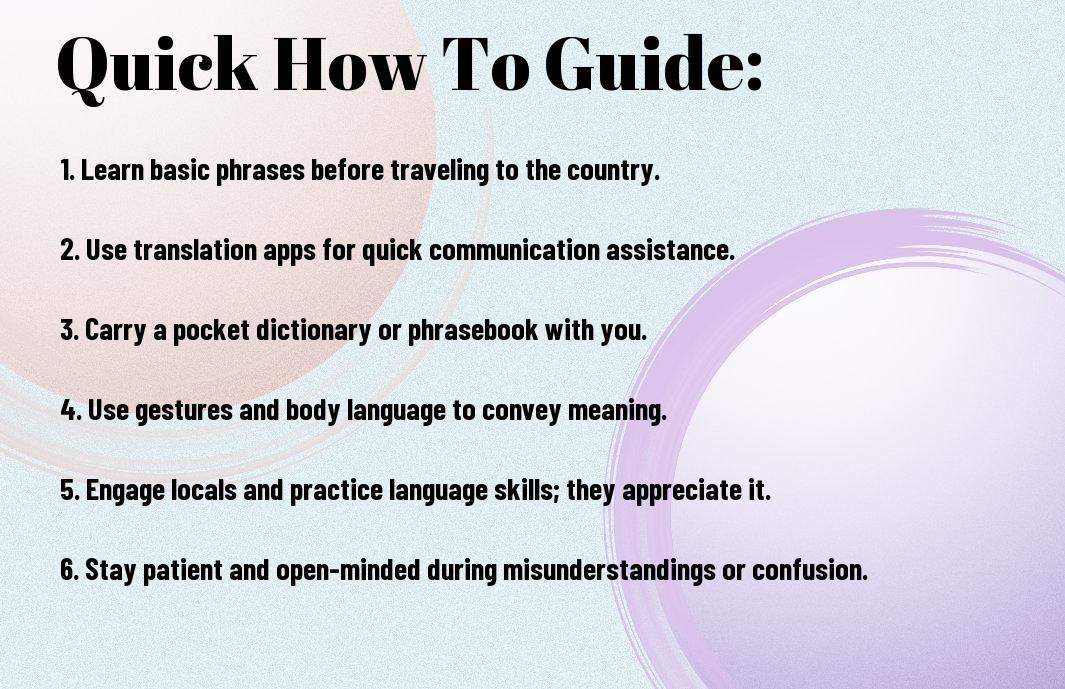
  • Learn Basic Phrases: Familiarize yourself with important expressions in the local language to enhance communication.
  • Use Translation Apps: Leverage technology by downloading reliable translation apps to assist in real-time conversations.
  • Non-verbal Communication: Utilize gestures, body language, and facial expressions to convey meaning when words fail.
  • Be Patient and Polite: Approach language barriers with a calm attitude, showing respect and willingness to communicate.
  • Visual Aids: Employ pictures, maps, or written instructions to bridge understanding when specificity is needed.
Understanding Language Barriers

The concept of language barriers revolves around the challenges faced when individuals who speak different languages attempt to communicate. These barriers can lead to misunderstandings and misinterpretations, significantly impacting your travel experience. It’s important to recognize that language is not just about speaking; it encompasses cultural nuances and expressions that may not translate directly. Embracing these complexities will help you navigate conversations more effectively while abroad.

Common Factors Contributing to Language Barriers

With your interactions in a foreign country, various factors can contribute to language barriers, including:

  • Differences in dialects and regional accents
  • Varying levels of proficiency in a common language
  • Cultural references and idioms that do not translate

Perceiving these elements can enhance your understanding of the local language landscape.

The Impact of Language Barriers on Communication

Contributing to misunderstandings, language barriers can significantly hinder effective communication and lead to frustrating experiences. When nuanced expressions and contextual meanings are lost, messages may become distorted or entirely misinterpreted, resulting in confusion. In unfamiliar environments, this can adversely affect your ability to gather important information, seek assistance, or build meaningful connections with locals.

This can also create feelings of isolation during your travels as you struggle to express your needs or understand others. Language barriers may limit your ability to engage fully in the culture or enjoy local experiences, hindering your overall travel enjoyment. By acknowledging these potential pitfalls, you can take proactive steps to mitigate their impact and enjoy a smoother interaction with the people you meet.

How to Prepare for Travel

If you want to navigate language barriers smoothly, preparation is necessary. Start by researching the local language and customs of the country you plan to visit. Familiarize yourself with common phrases, practice pronunciation, and even consider enrolling in a basic language course. The more prepared you are, the more confident you will feel while interacting with locals during your travels.

Learn Basic Local Phrases

Phrases can be a game changer when traveling to a foreign country. Focus on necessary expressions such as greetings, directions, and polite requests. You’ll find that even a few well-practiced words can bridge the gap between you and the people you meet, fostering goodwill and making your experience more enjoyable. Additionally, locals often appreciate your effort, which can lead to more meaningful interactions.

Utilize Technology and Translation Apps

For seamless communication, consider harnessing the power of translation apps. These tools can help you quickly convert written text or spoken phrases, making it easier to understand menus, signs, or locals’ conversations. You can communicate more effectively and gain confidence in navigating your surroundings, allowing you to focus on the adventure rather than on your language limitations.

Apps like Google Translate, Duolingo, and iTranslate offer features that go beyond simple translations. Many provide offline capabilities, document scanning, and even voice recognition to help you communicate in real-time. With these apps at your fingertips, you can effortlessly learn new phrases on the go or decipher written text instantly, granting you the freedom to fully immerse yourself in the local culture without feeling lost in translation.

Tips for Effective Communication

Your communication skills can significantly enhance your travel experience. Here are a few tips to help you connect with locals:

  • Learn key phrases in the local language.
  • Utilize translation apps for complex conversations.
  • Be patient and open-minded.
  • Use gestures and visual aids to convey your message.

This can be further explored in 4 Ways to Overcome Language Barriers When Traveling.

Non-Verbal Communication Techniques

Communication extends beyond words; utilizing non-verbal techniques can bridge gaps in understanding. Facial expressions, gestures, and body language can convey your intent even when words fail. Emphasizing these cues, such as using thumbs-up for approval or a frown for discontent, can greatly enhance interactions. Carrying a visual dictionary or drawing pictures can further assist in expressing your needs.

Engaging Local Guides and Interpreters

Communication with locals can be enriched through hiring guides or interpreters. They not only serve as language facilitators but can also provide invaluable insights into cultural nuances and traditions. Engaging a local guide can help you navigate conversations more effortlessly, ensuring a more authentic experience during your travels.

Effective guides and interpreters often have deep knowledge of the regional dialect and customs. By utilizing their expertise, you can foster meaningful connections with residents and gain a better understanding of their way of life. This can turn an average trip into a memorable cultural immersion, allowing you to appreciate the destination from a unique perspective.

Navigating Social Situations

Once again, mastering language nuances can significantly enhance your social experiences abroad. Whether you’re attending a local event or mingling at a party, being mindful of cultural differences and local customs will help you feel more at ease. Approach conversations with a friendly demeanor, even if you struggle with the language, as your willingness to engage will foster better connections with those around you.

Tips for Dining and Shopping

Dining in a foreign country can be a delightful experience. When ordering food or shopping, consider the following tips:

  • Learn basic menu vocabulary to make ordering easier.
  • Use visuals, like pictures or pointing, to help convey your needs.
  • Practice polite phrases such as “please” and “thank you”.

Recognizing your surroundings and adapting to local etiquette will enhance your interactions.

Engaging with Locals Respectfully

With respectful engagement, you can foster genuine connections with locals during your travels. Always approach situations with an open mind and a willingness to learn about their customs and values. Be aware of body language and non-verbal cues, as these play a significant role in communication. This attitude will help you navigate conversations with grace while creating memorable experiences.

Shopping overseas can be much more than just a transaction. You’ll often encounter unique products and the opportunity to converse with shopkeepers. Showing appreciation for their craft by asking questions or complimenting their work can lead to insightful exchanges. Additionally, using gestures or translating apps can bridge any language gaps you may have faced, ensuring a more enjoyable shopping experience.

Overcoming Misunderstandings

After encountering a language barrier, misunderstandings can often arise, leading to frustration and confusion. It’s important to stay calm and approach these situations with patience. By being aware of potential misinterpretations, you can actively work to resolve issues and foster clearer communication. Don’t hesitate to ask for clarification or repetition, as this can help bridge the gap between different languages and cultural nuances.

Strategies for Clarifying Conversations

Overcoming misunderstandings starts with employing effective strategies. Always ask open-ended questions that require more than a yes or no answer, encouraging deeper dialogue. Paraphrasing what you’ve heard can also help verify understanding, as it allows the other person to confirm or correct your interpretation. Engaging in active listening and maintaining a positive attitude will further enhance communication and ease tensions.

Utilizing Context and Visual Aids

For effective communication, using context and visual aids can significantly enhance your understanding. When words fail, gestures, body language, and relatable visuals can convey meaning and context, helping you make sense of conversations.

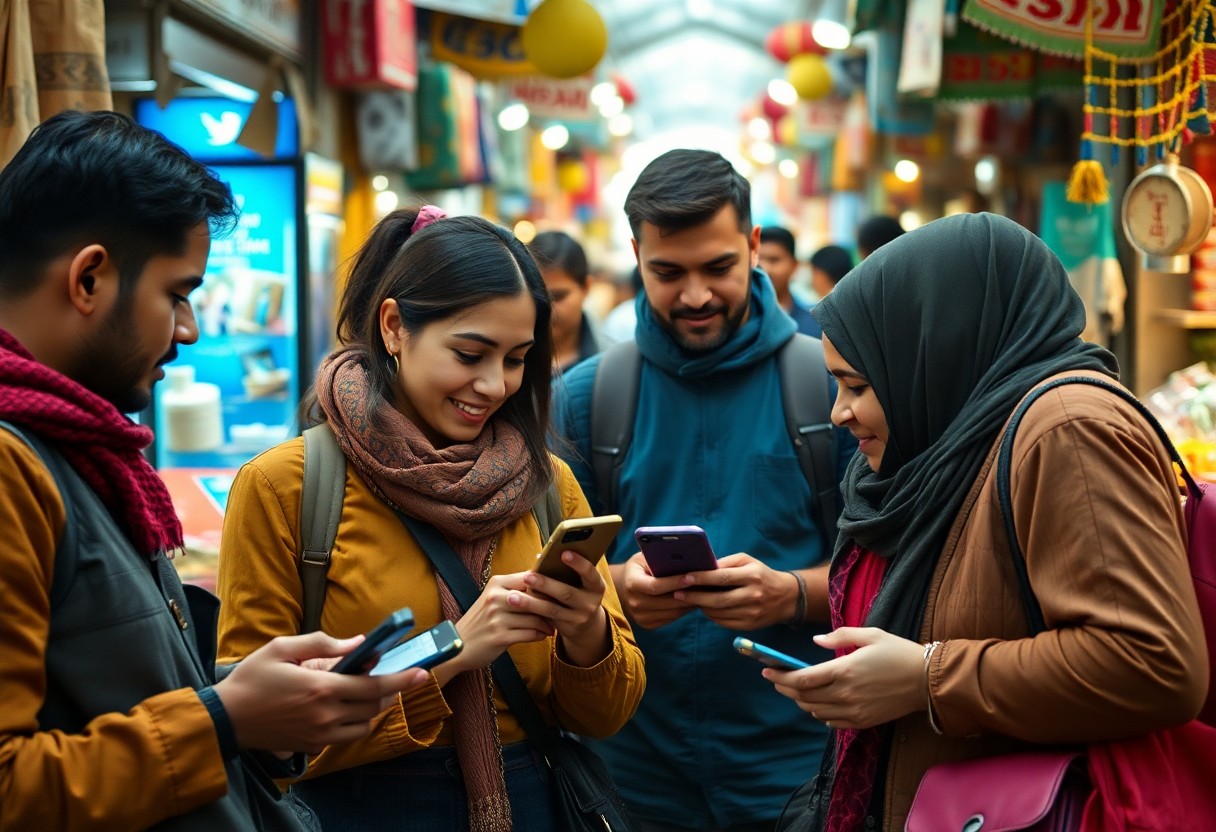
Visual cues, such as pictures, maps, or diagrams, can greatly complement verbal communication. Pointing to items in your surroundings or using your phone to show images can clear up confusion easily. Additionally, cultural context—like local foods, clothing, or landmarks—can provide valuable clues to meanings behind words. By combining these strategies, you enable yourself to navigate through the challenges of language barriers with better performance and effectiveness.
Building Cultural Awareness

Many travelers underestimate the importance of cultural awareness when navigating language barriers. Understanding the customs, traditions, and social norms of the country you are visiting can enhance your interactions and foster mutual respect. By taking the time to learn about the local culture, you can bridge the gap created by language differences, making your experiences more enriching and enjoyable.

Understanding Cultural Nuances and Etiquette

Cultural nuances can significantly impact communication, so it’s crucial to grasp the etiquette of the region you are exploring. Simple gestures, such as greetings or body language, may vary from one culture to another. By observing and adopting local customs, you will convey respect and openness, making your efforts to communicate more effective.

Embracing Diversity in Communication

For effective communication, embracing diversity means acknowledging the various ways people express themselves. Different cultures often have distinct norms for verbal and non-verbal communication, and being aware of these differences can lead to more meaningful exchanges.

Etiquette plays a significant role in embracing diversity. Adapting your communication style to the preferences of others, whether through tone, body language, or listening skills, will help you connect better. Practice patience, as you may encounter different communication rhythms; this flexibility will allow you to enjoy diverse perspectives, fostering a richer interaction during your travels.

Summing up

Ultimately, navigating language barriers in foreign countries requires a combination of preparation, patience, and resourcefulness. Equip yourself with basic phrases and cultural knowledge to enhance your interactions. Utilize translation apps and non-verbal communication to bridge any gaps. Don’t hesitate to engage locals, as they often appreciate your efforts and may offer valuable assistance. By remaining open and adaptable, you can turn potential misunderstandings into meaningful connections, enriching your travel experience and deepening your understanding of different cultures.

FAQ

Q: What are some effective strategies for communicating in a foreign country where your language skills are limited?

A: When navigating language barriers, consider using visual aids such as pictures or maps to convey your message. Gestures can also be helpful, so use body language to supplement your communication. Another effective strategy is to learn a few key phrases in the local language, which can demonstrate effort and help in gaining respect from locals. Additionally, utilizing translation apps on your mobile device can provide real-time assistance when you’re struggling to communicate.

Q: How can I ensure that I understand local customs and cultural nuances when language is a barrier?

A: To better understand local customs, research the culture of your destination prior to your trip. Watching videos or reading articles about cultural etiquette can provide valuable insight. Engaging with locals, even with limited language skills, can also enhance your understanding of their customs. Consider joining guided tours where local guides can explain cultural practices in English, thereby bridging the language gap while enriching your travel experience.

Q: What tools or resources can assist me in overcoming language barriers while traveling?

A: There are several tools and resources to help you overcome language barriers. Language translation apps, such as Google Translate, can be downloaded to your smartphone for immediate translation assistance. Phrasebooks or language dictionaries can be handy for offline use. Additionally, consider enrolling in language classes or using language learning platforms beforehand to familiarize yourself with the basics. Lastly, networking with fellow travelers through forums or social media can offer tips and support to help you navigate your journey.
How to Handle Language Barriers When Traveling Solo

Many solo travelers face the challenge of language barriers, which can make navigating new destinations feel overwhelming. However, with the right strategies, you can enhance your travel experience and connect more effectively with locals. This guide will provide you with practical tips and tools to break down communication walls, ensuring you feel confident and empowered during your adventures abroad. From utilizing technology to learning basic phrases, you’ll discover how to make the most of your travels despite any language differences you encounter.

Key Takeaways:

  • Learn Basic Phrases: Familiarize yourself with important phrases in the local language, such as greetings and common questions, to enhance communication.
  • Utilize Translation Apps: Download reliable translation apps to assist with real-time translations and overcome vocabulary gaps when needed.
  • Use Non-Verbal Communication: Rely on gestures, body language, and visual aids to convey your message when language fails.

Understanding Language Barriers

A language barrier can significantly impact your travel experience, especially when you’re exploring new places solo. It encompasses various challenges that arise when people do not share a common language, leading to misunderstandings and frustration. Understanding these barriers is imperative to ensuring smooth interactions and enriching your journey, enabling you to connect with locals and immerse yourself in different cultures.

Common Language Challenges

Between mispronunciations, idiomatic expressions, and vocabulary differences, language barriers can lead to confusion and unintended hilarity. Simple tasks like ordering food, asking for directions, or engaging in casual conversation may become daunting due to varying language skills. However, adapting to these challenges can be both rewarding and fun, adding an exciting dimension to your travels.

Importance of Communication

About 70% of communication is non-verbal, but language still plays a vital role in facilitating connections. Without effective communication, even the simplest interactions can become complicated, potentially leading to feelings of isolation. Thus, improving your ability to convey thoughts and feelings will enhance your overall travel experience by opening doors to meaningful relationships with diverse individuals along the way.

Language barriers might hinder direct communication, but you can still express yourself through gestures, facial expressions, and body language. Learning a few key phrases in the local language can show respect and willingness to engage, bridging gaps between you and the locals. Cultivating a positive attitude and being patient can help you navigate these barriers more confidently, making your solo travel adventures more enjoyable and rewarding.

Preparation Before You Travel

There’s no better time to prepare for language barriers than before your journey begins. Familiarizing yourself with the language of your destination helps you navigate interactions and enhances your travel experience. Invest time in researching local customs and any specific dialects or phrases that might be relevant. Being prepared means having the confidence to engage with locals, making your solo adventure even more enriching.

Learning Basic Phrases

For effective communication, start by learning a few crucial phrases in the local language. Master greetings, thank you, and key questions that address your basic needs. Even if your pronunciation isn’t perfect, locals often appreciate the effort and may be more inclined to assist you, creating more enjoyable exchanges during your travels.

Using Language Apps

Using language translation apps can significantly enhance your travel experience by offering instant support at your fingertips. These tools not only translate words and phrases but often include pronunciation guides and offline capabilities, ensuring you remain prepared even without Wi-Fi access.

Another benefit of using language apps is their ability to facilitate real-time conversations. Many apps have features that allow you to speak into your device and instantly get translations, enabling smoother interactions. Some even have community support, letting you seek help from native speakers. These advancements make it easier than ever for you to overcome language barriers and fully engage with the culture around you.

Effective Communication Strategies

Now that you’re aware of the potential challenges posed by language barriers, it’s vital to adopt effective communication strategies. Utilize a combination of verbal and non-verbal cues, and don’t hesitate to leverage technology. Apps that translate languages in real time can also be invaluable, allowing you to engage in conversations more smoothly. Equipping yourself with a few basic phrases in the local language can enhance your interactions, making your travel experience more enjoyable and fulfilling.

Non-verbal Communication

Among the various methods to bridge language gaps, non-verbal communication can be incredibly powerful. Facial expressions, gestures, and body language often convey emotions and intentions more clearly than words. By being expressive and using simple gestures, you can create a connection with others that transcends spoken language, enhancing your interactions when you can’t find the right words.

Engaging with Locals

Engaging with locals can significantly enrich your travel experience. You’ll gain insights into their culture and lifestyle while possibly making lifelong connections. Asking questions, complimenting food, or simply sharing a smile can break the ice and create a warm atmosphere, even if you have to rely on a translator app. Authentic interactions often lead to unforgettable memories.

But stepping out of your comfort zone when engaging with locals can be rewarding. Participate in community events, try local cafes, or join guided tours. People appreciate your effort to connect, and often, they’ll reciprocate with gestures of kindness, which can turn a language barrier into a gateway for meaningful dialogue. The more you interact, the more you’ll learn about their world, and the richer your travel experience will become.

Utilizing Technology to Overcome Barriers

All traveling solo can present challenges, especially when it comes to communication. However, with the right technology at your fingertips, you can effectively bridge the language gap and enhance your travel experience. Leveraging mobile apps and tools not only makes it easier to navigate foreign environments, but it can also help you connect with locals in a more meaningful way.

Translation Apps

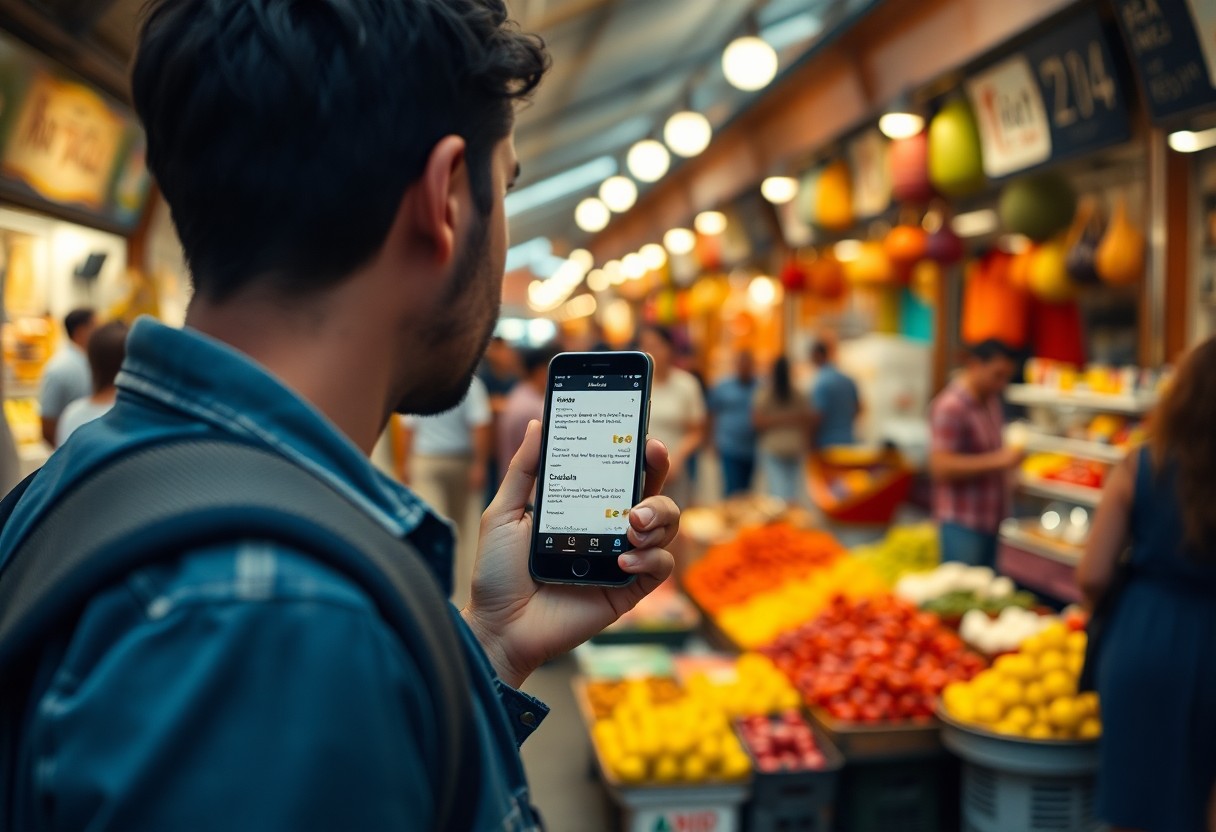
Barriers that arise from language differences can be easily managed with translation apps available on your smartphone. Options like Google Translate or iTranslate allow you to translate text or speech in real-time, helping you understand everything from menus to directions. This convenience means you can confidently engage with locals, making your travel experience much more enjoyable.

Offline Resources

At times when you may not have reliable internet access, offline resources can be a lifesaver. Downloading language packs, phrasebooks, or even audio recordings beforehand ensures you’re never left stranded. These resources provide vital vocabulary and common phrases that can aid in communication, especially in areas where technology might not be as accessible.

Utilizing offline resources helps you maintain connectivity even in remote locations. By preparing a set of common phrases and vital vocabulary, you enhance your ability to navigate conversations with ease. Purchasing a trusted phrasebook or downloading an app’s offline language pack before your trip can be incredibly beneficial, allowing you to communicate effectively without relying solely on the internet. This way, you can confidently ask for directions, order food, or engage with locals—making your solo travel experience smoother and more enjoyable.

Resources for Assistance

Unlike a group trip where companions might bridge the communication gap, you can rely on various resources to help you navigate language barriers when traveling solo. From digital tools to human interactions, these resources can enhance your experience and ensure you connect with locals more effectively. Utilizing technology or seeking assistance from others can make your solo journey enjoyable and enriching.

Travel Guides and Phrasebooks

After packing your bags, consider investing in a reliable travel guide or phrasebook for your destination. These resources provide necessary phrases and cultural insights that can help you communicate and understand local customs. Carrying a compact phrasebook can also serve as a handy reference when you encounter unfamiliar vocabulary or situations.

Language Exchange Platforms

Travel apps and websites dedicated to language exchange can help you connect with locals willing to practice English or your native language. Engaging with native speakers not only enhances your language skills but also cultivates friendships that enrich your travel experience.

Even beyond simple communication, language exchange platforms offer immersive cultural exchanges that bring your travel experience to life. By connecting with locals, you can learn valuable insights about their culture and gain insider tips on hidden gems in the area. Many platforms provide opportunities for both virtual conversations and in-person meetups, making it easy for you to navigate any language barrier while making meaningful connections.

Building Confidence Through Experience

Keep practicing your language skills and immersing yourself in new cultures. The more you navigate language barriers, the more confident you will become in your abilities to communicate. Each interaction is a step towards overcoming your fears and embracing the unique experiences that solo travel offers. Celebrate your progress, no matter how small, as these moments will empower you to approach future conversations with increased self-assurance.

Embracing Mistakes

Along your journey, you may make mistakes while attempting to speak the local language. Instead of feeling embarrassed, view these slip-ups as valuable lessons. Each error is an opportunity for growth and helps you refine your language skills. Locals often appreciate your efforts, and by laughing off your mistakes, you’ll foster genuine connections while making your travel experience even more memorable.

Enhancing Cultural Understanding

The act of learning a new language goes beyond vocabulary; it deepens your cultural insight. Engaging with locals in their language allows you to better appreciate their traditions, customs, and perspectives. You’ll find that understanding cultural nuances enriches your travel experience, transforming interactions into meaningful exchanges. This deeper connection fosters empathy and appreciation, ultimately leading to a more fulfilling solo adventure.

At the same time, as you enhance your linguistic skills, you’ll also discover the unique ways culture influences language. You will learn about idioms, phrases, and expressions that reveal the values and beliefs held by the community. This knowledge not only enriches your travel experience but also broadens your worldview, allowing you to approach future encounters with greater respect and curiosity. As you empower yourself through language, you’ll find new doors opening, leading to unforgettable connections around the globe.

Final Words

With these considerations in mind, you can confidently navigate language barriers while traveling solo. Embrace technology by utilizing translation apps, and enhance your communication skills through learning imperative phrases in the local language. Additionally, be patient and open to non-verbal cues, as they are invaluable tools for connecting with others. Engaging with locals can enrich your travel experience, so don’t hesitate to build relationships and share moments despite the language differences. By preparing effectively, you’ll find that language barriers can be overcome, leaving you with unforgettable memories and enriching cultural interactions.

Q: What are some effective ways to communicate when there is a language barrier?

A: When facing a language barrier while traveling solo, utilizing visual aids can be beneficial. Carry a translation app on your smartphone or use a pocket phrasebook to help with basic communication needs. Gestures and body language can also convey meaning; pointing to items or using facial expressions can bridge the gap. Learning a few important phrases in the local language, such as greetings or common questions, can enhance interactions and often showcases respect for the local culture.

Q: How can I prepare ahead of time to mitigate language barriers?

A: Prior to your trip, spend some time researching basic vocabulary in the local language of your destination. Focus on key phrases that will be helpful, like directions, food orders, and polite conversations. Familiarize yourself with common customs and etiquette, as understanding cultural context can make interactions smoother. Additionally, consider downloading translation apps that work offline, so you have access to help even in areas without Wi-Fi.

Q: What strategies can I use to find help or information when I don’t speak the language?

A: If you need assistance and there’s a language barrier, looking for multilingual signs can be helpful, especially in tourist areas. Engaging locals who may speak English or using translation services can also work in your favor. Hostels and hotels often have staff who understand different languages. Social media or travel forums can be another resource; travelers often share tips on communicating effectively in various destinations. If all else fails, using images or maps to illustrate what you need can be an effective alternative.

Sookenet Skip to content