culture

Top 10 Cultural Etiquette Tips for Global Travelers

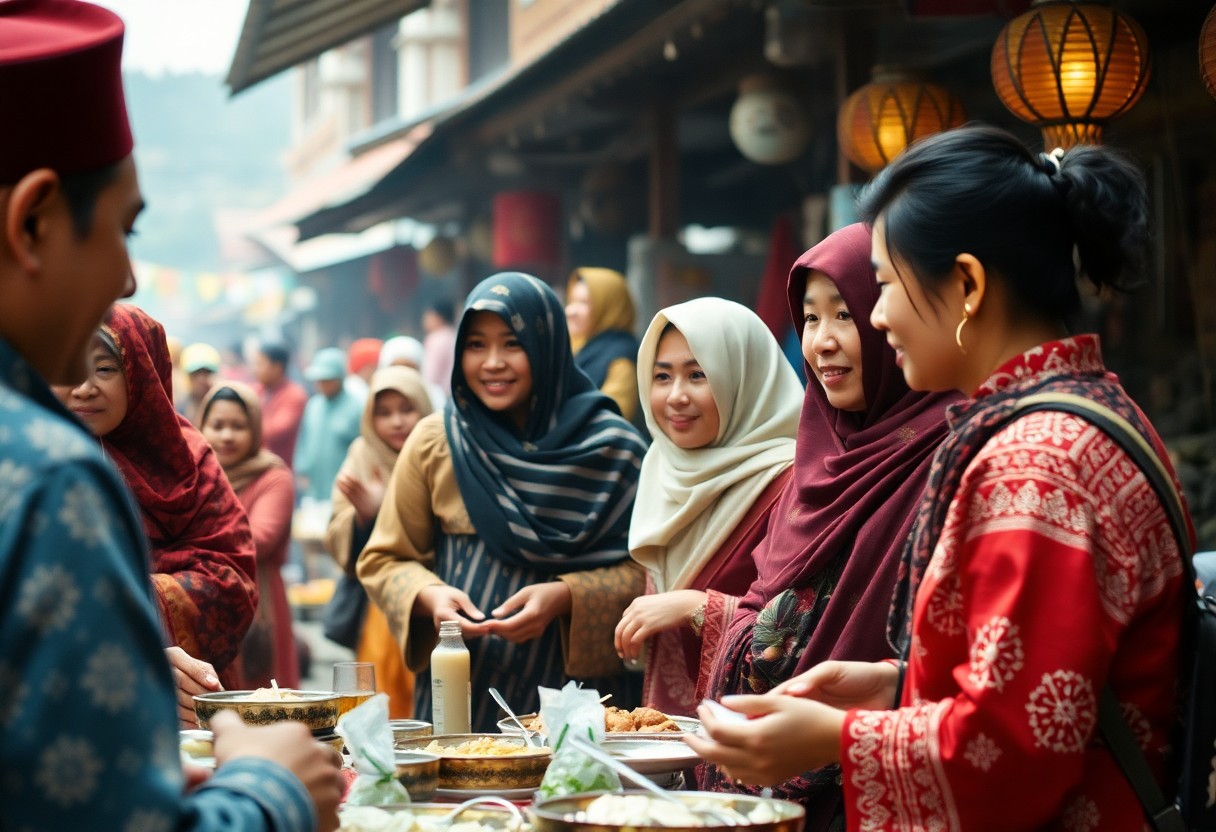
It’s crucial to understand and respect the diverse customs and traditions you will encounter as you explore the globe. With every destination offering unique cultural nuances, being aware of etiquette can enhance your travel experience and foster meaningful connections with locals. In this list, you’ll discover ten pivotal tips that will help you navigate social situations while showing genuine respect for the various cultures you immerse yourself in, ensuring your journeys are as enriching as they are enjoyable.
Key Takeaways:

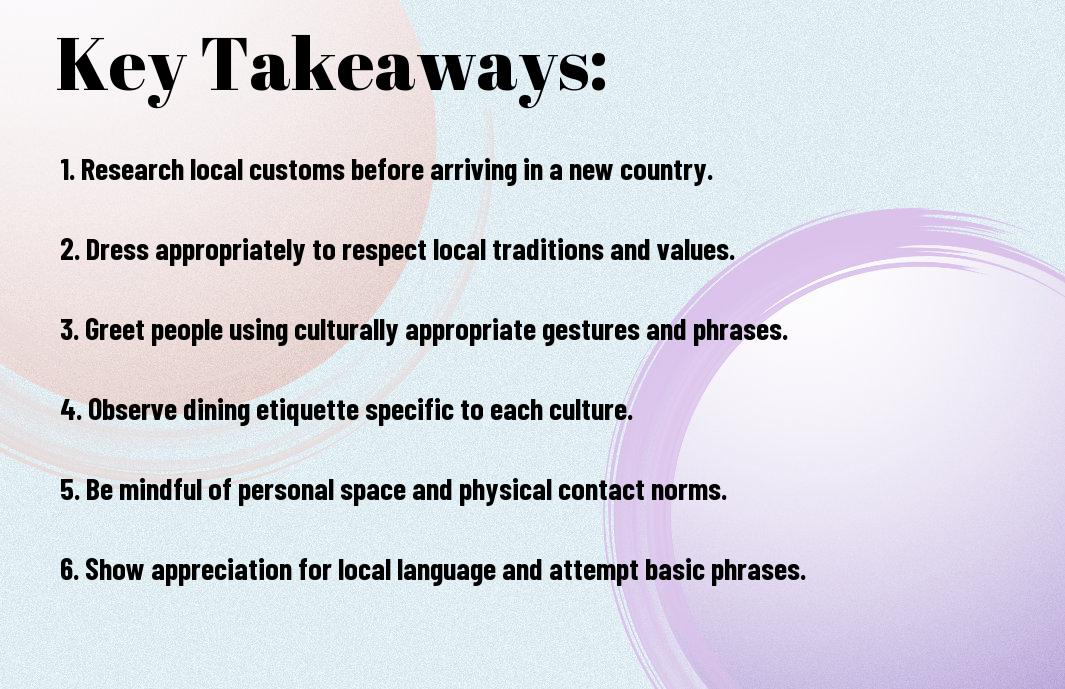
  • Research local customs before traveling to understand cultural norms and expectations.
  • Dress appropriately for the destination, as attire can vary greatly in different cultures.
  • Respect personal space and customs surrounding physical touch, as these can differ greatly across cultures.
  • Learn basic phrases in the local language; this shows respect and can enhance your interactions.
  • Understand gift-giving etiquette to avoid offending hosts during visits or social events.
Greetings Matter

For global travelers, greetings serve as the first impression, setting the tone for your interactions. Different cultures have unique ways of saying hello, which can profoundly influence your experience. By showing genuine interest in local customs, you foster goodwill and connection, creating a more enriching journey.

Use Local Greetings

Clearly, using local greetings is imperative in establishing rapport with the people you meet. Simple phrases like “Bonjour” in France or “Konnichiwa” in Japan can convey respect and appreciation for the culture. Take a moment to learn a few basic greetings in the language of the country you’re visiting; it shows effort and humility, creating a warm atmosphere.

Respect Personal Space

Clearly, understanding the boundaries of personal space is vital to navigating different cultures. What may be comfortable for you might feel invasive to someone from another country. Pay attention to the body language of the people around you and adjust your proximity accordingly. In some cultures, keeping a respectful distance is a sign of politeness.

The concept of personal space varies greatly across cultures, so it’s important to be observant. In Western cultures, people often prefer at least an arm’s length of distance, while in some Mediterranean and Middle Eastern countries, closer contact can be more acceptable. Being attuned to these differences can help you avoid misunderstandings and create a more favorable environment for communication and connection.

Table Manners

The way you conduct yourself at the dining table can greatly impact your interaction with local cultures. It’s crucial to be aware of different customs and practices regarding table manners, as they often vary significantly from one country to another. Observing local etiquette can foster goodwill and make your dining experiences more enjoyable.

Eat with etiquette

You should always familiarize yourself with the local dining customs before sitting down for a meal. This includes understanding how to use utensils properly, which hand to eat with, and whether to keep your elbows off the table. Engaging in the local dining traditions shows respect for the host and enhances your travel experience.

Wait for host

With cultural nuances in dining, it’s important to wait for the host to begin the meal before you start eating. This not only shows respect but also allows you to observe any specific rituals they may follow, such as prayers or toasts. In some cultures, starting to eat before the host signals a lack of manners.

You can enhance your dining experience by observing this simple guideline. Waiting for your host to indicate meal commencement reflects your understanding of their traditions and emphasizes the value of hospitality. By aligning your actions with local practices, you not only display respect but also open the door for meaningful conversation and connection during the meal.

Dress Appropriately

To ensure a positive impression while traveling, be mindful of your attire. Different cultures have varying expectations regarding dress, often influenced by local customs, climate, and the setting you are in. When visiting religious sites or formal events, it is especially important to dress conservatively and respectfully to show your appreciation for local traditions. By doing so, you demonstrate a commitment to understanding and valuing the culture you are engaging with.

Follow local customs

With every destination comes unique dress codes that reflect the values of the culture. To blend in seamlessly, take the time to research and adapt to local customs, such as covering shoulders and knees in conservative areas. Understanding these expectations can enhance your experience and foster positive interactions with locals.

Avoid offensive symbols

An important aspect of dressing appropriately is steering clear of symbols that may be deemed offensive or disrespectful in certain cultures. This includes clothing featuring controversial imagery, slogans, or designs that could provoke negative reactions. Being cautious about your clothing choices not only protects you but also showcases your sensitivity towards the beliefs and values of others.

Appropriately navigating the landscape of cultural symbols can significantly enrich your travel experience. Take the time to learn which symbols are revered and which are considered taboo in the cultures you are visiting. This awareness will not only help you avoid potential misunderstandings but will also allow you to show greater respect for the traditions that shape the local identity.

Gift Giving

All cultures have unique customs when it comes to gift giving, and being aware of these traditions can enhance your travels. In some countries, gifts are expected in certain situations, while in others, they may be reserved for special occasions. Understanding the local etiquette surrounding gift giving can help you build strong relationships and show respect to your hosts.

Know Cultural Significance

Significance varies widely across cultures, and understanding these nuances can deepen your experiences abroad. For instance, in Japan, the number four is associated with death, so avoid giving gifts in sets of four. Similarly, certain colors may carry different meanings; red is auspicious in Chinese culture, while white may symbolize mourning. Familiarize yourself with these cultural details to ensure your gift is well-received.

Present Gifts Properly

One vital aspect of gift giving is the presentation. In many cultures, the way you give a gift matters as much as the gift itself. For example, in Arab cultures, it is customary to present gifts with the right hand only, as the left hand is considered less clean. Furthermore, ensure your gift is beautifully wrapped; ornate packaging shows that you put thought and effort into the gift.

Plus, when presenting a gift, take the time to offer it with both hands for added respect in numerous Asian and African cultures. A sincere smile and a few words expressing your gratitude or best wishes can make the moment even more special. Be aware of your surroundings, as some cultures may prefer gifts to be opened in private, while others enjoy the custom of opening gifts in front of the giver. Tailoring your approach to local customs can lead to meaningful exchanges during your travels.

Photography Protocols

Many travelers are eager to capture the beauty and vibrancy of the cultures they encounter. However, understanding local photography protocols can make a significant difference in ensuring respectful interactions. Different cultures have varying perspectives on photography, so it’s imperative to familiarize yourself with these customs to avoid any missteps. Know when and where it’s appropriate to snap a photo to enhance your travel experience.

Ask before taking pictures

Little moments can turn into beautiful memories, but always seek permission before taking photos of individuals. People may have personal reasons for wanting to keep their image private, or they might appreciate your courtesy and be delighted to pose. This small act of respect not only gets you permission but can also lead to more meaningful interactions with the locals.

Avoid sensitive locations

While capturing the essence of a place is important, sensitive locations require special consideration. Religious sites, memorials, and other significant areas often enforce strict photography rules to maintain tranquility and respect. Familiarizing yourself with these restrictions ensures that you engage appropriately and sensitively in different cultural contexts.

Locations such as temples, cemeteries, and private properties often have unwritten rules about photography. It’s wise to observe the behavior of others or seek guidance from locals to gauge if photography is acceptable. Sometimes, taking a moment to appreciate the surroundings without a camera can lead to a deeper understanding of the culture. Show your respect by being observant and mindful of the context—this will enhance your travel experience while ensuring you are a responsible traveler.

Body Language

Despite sharing a common language, body language can vary widely across cultures. Understanding these nonverbal cues is crucial for effective communication while traveling. Different gestures, facial expressions, and postures often convey different meanings in various countries. By being mindful of these differences, you can foster positive interactions and avoid miscommunications that could lead to unforeseen conflicts.

Research Meanings

Meanings behind gestures can differ significantly between cultures, making research crucial before your travels. For example, a thumbs-up is considered a positive nod in many Western nations but is offensive in some Middle Eastern countries. Engaging with cultural resources, guides, or language apps can help you grasp the local interpretations of body language and ensure respectful interactions.

Avoid Offensive Gestures

An understanding of local customs helps you avoid gestures that might be misinterpreted or deemed offensive. Each culture has its own set of social norms regarding body language, and what may seem innocuous to you could be offensive elsewhere.

To prevent unintentional faux pas, take the time to familiarize yourself with the cultural nuances of your destination. Simple actions, such as pointing with your palm facing down instead of up or avoiding direct eye contact in certain settings, can make a significant difference. Always approach interactions with curiosity and openness, and you’ll create a more respectful environment that fosters goodwill and connection.

Punctuality Expectations

After planning your travels, it’s important to understand the varying expectations around punctuality in different cultures. In some countries, being on time is a sign of respect, while in others, a more relaxed approach is taken. By familiarizing yourself with these norms, you can navigate social interactions with ease and demonstrate cultural sensitivity.

Be on time

Clearly, being punctual is often viewed as a positive trait. In cultures such as German and Swiss, timeliness reflects professionalism and values. Arriving late may lead to disappointment or give the impression that you’re uninterested. To make a good impression, ensure you plan accordingly and arrive at your destination on time.

Consider cultural norms

Any traveler should consider the cultural context when it comes to punctuality. In some regions, like Italy or Spain, a more relaxed attitude toward time is the norm, and being slightly late can actually be acceptable. Understanding these differences will help you build rapport with locals and feel more at ease in social situations.

Plus, embracing these cultural norms can enhance your travel experience. Engaging in local practices allows you to connect with people on a deeper level and lets you enjoy your journey to the fullest. By adapting your approach to punctuality based on your destination, you demonstrate respect for local traditions and help foster positive relationships with those you meet along the way.

Conversation Topics

Once again, navigating conversation topics while traveling can enhance your social interactions and create lasting connections. Being mindful of local customs helps you initiate meaningful dialogues and fosters goodwill. Engage in discussions that reflect local culture, such as cuisine, traditions, and festivals, to show your interest and respect. This approach not only enriches your experience but can lead to deeper insights into the community you’re visiting.

Avoid Taboo Subjects

Even in casual chats, certain topics can be sensitive or offensive, varying widely across cultures. It’s wise to avoid discussions about politics, religion, or personal finances, as these subjects can lead to discomfort or misunderstandings. Focus instead on light-hearted or neutral topics that everyone can appreciate, ensuring a pleasant interaction for all parties involved.

Engage in Local Interests

You should seek out topics that resonate with the local community and its interests. This includes local traditions, favorite sports, or popular hobbies. By showing genuine curiosity about these aspects, you not only enrich your travel experience but also create a rapport with locals, allowing for more authentic conversations. Ask questions about their local cuisine or events happening during your visit, which can lead to exciting exchanges and even invitations to participate.

Taboo subjects can often lead to misunderstandings and awkward encounters, making it imperative to approach conversations with sensitivity. Instead, make an effort to familiarize yourself with the region’s activities and interests, as this allows for smoother communication. By discussing widely embraced and positive experiences, such as local art, music, or landmarks, you create a welcoming environment. This openness can lead to invitations and shared experiences, enhancing your understanding and appreciation of the local culture.

Public Behavior

Now that you’re prepared for your travels, it’s crucial to understand the norms surrounding public behavior in your destination. Each culture has its own set of expectations regarding how to conduct yourself in public spaces. Being mindful of local sensitivities and practicing appropriate manners can enhance your experience and foster positive interactions with the locals.

Maintain Decorum

An crucial aspect of public behavior is maintaining decorum. This involves dressing appropriately for the location, using polite language, and managing your volume. Observing how others behave can provide you with valuable insights into the acceptable standards in that environment.

Respect Local Customs

Now, respecting local customs can significantly impact your travel experience. Engaging with the culture in a respectful manner helps you build connections and avoid misunderstandings.

For instance, in many Asian countries, it is common to remove your shoes before entering someone’s home, while in certain Middle Eastern cultures, it’s crucial to dress conservatively in public. Understanding these practices and adhering to them demonstrates your respect for the local culture and can open doors to richer interactions with the community, further enriching your travel experience.

Conclusion

As a reminder, navigating cultural etiquette is crucial to ensuring positive interactions during your travels. By being aware of local customs, respecting traditions, and adapting your behavior accordingly, you enhance not only your experience but also foster goodwill with those you meet. Your attentiveness to cultural nuances can lead to more meaningful connections and memorable experiences, making your journey more enriching. Embrace the diversity of the world and let your respect for different cultures guide you on your travels.

Q: What is the importance of understanding cultural etiquette when traveling?

A: Understanding cultural etiquette is significant for global travelers as it helps in building respectful relationships with locals. Knowing accepted customs and behaviors can enhance your travel experience by making interactions smoother and more enjoyable. It allows travelers to engage more deeply with the culture, fosters mutual respect, and can even lead to more meaningful exchanges. Additionally, being aware of etiquette can prevent misunderstandings or unintentional offenses that may arise from cultural differences.

Q: How does body language differ across cultures and why is it important?

A: Body language variations can be quite pronounced across different cultures. For instance, a gesture like a thumbs-up may be seen as positive in some countries but could be offensive in others. Understanding these differences is necessary as body language can convey messages even more powerfully than words. By being conscious of local body language conventions, travelers can better interpret social cues and avoid miscommunication. It enhances interactions by ensuring that non-verbal messages align with verbal communication.

Q: What are some common dining etiquette practices that travelers should be aware of?

A: Dining etiquette can vary dramatically from one culture to another. For example, in some Asian cultures, finishing all the food on your plate may signal that you were not given enough, while in others, it may be seen as polite. Additionally, the use of utensils varies, with some cultures using chopsticks, others relying solely on hands, and some preferring forks and knives. Being mindful of these practices can show respect for local traditions and enhance one’s dining experience. Observing locals and following their lead is often a good strategy when unfamiliar with a region’s dining customs.
How to Experience Local Culture When Traveling Internationally

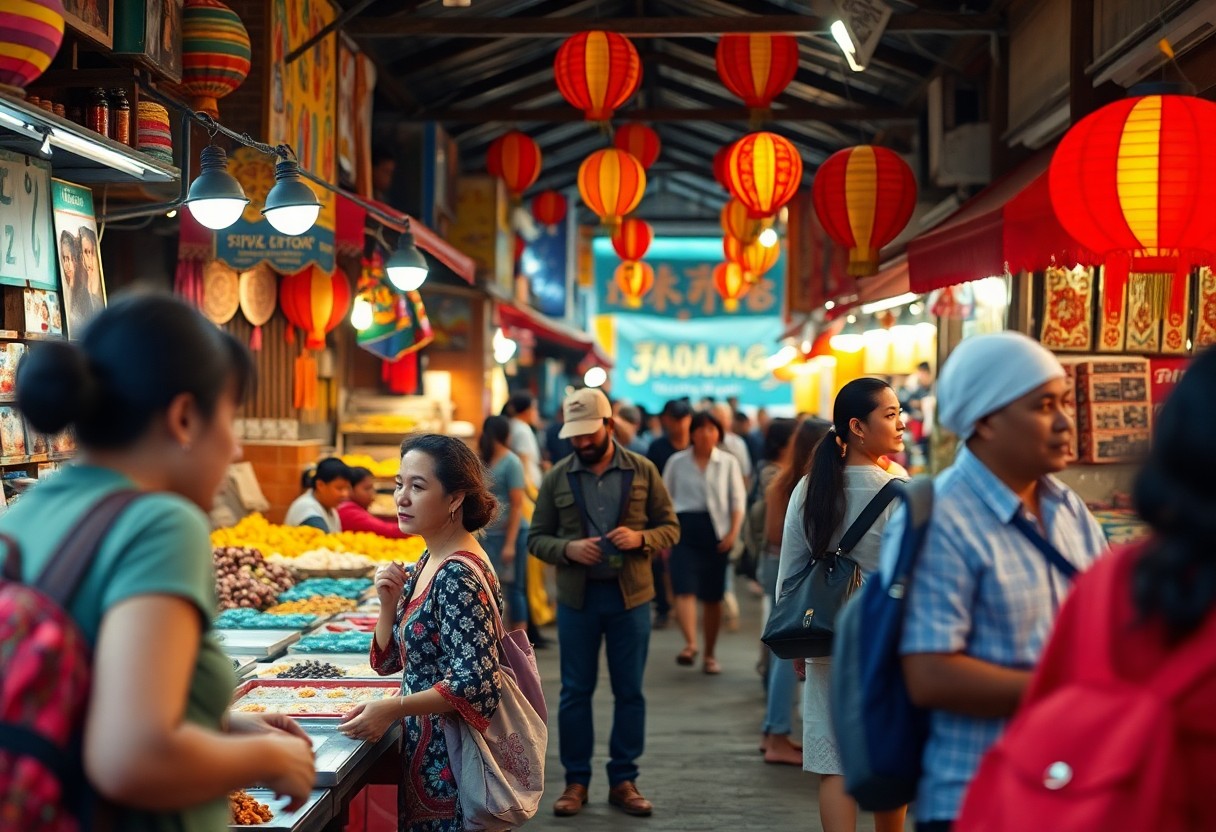
Experience the vibrant tapestry of local culture by immersing yourself in the traditions and daily lives of the places you visit. Engaging with your surroundings not only enriches your travels but also fosters meaningful connections with the people you encounter. From savoring authentic cuisine to participating in cultural ceremonies, this guide will provide you with practical tips on how to dive deep into the heart of local life, enhancing your journey and broadening your perspective. Prepare to create unforgettable memories that go beyond typical tourist paths.

Key Takeaways:

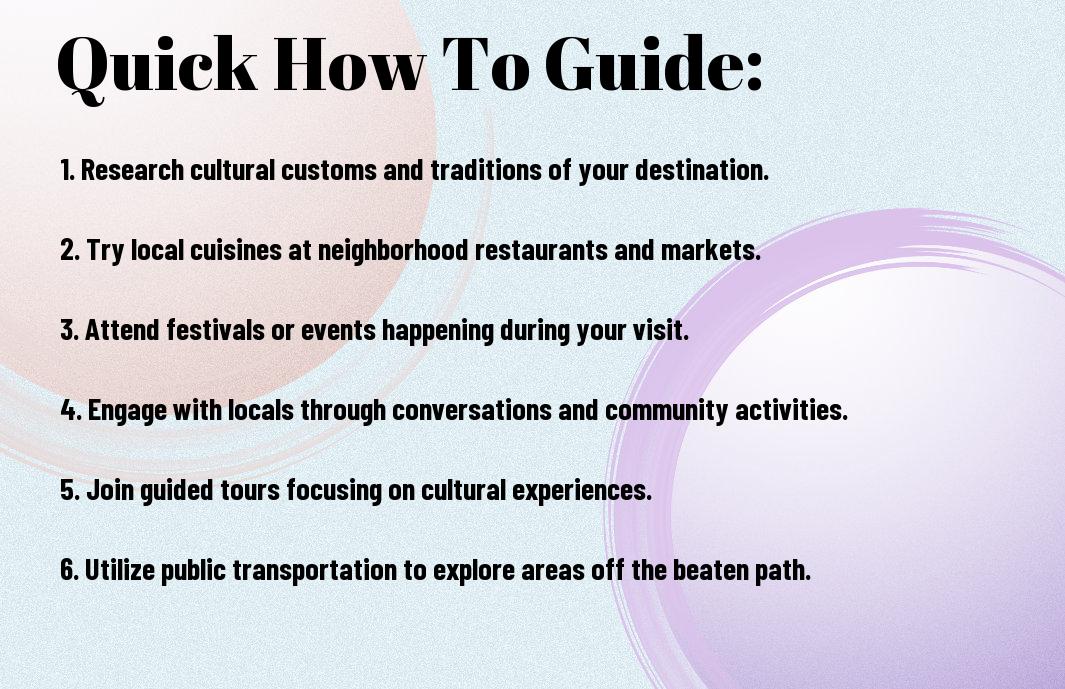
  • Engage with Locals: Strike up conversations with residents to gain insights into their daily lives and traditions.
  • Try Authentic Cuisine: Explore local eateries and markets to experience traditional dishes that reflect the region’s flavor and culture.
  • Participate in Cultural Activities: Attend local festivals, workshops, or performances to immerse yourself in the cultural arts and practices of the area.
  • Visit Historic Sites: Explore museums, heritage sites, and landmarks that provide context about the region’s history and societal evolution.
  • Learn the Language: Familiarize yourself with basic phrases in the local language to enhance your interactions and show respect to the culture.

Understanding Local Culture

Before initiateing on your journey, immersing yourself in the local culture can vastly enrich your travel experience. Take the time to learn about traditions, customs, and social norms, as this knowledge will help you navigate interactions and deepen your appreciation for the destination you are visiting.

Factors Influencing Culture

Clearly, numerous factors shape the culture you will encounter, including:

  • Historical events
  • Geographic location
  • Religion and belief systems
  • Language and communication styles
  • Economic conditions

Any understanding of these elements will enhance your ability to engage meaningfully with local traditions and values.

Importance of Cultural Awareness

Awareness of cultural differences is key to building respectful relationships during your travels. When you approach new cultures with knowledge and sensitivity, not only do you avoid misunderstandings, but you also create opportunities for enriching exchanges with locals.

The more informed you are about the culture you are visiting, the more likely you are to have positive interactions and experiences. This cultural fluency can help you navigate social situations, demonstrate respect, and foster connections with the local community, leaving you with lasting memories of your travels. By showing genuine interest in local customs, you encourage authentic exchanges and mutual understanding.

Before You Travel

Any successful trip begins long before you board your flight. Prior planning allows you to dive deeper into the local culture of your destination and can significantly enhance your overall travel experience. From researching pertinent customs to identifying hidden gems, the groundwork you lay can open doors to authentic interactions and connections with the local community.

Researching Your Destination

Little planning can go a long way in immersing yourself in the culture of your destination. Explore local customs, traditions, and daily life through books, articles, and travel blogs. Understanding where you’re going will not only enrich your experience but also show respect to the locals you encounter, leading to more authentic interactions and memorable moments.

Learning Basic Local Phrases

There’s immense value in learning a few basic phrases of the local language. Simple greetings and polite expressions can dramatically enhance your interactions with locals, making them feel appreciated and encouraging a warmth that goes beyond mere tourism. Mastering phrases like “hello,” “thank you,” and “please” opens the door to deeper conversations and a more genuine connection with the community.

To effectively communicate and show respect for the local culture, focus on a handful of important phrases even before your trip. Resources such as language apps, online tutorials, or phrasebooks can help you pick up these basics quickly. Practicing pronunciation and using these phrases during your travels can create a friendly atmosphere and encourage locals to engage with you, enriching your experience significantly.

Engaging with Locals

To truly immerse yourself in a destination’s culture, engaging with locals is important. By striking up conversations, asking questions, and being open to new experiences, you can gain insight into the daily lives and traditions of the people who call that place home. This authentic interaction can enhance your travel experience and help you create meaningful connections.

Tips for Making Connections

If you want to foster genuine connections with locals, consider these tips:

  • Learn a few key phrases in the local language.
  • Visit local cafes and markets.
  • Participate in guided tours led by residents.
  • Take part in classes or workshops.

Knowing how to promote authentic exchanges can open doors and create lasting memories.

Participating in Community Events

Locals often invite travelers to join in on various community events, such as festivals, markets, or craft fairs. Participating in these gatherings allows you to experience the local customs, taste traditional foods, and even learn about arts and crafts unique to the region.

Understanding the significance of these events is vital; they often showcase the cultural heritage and traditions that shape the identity of the community. By attending, you not only support local artisans and businesses but also gain a deeper appreciation for the local culture. Engaging in these activities allows you to share joyful moments with residents, fostering connections that enrich your travels and contribute to a more profound insight into their way of life.

Seeking Authentic Experiences

After immersing yourself in a new destination, seek out experiences that allow you to connect with the local culture on a deeper level. Engage with local artisans, participate in traditional cooking classes, or attend community events. By doing so, you’ll gain unique insights and form genuine connections that go beyond the typical tourist itinerary, enriching your travel experience and broadening your perspective on life in that region.

Choosing Local Accommodations

With your travel plans in place, consider choosing local accommodations such as guesthouses or homestays instead of international hotel chains. This will not only enhance your experience by providing you with authentic local hospitality, but it will also support the local economy. You may find that these settings offer invaluable insights from the hosts, including dining recommendations and hidden gems that tourists often overlook.

Exploring Non-Touristy Areas

Now, venture beyond the well-trodden paths to explore non-touristy areas. This is where you can truly witness the local lifestyle, interact with residents, and discover authentic gems that are often missed by visitors. Whether it’s a quiet neighborhood market or a lesser-known cultural site, you’ll gain a richer understanding of the destination.

Understanding these non-touristy areas can provide you with a sense of the local community’s daily life and traditions. Instead of following the ordinary tourist trails, seek out parks, community centers, and cafes where locals spend their time. Talk to the vendors and residents to learn their stories, and explore markets where you can taste local delicacies or purchase handmade crafts. You’ll often find that these hidden spots yield the most memorable experiences and allow you to appreciate the culture in ways that mainstream attractions can’t.

Trying Local Cuisine

For an authentic travel experience, indulging in local cuisine is imperative. Savoring traditional dishes not only delights your palate but also immerses you in the culture and history of the destination. To deepen your understanding, check out How do you experience local culture? : r/solotravel to discover tips from fellow travelers on embracing these culinary adventures.

Finding Authentic Restaurants

Assuming you want to taste the real essence of a region, seek out local eateries rather than international chain restaurants. Look for places where locals dine; often, smaller, family-operated spots serve traditional dishes prepared with love and local ingredients. Exploring markets and asking locals for recommendations can lead you to hidden culinary gems.

Learning About Local Food Traditions

With a deeper examine the local food traditions, you can enrich your culinary experience. Attend food festivals, join cooking classes, or participate in guided culinary tours to understand the cultural significance behind each dish. Engaging with chefs and local food enthusiasts will enhance your appreciation of the flavors and ingredients that define the cuisine.

Finding opportunities to explore local food traditions helps you connect with the community and understand their lifestyle. Look for workshops that teach you how to prepare traditional dishes, or visit farms to see where ingredients come from. This hands-on experience allows you to appreciate the stories behind the meals, celebrating the culture in a tangible way while broadening your culinary horizons.

Respecting Cultural Norms

Not engaging with local customs can lead to misunderstandings and unintended offense. When traveling internationally, taking the time to respect cultural norms shows your appreciation for the place and its people. From dressing appropriately at religious sites to following local greetings and dining practices, a little effort goes a long way in fostering goodwill and enriching your travel experience.

Understanding Etiquette

Assuming that etiquette is universal can lead you astray. Each culture has its own set of norms that dictate behavior in various situations. Before you arrive, research common practices and expectations in the country you are visiting. This shows respect and allows you to connect more deeply with local people.

Navigating Cultural Sensitivities

Little nuances can significantly impact how you are perceived in a foreign culture. Being aware of cultural sensitivities means understanding what topics might be considered taboo or offensive, such as politics or religion. This awareness allows you to engage meaningfully while avoiding potential pitfalls that could disrupt your experience.

Norms surrounding cultural sensitivities can vary widely, so it’s necessary to approach conversations with an open mind. In some cultures, indirect communication is preferred, while others may value frankness. Observing how locals interact with one another can guide you on how to navigate discussions. Additionally, being receptive to feedback will help you adjust your approach and foster authentic connections.

Conclusion

The key to experiencing local culture when traveling internationally lies in your willingness to engage authentically with your surroundings. By immersing yourself in local customs, trying traditional foods, learning key phrases of the native language, and participating in community events, you can enrich your travel experience. Embrace the opportunity to connect with locals, explore lesser-known sites, and allow your journey to be shaped by the culture around you. This thoughtful approach not only enhances your understanding but also creates lasting memories unique to each destination.

Q: How can I find authentic local experiences while traveling?

A: One of the best ways to discover authentic local experiences is by engaging with local residents. Consider participating in community events or festivals, as these often provide unique insights into local customs. You can also use platforms like Airbnb Experiences or local tour companies that offer guided tours led by residents. Exploring local markets, dining at family-owned restaurants, and asking locals for recommendations are excellent ways to immerse yourself in the culture.

Q: What are some respectful ways to engage with local traditions and customs?

A: To engage respectfully with local traditions, start by doing some research about the culture you are visiting. Understanding local etiquette—such as dress codes for religious sites, manners at dinner, or customary greetings—helps you navigate interactions more smoothly. When participating in activities like traditional ceremonies or rituals, express genuine interest and follow local guidelines. It’s vital to approach these experiences with an open mind and a willingness to learn, inviting deeper interactions with the community.

Q: How can I support the local economy while experiencing the culture?

A: Supporting the local economy can be achieved by choosing local businesses over international chains. Seek out locally owned shops, restaurants, and artisans when shopping or dining. Opt for locally sourced tours or workshops, such as cooking classes or craft sessions, where you can learn directly from residents. Additionally, purchasing handmade souvenirs instead of mass-produced items contributes to the livelihood of local craftsmen and artists, ensuring that your travel supports the community in a meaningful way.

How to Deal with Culture Shock When Traveling Abroad

Over time, you may find that traveling abroad exposes you to cultural differences that can be both exciting and overwhelming. Culture shock is a common experience for many travelers, and understanding how to navigate it can enhance your journey. In this guide, you will learn practical tips and strategies to manage feelings of disorientation and frustration, so you can fully appreciate the diverse world around you. Embrace this opportunity for personal growth and gain valuable insights that will enrich your travels.

Key Takeaways:

  • Preparation: Familiarize yourself with the culture, customs, and language of the destination to reduce the intensity of culture shock.
  • Open-mindedness: Approach new experiences with curiosity and a willingness to learn, which can enhance your travel experience.
  • Establish connections: Seek out local friends or fellow travelers to share experiences, which can provide support during challenging moments.
  • Practice self-care: Take time for yourself, engage in activities you enjoy, and maintain routines to manage stress and feelings of disorientation.
  • Patience: Allow yourself time to adapt to the new environment and understand that adjusting takes effort and may not happen overnight.

Understanding Culture Shock

While traveling abroad can be an exciting adventure, it often comes hand-in-hand with culture shock. This phenomenon occurs when you encounter unfamiliar customs, practices, and societal norms that can feel overwhelming. Understanding culture shock is crucial for managing its effects and adapting to your new environment effectively. Recognizing its presence in your journey can facilitate a smoother transition into the culture you’re experiencing.

Definition and Stages

Clearly, culture shock is a psychological and emotional response to experiencing a different culture. It typically unfolds in four stages: the honeymoon phase, where everything feels exciting; the frustration stage, characterized by feelings of isolation; the adjustment phase, where you begin to adapt; and finally, the acceptance stage, where you feel comfortable in your new surroundings.

Common Symptoms

Clearly, the symptoms of culture shock can vary widely among individuals, but you may experience a range of emotional and physical reactions. Symptoms can include anxiety, homesickness, irritability, depression, and even physical symptoms such as headaches or fatigue.

Definition of common symptoms highlights how you may feel out of your element when faced with new customs and communication styles. These emotions might manifest as frustration or sadness as you navigate through the cultural differences. You might also feel disoriented, struggling to understand or participate in social interactions. As you experience culture shock, it’s vital to acknowledge these feelings and remember that they are a normal part of adjusting to a new environment.

Factors Influencing Culture Shock

Now that you are aware of the concept of culture shock, it’s important to identify the various factors that influence your experience. These factors can shape how you perceive and adapt to new cultures, including:

  • Your previous travel experience
  • The length of your stay
  • The type of environment you are in (urban vs. rural)
  • Your individual personality traits
  • The level of cultural difference

Perceiving these factors will help you navigate culture shock more effectively.

Cultural Differences

Little things can trigger culture shock, from language barriers and food preferences to social norms and gestures. These differences can create feelings of frustration or disorientation, making it important to approach these cultural elements with an open mind. Understanding and embracing these variances can greatly enhance your experience abroad.

Personal Expectations

Expectations play a vital role in your travel experience and can significantly influence your reaction to culture shock. When you anticipate a specific experience or outcome, any deviation can lead to disappointment or discomfort.

It’s natural to have certain expectations about how your travel will unfold, influenced by media representations and personal desires. However, adjusting these expectations to allow for flexibility helps lessen the impact of culture shock. Being prepared for surprises and embracing the unknown can lead to enriching experiences as you immerse yourself in new cultures.

How to Prepare for Cultural Differences

Once again, preparing for cultural differences is necessary to ensure a more enjoyable and respectful travel experience. Familiarizing yourself with local customs and practices can help you navigate new environments and avoid unintended misunderstandings. Take the time to learn about the country’s social etiquette, dressing norms, and dining manners to enhance your interactions and demonstrate your respect for their culture.

Researching Local Customs

Some travelers find it beneficial to research and understand the customs of the destination they’re visiting. This may include greeting gestures, acceptable topics of conversation, and general behavior in public spaces. Knowing these cultural nuances not only helps you feel more at ease, but also allows you to engage with locals in a more respectful manner.

Learning Key Phrases

Even learning a few key phrases in the local language can significantly enhance your trip. Simple greetings, expressions of gratitude, and polite requests can build rapport and create more positive interactions with locals.

To effectively learn key phrases, consider using language apps, online resources, or phrasebooks to get familiar with necessary terms. Practice saying these phrases out loud to build your confidence in speaking. Basic conversational skills can open doors for meaningful connections and enrich your travel experience, making you feel more connected to the culture around you.

Tips for Coping with Culture Shock

For those navigating culture shock, it’s imperative to adopt effective coping strategies. Consider these tips to ease your transition:

  • Familiarize yourself with local customs and traditions.
  • Stay flexible in your expectations.
  • Engage with locals and fellow travelers.
  • Keep a journal to process your feelings.
  • Practice self-care and seek support when needed.

Knowing these strategies can help you adjust and enrich your travel experience.

Staying Connected with Home

Shock can set in when you feel disconnected from your familiar surroundings. To combat this, make an effort to stay in touch with family and friends back home. Use video calls, social media, or messaging apps to maintain those relationships, and share your experiences to feel more grounded. Engaging in familiar routines, like enjoying a home-cooked meal or listening to your favorite music, can also help ease feelings of nostalgia.

Keeping an Open Mind

One way to mitigate culture shock is by keeping an open mind regarding new experiences. Embrace differences rather than resisting them, and approach every situation with curiosity. This mindset allows you to appreciate the richness of diverse cultures and the learning opportunities they offer.

Keeping an open mind means actively seeking out new experiences rather than judging them through a lens of familiarity. Be willing to try local foods, participate in cultural events, and learn the language—even if it’s just a few words. Understanding that culture is layered and complex will enrich your journey and help you build connections with those around you. Embracing differences can turn potential discomfort into a rewarding experience that broadens your perspective.

Strategies for Adjustment

To effectively adjust to a new culture, immerse yourself in local customs and routines. Take small steps, such as trying local food, learning a few phrases in the language, and participating in community activities. Being open-minded and patient will help you navigate the initial challenges, eventually making your experience enjoyable and enriching.

Engaging with Locals

Any opportunity to connect with locals can help you gain insights into their way of life. Engage in conversations, attend community events, or join local clubs and groups. These interactions can offer you a deeper understanding of cultural nuances and foster lasting friendships, making your time abroad more rewarding.

Finding Support Groups

On your journey, finding support groups can provide a safe space to share experiences and feelings related to culture shock. Connecting with others who are facing similar challenges makes you feel less isolated and more understood, which is necessary for your emotional well-being while adjusting.

Another way to find support groups is by exploring online forums or social media platforms. Look for expat communities, travel groups, or cultural organizations specific to your destination. Engaging in these spaces allows you to share experiences, seek advice, and connect with others who understand what you’re going through, helping you adapt more comfortably to your new environment.

Long-term Solutions for Adapting

Unlike a brief visit, long-term travel can intensify feelings of culture shock. To effectively adapt, you should seek Coping with Culture Shock strategies that involve gradual immersion into the local culture. Engage with local communities, learn the language, and embrace the differences that come your way. Over time, your discomfort will transform into understanding and appreciation, helping you build a fulfilling experience abroad.

Developing Cultural Competence

Cultural competence involves understanding and engaging with the nuances of the local culture. By learning about societal norms, traditions, and etiquette, you enhance your ability to communicate and connect with locals. Engaging with diverse perspectives through books, podcasts, or conversations will enrich your experience and help you adapt more smoothly.

Embracing New Experiences

For effective adaptation, it’s important to embrace new experiences as they arise. Trying local foods, participating in cultural events, and meeting new people will not only broaden your horizons but also help you assimilate into your new environment. This open-minded approach fosters resilience and transforms challenges into opportunities for growth.

Plus, stepping out of your comfort zone can lead to unexpected adventures and friendships that deepen your understanding of the culture. Seek out local workshops, volunteer opportunities, or community gatherings to fully immerse yourself. You’ll find that each new experience not only helps you acclimate but also creates lasting memories and connections, enriching your journey abroad.

To wrap up

The key to effectively dealing with culture shock while traveling abroad is to stay open-minded and flexible. Acknowledge your feelings and give yourself permission to adjust at your own pace. Engage with locals, immerse yourself in the culture, and seek out familiar comforts when needed. By maintaining a positive outlook and actively embracing your new environment, you can turn potential challenges into enriching experiences that enhance your journey.

FAQ

Q: What are the common signs of culture shock when traveling abroad?

A: Culture shock can manifest in various ways, and some common signs include feelings of disorientation, anxiety, homesickness, irritability, and difficulty adapting to new surroundings. You might find yourself struggling with language barriers, experiencing frustration over unfamiliar customs or social norms, or feeling isolated from locals. These feelings can be overwhelming but are quite normal during the adjustment period.

Q: How can I prepare myself to cope with culture shock before traveling?

A: Preparation is key in managing culture shock. Start by researching the country you plan to visit, including its customs, social etiquette, and local traditions. Familiarizing yourself with basic phrases in the local language can also be beneficial for easier communication. Additionally, consider connecting with locals or other travelers online to gain insights about their experiences. If possible, try to immerse yourself in similar cultural environments before your trip, which can help ease the transition.

Q: What strategies can I use to overcome culture shock while I’m abroad?

A: To adapt to a new culture, engage actively with your surroundings. Make an effort to meet locals, try new foods, and participate in local events or activities. Keeping a journal can be helpful in processing your experiences and emotions. Finding a support network, be it other travelers or expats, can also provide comfort and encouragement. It’s important to give yourself time to adjust and seek professional support if feelings become overwhelming.

Top 10 Festivals Around the World You Shouldn’t Miss

Over the years, festivals have become a remarkable way to celebrate culture, heritage, and community spirit around the globe. Whether you’re seeking vibrant parades, breathtaking performances, or mouthwatering cuisine, the right festival can offer you a unique glimpse into the heart of a destination. In this list, we’ll guide you through the top 10 festivals that you simply cannot afford to miss, helping you create unforgettable experiences on your travels. Grab your passport and get ready to immerse yourself in the festivities of a lifetime!

Key Takeaways:

  • Diverse Experiences: Festivals across the globe showcase a rich variety of cultures and traditions, offering unique experiences for attendees.
  • Iconic Locations: Many of the top festivals are set in breathtaking locations, providing not only entertainment but also stunning backdrops.
  • Music and Art: A majority of the festivals feature live music and art installations, creating an immersive sensory experience for visitors.
  • Local Cuisine: Enjoying local food and beverages is a highlight at these festivals, giving attendees a taste of regional flavors.
  • Community and Celebration: These events often foster a sense of community and celebration, bringing people together from diverse backgrounds.

Carnival, Rio de Janeiro

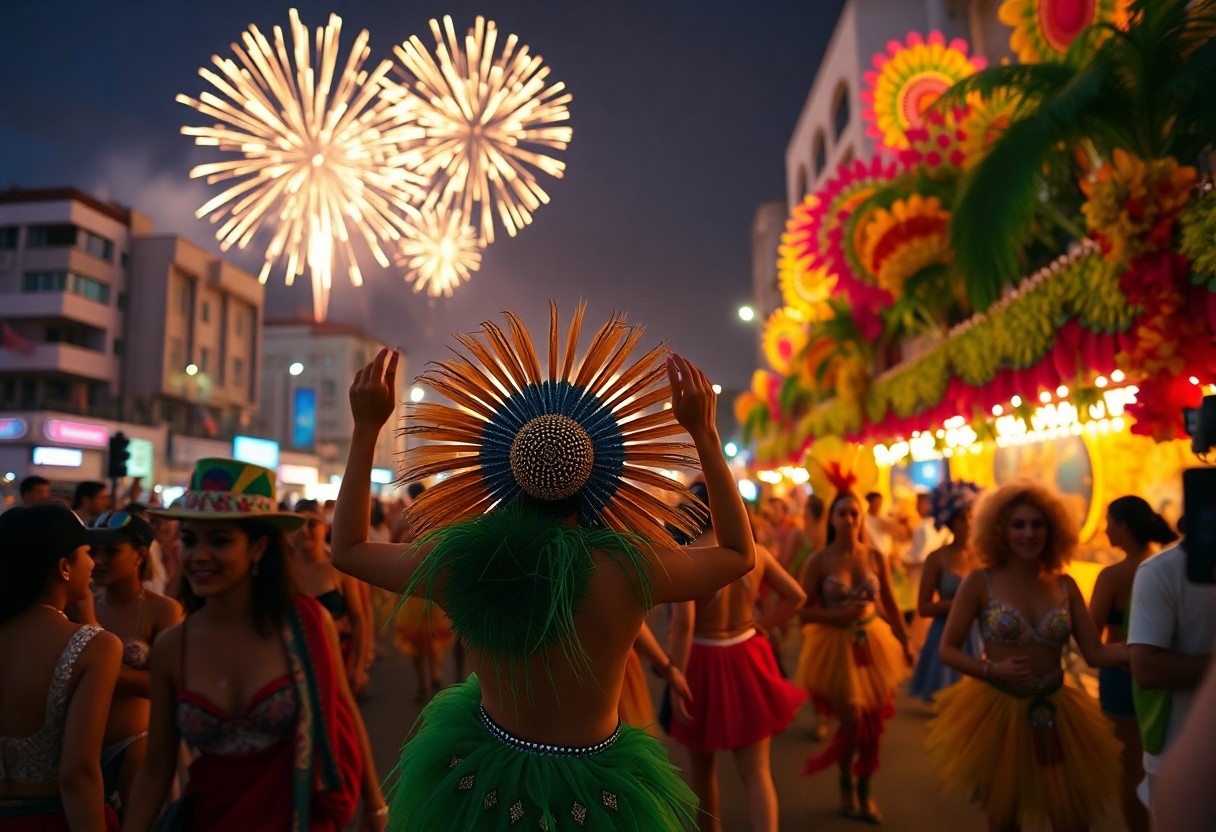
While you might know Rio de Janeiro for its stunning beaches and vibrant culture, nothing compares to the exhilarating energy of Carnival. This world-famous festival transforms the city into a dazzling spectacle of color, rhythm, and joy, typically taking place in February or March. As you immerse yourself in the festivities, you’ll witness the incredible artistry of float design, the eye-catching costumes, and the communal spirit that brings thousands together in a celebration of life and culture.

Colorful parades

Some of the most iconic memories you’ll take home from Rio’s Carnival will come from the colorful parades that grace the Sambadrome. Each parade features elaborate floats and samba schools, showcasing impressive choreography and storytelling through dance. As you stroll along the streets, the vibrant colors and intricate designs mesmerize you, creating an unforgettable visual experience.

Samba music

The infectious beats of samba music are at the heart of Rio’s Carnival, captivating all who join the celebration. The rhythm will draw you in, igniting a passion for this Brazilian genre that you’ll carry long after the festival ends. From traditional samba to contemporary interpretations, each sound captures the spirit of the culture and its festive essence.

For instance, as you listen to the live bands and an enthusiastic crowd, you’ll notice how samba’s syncopated rhythms and joyful melodies encourage you to dance along with everyone around you. This genre, deeply rooted in Afro-Brazilian history, embodies the warmth and fun of the Carnival experience. The electric atmosphere, combined with the artistry of samba, makes you feel right at home among the celebrants, further enhancing your Carnival adventure.

Diwali, India

Even if you’ve never been to India, experiencing Diwali, the Festival of Lights, should be on your travel bucket list. This vibrant celebration symbolizes the victory of light over darkness and good over evil. Held annually, Diwali features breathtaking firework displays, dazzling decorations, and a spirit of joy that fills the air. You’ll find yourself immersed in a rich tapestry of tradition, delicious food, and colorful festivities that truly embody Indian culture.

Festival of Lights

Any visit to India during Diwali is a feast for the senses, as cities shine with millions of twinkling lights and illuminated oil lamps. Streets are adorned with intricate rangoli designs made from colored powders and flowers, while homes radiate warmth and welcome. The atmosphere is electric as families gather to light fireworks and partake in joyful celebrations, reminding you of the beauty of unity and joy.

Family Gatherings

Festival of family gatherings is an integral part of Diwali, where you can enjoy the warmth of togetherness and shared joy. Families come together to prepare elaborate feasts, exchange gifts, and participate in rituals that strengthen bonds and create lasting memories. This treasured time fosters connection and love, reminding you of the importance of family ties in celebrating life’s moments.

With every home filled with laughter and love, Diwali gatherings are a rich blend of tradition and festivity. You will find families sharing stories, preparing mouthwatering sweets, and lighting diyas together, each moment steeped in meaning. The joy of being surrounded by loved ones as you celebrate this vibrant festival creates an unforgettable atmosphere, making you feel connected to the heart of Indian culture.

Oktoberfest, Germany

Not many festivals can boast the rich history and vibrant atmosphere of Oktoberfest in Germany. This 16- to 18-day festival, held annually in Munich, celebrates everything beer, Bavarian culture, and lively gatherings of friends and families. As one of the world’s largest folk festivals, it attracts millions of visitors eager to partake in the merriment and indulge in traditional German hospitality.

Beer drinking

One of the highlights of Oktoberfest is, without a doubt, the vast selection of beer. You’ll find yourself immersed in a variety of local brews served in standard one-liter steins, showcasing the rich brewing tradition that Bavaria is famous for. Cheers to unforgettable moments shared over delicious pints!

Traditional foods

To complement the refreshing beers, Oktoberfest offers a delectable array of traditional German foods. From scrumptious pretzels to hearty sausages, you won’t go hungry while enjoying the festivities. The flavors will delight your palate and enhance your experience of this iconic celebration.

Any visit to Oktoberfest would be incomplete without indulging in its iconic culinary offerings. You can savor flavors like crispy pork knuckles, the world-famous Weisswurst, and various regional sausages, all prepared with authentic Bavarian techniques. The mouth-watering aromas fill the air, and you’ll find it hard to resist trying everything on offer. Pair your meal with a sweet pretzel, and you have the perfect Oktoberfest feast to accompany your stein of beer!

Holi, India

Unlike any other festival, Holi in India showcases vibrant colors and joyous celebrations. This ancient festival signifies the arrival of spring and the triumph of good over evil, inviting you into a world of euphoric merriment. As you participate, you’ll experience communal harmony, taste traditional sweets, and revel in the beautiful chaos of color.

Color throwing

There’s nothing quite like the exhilarating experience of throwing colored powders during Holi. You can feel the energy around you as friends and strangers alike partake in this playful ritual, drenching each other in bright hues that symbolize love, unity, and the joyous spirit of the season.

Spring celebration

With the arrival of Holi, you are stepping into a celebration that marks the end of winter and the onset of spring. This vibrant festival allows you to connect with nature as flowers bloom and colors come alive, creating an atmosphere filled with positivity and rejuvenation.

Celebration of Holi not only emphasizes the beauty of spring but also serves as a reminder of cultural unity. Families and friends gather to enjoy lively music, delicious food, and the laughter of children. You can participate in spirited dances, share warm wishes, and partake in the heartfelt exchange of sweets, strengthening bonds and creating cherished memories.

La Tomatina, Spain

For an exhilarating, messy experience, La Tomatina is a festival you won’t want to miss. Held annually in the town of Buñol, this famous tomato-throwing event attracts thousands of participants from around the globe. Celebrate this light-hearted event each August, as the streets transform into a vibrant canvas of red, creating an unforgettable atmosphere filled with laughter and camaraderie.

Tomato Fight

Any participant can join the spectacular tomato fight, which begins promptly at noon. You’ll need to be quick on your feet as trucks laden with ripe tomatoes roll through the streets, inviting you to engage in a delightful food battle. The goal is to have fun, though a bit of strategy helps when aiming for your friends while trying to dodge the incoming tomatoes!

Unique Experience

If you’re seeking a one-of-a-kind celebration, La Tomatina offers an extraordinary way to immerse yourself in Spanish culture. You will find yourself in a lively atmosphere, surrounded by enthusiastic locals and fellow travelers, all united by the sheer joy of throwing tomatoes. Plus, the energy, the music, and the infectious laughter will make you feel as if you’ve stepped into a surreal reality, creating memories that will last a lifetime.

Plus, as the festival concludes, don’t miss the chance to enjoy the post-battle festivities. Once the tomato fight ends, the community comes together to celebrate with music, dancing, and traditional Spanish cuisine. You can wash off the remnants of the day while savoring local delicacies and mingling with fellow participants. This unique blend of culture and fun creates an experience that encapsulates the spirit of Spain, making La Tomatina far more than just a food fight.

Mardi Gras, New Orleans

Your experience at Mardi Gras in New Orleans will be nothing short of spectacular. This legendary festival, known for its exuberance, embraces revelers with vibrant parades, intricate decorations, and an infectious spirit of celebration. Held each year, Mardi Gras gives you the chance to immerse yourself in the unique culture of New Orleans while enjoying the electric atmosphere that draws millions of visitors worldwide.

Vibrant costumes

Even the costumes at Mardi Gras are a feast for the eyes, with bright colors and elaborate designs that reflect the festival’s rich heritage. Participants often go to great lengths to create stunning outfits adorned with feathers, beads, and masks, making every street corner feel like a living gallery. You’ll be impressed by the creativity on display as locals and tourists dress to impress.

Street celebrations

Costumes are just the beginning of the excitement, as street celebrations become the heartbeat of Mardi Gras. You will find yourself surrounded by lively music, delicious food, and spirited dancers filling the streets with joy. The parades are a highlight, showcasing fantastical floats and lively marching bands, all while you and other attendees join in the revelry, clapping and dancing along with the rhythm of the festivities.

Vibrant floats roll down the streets, each one intricately designed and often reflecting a theme, captivating you with their artistry. The atmosphere is electric as marching bands serenade the crowds, filling the air with the sounds of jazz, blues, and rich New Orleans traditions. You can also expect to encounter countless food stalls offering local delicacies such as beignets and jambalaya, ensuring there’s no shortage of flavorful experiences to indulge in while you celebrate alongside fellow revelers.

Running of the Bulls, Spain

After participating in the exhilarating Running of the Bulls in Pamplona, Spain, you’ll understand why this iconic festival draws adrenaline seekers from all over the globe. Each July, the streets come alive with thrill and excitement as brave souls take to the streets, chasing ahead of a stampede of bulls. If you’re planning your next adventure, Treat Yourself to a Ticket for These Fabulous Festivals around … the world, this event is one you shouldn’t miss!

Fiesta of San Fermín

For nine exhilarating days in July, the Fiesta of San Fermín transforms Pamplona into a vibrant party celebrating tradition, music, and, of course, the legendary bull run. You’ll experience a rich tapestry of cultural events including parades, fireworks, and traditional folk dancing, all centered around the iconic figure of San Fermín, the festival’s patron saint.

Cultural significance

Now, the Running of the Bulls is not just an adrenaline rush; it holds deep cultural significance in Spanish heritage. You will find that the event symbolizes bravery and resilience, rooted in centuries-old traditions that connect the local community to their shared history. It is a remarkable blend of festive celebration and profound tradition, drawing locals and visitors who wish to immerse themselves in the unique Spanish culture.

With its rich historical context, the Running of the Bulls serves as a key element of Pamplona’s identity. Engaging in this event allows you to connect with not only the captivating culture of Spain but also the camaraderie shared among thousands of attendees, as they come together to celebrate a time-honored practice that continues to evoke excitement and controversy alike.

Day of the Dead, Mexico

All across Mexico, the Day of the Dead is a vibrant festival celebrating the lives of those who have passed away. This unique event combines ancient Aztec traditions with Spanish influences, creating an unforgettable experience. As you participate, you’ll witness colorful parades, joyful music, and exquisite decorations, all designed to honor deceased loved ones and invite their spirits back for a day of celebration. It’s a heartfelt occasion where mourning transforms into a joyful reunion with ancestors.

Honoring ancestors

Some families take the time to create beautiful shrines known as ofrendas, which showcase photographs, favorite foods, and personal belongings of their deceased family members. This intimate act of honoring ancestors fosters a deep connection between past and present, allowing you to reflect on your family’s heritage and the memories shared. You may find that storytelling plays a key role in this celebration, as it serves to keep the spirit of those who have passed alive within the community.

Colorful altars

Ancestors are celebrated through the creation of stunning altars, which become the focal point of the Day of the Dead festivities. You can create an altar adorned with marigold flowers, candles, and papel picado (intricately cut tissue paper), each element symbolizing aspects of life and death. The vibrant colors and elaborate designs of these altars not only pay tribute to those lost but also bring a sense of joy and festivity to the occasion. As you explore these artistic displays, you’ll gain insight into Mexican culture and its rich traditions, making this experience even more memorable.

Abu Dhabi Film Festival

Now, if you find yourself in the United Arab Emirates, the Abu Dhabi Film Festival is an event you cannot overlook. This vibrant festival celebrates cinematic artistry from around the globe, showcasing an array of films, from international blockbusters to local independent productions. You will have the chance to experience screenings, seminars, and workshops that probe into the world of filmmaking, making this festival a hub for both movie enthusiasts and industry professionals alike.

International cinema

With a diverse lineup of films from various countries, the Abu Dhabi Film Festival presents an exceptional platform for international cinema. You can explore unique storytelling styles and cultural themes as filmmakers from across the globe gather to share their narratives. This diverse cinematic selection enriches your understanding of different perspectives while also providing an opportunity to discover emerging talent in the film industry.

Cultural exchange

Cultural exchange takes center stage at the Abu Dhabi Film Festival, allowing you to immerse yourself in the richness of global film culture. You will experience the intermingling of different cultures, ideas, and traditions, which can broaden your horizons and deepen your appreciation for artistic expressions. Collaborations and discussions pave the way for a shared understanding, enhancing your view of the world through the lens of cinema.

The festival not only showcases films but also facilitates dialogue between filmmakers and audiences, fostering connections that transcend borders. You can engage in panel discussions, Q&A sessions, and networking events, making it an excellent opportunity for aspiring filmmakers and cinephiles alike. You’ll witness first-hand how cinema acts as a bridge, promoting cultural appreciation and understanding in an increasingly globalized world.

Burning Man, Nevada

Once again, Burning Man stands out as a unique festival that transforms the Nevada desert into a temporary metropolis of creativity and self-expression. Each year, thousands gather to build a community that thrives on art, radical self-reliance, and personal transformation, culminating in the burning of a massive effigy. The week-long event challenges you to experience a profound sense of belonging while engaging in transformative activities amidst stunning desert landscapes.

Artistic Expressions

Expressions of creativity abound at Burning Man, where art installations range from large-scale sculptures to interactive experiences. You can immerse yourself in the vibrant ecosystem of creativity that fosters innovation and artistic collaboration, allowing you to witness how art can inspire, provoke thought, and spark conversations. Every corner of Black Rock City serves as a canvas for artistic exploration, making it a haven for creators and spectators alike.

Community Spirit

If you seek a sense of belonging, Burning Man’s community spirit envelops you from the moment you arrive. Participants actively engage through workshops, communal meals, and shared experiences that foster meaningful connections among diverse attendees. You will find that the festival embodies the values of cooperation, generosity, and inclusivity, creating lifelong friendships and memories that extend beyond the desert.

Artistic collaborations and shared resources reinforce the principles of gifting and participation, which invite you to embrace the spirit of community. As you navigate the vast installations and themed camps, you’ll discover myriad ways to contribute and connect, making each encounter with fellow attendees a chance for genuine interaction. Your experience at Burning Man will not only be about celebration but also about building relationships and participating in a global community that emphasizes unity and creativity.

Summing up

With this in mind, exploring the top 10 festivals around the world can enrich your travel experiences and broaden your cultural horizons. Each festival offers a unique glimpse into the traditions, art, and community spirit of its location. Whether you’re captivated by the vibrant colors of Holi, the electrifying atmosphere of Carnival, or the otherworldly beauty of the Harbin Ice Festival, each event has something special to offer. Make it a priority to include these unforgettable celebrations in your travel plans, ensuring your adventures are filled with lasting memories.

FAQ

Q: What are some of the most popular festivals to attend around the world?

A: The world’s top festivals include the Rio Carnival in Brazil, known for its extravagant parades and samba music; Diwali in India, the Festival of Lights celebrated with fireworks and festive meals; and Oktoberfest in Germany, where visitors can enjoy beer, traditional food, and lively music. Other notable festivals include the Holi festival in India, La Tomatina in Spain, and the Harbin Ice and Snow Festival in China, each offering unique cultural experiences.

Q: When is the best time to plan a trip around these festivals?

A: The timing varies for each festival. For example, the Rio Carnival typically occurs in February or March, while Diwali dates change annually but usually fall between October and November. Oktoberfest starts in late September and runs until the first weekend in October. It is advisable to check specific dates for each festival well in advance as they can vary from year to year, and planning ahead can help secure accommodations and travel arrangements.

Q: How can I prepare for attending these festivals?

A: Preparation for festival attendance involves researching the specific traditions and practices associated with each festival. It’s also helpful to book accommodations early due to high demand during festival times. Additionally, learning a few local customs and phrases can enhance your experience. Ensure you pack appropriately for various weather conditions and include comfortable attire for long days of celebration. Being aware of local travel restrictions or health advisories is also wise for a smooth experience.

Top 10 Cities Known for Their Art and Culture

There’s a world of creativity waiting to be explored, and knowing where to find it can enrich your travels. In this blog post, you will discover the top 10 cities that are celebrated for their vibrant art scenes and rich cultural heritage. Each of these destinations offers unique experiences, from renowned museums and galleries to inspiring street art and traditional performances. Get ready to immerse yourself in the artistic expressions that define these remarkable cities!

Key Takeaways:

  • Diverse Artistic Expression: Each city offers a unique blend of artistic styles and cultural influences, showcasing everything from traditional to contemporary art forms.
  • Vibrant Cultural Events: Many cities host annual festivals and art exhibitions that attract artists and art lovers, fostering a dynamic cultural atmosphere.
  • Historical Significance: These cities often have rich historical backgrounds that contribute to their distinct cultural identities, reflected in their architecture, museums, and public spaces.

New York City

To experience the heartbeat of art and culture, New York City is undeniably a top destination. From its iconic museums to vibrant neighborhoods, this metropolis offers a rich tapestry of artistic expression and cultural history. You can explore everything from renowned galleries to hidden art spaces, making it a haven for both seasoned art enthusiasts and casual visitors alike.

The Museum Scene

Between the Metropolitan Museum of Art and the Museum of Modern Art, New York City boasts an unparalleled diversity of museums. Each institution showcases unique exhibits ranging from classical masterpieces to contemporary installations. You’ll appreciate the chance to engage with art spanning centuries and genres, enriching your understanding and appreciation of global culture.

Street Art and Public Installations

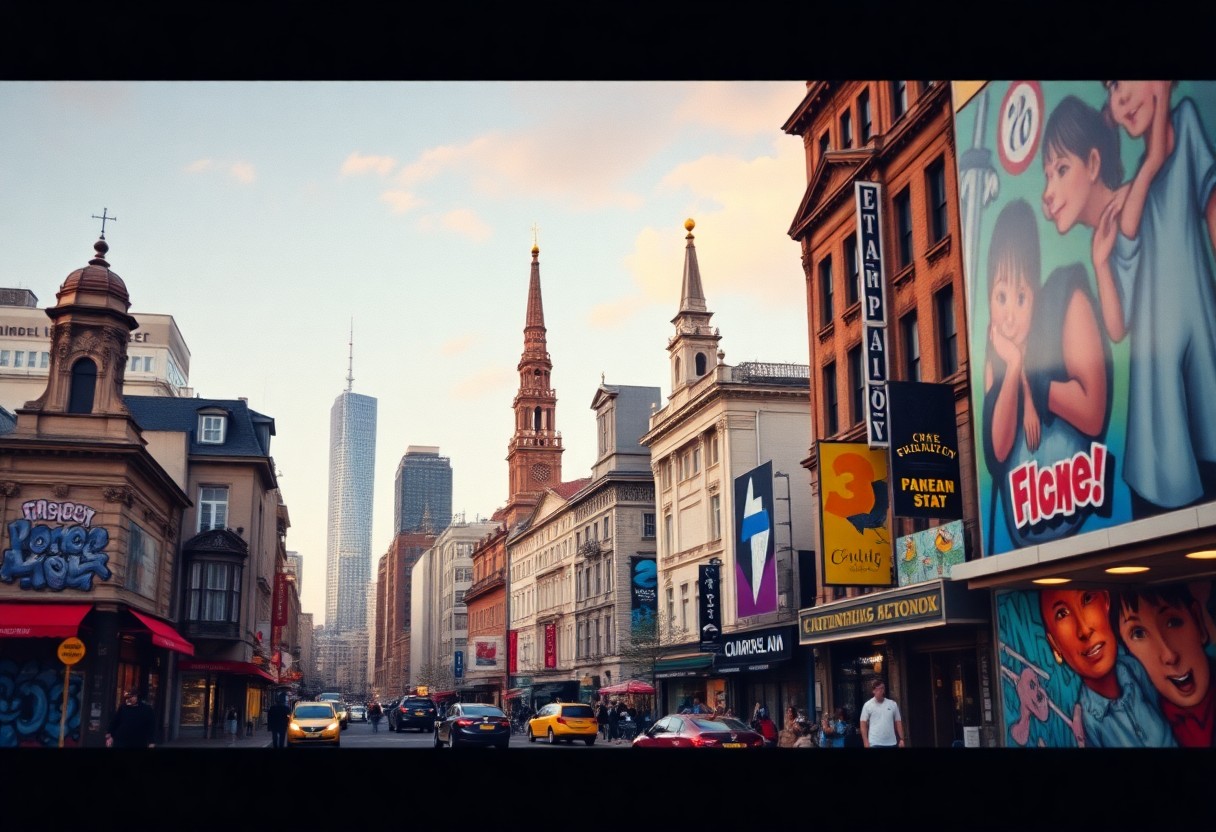
Above the bustling streets, New York’s street art and public installations create an ever-evolving canvas that expresses the city’s vibrant spirit. From intricate murals to provocative sculptures, you will find art that challenges societal norms and showcases local talent. This dynamic artwork adds a distinctive flavor to your urban exploration.

Further exploring street art and public installations, you’ll discover that these artistic expressions often tell the stories of the neighborhoods they inhabit. Many pieces reflect the cultural heritage and social issues faced by the community, inviting you to examine deeper into the city’s narrative. As you wander, keep an eye out for famous works by renowned street artists, adding a layer of excitement and discovery to your journey through New York’s streets.

Paris

Even amidst its bustling streets and iconic landmarks, Paris stands as a timeless beacon for art and culture. You are enveloped by the captivating essence of creativity, from the romantic Seine River to the majestic Notre-Dame Cathedral, which all weave together a rich tapestry that reflects the city’s profound artistic heritage.

Historic Museums and Galleries

To truly appreciate the artistic treasures of Paris, you must explore its historic museums and galleries. The Louvre, with its vast collection including the Mona Lisa, and the Musée d’Orsay, featuring impressionist masterpieces, invite you to probe into centuries of creativity and history, offering insights that deepen your connection to this remarkable city.

The Influence of the Avant-Garde

Between the late 19th and early 20th centuries, Paris emerged as a hub for avant-garde movements, attracting artists and intellectuals from around the world. This period gave rise to innovative styles that challenged conventional norms, encouraging you to engage with groundbreaking works in unexpected ways.

Paris serves as the birthplace of many avant-garde movements, such as Dadaism and Surrealism, which you can witness in the works of artists like Marcel Duchamp and Salvador Dalí. Vibrant neighborhoods like Montmartre and Montparnasse became gathering grounds for these creative minds, where you could immerse yourself in the revolutionary spirit of the time. As you walk through the streets, you can feel the echoes of groundbreaking ideas that continue to shape the landscape of contemporary art and culture today.

Florence

For centuries, Florence has been a beacon of art and culture, drawing visitors who are eager to immerse themselves in its rich history. Known as the cradle of the Renaissance, the city is home to stunning masterpieces, magnificent architecture, and vibrant traditions. As you stroll through its historic streets, you’ll discover an abundance of galleries, museums, and landmarks that showcase the remarkable contributions of artists like Michelangelo, Botticelli, and Da Vinci. Florence’s blend of ancient and modern influences makes it an irresistible destination for art lovers and culture enthusiasts alike.

Renaissance Heritage

On your journey through Florence, you’ll encounter the profound impact of the Renaissance, a movement that transformed art, science, and philosophy. This city served as a breeding ground for innovative thinkers and creators, whose work established new principles for artistic expression. As you visit iconic sites like the Uffizi Gallery and the Duomo, you’ll gain a deeper appreciation for how this period shaped not only Florence but also the world of art as we know it today.

Contemporary Art Influence

Beside its rich historical roots, Florence also embraces contemporary art, showcasing a unique dialogue between the past and present. The city’s art scene today is vibrant and diverse, featuring innovative galleries and cultural spaces that highlight the work of both local and international artists. This fusion creates an atmosphere where traditional techniques coexist with modern expressions, offering you an enriching experience of artistic evolution.

With this contemporary perspective, you’ll find that Florence is not just a museum of the past; it’s a living canvas where innovative ideas flourish. Events such as the Florence Biennale and numerous art exhibitions throughout the year invite you to engage with cutting-edge artists and their work. Transitioning from the masterpieces of yesteryear to the bold expressions of today, Florence proves that it remains at the forefront of both art and culture, making it a must-visit for anyone with a passion for creativity.

Tokyo

All around Tokyo, vibrant art and culture encapsulate the essence of both tradition and innovation. This bustling metropolis is home to an array of museums, galleries, and public installations that showcase everything from classic Japanese art to contemporary masterpieces. You’ll find streets alive with creativity, where every corner offers a new perspective on visual expression. With an emphasis on both historical reverence and cutting-edge innovation, Tokyo is a must-visit destination for any art enthusiast.

Traditional vs. Modern Art

Before submerging into Tokyo’s rich art scene, it’s vital to appreciate the juxtaposition of traditional and modern influences. You can explore ancient temples housing Zen paintings and calligraphy while also marveling at the dynamic works of contemporary artists who extensively use technology and multimedia. This unique blend provides a comprehensive understanding of Japan’s cultural evolution.

Unique Pop Culture Exhibits

Any art aficionado will delight in Tokyo’s unique pop culture exhibits that showcase the intersection of art, fashion, and entertainment. You can experience immersive installations and interactive displays that celebrate anime, manga, and video games, capturing the essence of contemporary Japanese culture. Various pop-up galleries and themed exhibitions often rotate, ensuring that there’s always something new and exciting to discover.

Considering the city’s global influence, Tokyo’s pop culture exhibits are more than just entertainment; they reflect societal trends and technological advancements. You can visit places like the iconic Nakano Broadway to explore retro merchandise and art, or head to Akihabara for a modern twist on fandom culture. Whether it’s a virtual reality art installation or a nostalgic display of classic anime, these experiences provide you with an in-depth look at how pop culture shapes artistic expression in Japan.

Mexico City

Once again, Mexico City emerges as a vibrant hub of art and culture, boasting an eclectic mix of historical influences and modern expressions. With its rich tapestry of museums, theaters, and galleries, you will find a myriad of artistic endeavors that resonate deeply within this bustling metropolis. The city’s streets pulse with creativity, showcasing a unique fusion of tradition and contemporary art that will captivate your senses.

Rich Indigenous Art

Mexico’s artistic landscape is profoundly shaped by its rich indigenous heritage. You can explore numerous galleries dedicated to showcasing textiles, pottery, and craftsmanship that reflect the traditions and stories of diverse indigenous groups throughout the country. This deep connection to the past enables you to appreciate the intricate artistry that defines Mexico’s cultural identity.

Vibrant Street Murals

About a stroll through Mexico City unveils an impressive array of vibrant street murals that blanket the urban landscape. These stunning works of art not only reflect the city’s rich history but also convey powerful messages about social issues, politics, and humanity. You will be inspired by the creativity that leaps from the walls, transforming everyday spaces into extraordinary galleries.

At every corner of Mexico City, the vibrancy of street murals captivates you, creating an immersive experience unlike any other. These large-scale artworks often involve participation from local artists and communities, transforming public spaces into a canvas filled with color and meaning. As you navigate the streets, these murals tell compelling stories that invite you to engage with the city’s culture, making each mural a unique testament to the creative spirit alive within the heart of Mexico.

Berlin

After the fall of the Berlin Wall, this vibrant city transformed itself into a global cultural capital. Rich in history, Berlin boasts a unique blend of contemporary art scenes and historical landmarks. You will find world-class museums, galleries, and an ever-evolving street art landscape that reflects the city’s dynamic spirit. Whether you are wandering through the East Side Gallery or enjoying performances at the Berlin Philharmonic, Berlin guarantees an unforgettable cultural experience.

A Hub for Contemporary Artists

Artists flock to Berlin from around the globe, drawn by its open-minded atmosphere and diverse creative community. You will discover a rich array of studios, galleries, and collaborative spaces where emerging and established talents can showcase their work. The city’s eclectic neighborhoods provide the perfect backdrop for innovative artistic expressions, making it an inspiring destination for any art lover.

Cultural Festivals and Events

Above all, Berlin is renowned for its lively cultural festivals and events that celebrate various art forms and traditions. You can immerse yourself in the city’s diverse offerings, including renowned film festivals, music events, and art fairs that attract international audiences.

Contemporary art festivals, such as the Berlin Biennale, and music festivals like the Berlin Music Festival, underscore the city’s reputation as a cultural hotspot. With events such as the Festival of Lights illuminating iconic landmarks, you will find an array of experiences that highlight Berlin’s creative energy. These festivals not only showcase local talent but also attract global innovators, ensuring that you are always part of a vibrant artistic dialogue.

Final Words

To wrap up, exploring the top 10 cities known for their art and culture offers you a diverse palette of experiences that can enrich your understanding of global artistic expression. Each city presents unique opportunities to immerse yourself in their vibrant heritage, from street art to classical masterpieces. Whether you seek inspiration, knowledge, or simply enjoyment, these cultural hubs invite you to engage with their rich histories and contemporary narratives. So pack your bags and prepare for an adventure that will undoubtedly enhance your appreciation of art and culture around the world.

Q: Which city is considered the art capital of the world and why?

A: Paris, France is often regarded as the art capital of the world. The city boasts an unparalleled history of art movements, influential artists, and iconic museums. Renowned institutions like the Louvre, Musée d’Orsay, and Centre Pompidou house some of the most famous artworks in history. Furthermore, Paris has been a haven for artists such as Monet, Picasso, and Dali, and it continues to inspire contemporary creators with its vibrant streets, galleries, and cultural festivals.

Q: What unique cultural experiences can travelers find in Mexico City?

A: Mexico City offers a rich tapestry of cultural experiences that blend indigenous and colonial heritage. Travelers can explore ancient Aztec ruins at Templo Mayor, visit the historic murals at the National Palace, and enjoy vibrant markets like La Merced. The city’s diverse neighborhoods, such as Coyoacán—home to the Frida Kahlo Museum—and Roma, known for its bohemian atmosphere, provide a glimpse into the local art scene. Additionally, performances of traditional music and dance, as well as culinary festivals, celebrate the city’s cultural diversity.

Q: How does Tokyo embody the intersection of traditional and contemporary art and culture?

A: Tokyo is a dynamic city that seamlessly merges traditional Japanese culture with cutting-edge contemporary art. Visitors can explore historic temples and shrines, such as Senso-ji, while also experiencing avant-garde art galleries in areas like Roppongi and Harajuku. The city is home to international events such as the Tokyo Art Fair and the annual Tokyo Design Week, showcasing both Japanese and global creatives. Furthermore, cultural practices such as tea ceremonies and kabuki theater exist alongside contemporary pop culture phenomena, like manga and anime, making Tokyo a vibrant hub for art enthusiasts.

Skip to content