Over the years, countless travelers have experienced the frustration of flight delays and cancellations while abroad. When faced with these unexpected disruptions, it’s necessary for you to stay composed and informed. In this guide, you’ll discover practical steps to effectively navigate travel hiccups, including knowing your rights, communicating with airlines, and finding alternative travel options. By preparing yourself with the right information, you can turn a stressful situation into a manageable one, ensuring your trip continues as smoothly as possible.
Key Takeaways:
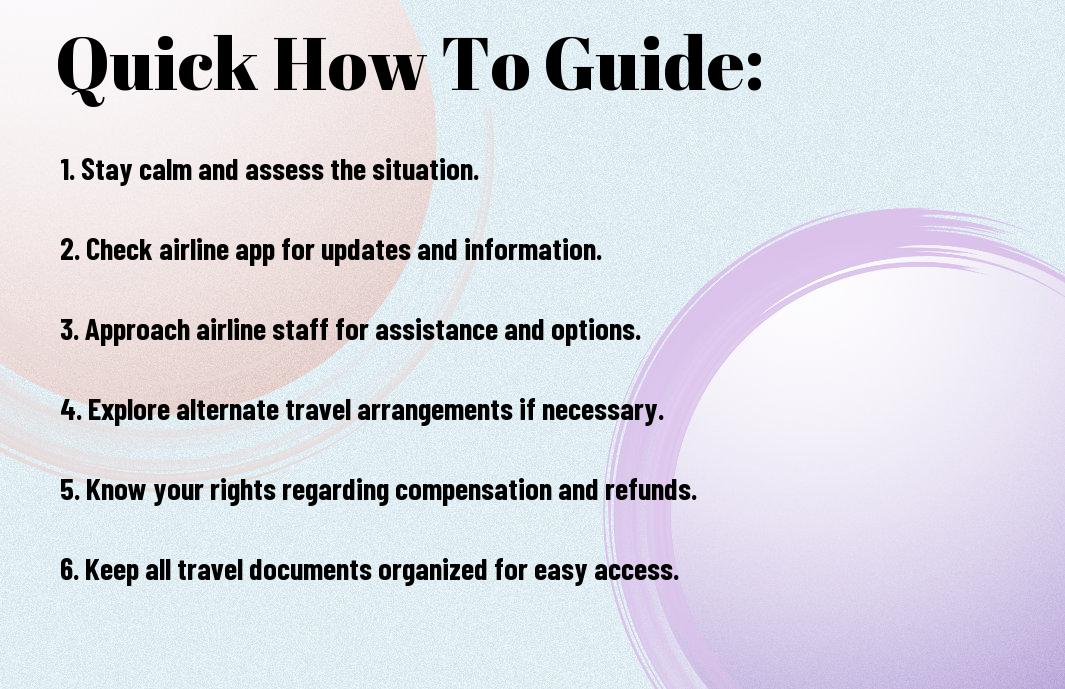
- Stay Informed: Regularly check your airline’s website or app for updates about your flight status.
- Know Your Rights: Familiarize yourself with airline policies and local regulations regarding delays and cancellations before traveling.
- Contact the Airline: Reach out to customer service for rebooking options or compensation if your flight is affected.
- Explore Alternatives: Be proactive in finding other transportation options or accommodations if your travel plans are disrupted.
- Stay Patient: Keep a calm mindset during delays, as situations can change quickly. Maintaining composure can help you make better decisions.
Understanding Flight Delays and Cancellations
A flight delay or cancellation can derail your travel plans and lead to stress. Understanding the dynamics behind these disruptions is crucial for navigating them effectively. For practical strategies, check out these 11 Best Tips to Handle Flight Delays and Cancellations.
Common Causes of Flight Delays
On any given day, various factors may contribute to flight delays including adverse weather conditions, technical issues, and operational challenges. Theseunexpected interruptions can affect your travel schedule, so staying informed is vital.
Factors Impacting Flight Cancellations
Factors influencing flight cancellations include:
- Extremely poor weather
- Air traffic control restrictions
- Staff shortages
- Technical failures
Perceiving these factors can help you manage your expectations and prepare for potential changes in your travel plans.
This understanding can equip you to handle cancellations more effectively. Recognizing the common causes enables you to better anticipate disruptions. Various elements may dictate flight cancellations, such as:
- Severe weather conditions
- Security threats
- Technical malfunctions
- Airline bankruptcy
Perceiving these circumstances can help you respond proactively, ultimately reducing the stress of last-minute changes.
How to Prepare for Possible Delays
It’s necessary to prepare for possible flight delays when traveling abroad. Start by packing necessary necessarys in your carry-on luggage, like snacks, chargers, and a change of clothes. Additionally, allow for flexibility in your travel plans by choosing accommodations with easy cancellation policies and keeping a list of alternate transportation options handy. This proactive approach will help you manage any unexpected changes to your itinerary with ease.
Staying Informed About Flight Status
Little advancements in technology make it easier than ever to stay updated on your flight status. Download your airline’s app or sign up for notifications via email or SMS. This way, you’ll receive real-time updates on any changes, and if needed, you’ll have a chance to adjust your plans without unnecessary stress.
Understanding Airline Policies
While every airline has different policies regarding delays and cancellations, knowing these can help you navigate the situation effectively. Familiarize yourself with your airline’s terms about compensation, rebooking options, and refund procedures. This knowledge enables you to advocate for your rights as a passenger, ensuring that you receive any benefits you may be entitled to during a frustrating travel experience.
About the policies, it is wise to review the terms and conditions specific to the airline you’re flying with. These documents typically outline what constitutes a delay or cancellation, as well as the compensation you may receive for travel disruptions. Airline policies can also specify timeframes for rebooking or refunds, which are vital for managing your frustrations during travel interruptions. By understanding these aspects, you can approach the situation informed and assert your rights effectively.
Tips for Managing Delays While Abroad
Unlike traveling domestically, flight delays abroad can be stressful and unpredictable. Here are some tips to help you cope:
- Stay informed about your flight status through airline apps or airport displays.
- Communicate with airline representatives for rebooking options.
- Explore the airport facilities for amenities to pass the time.
- Maintain a flexible mindset and consider alternate travel routes.
Any preparation can transform stress into a manageable situation.
Keeping Essential Documents Handy
Now, having your necessary documents accessible can simplify communication and avoid unnecessary delays. Keep your passport, visa, travel insurance, and boarding passes in a secure yet easily reachable location. This way, you can quickly show necessary paperwork to airline staff or immigration officials, facilitating smoother interactions during unexpected delays.
Finding Comfort During Wait Times
Finding comfort during extended wait times can elevate your travel experience. Prioritize your well-being by locating a quiet area to relax or explore the airport for dining and shopping options. Comfortable seating can make a difference, so seek out lounges or quieter zones. Also, consider investing in noise-canceling headphones or downloading entertainment options to keep you engaged and at ease during the wait.
Tips to enhance your comfort include packing snacks and staying hydrated, as airport food can often be costly and inconvenient. Dress in layers to ensure you are comfortable with fluctuating temperatures throughout the airport. Engaging in light exercise by walking around can improve your circulation and mood during long waits. Ultimately, focusing on your comfort can help you manage the stress of delays more effectively.
What to Do When Your Flight is Canceled
For unexpected flight cancellations, the first step is to stay calm and assess your options. Check with the airline staff for immediate assistance and verify the reason for the cancellation. Often, airlines provide accommodations or compensation, especially if the cancellation was within their control. Use this time to explore rebooking possibilities, consider alternate travel plans, and stay informed about your rights as a passenger throughout the process.
Rebooking Options and Strategies
Options for rebooking vary by airline, but it’s best to act quickly. You can either use the airline’s app, website, or speak directly with the customer service representative. Explore different routing options and be flexible with your travel dates, as this may improve your chances of finding an earlier flight. Additionally, consider alternate airlines or nearby airports to get to your destination more swiftly.
Knowing Your Rights as a Passenger
Even in the face of cancellation, it is important for you to know your rights as a passenger. Airlines have specific regulations regarding compensation for canceled flights, which can include meal vouchers, hotel accommodations, and refunds. These rights vary by country and airline, so familiarize yourself with local laws and airline policies before you travel. Staying informed empowers you to advocate for yourself effectively.
To ensure you are well-informed, review your airline’s policies regarding cancellations and passenger rights. In the European Union, for instance, regulations provide substantial protections, requiring airlines to compensate travelers under certain circumstances. In the U.S., the Department of Transportation mandates airlines must provide refunds if a flight is canceled. Educate yourself on these details, and don’t hesitate to ask airline representatives about what you are entitled to when your travel plans are disrupted.
Leveraging Technology for Assistance
Not having the right tools at your fingertips can make flight delays and cancellations feel overwhelming. However, technology offers various resources that simplify navigating unexpected changes. Utilizing mobile applications and online platforms can help you stay informed and assist in managing your travel plans effectively. By leveraging these tools, you can create a smoother travel experience even during disruptions.
Useful Apps for Travelers
If you are looking for a way to manage potential flight disruptions, there are several useful apps designed specifically for travelers. Apps like FlightAware and FlightRadar allow you to track real-time flight statuses, while airline-specific apps provide updates and offer rebooking options seamlessly. Additionally, options like TripIt help you organize all your travel plans in one place, ensuring you have quick access to vital information.
Role of Social Media in Real-Time Updates
Social media platforms have emerged as vital sources for real-time updates on flight statuses. Following your airline’s official accounts on platforms like Twitter or Facebook allows you to receive immediate notifications about delays, cancellations, and other pertinent information directly from the source.
It’s wise to engage with social media during travel disruptions as it offers instant access to information that may not yet be available through traditional channels. Airlines often use these platforms for live announcements, giving you an advantage in staying updated on your flight’s status. Additionally, you can connect with other travelers experiencing similar issues, which can be not only informative but also comforting during stressful situations.
Financial Considerations
After experiencing a flight delay or cancellation abroad, financial implications can arise that require immediate attention. You may have unexpected expenses for accommodations, meals, or alternative transportation. It’s crucial to keep track of these costs and know what assistance you might be eligible for from your airline or travel insurance provider to alleviate your financial burden.
Insurance Options for Flight Disruptions
You should consider purchasing travel insurance that covers flight disruptions, including cancellations and delays. This insurance can reimburse you for non-refundable expenses and help you manage costs related to rebooking or accommodation. When shopping for policies, always review the terms carefully to ensure that flight delays and cancellations are included in your coverage.
Handling Expenses During Delays
Little things can add up quickly when you’re facing delays, so it’s wise to stay organized and proactive. Keep all receipts for expenses like meals, lodging, and transport, as you may be able to claim these costs through your airline or travel insurance. If the airline offers meal vouchers or accommodations during long delays, take advantage of these resources to minimize your out-of-pocket expenses.
Another practical approach is to use mobile apps or online services that track your spending while in transit. These tools can help you categorize your expenses, making it easier to submit claims later. Communicating with your airline can yield additional support or compensation, so familiarize yourself with their policies regarding flight disruptions. Always ask for assistance at the airport if you find yourself incurring unexpected costs; airlines often have protocols in place to assist stranded passengers.
Summing up
Drawing together the tips for managing flight delays and cancellations abroad, you should stay informed about your flight status, know your rights as a passenger, and utilize available resources such as airline customer service and travel insurance. Keeping important documents handy and maintaining a flexible mindset can enhance your travel experience. By being proactive and organized, you can navigate these disruptions with minimal stress, ensuring your journey continues smoothly despite any bumps along the way.
Q: What should I do first if my flight is delayed or canceled while I am abroad?
A: The first step is to stay calm and check for official communication from your airline. Look for updates on the airline’s website, app, or at the airport’s information desk. It’s important to understand the nature of the delay or cancellation, including reasons and expected timelines. If necessary, contact the airline’s customer service for more information and options for rebooking. Keep any documentation related to your flight, as it may be helpful for compensation claims or dealing with accommodations.
Q: Am I entitled to compensation for flight delays or cancellations when traveling internationally?
A: Compensation policies vary depending on factors such as the airline, flight route, and the duration of the delay. In the European Union, for example, passengers may be entitled to compensation under EC Regulation 261/2004 for significant delays or cancellations caused by the airline. For other regions or airlines, check their specific policies. It’s advisable to keep all travel documents and receipts, as these may be needed when filing a compensation claim.
Q: What are my accommodation options while waiting for a delayed or canceled flight?
A: If your flight is delayed for an extended period or canceled, the airline may provide accommodation, especially if the disruption is their responsibility. Inquire directly with the airline about what they offer. If you’re not receiving assistance, consider hotel options near the airport or look for travel accommodation platforms for options. Alternatively, if you are in a country where you feel comfortable navigating, you might explore local accommodations, but always assess the time and logistics involved in doing so.