Europe

What to Know Before Traveling to Europe

Traveling to Europe can be an exhilarating experience filled with diverse cultures, stunning landscapes, and rich history. However, to make the most of your journey, you need to understand some necessary aspects, from visa requirements and local customs to transportation options and budgeting. This guide will provide you with the vital information you need to navigate your European adventure seamlessly, ensuring that your trip is both enjoyable and memorable.

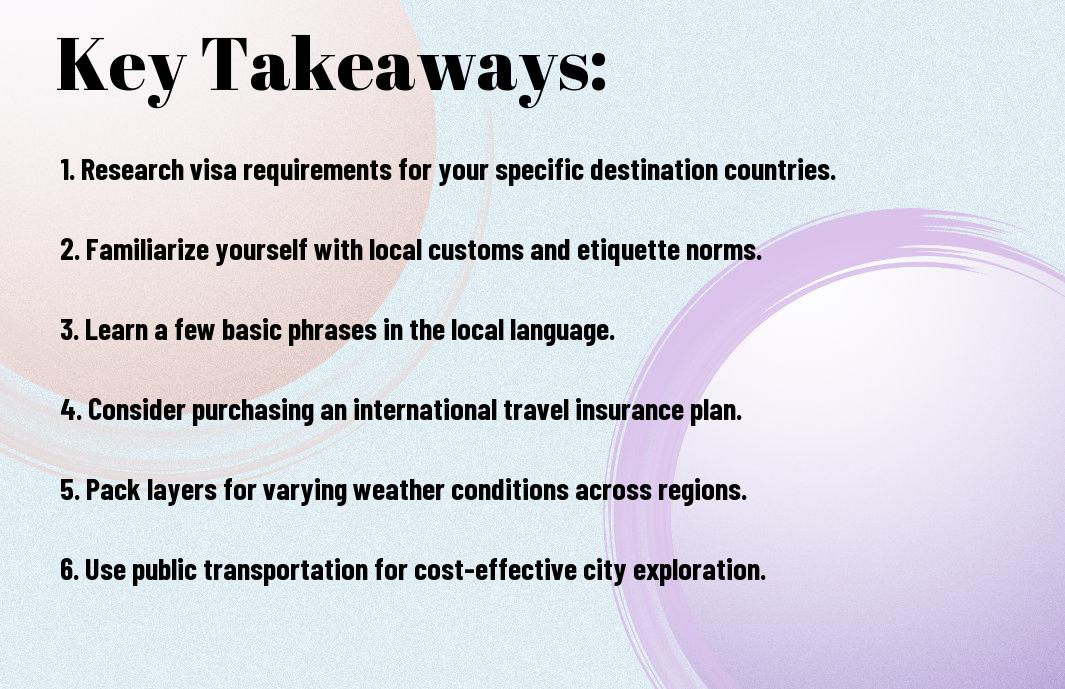
Key Takeaways:

  • Passport Validity: Ensure your passport is valid for at least six months beyond your planned departure date from Europe.
  • Currency Differences: Familiarize yourself with local currencies as many European countries use the euro, while others may have their own currencies.
  • Travel Insurance: Consider purchasing travel insurance to cover unexpected situations such as medical emergencies or trip cancellations.
  • Public Transportation: Utilize public transport systems, which are often efficient and cost-effective for getting around cities.
  • Cultural Etiquette: Research local customs and etiquette to ensure respectful interactions with locals in different countries.
Travel Requirements

To travel to Europe, it is necessary to understand the requirements for entry into your chosen destination. This includes knowing whether you need a visa, understanding health and safety protocols, and ensuring your travel documents are in order. Prepare ahead of time to avoid any last-minute surprises at customs and border control.

Visa Regulations

One factor to consider is the visa regulations that may apply based on your nationality. Many countries in Europe allow for short stays without a visa, while others may require you to obtain one in advance. Check the specific requirements for each country you plan to visit to ensure a smooth travel experience.

Health and Safety Protocols

Visa protocols are important, but health and safety measures should also be on your radar. Different countries may have specific entry requirements, such as proof of vaccination, negative COVID-19 tests, or travel insurance. It’s advisable to stay updated on the latest regulations, as they can change frequently based on the evolving situation.

With the ongoing emphasis on health safety, many European countries are implementing protocols to safeguard travelers. This often includes mask mandates in certain public areas, social distancing guidelines, and hygiene measures in hotels and restaurants. Ensure you familiarize yourself with these measures before your journey to keep yourself and others safe while enjoying your travels.

Currency and Payment Methods

Clearly, understanding currency and payment methods is imperative for seamless travel in Europe. Each country often uses its own currency, which means you may need to exchange money or use credit cards. Be aware of exchange rates, transaction fees, and which payment methods are widely accepted in the countries you plan to visit. This knowledge will help you manage your budget effectively and avoid unnecessary costs during your trip.

Currency Exchange

With various currencies used across Europe, it’s important to know where and how to exchange your money. Airports and banks typically offer exchange services, but they may charge higher fees. You might find better rates at local exchange offices or via ATMs, where you can withdraw cash in the local currency. It’s advisable to check for any added fees on your withdrawal and keep an eye on the exchange rates to get the most value for your money.

Credit Card Usage

One of the most convenient ways to pay while traveling in Europe is by using your credit card. Most places accept major cards, but it’s wise to inform your bank of your travel plans beforehand to avoid any issues with transactions. Keep an eye on credit card fees for international use and foreign transaction rates. Some European countries are moving toward cashless transactions, making credit cards increasingly accepted and convenient throughout your journey.

Further, opting for a credit card with no foreign transaction fees can enhance your travel experience. You may also want to carry a small amount of cash for smaller vendors or markets that might not accept cards. When using your card, you may encounter chip-and-PIN payment systems, which often require you to insert your card and enter a personal identification number. Ensure you’re familiar with your card’s functionalities to avoid hassle during your travels.

Accommodations

Many travelers find that understanding accommodation options can significantly enhance their European experience. The continent offers a diverse range of lodging choices, from luxury hotels to budget-friendly hostels, giving you various options to suit your preferences and budget. Always plan ahead, especially during peak seasons, as availability can be limited.

Types of Accommodations

With a multitude of options available, you can choose from:

Hotels Full-service lodging with amenities
Hostels Affordable shared-accommodation options
Airbnb Private apartments or rooms
Bed and Breakfasts Cozy stays with homemade breakfast
Camping Outdoor stays for nature lovers

Assume that your accommodation type can shape your travel experience, making it important to choose wisely.

Booking Tips

On your journey to Europe, securing the right accommodations can take some planning. Consider the following tips to ensure a smooth booking process:

  • Book early, especially during peak tourist seasons.
  • Read reviews from previous guests for insight.
  • Compare prices across various booking platforms.
  • Check for cancellation policies.
  • Look for deals or discounts.

Any preparation you undertake can help you find the best options for your stay.

Even a little extra effort in your booking can enhance your trip significantly. Consider researching amenities that matter most to you—Wi-Fi, breakfast options, or proximity to attractions. Use tools like price alerts for deals and look into loyalty programs for additional savings.

  • Sign up for alerts on price drops.
  • Join hotel loyalty programs for benefits.
  • Ask about group discounts if traveling with others.
  • Refer to local tourism boards for recommendations.
  • Consult travel blogs for hidden gems.

Any tips you apply can lead to a more enjoyable and tailored experience while exploring Europe.

Transportation Options

Unlike many other regions, Europe offers a diverse range of transportation options, catering to various preferences and budgets. From high-speed trains to city buses, you’ll find efficient ways to travel between countries and explore cities. It’s important to familiarize yourself with the various modes available, as well as their costs and schedules, to make informed choices during your journey.

Public Transport Systems

Between cities and countries, Europe boasts extensive public transport systems, including trains, trams, and buses. Most urban centers have well-connected transit networks that make it easy for you to navigate without a car. In addition, high-speed trains link major cities, providing a comfortable and speedy alternative to air travel.

Car Rentals and Driving

After examining the public transport options, you might consider renting a car to explore more remote areas. With many scenic routes and the freedom to roam at your own pace, driving can offer unique experiences that public transport cannot.

Hence, if you choose to rent a car, ensure you have an international driving permit and are familiar with local driving laws, which can vary significantly across countries. Tolls, parking regulations, and road signs might also differ from what you’re used to, so plan accordingly. A rental car can enhance your flexibility, allowing you to reach picturesque locations and hidden gems throughout your European adventure.

Cultural Considerations

Now that you’re planning your European adventure, understanding cultural nuances is necessary to enhance your experience. Each country boasts its own customs and traditions, which can significantly impact your interactions. From dining etiquette to local festivals, embracing these differences will enable you to connect more authentically with locals and gain a deeper appreciation for the diverse heritage Europe has to offer. Being culturally aware can also help you avoid any unintentional faux pas and show respect toward each unique community you encounter during your travels.

Language and Communication

After you arrive in Europe, you’ll soon find that language can vary significantly from one country to another. While many Europeans speak English, especially in tourist areas, learning a few key phrases in the local language can immensely enhance your interactions. Even a simple “hello” or “thank you” can convey respect and admiration for the culture you’re visiting, opening doors to warmer connections and enriching conversations during your travel journey.

Social Etiquette

Before you engage with locals, familiarize yourself with the social etiquette of the countries you’re visiting. Each culture has its own set of unwritten rules governing behavior, greetings, and even dining habits. Understanding these customs can be the difference between a pleasant experience and an awkward one. For example, in some countries, it’s customary to greet with a kiss on the cheek, while in others, a firm handshake is the norm. You might also observe that table manners can vary, such as keeping your hands on the table in certain places. Therefore, taking time to learn and respect local customs will lead to richer, more meaningful experiences during your travels.

It’s wise to approach social interactions with an open mind. Observe the locals and mirror their behavior where appropriate; this can include things like eye contact during conversations or how to dress for different occasions. Not only does this demonstrate your willingness to adapt, but it can also foster goodwill among those you meet. Additionally, familiarize yourself with topics that may be considered taboo or sensitive, as this knowledge can help you navigate conversations more gracefully. By respecting social etiquette, you allow your travel experience to flourish, ensuring memorable encounters on your journey through Europe.

Local Cuisine

Despite the diverse culinary traditions across Europe, indulging in local cuisine is a highlight of your travel experience. Each country boasts unique ingredients, techniques, and flavors that reflect its history and culture. From rustic taverns to Michelin-starred restaurants, exploring local food will deepen your appreciation of the destination. Don’t miss the opportunity to taste regional specialties and engage with locals over a meal—they often have fascinating stories to tell about their culinary heritage.

Must-Try Dishes

Cuisine varies dramatically from region to region, making it important for you to seek out local dishes wherever you go. In Italy, savor authentic pasta; in France, indulge in rich cheeses and pastries; and in Spain, taste the vibrant flavors of tapas. Each dish tells a story, and trying them immerses you in the local culture.

Dietary Restrictions

Above all, understanding dietary restrictions in Europe will help you navigate your culinary adventures seamlessly. Different countries may have varying attitudes towards dietary preferences, so it’s wise to communicate your needs clearly, whether they are vegetarian, vegan, gluten-free, or involve allergies.

In fact, many European countries are becoming more accommodating to diverse dietary restrictions. Restaurants often indicate dietary options on their menus, and you can also find dedicated establishments that cater specifically to vegetarian, vegan, or gluten-free diets. It’s advisable to learn a few key phrases in the local language to express your dietary needs, ensuring that your dining experiences are both enjoyable and safe during your travels.

Final Words

So, before you launch on your European adventure, ensure you’re well-prepared by familiarizing yourself with cultural norms, local customs, and travel regulations. Understanding transportation options, currency variations, and necessary travel documents will enhance your experience. You can find helpful insights and tips at What are some important things for an American tourist to …. By equipping yourself with the right knowledge, you’ll be ready to enjoy all that Europe has to offer.

Q: What are the key documents I need before traveling to Europe?

A: Before traveling to Europe, you should ensure that you have a valid passport. It is advisable that your passport is valid for at least six months beyond your intended departure date. Depending on your nationality, you may also need a visa to enter certain countries. Make sure to check the visa requirements for the countries on your itinerary. Additionally, having travel insurance that covers health, trip cancellations, and personal belongings is a good idea for peace of mind.

Q: How should I plan my budget for traveling in Europe?

A: Planning your budget for traveling in Europe involves several factors. First, calculate expenses such as accommodation, food, transportation, and activities. Research the costs of each item in your destination cities to get a clear idea. Also, take into account currency exchange rates, as this can significantly impact your budget. It is wise to set aside some extra funds for unexpected expenses. Lastly, consider using a combination of cash and cards, and inform your bank of your travel plans to avoid any issues while using your cards abroad.

Q: What are the transportation options available within Europe?

A: Europe offers a wide variety of transportation options for travelers. Trains are a popular choice for intercity travel due to their efficiency and extensive network, with high-speed trains connecting major cities. Budget airlines also operate within Europe, providing quick and affordable flights for longer distances. Additionally, buses can be a cost-effective option for travelers, often serving routes that trains might not cover. For local travel, consider using subways, trams, or buses in cities, and renting bikes can provide a unique way to explore urban areas. Always check for local transport passes that can save you money if you plan to travel frequently within a particular city.
The Ultimate Guide to Backpacking Across Europe

Many travelers dream of exploring the enchanting landscapes, rich cultures, and vibrant cities of Europe, and backpacking is one of the most exhilarating ways to do it. In this ultimate guide, you will discover imperative tips, practical strategies, and invaluable insights that will enhance your journey, from choosing the perfect destinations to smart packing techniques and navigating public transport. As you gear up for the adventure of a lifetime, let this guide serve as your trusted companion to make your European backpacking experience both enjoyable and unforgettable!

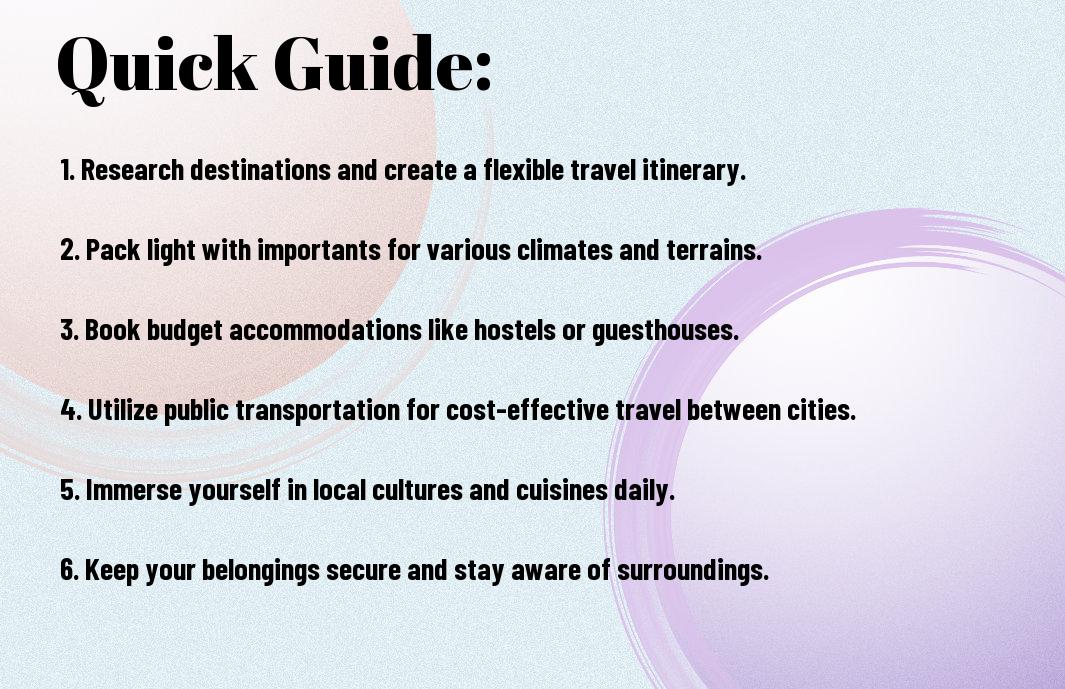
Key Takeaways:

  • Planning: A well-organized itinerary is crucial for maximizing your time and experience while backpacking.
  • Budgeting: Establish a realistic budget that includes accommodations, food, transportation, and activities to avoid overspending.
  • Travel Light: Pack only the crucials to make your journey easier and enhance mobility.
  • Local Culture: Immerse yourself in local traditions and cuisine to make your trip more enriching and enjoyable.
  • Flexibility: Be open to spontaneous changes in your plans, as they can lead to unexpected adventures and memorable experiences.

Types of Backpacking Across Europe

A diverse range of backpacking styles allows you to experience Europe in various ways. Understanding the different types can help you choose the best fit for your journey.

Type of Backpacking Description
Budget Backpacking Economical travel focusing on low-cost accommodations and meals.
Luxury Backpacking A lavish approach, staying in premium hotels and enjoying gourmet dining.
Themed Backpacking Traveling with a specific focus, like gastronomy or art.
Solo Backpacking Taking on Europe by yourself for complete independence.
Group Backpacking Traveling with friends or like-minded travelers for shared experiences.

Thou can explore these options to tailor your journey to your preferences.

Budget Backpacking

Little investment is needed for budget backpacking, where you prioritize affordable lodging, street food, and public transit to maximize your adventure. By staying in hostels and using budget airlines or trains, you can stretch your funds while exploring iconic spots.

Luxury Backpacking

One way to redefine backpacking is by indulging in luxury experiences that combine travel with comfort. This style emphasizes staying in boutique hotels, dining in upscale restaurants, and enjoying exclusive tours.

To enhance your journey, focus on selecting unique destinations and experiences, such as gourmet food tours, wine tastings, and private tours of historical sites. This will allow you to appreciate the elegance of Europe while still enjoying the spirit of backpacking.

Themed Backpacking

For those looking for a distinct experience, themed backpacking offers a chance to dive deep into subjects you love, whether it’s culinary experiences, art, or history.

It is an exciting way to engage with your interests. For example, you might explore Europe’s famous wine regions, take cooking classes in Italy, or visit art museums across the continent. This approach creates a more enriching travel experience that connects you with like-minded travelers and enhances your journey.

Essential Tips for Backpacking

While initiateing on an adventure across Europe, it’s vital to equip yourself with practical strategies for a successful trip. Consider these important tips:

  • Plan your route but allow for spontaneity.
  • Always have a backup plan.
  • Stay aware of local customs and regulations.
  • Use reliable travel apps for navigation.
  • Stay connected with family and friends.

Assume that flexibility is key to a memorable journey.

Packing Smart

While packing for your backpacking adventure, prioritizing efficiency will lighten your load significantly. Choose versatile clothing that you can mix and match, and pack importants like a first-aid kit, reusable water bottle, and compact electronics. The less you carry, the easier your travels will be.

Budgeting Your Trip

Some of the most rewarding experiences come from budgeting wisely. Understanding your financial limits allows you to explore more, enjoy local cuisine, and participate in activities without stressing over money. Allocate funds for accommodation, food, transportation, and entertainment while keeping a cushion for unexpected expenses.

It’s beneficial to track your spending daily and use local currency whenever possible. Also, consider setting daily budgets for meals and activities to avoid overspending. Look for free or low-cost attractions and eat at local markets for authentic experiences without breaking the bank.

Navigating Public Transport

Little do many travelers know, utilizing Europe’s public transport can be an efficient way to explore cities and manage your budget. Familiarize yourself with train, bus, and metro options in advance, as they often provide reliable connections and are more cost-effective than taxis.

The key is to study maps and schedules before your journey, as well as download relevant apps that can show real-time updates. Public transport can often bring you closer to local life, making it a valuable aspect of your backpacking adventure across Europe.

Step-by-Step Guide to Planning Your Trip

For an unforgettable backpacking adventure across Europe, meticulous planning is vital. This guide will help you break down your journey into manageable steps, ensuring you cover all vital aspects of your trip—from deciding on your destinations to making accommodation arrangements.

Step Description
Choose Destinations Select the cities and regions you want to explore.
Create Itinerary Map out your travel schedule and activities.
Book Accommodations Find places to stay that fit your budget and preferences.

Choosing Your Destinations

The key to a rewarding backpacking experience lies in selecting the destinations that excite you the most. Explore iconic cities as well as lesser-known locales to create a diverse itinerary that offers a mix of culture, scenery, and activities.

Creating an Itinerary

Creating your travel itinerary is a fundamental step that brings your trip into focus. Outline the places you want to visit, allowing for travel time and rest, while ensuring there’s enough flexibility for spontaneous adventures along the way.

Your itinerary should reflect a balance between planned activities and free time. Consider grouping destinations that are geographically close to maximize your travel experience, and think about travel durations so you can engage with each location adequately without feeling rushed.

Booking Accommodations

Even if you are on a budget, you can find charming accommodations that fit your needs. Look for hostels, guesthouses, or budget hotels that offer vital amenities and are located strategically near public transportation.

It is beneficial to book accommodations in advance, especially during peak season. This not only guarantees your stay but often secures better rates. Consider using reliable booking platforms that provide reviews and various options catering to your unique backpacking style.

Key Factors to Consider Before Leaving

Not planning thoroughly can lead to unexpected issues during your backpacking adventure. It’s important to consider the following factors:

  • Your budget
  • Travel itineraries
  • Visa requirements
  • Packing importants
  • Accommodation options

The more prepared you are, the smoother your experience will be. For additional guidance, check out 15 Tips For Backpacking Through Europe.

Weather Conditions

Clearly, understanding the weather patterns in the regions you’ll be visiting is vital. Each country boasts varying climates, influencing not just what to pack, but also the best times to explore. Be sure to check long-range forecasts and season patterns to ensure you’re well-prepared.

Safety and Health Precautions

On your journey, your safety and health should always be top priorities. Research emergency services and local health facilities in each destination, plus keep your health insurance information handy. Additionally, consider vaccinations, and always have a basic first aid kit on hand.

Factors like local crime rates and prevalent health concerns vary considerably across Europe. Stay informed about the best practices to avoid theft and scams. Ensure you carry copies of important documents and inform someone about your travel route for added security.

Cultural Norms

Clearly, adapting to local cultural norms enhances your travel experience. Cultures across Europe may differ significantly, from dining etiquette to dress codes. Learning about these customs helps you show respect and prevents misunderstandings.

Health can also be impacted by cultural norms such as dining habits or local practices regarding wellness. Familiarize yourself with these to maintain your own well-being while navigating through different regions. Understanding various cultural perspectives allows you to connect better with locals, enriching your overall journey.

Pros and Cons of Backpacking in Europe

All travel experiences come with their ups and downs. Backpacking across Europe can be incredibly rewarding, offering a chance to explore diverse cultures and landscapes, but it also comes with challenges worth considering. Here’s a breakdown of the pros and cons:

Pros Cons
Affordable travel options Potential language barriers
Improved budgeting skills Limited comfort and space
Flexibility in itinerary Variable weather conditions
Opportunity to meet new people Possible safety concerns
Rich cultural exposure Logistical challenges

Advantages of Backpacking

You will find that backpacking offers an incredible sense of freedom. By letting go of rigid itineraries, you can connect with fellow travelers and locals, experience diverse traditions, and stumble upon hidden gems off the main tourist paths. This adventurous way to travel allows you to stretch your budget, making it possible to explore more places while fostering unforgettable memories. Moreover, the challenge of navigating unfamiliar environments can boost your confidence and independence.

Disadvantages to Consider

One downside to backpacking is the physical and mental demands it can impose on you. Lifting heavy bags and frequent relocations can lead to fatigue, making it vital for you to plan your journey carefully.

The lack of comfort and the unpredictability of accommodations can also be a drawback. Some hostels can be noisy or cramped, and you might encounter beds or facilities that don’t meet your expectations. Additionally, traveling extensively on a budget often means sacrificing certain luxuries and conveniences. Being aware of these potential challenges will help you prepare and ensure a smoother backpacking experience across Europe.

Resources for Backpackers

Once again, your journey through Europe can be significantly enhanced by utilizing a variety of resources designed specifically for backpackers. From navigating unfamiliar cities to finding budget accommodation, these tools and tips can help you make the most of your adventure while staying on budget. Whether you’re a seasoned traveler or a newbie, this section provides key information that can greatly improve your backpacking experience.

Online Tools

With the vast amount of information available online, you can access numerous tools to help plan your trip. Websites like Rome2Rio help you explore transport options between destinations, while Couchsurfing can connect you with locals offering free stays. Utilizing these resources will allow you to save money and experience the local culture more deeply.

Essential Apps

Even in today’s digital age, having the right apps on your phone can enhance your travel experience. Essential applications can assist with navigation, language translation, and finding nearby amenities, ensuring you have everything you need at your fingertips. These apps streamline your travels, making it easier to focus on enjoying your time in Europe.

Online, you’ll find a plethora of apps like Google Maps for navigation, Duolingo for learning key phrases in the local language, and Hostelworld to find budget accommodation. Additionally, using apps like Citymapper can help you navigate public transit systems efficiently. With the right tools, you can navigate Europe with confidence and ease.

Recommended Reading

Tools like blogs, travel guides, and community forums provide valuable insights into the backpacking experience. Recommended reading includes popular travel blogs, such as Nomadic Matt and The Broke Backpacker, where you can find tips tailored to budget travelers. Additionally, books like “The Art of Travel” by Alain de Botton inspire wanderlust while offering practical advice.

To maximize your preparation, consider picking up books that investigate into different European cultures, or guidebooks that list must-see attractions and off-the-beaten-path spots. Online resources such as travel memoirs also give you a glimpse of adventures others have experienced. Engaging with this content can motivate you and help you make informed choices for your journey.

To wrap up

With this in mind, your journey through Europe can be an unforgettable experience filled with adventure and discovery. By planning ahead, embracing flexibility, and immersing yourself in local cultures, you can make the most of your backpacking trip. Equip yourself with necessary tips, local insights, and a spirit of adventure, and you’ll navigate through diverse landscapes, historical landmarks, and vibrant communities. Prepare wisely, stay open to new experiences, and let the beauty of Europe unfold as you carve your own path across this captivating continent.

FAQ

Q: What are the crucial items to pack for backpacking across Europe?

A: When preparing for a backpacking trip across Europe, it’s important to pack wisely. Essential items include a lightweight and durable backpack, clothing suitable for different climates, comfortable walking shoes, a reusable water bottle, travel-sized toiletries, and a travel adapter. Additionally, consider packing a portable charger, a first aid kit, a compact sleeping bag, a travel guide or map, and important documents such as your passport and any necessary visas. Layering your clothing can also help with varying weather conditions you might encounter.

Q: How can I save money while backpacking across Europe?

A: Saving money while backpacking in Europe can be achieved through various strategies. First, consider using budget airlines and trains for transportation, as they often offer significant savings. Additionally, stay in hostels or consider Couchsurfing to cut down on accommodation costs. Eating at local markets or street food vendors can also provide authentic meals without breaking the bank. Look for free walking tours in major cities to get acquainted with the area without incurring expenses. Lastly, utilize public transportation whenever possible, as it tends to be cheaper than taxis or rideshares.

Q: What safety precautions should I take while traveling in Europe?

A: Safety is always a priority when backpacking. To stay safe while traveling in Europe, it’s advisable to keep your belongings secure and stay aware of your surroundings, especially in crowded areas. Make use of anti-theft backpacks and money belts to protect valuables. Research the local customs and laws of each country you visit, as they may differ significantly. Also, familiarize yourself with emergency numbers and the location of nearby embassies. Staying in well-reviewed accommodations and traveling with a reliable group enhances your safety while exploring the continent.

How to Navigate Train Travel Across Europe and Asia

Asia offers an expansive network of trains that can take you through breathtaking landscapes and vibrant cities, just as Europe does. Understanding how to maneuver these intricate rail systems will enhance your travel experience significantly. In this guide, you will learn imperative tips on booking tickets, choosing the right trains, and maximizing your comfort, ensuring seamless journeys across these diverse continents. Whether you’re initiateing on high-speed adventures or scenic routes, having the right knowledge will make every trip memorable and enjoyable.

Key Takeaways:

  • Planning: Research and plan your routes in advance to find the best connections and travel times.
  • Pass Options: Consider interrail or eurail passes for cost-effective travel across multiple countries.
  • Local Regulations: Familiarize yourself with local train policies, including ticketing and onboard amenities, to enhance your travel experience.

Understanding Train Systems in Europe

To make the most of your train travel experience across Europe, it’s necessary to familiarize yourself with the diverse and efficient train systems. Each country has its own set of rail networks, offering various levels of service and options for travelers. Some trains are high-speed, connecting major cities in just a few hours, while regional trains allow you to explore smaller towns and scenic routes. By understanding the structure and operation of these systems, you can effectively plan your journeys and make informed decisions about your travels.

Major Rail Networks

Behind Europe’s robust train travel is an intricate web of major rail networks that connect cities and countries seamlessly. Each network, such as the French SNCF, Germany’s Deutsche Bahn, or Italy’s Trenitalia, operates under different regulations and schedules. While traveling, you may find yourself switching between these networks, so it’s advisable to familiarize yourself with their respective systems, timetables, and amenities to ensure a smooth travel experience.

Ticketing and Reservations

At the heart of train travel lies the ticketing and reservation process, which can significantly influence your journey’s comfort and affordability. Various options are available, from single-journey tickets to rail passes that can save you money on multiple trips. Many rail companies offer online booking services, allowing you to secure your tickets in advance, ensuring you have a seat on popular routes.

Hence, investing time in understanding the ticketing process can lead to enhanced travel experiences. Most major rail networks provide user-friendly websites and mobile apps for easy booking and real-time information. Consider booking in advance when traveling during peak seasons to avoid inflated prices or sold-out trains. Additionally, explore options for passes like the Eurail or Interrail, which can provide flexibility and savings for extensive travel across multiple countries. Having your tickets and reservations well-organized will allow you to focus on enjoying your journey rather than stress about logistics.

Navigating Train Travel in Asia

Clearly, train travel in Asia offers a diverse and efficient way to explore the continent, with extensive networks connecting major cities and remote regions. Each country boasts its own unique train systems, amenities, and ticketing processes, making it crucial for you to familiarize yourself with local options and practices. From the scenic routes in Japan to overnight trains in India, you’ll find a plethora of travel experiences that enhance your journey through the heart of Asia.

High-Speed Rail Options

Along with advancing technology, high-speed rail has transformed how you travel across Asia. Countries like China, Japan, and South Korea have invested heavily in high-speed trains, allowing you to cover long distances in a fraction of the time. These modern trains feature comfortable seating, onboard amenities, and efficient services, making your trip not just quicker but also more enjoyable.

Regional Train Services

Along with high-speed options, regional train services connect smaller towns and cities, providing you with a more immersive travel experience. These trains allow you to appreciate the countryside, culture, and local life as you journey from one destination to another.

Considering regional train services, they often have lower fares and provide a chance for you to mingle with locals. Services vary widely in quality, from luxurious trains in nations like Japan to basic sleeper coaches in Southeast Asia. Booking in advance is advisable during peak seasons, while many regions also allow for flexible ticketing options that let you hop on and off at various stops, enhancing your travel exploration.

Planning Your Trip

Once again, effective planning is the foundation of a smooth train travel experience across Europe and Asia. Start by determining your travel dates, preferred destinations, and how long you wish to stay at each location. Research the train networks that operate in the regions you’re visiting, as well as the available routes, to streamline your adventure. Don’t forget to consider ticket types, seating options, and any extras that might enhance your journey!

Creating an Itinerary

With a clear vision of your destinations, it’s time to create a detailed itinerary. Make a list of the cities you want to visit, then organize them based on the most efficient travel routes. Include the train schedules and travel times to gain a realistic view of how long each leg of your journey will take. This organization will help ensure your trip flows seamlessly from one adventure to the next.

Key Travel Apps and Resources

Before you begin on your journey, familiarize yourself with travel apps and websites that enhance your train travel experience. These tools can provide real-time updates on train schedules, allow you to book tickets on the go, and offer insights into local attractions and accommodations.

Consequently, utilizing the right travel apps can significantly ease your navigation through unfamiliar train systems. Apps like Trainline, Omio, and Rail Europe offer user-friendly interfaces for booking tickets and accessing train schedules. Maps.me can help you find routes and nearby amenities while you explore. Moreover, downloading each railway company’s app is beneficial for specific information and notifications, ensuring you stay updated throughout your travels.

Tips for a Seamless Journey

Despite the challenges that come with train travel across Europe and Asia, there are effective strategies to ensure a smooth experience. Follow these tips:

  • Book tickets in advance when possible.
  • Arrive at the station early to avoid rushed departures.
  • Keep your belongings organized and secure.
  • Be aware of local customs and train etiquette.

Recognizing these elements can greatly enhance your travel experience.

Packing Essentials

Beside your crucial travel documents, pack light but smart. Include a versatile wardrobe suited for different climates, a power bank for your devices, and snacks for long journeys. A comfortable neck pillow can make your travel more enjoyable, as well as a reusable water bottle to stay hydrated.

Language and Cultural Considerations

Journey through diverse countries means you’ll encounter various languages and customs. Being equipped with basic phrases in the local language can open doors and foster connections with locals. Understand cultural differences, such as dining etiquette or travel norms, to blend in and show respect.

And don’t underestimate the power of non-verbal communication. Simple gestures or friendly smiles often transcend language barriers. Familiarize yourself with common phrases such as greetings or “thank you.” Understanding local customs regarding personal space, eye contact, and queues can also smooth interactions. Embracing cultural diversity enriches your travel experience and leaves lasting impressions.

Safety and Security on Trains

Now that you’re ready to launch on your train journey across Europe and Asia, paying attention to safety and security is important. Train travel can be an enriching experience, but being aware of your surroundings and taking necessary precautions will help you enjoy it to the fullest. From safeguarding your belongings to understanding the protocols in case of emergencies, staying vigilant is key to a smooth adventure.

Staying Safe While Traveling

Behind every enjoyable journey lies the importance of maintaining your personal safety. Keep your belongings close and use anti-theft bags when possible. Be cautious when sharing personal information and try to blend in with the local atmosphere. When you board the train, scan your surroundings for exits and familiarize yourself with fellow passengers; this awareness will enhance your overall security.

Emergency Procedures

Against any potential threats, it is important to understand your train’s emergency procedures. Familiarize yourself with the emergency exits and the locations of safety equipment such as fire extinguishers. Most trains have staff trained to handle emergencies; locate them and don’t hesitate to ask for assistance. Being prepared can make a significant difference in ensuring your safety during your travels.

The procedures generally include following crew instructions, staying calm, and knowing where to exit the train. In the rare event of an emergency, you’ll want to quickly find your way to the nearest exit, which is often clearly marked. Keep an eye out for announcements and alerts, as these will provide guidance. Establishing a basic understanding of how to react can help you feel more at ease as you travel, allowing you to focus on enjoying your journey rather than worrying about the unknown.

Sustainable Travel by Train

Your choice to travel by train not only enhances your journey but also significantly contributes to a more sustainable future. Trains produce fewer emissions compared to cars and planes, making them an eco-friendly option for exploring the rich landscapes of Europe and Asia. By opting for rail travel, you can enjoy scenic views while minimizing your carbon footprint, making each trip a step towards preserving the environment.

Environmental Benefits

By choosing train travel, you help reduce greenhouse gas emissions and combat climate change. Trains are one of the most energy-efficient modes of transport, producing less carbon dioxide per passenger mile than cars and planes. This means that your travels can leave a lighter mark on the environment while still providing extraordinary experiences.

Supporting Local Economies

After embracing train travel, you will not only enjoy scenic voyages but also actively support the communities you visit. By utilizing local train services, you contribute to the economies of cities and towns along the route, ensuring that your travels have a positive impact on regional livelihoods.

For instance, when you purchase tickets for local trains, you help sustain jobs ranging from railway workers to the vendors in train stations. Local transportation fosters connections between tourist hotspots and smaller towns, allowing you to discover authentic experiences while directly investing in the local economy. This enhances cultural exchange and gives you the opportunity to experience the everyday life of locals, enriching your journey beyond mere sightseeing.

To wrap up

Summing up, navigating train travel across Europe and Asia can be an enriching experience when you utilize the right resources and planning strategies. Start by familiarizing yourself with various rail networks and booking systems, and consider investing in a rail pass that suits your itinerary. Stay updated on train schedules, routes, and potential delays to enhance your travel comfort. With the ability to effortlessly explore diverse cultures and landscapes, train travel offers an unforgettable way to connect with the heart of these regions. Happy travels!

Q: What are the best resources for planning train travel across Europe and Asia?

A: There are several excellent resources for planning train travel across Europe and Asia. Websites like Eurail, Interrail, and individual national rail services provide comprehensive timetables, route planners, and ticketing options. Mobile apps such as Trainline and Rail Planner can help you track live schedules and book tickets on the go. Additionally, travel forums like Lonely Planet and Reddit can offer personal experiences and recommendations from fellow travelers. Consider downloading offline maps and travel guides for areas with limited internet access to aid in your navigation.

Q: How can I make the most of a Eurail or Interrail pass when traveling between countries?

A: To maximize the benefits of a Eurail or Interrail pass, plan your itinerary carefully to cover multiple countries in a logical route. Research the number of travel days you have and consider longer train journeys that connect major cities in one go, rather than many short trips. Take advantage of night trains to save on accommodation costs and maximize daytime exploration. Always check if seat reservations are required for specific trains in advance to avoid any last-minute inconveniences. Don’t forget to check for discounts on attractions and local transportation offered with your pass.

Q: What should I know about cultural differences and local train protocols when using trains in Europe and Asia?

A: Each country has its own cultural norms and protocols regarding train travel. In general, punctuality is highly valued in Europe, so aim to arrive a few minutes early at the station. In contrast, some Asian countries might have a more relaxed approach to train schedules, so flexibility is key. Familiarize yourself with local customs, including proper behavior in waiting areas and onboard trains. It’s common to share compartments and engage in quiet conversation. Additionally, be aware that certain countries may have specific rules regarding food, drink, and luggage on trains, so checking the policies in advance can enhance your travel experience.

Sookenet Skip to content