International

How to Travel Internationally Without Breaking the Bank

Just because you want to explore the world doesn’t mean you have to spend a fortune doing it. With a little planning and some smart strategies, you can travel internationally without emptying your wallet. In this guide, you will discover practical tips that help you make the most of your travels while keeping your budget intact. For an excellent start, check out these 9 tips for traveling the world without breaking the bank.

Key Takeaways:

  • Plan in Advance: Booking flights and accommodations early can lead to significant savings. Aim to reserve at least a few months ahead of your travel date.
  • Be Flexible: Adjusting your travel dates and destinations can help you discover cheaper airfare and accommodation options. Look for off-peak seasons to travel for better deals.
  • Use Budget Airlines: Consider flying with budget carriers or look for which airlines offer the best prices during your planned travel dates. Just be aware of any additional fees.
  • Explore Alternative Accommodations: Instead of hotels, check out hostels, vacation rentals, or online platforms that provide budget-friendly lodging options.
  • Limit Dining Expenses: Instead of eating out for every meal, try local markets, grocery stores, or street food, which can greatly reduce your daily expenses.

How to Plan Your Trip

The key to planning an affordable international trip lies in thorough preparation. Begin by setting your travel dates, creating an itinerary, and identifying your must-see attractions. This will help you organize your travel details, find budget-friendly flights, and explore accommodation options that won’t empty your wallet. Additionally, consider flexibility in your plans to take advantage of last-minute deals, which can yield significant savings.

Setting a Budget

Some travelers find success by determining their overall budget before plunging into the details. Break down your expenses into categories such as flights, accommodations, activities, and daily necessities. Allocate a portion for emergencies and spontaneous outings. By having a clear budget in mind, you can make informed choices, ensuring your trip remains financially manageable.

Researching Destinations

For a cost-effective journey, extensive research on your chosen destination is necessary. Understanding the local cost of living, best travel times, and available activities helps you select options that fit your budget. Knowledge of free or low-cost attractions allows you to create a diverse itinerary without overspending.

Plan to utilize travel blogs, forums, and guidebooks to gather insights about your destination. Social media also provides real-time recommendations and tips from fellow travelers, enhancing your knowledge. By exploring online platforms, you can uncover hidden gems and budget-friendly experiences, transforming your travel adventure into a memorable and economically friendly journey.

Tips for Affordable Transportation

One way to save money while traveling internationally is to focus on your transportation options. Consider these strategies to keep your travel costs low:

  • Book flights well in advance to secure better rates.
  • Utilize travel apps to compare prices and find deals.
  • Be flexible with your travel dates for potential savings.
  • Sign up for fare alerts to catch lower prices when they become available.
  • Opt for budget airlines which often have lower fares.

After you have made your travel plans, explore ways to minimize your overall transportation expenses.

Finding Cheap Flights

Assuming you want to find the best deal on flights, start your search early and leverage flight comparison websites. Use flexible date searches to identify the cheapest time to travel, and consider flying to nearby airports. Don’t forget to explore any alternative routes or connections that can lower your airfare. Setting a budget and sticking to it will help keep your spending in check.

Using Public Transportation

If you’re looking to get around cheaply, consider relying on public transportation systems in your destination city. Many destinations offer extensive bus and train networks that can greatly reduce transportation costs.

A smart way to navigate a new city is by exploring its public transportation options. Many urban areas provide affordable transit solutions, including buses, trams, and subways, which are not only budget-friendly but also allow you to immerse yourself in local culture. Investing in a multi-day transit pass can yield significant savings if you plan to explore frequently. Moreover, using public transport often provides a more authentic travel experience, allowing you to interact with locals and discover hidden gems often missed by tourists.

Accommodation Strategies

For budget-conscious travelers, selecting the right accommodation can significantly impact your overall expenses. Utilizing strategies such as alternative lodging and savvy booking practices can lead to substantial savings, allowing you to invest more in experiences rather than just a place to sleep. From hostels to vacation rentals, exploring various options can enhance both your budget and travel experience.

Alternatives to Hotels

Alternatives to hotels can offer unique and economical lodging options. Consider staying in hostels, guesthouses, or vacation rentals to maximize your travel budget. You can also explore platforms like Couchsurfing or house-sitting opportunities to find free or low-cost accommodations while immersing yourself in the local culture.

Booking Tips for Better Deals

For better deals on your accommodation, leverage certain booking strategies. Some ways to secure savings include:

  • Book during the off-peak season
  • Utilize price comparison websites
  • Join loyalty programs for exclusive discounts
  • Check for last-minute deals or flexible dates

Recognizing these tips can provide you with opportunities to save and enhance your travel experience.

To optimize your chances of finding great deals on accommodations, consider applying a few advanced techniques. You might want to:

  • Sign up for fare alerts or newsletters
  • Use incognito browsing to avoid price hikes
  • Contact the property directly for unpublished rates
  • Be open to lesser-known neighborhoods for unique stays

Recognizing these strategies enables you to uncover hidden gems that fit your budget while providing memorable experiences during your travels.

Eating on a Budget

To enjoy delicious meals without overspending, make sure you prioritize local dining options and seek out budget-friendly eateries. Look for street food vendors and local markets, where you can often find authentic dishes at a fraction of the cost of tourist-centric restaurants. Embrace the culinary culture of your destination by trying new flavors while staying within your budget.

Local Cuisine vs. Tourist Traps

Even when exploring a new city, it’s vital to distinguish between local cuisine and tourist traps. Tourist hotspots often charge significantly more for lesser quality food, while authentic local spots provide a genuine experience without the inflated price tag. Seek recommendations from locals or use online resources to find the best value.

Cooking Your Own Meals

While dining out is part of the travel experience, cooking your own meals can save you a lot of money. Staying in accommodations with kitchen facilities allows you to prepare simple, affordable meals. You can visit local grocery stores to find fresh ingredients and sample local produce, giving you the chance to try your hand at cooking regional dishes.

Another benefit of cooking your own meals is the opportunity to enjoy a more relaxed dining experience. You can savor your food at your own pace, avoiding the hustle and bustle of crowded restaurants. Plus, you can control portion sizes and cater to your dietary preferences. This approach not only keeps your meal costs down but also enables you to connect with the local culture by utilizing regional ingredients in your cooking.

Managing Your Expenses

Keep a close eye on your expenses while traveling internationally, as costs can quickly add up. Set a daily budget to help you stay on track and make informed decisions. Use apps to track spending and identify areas where you can cut back, ensuring you maximize your travel experience without overspending.

Currency Exchange Tips

Little known currency exchange tips can save you money during your travels. Always compare rates at different exchange spots and avoid airports for currency conversion. Consider using local ATMs and credit cards to get better rates.

  • Exchange only what you need.
  • Use credit cards with no foreign transaction fees.
  • Stay updated on current exchange rates.

Perceiving the fluctuations in exchange rates can help you make smarter decisions regarding when and where to exchange your money, ultimately allowing you to save and spend effectively.

Using Travel Insurance

Some travelers overlook the importance of travel insurance, believing it’s an unnecessary expense. However, having insurance can provide a safety net against unexpected cancellations, medical emergencies, or lost luggage, which can otherwise lead to significant financial stress during your trip.

Managing potential risks while traveling is vital to preserving your budget. Travel insurance can be an affordable way to protect your investment and ensure you don’t face overwhelming costs in case of unforeseen incidents. When choosing a policy, look for comprehensive coverage that includes trip cancellations, medical emergencies, and lost belongings, giving you peace of mind throughout your journey.

Factors to Consider Before Traveling

Once again, before you launch on your international adventure, assess key factors that will impact your budget and enjoyment. Consider things like:

  • Your destination and its cost of living.
  • Travel dates and peak tourist seasons.
  • Currency exchange rates.
  • Your accommodation and transportation options.
  • Health and travel insurance needs.

Recognizing these elements will help you craft a more economical travel experience.

Best Times to Travel

On choosing the best times to travel, take advantage of off-peak seasons when prices for flights and accommodations are significantly lower. This not only saves you money but enhances your experience as attractions are less crowded, and you often enjoy more personalized service. Always keep an eye on local holidays and events that might spike prices, and plan accordingly.

Travel Safety and Regulations

Assuming you want a hassle-free travel experience, understanding safety protocols and regulations in your destination is crucial. Each country has its own customs, security measures, and potential travel advisories that could affect your plans. Stay informed about travel restrictions, required vaccinations, and local laws to ensure a smooth trip.

Safety should be your top priority while traveling. Familiarize yourself with emergency contacts, local laws, and health care facilities available at your destination. Consider signing up for travel warnings and alerts for your launched country from your government. Knowing how to remain safe while navigating a foreign environment will not only ease your worries, but it will also heighten your enjoyment of the experience.

Summing up

On the whole, traveling internationally on a budget is entirely achievable with careful planning and smart choices. By researching affordable destinations, utilizing budget airlines, and embracing local cuisine, you can enhance your travel experience without overspending. Consider staying in hostels or vacation rentals, and don’t shy away from using public transportation. With a little creativity and flexibility, you can explore the world and create unforgettable memories while keeping your finances in check.

Q: What are some effective ways to save money on flights when planning an international trip?

A: To save on flights, consider booking your tickets well in advance, ideally 2 to 3 months before your departure. Flexibility with your travel dates can also help; try using fare comparison websites that allow you to view prices over a range of dates. Additionally, consider flying on weekdays rather than weekends, as flights tend to be cheaper. Signing up for fare alerts can also keep you informed of price drops. Lastly, check for budget airlines that may offer lower fares for international routes.

Q: How can I manage accommodation costs while traveling internationally?

A: One effective strategy to manage accommodation costs is to explore options beyond traditional hotels, such as hostels, guesthouses, vacation rentals, or even house-sitting opportunities. Additionally, consider using platforms that connect travelers with locals for a more authentic experience. Booking accommodations with kitchen facilities can also help you save money by preparing your own meals instead of eating out. Lastly, researching different neighborhoods can lead you to less touristy areas where prices may be lower.

Q: What are some budget-friendly tips for dining while traveling abroad?

A: To eat on a budget when traveling internationally, seek out local street food vendors or markets where affordable and authentic meals can be found. Join locals during meal times to experience the culture while saving money. Shopping at local grocery stores and preparing your own meals can also be a cost-effective approach. If you want to dine out, look for lunch specials or daily deals. Moreover, consider asking locals for recommendations on inexpensive eateries away from tourist traps.
How to Travel Internationally During Peak Season

This guide will equip you with vital tips and strategies for making the most of your international travel during peak season. With more travelers on the move, it’s vital to navigate the challenges that come with busy airports and popular destinations. You’ll discover practical advice on planning, booking, and packing, ensuring that your travel experience is smooth and enjoyable, even amidst the crowds. Dive in and learn how to optimize your adventures while avoiding common pitfalls that can arise during this bustling time of year.

Key Takeaways:

  • Plan Ahead: Book flights and accommodations as early as possible to secure the best options and prices.
  • Be Flexible: Consider traveling during off-peak times or adjusting your travel dates to avoid crowds and high costs.
  • Research Destinations: Understand the peak times and events at your chosen destination to better navigate busy periods and plan activities accordingly.
  • Pack Smart: Keep your luggage light to ease airport navigation and transportation, allowing for smoother transitions between locations.
  • Stay Informed: Monitor travel advisories, local weather conditions, and any restrictions that may impact your trip to stay prepared.

Understanding Peak Season

Your travel experience significantly hinges on the timing of your trip. Peak season marks the period when travel demand surges, leading to crowded destinations and elevated prices. Knowing when these busy times occur can help you navigate challenges and make better choices for your travels, ensuring you get the most out of your adventure without the overwhelming tourist rush.

Identifying Peak Travel Times

There’s a pattern to when peak travel times occur, often linked to holidays, school vacations, and seasonal attractions. For instance, summer months tend to be busy in many countries, while winter holidays can also create surges in certain destinations. Keeping an eye on local calendars and popular travel trends can help you pinpoint these busy periods.

Factors Influencing Peak Season Travel

Now, several factors impact when peak travel seasons take place, affecting your travel plans directly. Some of these include:

  • National holidays and festivals
  • School vacation schedules
  • Weather conditions that draw tourists
  • Major events such as international conferences or sports competitions

Recognizing these elements can guide you in planning your trip and avoiding the busiest times.

The timing of your travel can also be influenced by global trends and economic shifts. Specific events, such as world expos or significant local celebrations, can draw thousands and create spikes in visitors. Additionally, the popularity of certain destinations can evolve, pushing them into peak status at unexpected times. Consider these factors when planning your journey:

  • Current travel deals and economic outlook
  • Local attractions and their seasonal availability
  • Cultural significance of certain travel dates
  • Travel restrictions and guidelines that can change rapidly

Recognizing these factors allows you to make informed decisions about when to secure your bookings and enjoy a more tailored travel experience.

How to Plan Your Trip

Even during peak travel season, effective planning can make a huge difference. Start by researching travel guidelines to How To Escape the Crowds When Traveling (Even During Peak Times). Consider booking your flights and accommodation well in advance to secure better rates and availability. Keeping your options open can lead to a more enjoyable experience and help you navigate busy tourist destinations successfully.

Choosing the Right Destination

For your trip, selecting the right destination can significantly enhance your travel experience. Look for locations that are not only popular but also have various attractions that draw the crowds. Exploring off-the-beaten-path sites can provide unique experiences while steering clear of tourist traps, allowing you to enjoy your vacation without the hustle and bustle.

Creating a Flexible Itinerary

Destination planning should allow for some spontaneity in your itinerary. A rigid schedule can lead to stress, especially in crowded places. Instead, outline your must-see attractions but leave time for unexpected finds and local events. This flexibility empowers you to adjust your plans in real-time based on weather, crowd conditions, or personal preferences.

This approach not only reduces pressure but also enriches your travel experience. By including buffer time between activities, you can relax and explore at your own pace. You might stumble upon hidden gems and local culture that you wouldn’t have experienced with a strict agenda. Embracing a flexible itinerary means your trip can evolve, allowing you to make the most of your time away.

Booking Strategies

Once again, successful international travel during peak season requires careful planning and smart booking strategies. Aim to book your flights and accommodations several months in advance to secure the best prices and availability. Utilizing fare comparison websites can also help you find better deals and track fluctuations, allowing you to book at the right moment. Always be flexible with your travel dates and consider alternative airports that may offer lower fares.

Finding the Best Deals

There’s no shortage of online tools and resources to help you locate the best travel deals. Sign up for fare alerts, use travel reward programs, and consider booking packages that include both flights and accommodations. Also, keep an eye on last-minute deals, as airlines and hotels often lower prices to fill seats or rooms as departure dates approach. Collaborate with other travelers to share tips and resources that can enhance your booking experience.

Understanding Cancellation Policies

Little is often shared about the importance of understanding cancellation policies. Before making any reservations, take the time to read the fine print related to cancellations and changes. This knowledge can save you from unexpected fees and headaches later on. Knowing whether you can receive a full refund, a partial refund, or if you’re subject to non-refundable fees will help you make informed decisions.

To ensure peace of mind while traveling during peak season, familiarize yourself with the specific cancellation policies of airlines and accommodations. Policies can vary significantly, so it’s advisable to choose options that provide the greatest flexibility. Look for services that offer free cancellation within a certain timeframe or those that allow you to make changes without hefty penalties. By doing your due diligence, you can greatly reduce the risk associated with unforeseen changes in your travel plans.

Travel Tips for the Peak Season

Now that you’re ready for your international adventure during peak season, consider these travel tips to enhance your experience:

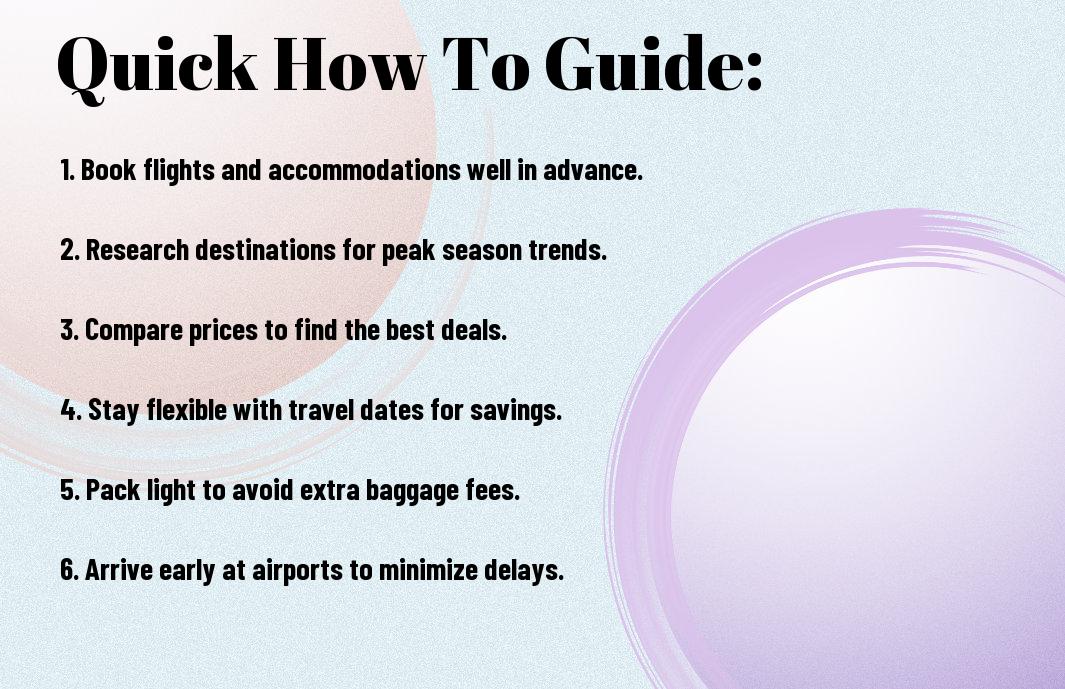
  • Book flights and accommodations well in advance.
  • Be flexible with your travel dates to find better prices.
  • Arrive at the airport earlier than usual.
  • Use mobile apps for real-time updates on your travel plans.
  • Stay informed about local customs and peak times at attractions.

The right preparation can make your trip unforgettable.

Packing Essentials

Packing efficiently is vital during peak season, ensuring you have everything you need without hinderance. Opt for lightweight clothing that can be layered, and include portable chargers for your devices. Always pack a refillable water bottle and travel-sized toiletries to save space. Remember to bring any necessary documents and keep a small first-aid kit handy for minor inconveniences.

Navigating Crowds Efficiently

While crowds can be overwhelming during peak season, there are strategies to navigate them effectively. Choose early morning or late afternoon to visit popular attractions, as these times are often less crowded. Use public transportation to avoid long waits for taxis and rideshares. Additionally, consider pre-booking tickets for attractions online, allowing you to skip long lines on-site.

Tips for navigating crowds also include staying informed about local events or festivals, which may impact crowd levels. Familiarize yourself with alternative routes and hidden gems away from the tourist hotspots. Utilize smartphone apps for live maps and crowd reports to change your plans swiftly. Leverage this knowledge to maximize your enjoyment while minimizing stress, ensuring your trip remains memorable.

Accommodation Choices

Unlike visiting during off-peak seasons, booking accommodations during peak travel times can be challenging. The demand for rooms increases, often leading to higher prices and limited availability. You need to explore a range of options that cater to different budgets and preferences, ensuring you find a suitable place to stay while enjoying your travels.

Types of Accommodations

Even though hotels are often the go-to for travelers, there are several types of accommodations available to consider:

Hotels Comfortable and often amenity-rich
Hostels Budget-friendly, great for meeting fellow travelers
Vacation Rentals Home-like experience with kitchen facilities
Bed and Breakfasts Cozy, personalized stays with breakfast provided
Camping An adventurous and affordable option

Recognizing the variety available can help you make informed decisions tailored to your travel style and needs.

Tips for Booking during Peak Season

Choices made during peak season can significantly affect your travel experience. Here are several strategies to improve your booking process:

  • Book your accommodations as far in advance as possible
  • Consider flexible dates to find better rates
  • Utilize comparison websites to explore options
  • Sign up for alerts on price drops and special deals

Assume that planning ahead will offer you the best opportunities

This approach can ensure you secure the set-up you desire during busy travel periods. Follow these guidelines for an efficient booking experience:

  • Use direct hotel websites for potential member discounts
  • Explore lesser-known areas for hidden gems
  • Be prepared to alter your choices based on availability
  • Stick to your budget but remain open to splurging if justified

Assume that your flexibility will lead to the most fulfilling stay with plenty of memorable experiences.

Transportation Considerations

Keep in mind that transportation logistics can significantly impact your peak season travel experience. It’s crucial to plan ahead and account for potential delays and busy travel times, ensuring you have reliable options for getting to and from your destination.

Airport and Public Transport Tips

If you’re navigating airports or public transport, consider these tips:

  • Book your tickets in advance to secure better rates.
  • Arrive early to account for crowds and long security lines.
  • Use mobile apps for real-time updates on transport schedules.
  • Opt for off-peak travel times when possible.

Knowing these strategies can enhance your travel experience, ensuring smoother transitions between locations.

Alternatives to Traditional Travel

Little did you know, there are many alternatives to traditional travel for navigating your peak season journey efficiently. Consider options like rideshare services, scooters, and bike rentals, which can help you avoid congested public transport and long taxi queues.

Public transportation can often be crowded during peak season, leading to delays and discomfort. By exploring alternatives such as local rideshare services, cycling, or even walking, you can enjoy a more personalized travel experience while avoiding the chaos. This flexibility not only adds spontaneity to your trip but can also save you time, allowing you to focus on enjoying your destination.

To wrap up

Ultimately, traveling internationally during peak season can be a seamless experience when you plan ahead and stay organized. Ensure you book flights and accommodations in advance, utilize travel apps for real-time updates, and consider alternative transportation options to avoid long lines. Packing efficiently and being flexible with your itinerary will enhance your journey. By following these tips, you can enjoy your travel adventures while navigating the busyness of peak season with ease and confidence.

FAQ

Q: What are the best strategies for booking flights during peak travel season?

A: When booking flights during peak travel season, timing and flexibility are necessary. Start by monitoring flight prices several months in advance using flight comparison websites. Try to book your tickets mid-week, as weekend prices can be higher. Additionally, consider flying during off-peak hours, such as early morning or late evening flights, which may be less crowded and more affordable. If possible, maintain some flexibility with your travel dates to take advantage of fare differences.

Q: How can I efficiently plan my itinerary to accommodate larger crowds?

A: To navigate larger crowds during peak season, prioritize early arrivals at popular attractions, ideally before they open. Incorporate lesser-known sights or alternate destinations into your itinerary for a more enjoyable experience. Researching what events or festivals coincide with your travel dates can also help you avoid surprise crowd surges. Finally, consider making reservations for tours and dining well in advance to skip long waits.

Q: What tips can help me avoid common pitfalls while traveling during peak season?

A: To avoid common pitfalls during peak season travel, stay organized by keeping all travel documents, itineraries, and accommodation confirmations easily accessible. Utilize mobile apps for real-time updates on flight statuses and attraction hours. Additionally, be prepared for potential delays and crowds by allowing extra travel time. Packing light can also ease movement through busy airports and tourist areas. Last but not least, maintaining a positive attitude can enhance your travel experience despite any inconveniences.

How to Plan a Long-Term International Trip

Most travelers dream of begining on a long-term international adventure, but the planning process can feel overwhelming. This guide will walk you through the necessary steps to organize your dream trip, from selecting the right destinations and budgeting effectively to securing accommodations and understanding visa requirements. By breaking down the process into manageable tasks, you’ll be well-equipped to create a memorable and enriching travel experience that meets your individual needs and desires.

Key Takeaways:

  • Research: Conduct in-depth research on your destination(s) including culture, climate, and local customs to enhance your experience.
  • Budgeting: Create a detailed budget considering travel costs, accommodations, dining, and activities to ensure financial stability.
  • Itinerary Planning: Develop a flexible itinerary that allows for both scheduled visits and spontaneous exploration of local attractions.
  • Travel Insurance: Secure comprehensive travel insurance to protect against unforeseen circumstances such as cancellations or health emergencies.
  • Documentation: Ensure that required travel documents, including passports and visas, are valid and updated well before your departure.

Understanding Long-Term Travel

The world of long-term travel offers you the chance to immerse yourself in different cultures and experiences over an extended period. This type of travel requires thorough planning and research, including understanding what it entails. For insights on How to Plan for Long-Term Travel and Living Abroad, you’ll want to explore various aspects to ensure a smooth journey.

Benefits of Long-Term Travel

Even though short trips can be exhilarating, long-term travel provides unparalleled benefits. You gain a deeper connection to local cultures, the opportunity to learn new languages, and often develop lasting friendships with locals and fellow travelers. Additionally, a lengthy stay allows you to explore at your own pace without the pressures of an itinerary.

Key Factors to Consider

If you are planning a long-term international trip, several key factors deserve your attention:

  • Budget and cost of living
  • Visa requirements and immigration laws
  • Health and safety considerations
  • Accommodation options

After weighing these aspects, tailor your travel plan accordingly.

Understanding the practical elements of long-term travel is necessary for a successful adventure. Prioritize researching your destinations thoroughly to address pertinent concerns. Compile a list of questions and answers to guide your planning:

  • What are your accommodation options?
  • How will you secure funding during your travels?
  • What vaccinations or health precautions are necessary?
  • How will you stay connected with family and friends?

After considering these factors, your long-term travel experience is likely to be enriching and memorable.

Budgeting for Your Trip

It’s necessary to create a solid budget for your long-term international trip to ensure smooth sailing. Start by identifying key expense categories such as accommodation, food, transportation, activities, and travel insurance. This will help you allocate funds wisely, allowing for a fulfilling experience without breaking the bank. You may also want to set aside a contingency fund for unexpected expenses, giving you peace of mind throughout your journey.

Estimating Costs

For an accurate assessment of your trip, research the cost of living in your chosen destinations. Factor in daily expenses including meals, lodging, and transportation. Websites and forums can provide valuable insights from fellow travelers, giving you a ballpark figure to work with. Be sure to account for any planned excursions or special activities, as these can add up quickly.

Tips for Saving Money

To stretch your budget further, consider these practical money-saving tips:

  • Travel during the off-peak season
  • Utilize public transportation
  • Opt for local eateries instead of touristy restaurants
  • Look for accommodation deals or hostels
  • Engage in free or low-cost activities

This approach can significantly reduce your overall expenses, allowing you to enjoy more experiences without overspending.

This strategy includes scouting for travel discounts or promotions and planning meals around local markets for healthier and cheaper options. Additionally, using travel reward points or cashback offers can help minimize costs. Always keep an eye out for early booking discounts. Having a clear overview of your expenditures will not only keep your money intact but also enhance your travel experience.

  • Join budget-friendly travel groups online
  • Work or volunteer for accommodation
  • Pack smart to avoid extra airline fees
  • Always look for local SIM cards for data
  • Use cashback apps for purchases

This can make a significant difference in your overall budget for the trip.

Choosing Your Destinations

Not every location will suit your travel style or preferences, so take time to explore your options. Consider factors like climate, culture, language, and activities available. Creating a diverse list allows you to tailor your adventure and ensures that you experience a variety of landscapes and experiences throughout your trip. Balancing popular spots with lesser-known gems can enrich your journey significantly.

Popular Long-Term Travel Spots

Spots like Southeast Asia, Europe, and Central America are renowned for their rich history, vibrant culture, and affordability. These areas provide ample resources for long-term travelers and a plethora of activities and attractions to keep you engaged. Familiarizing yourself with their highlights can help you decide which regions resonate most with your travel aspirations.

Off-the-Beaten-Path Options

Options such as lesser-known countries in Eastern Europe, remote islands in the Pacific, or hidden gems in South America can offer unique experiences away from the tourist crowds. These destinations often provide authentic cultural insights and breathtaking landscapes, ensuring that you return from your travels with unforgettable memories.

OfftheBeatenPath travel often leads to serendipitous encounters and discoveries that enrich your journey in ways more popular destinations may not. By venturing into regions less frequented by tourists, you can enjoy more personalized service, immerse yourself in local customs, and sometimes even benefit from lower costs and fewer crowds. This exploration approach invites adventure and spontaneity, giving you a chance to forge deeper connections with the places and people you encounter.

Creating an Itinerary

Once again, crafting a well-structured itinerary is vital for your long-term international trip. This roadmap will serve as your guide, helping you balance sightseeing, cultural experiences, and relaxation. Include key destinations, activities, and travel logistics to make the most of your adventure while ensuring you stay organized and focused throughout your journey.

Flexibility vs. Structure

On your trip, striking a balance between flexibility and structure is vital. While a detailed itinerary provides a sense of direction, leaving room for spontaneity can lead to unexpected discoveries and memorable encounters. Embrace the unexpected by allowing for changes and adjustments, ensuring your travel experience remains enjoyable and stress-free.

Tips for Planning

Little details can make a big difference in your travel itinerary. Prioritize your must-see activities, allocating sufficient time for each. Use travel apps and tools to stay organized and keep track of vital information. Don’t overpack your schedule; allocate downtime to recharge and explore. Your planning should include:

  • Research and understand local customs and traditions
  • Factor in travel times between destinations
  • Set realistic daily goals for activities
  • Stay informed about seasonal weather patterns
  • Ensure you have necessary documents and visas

Any adjustments can enhance your overall experience and help you adapt to changing circumstances.

Plus, consider the following additional tips for maximizing your trip experience. Engage with local communities and seek recommendations from residents for hidden gems. Prioritize a mix of popular attractions and off-the-beaten-path activities to gain a deeper understanding of each destination. Always keep your plans adaptable to accommodate any surprises along the way:

  • Use a travel journal to document your experiences
  • Stay open to last-minute changes in your itinerary
  • Connect with other travelers for shared suggestions
  • Utilize public transportation options to explore
  • Set aside time for relaxation and self-care

Any detailed planning will enhance your journey and make your long-term travel profoundly fulfilling.

Essential Packing Tips

All travelers can benefit from smart packing strategies. To maximize space and efficiency, consider these important tips:

  • Choose versatile clothing that you can mix and match.
  • Invest in packing cubes to organize your belongings.
  • Limit shoes to two pairs to save space.
  • Roll your clothes instead of folding them for more room.
  • Keep a digital packing list to avoid forgetting anything.

Any preparation you do will enhance your travel experience.

Travel Gear Essentials

Essentials for your trip include a sturdy backpack, a reliable travel adapter, and a reusable water bottle. Multi-functional items like a travel pillow that converts into a blanket can save space while keeping you comfortable. Don’t forget a good quality portable charger to keep your devices powered throughout your adventures.

Packing Light Strategies

An effective way to pack is to prioritize lightweight, quick-drying clothing that is easy to layer. Focus on items that can serve multiple purposes, such as a sarong that can double as a beach towel or a lightweight sweater that can be used in cool evenings and as a blanket on flights.

Plus, consider the one-in, one-out rule—each time you buy a new item on your trip, remove an old one from your bag. This helps prevent overpacking and keeps your luggage manageable. Additionally, check your itinerary to determine if certain items can be rented or purchased at your destination, further reducing your load and allowing you to travel more freely.

Navigating Logistics

Your ability to efficiently navigate logistics can significantly enhance your long-term international travel experience. Consider the various aspects of your journey, from booking flights to determining transportation options at your destinations. Proper planning will help you avoid unnecessary stress and make the most of your time abroad.

Flights and Transportation

Little details such as flexible travel dates and multiple booking sites can lead to significant savings on flights. Utilizing fare comparison tools and signing up for fare alerts will help you find the best deals. For ground transportation, research local options, such as public transit or car rentals, to ensure you explore your destination with ease.

Accommodation Options

Logistics play a vital role in selecting the right accommodation for your trip. You can choose from hotels, hostels, short-term rentals, or even homestays based on your budget and travel needs. Each option offers unique advantages, from the communal atmosphere of hostels to the privacy of apartments.

With a variety of accommodation options available, it’s important to align your choice with your travel style and preferences. If you prefer social interaction, stay in hostels or guesthouses. If you desire more independence during your travels, consider renting through platforms like Airbnb or VRBO. Be sure to read reviews and check cancellation policies to ensure a smooth experience throughout your journey.

Conclusion

Ultimately, planning a long-term international trip requires careful preparation and thoughtful consideration of your itinerary, budget, and accommodation options. As you begin on this adventurous journey, ensure you research your destinations, understand cultural nuances, and stay organized. This approach not only enhances your travel experience but also helps you avoid potential pitfalls along the way. By prioritizing your needs and personal interests, you’ll create lasting memories and enrich your perspective on the world.

FAQ

Q: What are the first steps to take when planning a long-term international trip?

A: The initial steps involve determining your destination(s) and the duration of your trip. Research different countries that interest you, considering factors such as climate, culture, and local customs. Once you have a shortlist, create a rough itinerary outlining which cities or regions you want to visit and how long you plan to stay in each location. Additionally, it’s important to establish a budget that covers airfare, accommodation, food, transportation, activities, and any unexpected expenses that may arise.

Q: How can I effectively manage my travel budget for a long-term trip?

A: To manage your travel budget wisely, start by calculating your total savings and expected expenses for the trip. Break down your budget into categories such as transportation, lodging, food, and activities. Utilize tools like budgeting apps or spreadsheets to track these expenses. Consider opting for budget-friendly accommodation and travel options, such as hostels, guesthouses, or utilizing public transport. Additionally, explore free or low-cost activities available at your destinations. Being adaptable and open to making adjustments to your original plans can also help you stay within your budget.

Q: What imperative preparations should I make before departing on a long-term international trip?

A: Prior to departure, ensure that your passport is valid for at least six months beyond your return date and check if you need any visas for your destinations. It’s also advisable to purchase travel insurance to cover any medical emergencies or trip cancellations. Make copies of important documents, such as your passport, visa, insurance, and itinerary, and store them separately from the originals. Plan your vaccinations based on the countries you’ll be visiting and consult with a healthcare provider about necessary medications. Lastly, set up international communication options, whether it’s through a global SIM card, Wi-Fi plans, or messaging apps to stay connected while abroad.

How to Make Friends While Traveling Internationally

Over your travels, you may find that connecting with locals and fellow travelers can enrich your experience and create lasting memories. Making friends while exploring new countries not only offers you unique perspectives on the culture but can also lead to adventures you wouldn’t have otherwise encountered. In this guide, you’ll discover effective strategies to meet new people, engage in meaningful conversations, and build friendships that can last well beyond your journey. Prepare to enhance your travel experience by opening yourself up to the world around you.

Key Takeaways:

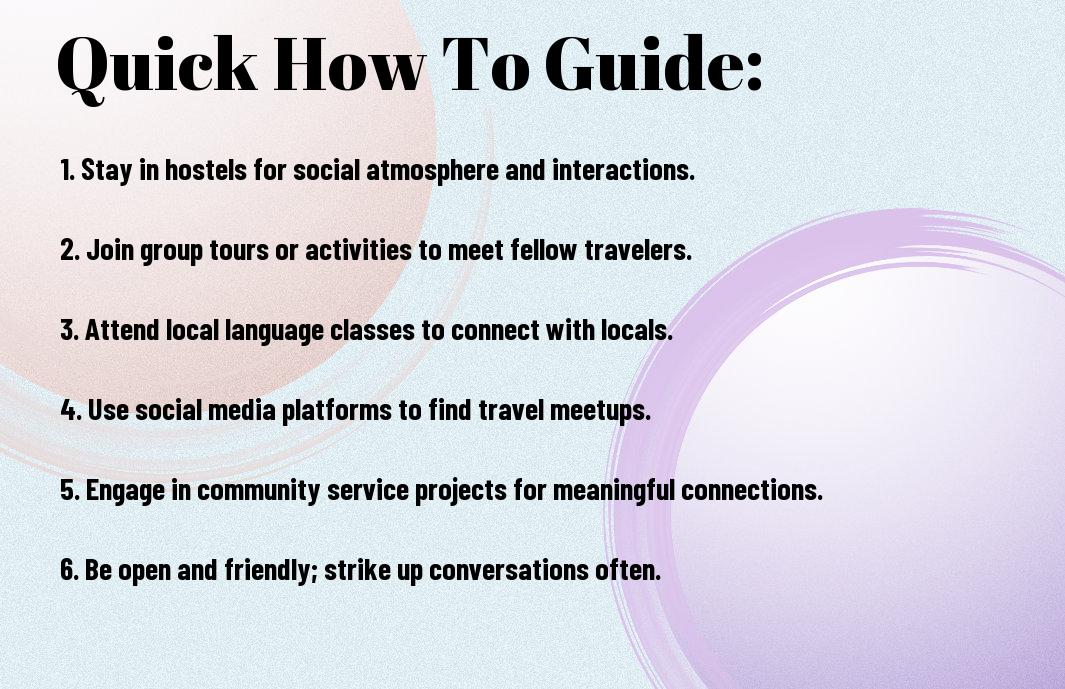
  • Engage Locally: Participate in local events, markets, or festivals to meet residents and other travelers.
  • Use Social Media: Leverage platforms like Facebook, Instagram, or travel forums to connect with others in your destination.
  • Join Tours or Classes: Sign up for group tours, classes, or workshops related to your interests, which can facilitate interactions.
  • Stay in Hostels: Opt for hostels or shared accommodations where social interactions are more likely to occur.
  • Be Open and Approachable: Approach new people with a friendly attitude and be open to conversations and invitations.

Understanding the Importance of Making Friends While Traveling

Your journey becomes much more rewarding when you make friends while traveling internationally. Connections with locals and fellow travelers can enhance your experience, providing insights into different cultures and creating memories that last a lifetime. These friendships not only add depth to your travels but also offer a support network in unfamiliar environments.

Emotional Benefits

You may find that forming friendships during your travels brings a sense of belonging and comfort. Engaging with others alleviates feelings of loneliness, and shared experiences create bonds that can support your emotional well-being. These connections can transform your adventure into an enriching journey filled with laughter and shared stories.

Cultural Enrichment

Traveling allows you to immerse yourself in new cultures and perspectives, and making friends enhances this process significantly.

Importance of forming friendships lies in the unique cultural insights they provide. Engaging with locals allows you to gain access to authentic experiences that may not be available in guidebooks. Friends can introduce you to regional customs, cuisines, and traditions, enriching your understanding of the place and enabling you to see it through their eyes. This cultural exchange fosters a deeper appreciation for diversity, making your travels more meaningful and memorable.

How to Approach New People

The key to making new friends while traveling is to approach people with an open and friendly demeanor. Smile, maintain good eye contact, and use a friendly tone when introducing yourself. Begin with a compliment or observation related to your environment, as this can serve as an excellent icebreaker. Being genuine and approachable creates a welcoming atmosphere that encourages others to engage with you as well.

Finding Social Opportunities

Approach various social activities, such as local meetups, group tours, or community events, to meet new people. Look for gatherings where like-minded travelers and locals come together, such as language exchange events, cooking classes, or volunteer opportunities. These settings often foster a friendly atmosphere, making it easier for you to connect with others and forge new friendships.

Starting Conversations

Little conversations can lead to meaningful connections. Begin with simple, open-ended questions about the other person’s travel experiences or their favorite local spots. By showing genuine interest in their story, you create an engaging dialogue where both of you can share insights. It’s a fantastic way to break the ice and explore common interests.

The more you practice starting conversations, the more confident you will become. Share a bit about yourself to create a two-way exchange and encourage them to open up. Learn to listen actively, as this shows that you value their perspective and can help deepen the connection. Always be open to following up with questions or comments that relate to what they share, allowing the conversation to flow naturally and organically.

Tips for Building Connections

Now that you’re ready to expand your social circle while traveling, consider these important tips for building connections:

  • Join group tours or activities.
  • Stay in hostels or shared accommodations.
  • Attend local events or festivals.
  • Participate in volunteer opportunities.
  • Practice active listening and show interest in others.

This approach not only enhances your experience but also opens doors to potential friendships.

Being Open and Approachable

Little gestures can make a significant difference in how others perceive you. Maintain a friendly demeanor by smiling and making eye contact when engaging with people. Show enthusiasm for interactions and be willing to strike up conversations, even with those who may seem reserved. This openness will invite others to connect with you, paving the way for meaningful friendships.

Utilizing Social Media and Apps

An effective way to meet new people while traveling is by leveraging social media platforms and apps specifically designed for travelers. These tools can help you find local meetups, events, or groups that align with your interests.

Media platforms like Facebook, Meetup, and Instagram are excellent for discovering local communities and events. You can join travel-related groups, RSVP to gatherings, or post about your availability for hangouts. Apps tailored for connecting travelers, such as Couchsurfing or Bumble BFF, can also facilitate friendships. By actively engaging on these platforms, you’re more likely to connect with like-minded individuals, enriching your travel experience even further.

Factors Affecting Friendships While Traveling

Many factors can influence the friendships you form while traveling internationally. Understanding these elements can help enhance your social experience. Consider the following:

  • Location and accessibility
  • Cultural norms and values
  • Openness to new experiences
  • Personal interests and hobbies
  • Language skills

The dynamics of each of these factors play a significant role in shaping your connections abroad.

Cultural Differences

While traveling, you may encounter diverse cultural practices that can affect your interactions. Being aware of these differences can help you navigate social situations with greater ease. For instance, gestures, eye contact, and conversational styles can vary significantly across cultures, impacting how friendships develop. Adapting to local customs shows respect and can lead to more meaningful connections.

Language Barriers

For many travelers, language barriers can pose significant challenges in forming friendships. While you might feel hesitant to engage with locals due to limited language skills, it’s important to remain open and approachable. You can utilize simple phrases, translation apps, or even body language to communicate effectively.

A positive attitude can help you overcome any language obstacle you encounter. You may find that even minimal communication can lead to surprising connections. Many people appreciate the effort you make to speak their language, regardless of fluency. Engaging in group activities, such as tours or classes, can also facilitate friendships with fellow travelers and locals alike, creating bonds that transcend spoken language. Your willingness to embrace these opportunities can transform your travel experience into a series of enriching social interactions.

Activities to Meet Others

All around the world, engaging in activities can greatly enhance your travel experience and help you connect with fellow travelers and locals. From adventurous excursions to cultural experiences, finding ways to meet others creates lasting memories and friendships. Become involved in group settings where shared interests can flourish, making it easier to strike up conversations and form connections that may follow you long after your trip ends.

Joining Tours and Group Activities

While exploring a new destination, consider joining tours and group activities tailored to your interests. Whether it’s a guided city walk, a cooking class, or an adventurous excursion, these settings often bring together like-minded individuals. Taking part in group experiences not only enriches your understanding of the culture but also offers ample opportunities to bond with fellow participants, making it easier to forge new friendships.

Attending Local Events

Others may find that attending local events is an excellent strategy for meeting new people while traveling. Events such as festivals, markets, or cultural shows can introduce you to both locals and other visitors. Engaging in the vibrant atmosphere of these gatherings allows for meaningful interactions, as you share unique experiences and enjoy the local culture together.

For instance, if you attend a music festival, you might strike up a conversation with someone while waiting in line for food or drinks. Engaging with locals at art fairs, sporting events, or community celebrations can also create opportunities to connect over shared passions or experiences. By immersing yourself in local events, you not only expand your social circle but also gain insights into the community’s culture, traditions, and way of life, adding an enriching layer to your travel experience.

Nurturing Friendships After Travel

Keep the connections you’ve made alive by reaching out regularly. Whether through social media, messaging apps, or emails, maintaining communication is crucial for building lasting bonds. Share updates on your life, ask about their experiences, and express interest in their culture. A few minutes spent each week can strengthen your friendships and enrich your travel memories.

Keeping in Touch

Little gestures can go a long way in keeping your friendships strong. Send a quick message when you think of them, share interesting articles, or reminisce about shared experiences. Establishing a routine check-in can help you both stay engaged and feel connected despite the distance.

Planning Future Meet-ups

Meetups are an excellent way to deepen your friendships and create new memories. Plan future visits when you are traveling or invite your friends to visit your hometown. You could also consider attending cultural events, festivals, or trips together that align with your mutual interests, fostering further bonding and exploration.

Understanding your friend’s location and interests can make planning meet-ups more enjoyable and meaningful. Research potential spots you both want to explore, and suggest concrete dates for your next adventure. Being proactive in planning not only shows your commitment to the friendship but also creates excitement for future experiences together. Don’t wait too long; make those plans happen, as shared journeys can turn friendships into lasting connections.

To wrap up

Hence, making friends while traveling internationally can enrich your experience and broaden your horizons. Engaging with locals, utilizing social platforms, and participating in group activities are effective ways to foster connections. Don’t hesitate to step out of your comfort zone; your willingness to communicate and share experiences will create lasting friendships. By embracing cultural differences and showing genuine interest, you can forge meaningful relationships that enhance both your journey and your understanding of the world.

Q: How can I meet new people when traveling alone?

A: Meeting new people while traveling alone can be an exciting adventure. Consider staying in hostels, which often have communal areas where travelers gather. You could also join group tours or activities, such as cooking classes, hiking trips, or local city tours. Finally, using social media platforms or travel apps designed for networking, like Meetup or Couchsurfing, can help you connect with locals and other travelers looking to make friends.

Q: What are some effective ways to engage with locals during my travels?

A: Engaging with locals can enhance your travel experience significantly. Start by learning a few key phrases in the local language; this shows respect and can open doors to conversations. Visit local markets, cafes, or events where residents gather. Participating in community activities or volunteering can also create opportunities to meet people and make genuine connections. Lastly, don’t hesitate to strike up conversations with locals by asking for recommendations or sharing your travel experiences.

Q: How can cultural differences impact making friends while traveling?

A: Cultural differences can impact the way friendships are formed while traveling. In some cultures, people might be more reserved and take longer to warm up to newcomers, while in others, they might be more open and welcoming. It’s important to be mindful of local customs and etiquette. Approach people with respect and an open mind. Understanding cultural norms can help you navigate social interactions more effectively and avoid misunderstandings that could arise due to different communication styles.

How to Handle International Travel Emergencies

Emergencies can disrupt even the most meticulously planned trips abroad, leaving you feeling overwhelmed and uncertain. Knowing how to navigate these situations effectively is crucial for your safety and peace of mind. In this guide, you will learn practical strategies for managing various international travel emergencies, from medical issues to lost documentation. By being prepared and informed, you can tackle challenges head-on and ensure a smoother journey, no matter where you are in the world.

Key Takeaways:

  • Stay informed: Keep updated with travel advisories and local news for your destination to anticipate potential issues.
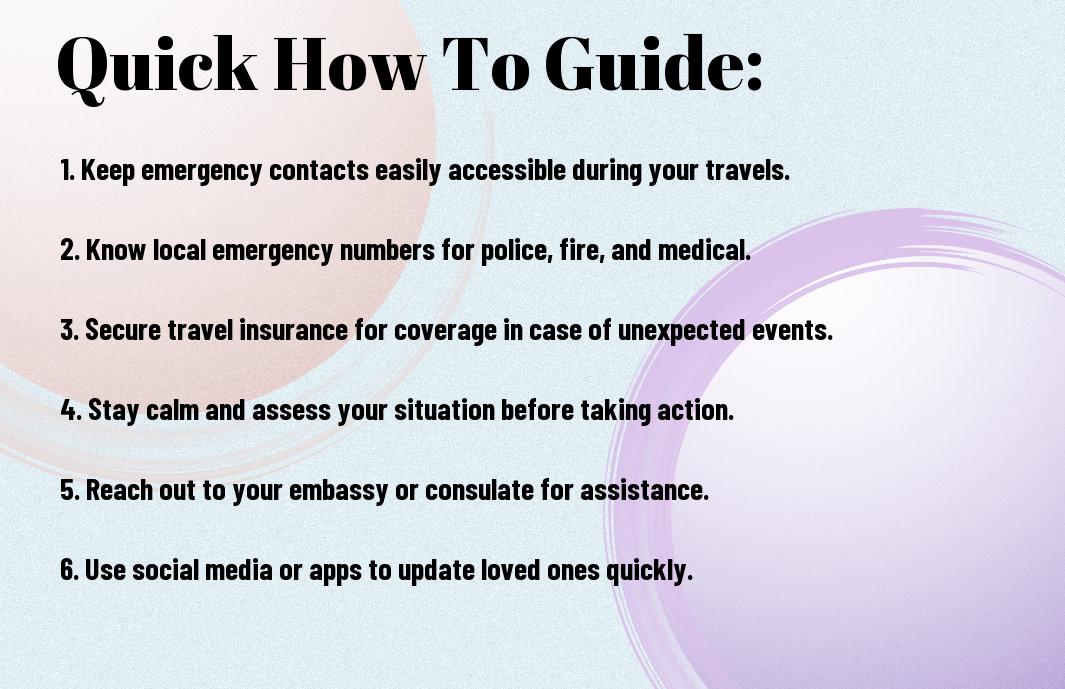
  • Emergency contacts: Have a list of important contacts, including your country’s embassy and local emergency services, handy at all times.
  • Travel insurance: Invest in comprehensive travel insurance that covers medical emergencies, trip cancellations, and lost belongings.
  • Health preparedness: Carry necessary medications and understand local healthcare options to address health emergencies effectively.
  • Communication tools: Use reliable communication methods, such as international roaming or local SIM cards, to stay connected with family and authorities.

Understanding Travel Emergencies

For any traveler, understanding travel emergencies is vital to ensure a safe and enjoyable trip. Emergencies can arise unexpectedly, ranging from health issues to natural disasters, and knowing how to react can make a significant difference in the outcome. By having a plan and being prepared, you can navigate these challenging situations with greater confidence and composure.

Common Types of International Travel Emergencies

Common travel emergencies can disrupt your journey and impact your safety. Here are some prevalent issues you might encounter:

  • Medical emergencies
  • Lost or stolen travel documents
  • Natural disasters (earthquakes, floods)
  • Political unrest
  • Transportation disruptions

The awareness of these situations allows you to prepare and respond effectively when the need arises.

Travel Emergency Type Potential Impact
Medical Emergency Hospitalization or treatment required
Lost Documents Travel delays and legal issues
Natural Disasters Evacuation and safety risks
Political Unrest Safety concerns and travel advisories

Key Factors to Consider in Emergencies

One of the most important aspects to consider during emergencies is prompt decision-making. Assess your surroundings, gather relevant information, and consider your options carefully. Taking these steps can help mitigate risks and provide clarity in stressful situations.

  • Stay calm and composed
  • Evaluate the situation thoroughly
  • Reach out for local assistance
  • Keenly understand your resources

Thou must also stay informed about the local laws and emergency protocols before traveling. Familiarize yourself with emergency contact numbers and local embassy information. It’s important to know the location of the nearest hospital or clinic should a health issue arise. Being well-prepared allows you to act swiftly and effectively during any emergency.

  • Keep emergency contacts handy
  • Know the local language basics
  • Stay aware of your environment
  • Have a basic first-aid kit accessible

The preparation and knowledge you possess can significantly impact your ability to respond successfully when faced with unexpected challenges during your travels.

How to Prepare Before You Travel

The best way to ensure you’re equipped to handle international travel emergencies is to prepare thoroughly before you leave. Start by gathering all necessary documents, securing reliable insurance, and familiarizing yourself with local customs and emergency protocols of your destination. Being proactive in your planning can make a significant difference should an unexpected situation arise on your trip.

Essential Documentation and Information

The foundation of your travel preparedness lies in your documentation. Carry multiple copies of important documents such as your passport, visa, travel insurance, and emergency contacts. Store a digital backup on your phone or in cloud storage for easy access if originals are lost or compromised.

Tips for Emergency Contacts and Communication

If an emergency occurs while you’re traveling, having a plan for communication is vital. Keep a list of important contacts, including family, friends, your country’s embassy, and local emergency services. Familiarize yourself with how to use your phone abroad and consider purchasing a local SIM card or an international plan for better connectivity. Here are some helpful tips:

  • Save important numbers in your phone and write them down.
  • Share your itinerary with someone you trust back home.
  • Enable location sharing with a trusted contact.

Knowing who to contact and how to reach them can ease your mind in times of crisis.

Information about emergency contacts should be comprehensive and accessible. In addition to saving important phone numbers, you should also have a clear understanding of the communication resources available to you at your destination. Consider downloading relevant apps, like those for translation or local emergency services, beforehand. Here are some practices to follow:

  • Verify that your devices are charged and capable of international use.
  • Familiarize yourself with local emergency numbers, as they can differ from your home country.
  • Ensure that your family and friends know how to reach you overseas.

Knowing how to communicate effectively can make navigating emergencies more manageable and less stressful.

Immediate Actions During an Emergency

Many travelers face unexpected situations while abroad, and it’s important to act swiftly. Begin by staying calm and focused, as this will help you think clearly and make sound decisions. Contact local authorities if necessary, and ensure your safety before taking further steps. Assess the situation and reach out to your travel insurance provider to understand your coverage and available resources. Staying alert and informed will guide your actions and help you regain control of the situation.

Assessing the Situation

To effectively manage an emergency, you should first evaluate the severity and implications of the situation. Take a moment to gather your thoughts while surveying your surroundings. Identify any potential hazards and consider what immediate risks may affect you and others nearby. This assessment will guide your next steps and help you prioritize your actions.

Utilizing Local Resources

Now that you’ve assessed the situation, you can utilize local resources to help address your emergency. Seek out nearby embassies, hospitals, or law enforcement agencies to provide assistance. Don’t hesitate to ask locals for directions or recommendations, as they can offer valuable insight on how to navigate the area safely. Additionally, consider using your smartphone to access maps and reviews for further guidance.

With the abundance of resources available, it’s vital to leverage what the local community offers. Local authorities can assist with safety or legal matters, while hospitals can provide medical care. Furthermore, many travelers’ assistance apps and hotlines cater specifically to international emergencies, often offering language support and important info about services in your vicinity. Always trust your instincts and prioritize your safety as you engage with these resources.

Tips for Safety and Support

Your safety should always be a priority while traveling internationally. Here are some tips to keep in mind:

  • Stay informed about local laws and customs.
  • Keep emergency contact numbers handy.
  • Have a backup of important documents.
  • Trust your instincts and avoid risky situations.

Perceiving your surroundings and being aware of potential risks can significantly enhance your safety while traveling.

Staying Calm and Focused

With unexpected situations, staying calm can help you think clearly and make informed decisions. Take deep breaths, assess your surroundings, and visualize possible solutions to the problem at hand. Your ability to remain composed not only aids in problem-solving but also reassures those around you.

Engaging with Local Authorities

While facing an emergency, engaging with local authorities can provide valuable support and resources. Don’t hesitate to approach law enforcement or emergency services for assistance, as they are equipped to handle various situations, including thefts, medical emergencies, or natural disasters.

Authorities are usually well-trained to assist travelers and can guide you through the appropriate channels for resolving any issues. They can offer advice, connect you with necessary services, and keep you updated on the local situation. Establishing a rapport with them, when necessary, can enhance your safety and provide you with peace of mind during challenging moments.

Post-Emergency Procedures

Despite the initial chaos of an emergency, it’s imperative to calmly transition into the post-emergency phase. This involves assessing your situation, communicating with relevant parties, and ensuring your immediate needs are met. Engage local authorities or your travel insurance provider to understand the next steps, ensure your safety, and restore a sense of normalcy as you navigate through the aftermath.

Reporting Incidents

There’s a vital need to report the incident to local authorities and your embassy if necessary. Providing accurate details not only aids in creating a record for potential claims but also helps in understanding the local implications of the event. Depending on the situation, ensure you gather necessary documentation, including photos or witness statements, to bolster your report.

Following Up on Safety and Support

Assuming the incident has been reported, you should focus on connecting with local resources for support. This might include finding out about mental health services or assistance programs available for travelers in distress.

The aftermath of an emergency can be daunting, and it’s important to prioritize your mental and emotional wellbeing. Seek out therapy services or support groups available in your area, and don’t hesitate to reach out to your friends and family back home for emotional support. Following up with your travel insurance provider may also be beneficial, as they can assist you with claims related to the incident, ensuring you have the necessary resources to regain your peace of mind.

Travel Insurance Insights

Not having travel insurance can turn a minor mishap into a financial disaster. Insurance can help handle emergencies like trip cancellations, medical issues, and lost belongings, allowing you to travel with more confidence. Always research and choose the right coverage to tailor it to your needs while exploring abroad.

Understanding Your Policy

There’s a lot of fine print when it comes to travel insurance. Ensure you read your policy thoroughly to understand what is and isn’t covered. Look out for exclusions, limitations on coverage amounts, and any necessary documentation required for claims. Knowing these details will empower you to take full advantage of your insurance during your travels.

Tips for Filing Claims

One of the most important steps is to document everything. Gather evidence such as receipts, medical records, and photos to support your claim. Follow these guidelines to streamline the process:

  • Notify your insurer immediately after an incident.
  • Keep all documentation organized and accessible.
  • Follow up regularly until your claim is processed.

Assume that delays may occur, so being proactive is key.

Plus, you should be aware of possible time limits on filing claims, which can vary significantly by policy. Here are additional tips to consider:

  • Review deadlines specified in your policy to avoid losing your coverage.
  • Be detailed in your claim description to clarify the incident.
  • Contact customer support if you have questions or need guidance.

Assume that staying informed about these aspects will lead to a smoother claim experience.

Summing up

Taking this into account, handling international travel emergencies effectively requires preparation and the right mindset. You should familiarize yourself with the local laws, healthcare facilities, and emergency contacts of your destination. Prioritize keeping important documents accessible and consider travel insurance for added security. Staying calm and composed will help you navigate unexpected situations with greater ease. By planning ahead and being proactive, you can ensure that you’re ready to address any challenges that arise during your travels.

FAQ

Q: What should I do immediately if I lose my passport while traveling internationally?

A: If you find yourself without your passport, the first step is to report the loss to the local police, as you’ll need a police report for the replacement process. Next, contact your country’s embassy or consulate. They will guide you on the necessary documents required for the replacement passport, which typically includes a passport photo, proof of citizenship, and identification. Ensure you have copies of your passport and other important documents stored securely (either physically or digitally) to facilitate this process.

Q: How can I access medical care while traveling abroad in case of an emergency?

A: In case of a medical emergency while traveling, first locate the nearest reputable hospital or clinic. It’s advisable to have travel insurance that includes medical assistance, as they often provide 24/7 support and can direct you to appropriate medical services. If you are unable to contact your insurance provider immediately, don’t hesitate to seek help from locals or hotel staff who may know the best facilities nearby. Always keep your insurance information readily accessible to expedite the process.

Q: What steps should I take if I experience theft or loss of valuable items while traveling?

A: If your valuables are stolen, immediately report the theft to local law enforcement. Obtain a copy of the police report, as this may be required for insurance claims. Next, contact your bank or credit card company to report lost cards and protect your accounts from unauthorized usage. If you have travel insurance, inform your provider about the situation to understand coverage for theft and how to file a claim. Additionally, inform your accommodations about the theft for further assistance.

Skip to content