Markets

How to Experience Local Markets and Street Vendors Abroad

Just venturing into local markets and sampling street food can elevate your travel experience to new heights. These vibrant hubs provide a genuine taste of a culture, allowing you to connect with the locals and explore unique flavors that you won’t find in typical tourist spots. In this post, you will discover tips on how to navigate these bustling environments, engage with vendors, and make the most of your culinary adventures while abroad. Get ready to look into the lively atmosphere and enjoy the authentic tastes that await you!

Key Takeaways:

  • Research local customs and etiquette to enhance your experience and show respect to vendors.
  • Engage with sellers by asking questions about their products, which can lead to interesting conversations and insights.
  • Savor the local cuisine by trying street food, as it offers authentic flavors and a taste of the region’s culture.
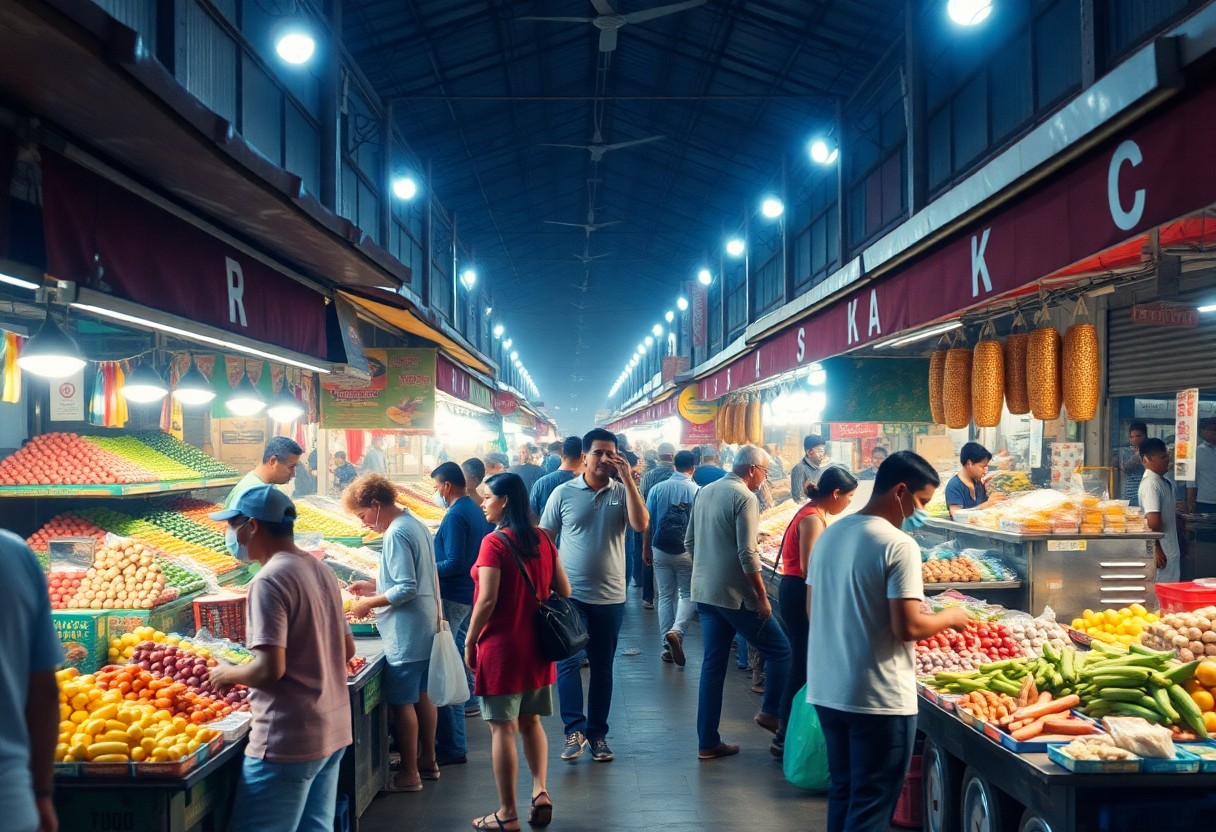
Understanding Local Markets

A local market is more than just a place to shop – it’s an integral part of the culture. You’ll find vibrant colors, enticing aromas, and the sounds of lively bartering all telling their own unique story. Engaging with local markets allows you to connect with the community and gain insight into their everyday lives.

Types of Local Markets

By exploring various local markets, you can discover unique offerings and experiences. Here are some common types you might encounter:

Farmers’ Markets Fresh produce and artisanal goods.
Flea Markets Antiques, vintage clothing, and crafts.
Night Markets Street food and entertainment.
Handicraft Markets Locally made artisanal products.
Fish Markets Fresh seafood and local specialties.
  • Understand local customs.
  • Try street food unique to the region.
  • Interact with local artisans.
  • Discover bargaining techniques.
  • Immerse yourself in local culture.

Any visit to a local market can be an unforgettable experience.

Cultural Significance of Markets

For many communities, markets are the heart of social interactions, providing a sense of belonging. They foster connections among locals and visitors alike, allowing you to witness traditions and rituals firsthand.

Markets are vibrant ecosystems that reflect the values, histories, and identities of the people who inhabit them. They serve as gathering spaces where stories are exchanged, and community ties are strengthened. You’ll not only find diverse products but also experience the local culture, which contributes to a profound understanding of the place you are visiting. Building connections through conversations with vendors enhances the richness of your experience.

Finding Local Street Vendors

There’s a vibrant world waiting for you at local street vendors, often showcasing the most authentic regional flavors and artisan crafts. To fully immerse yourself in this experience, you should venture beyond the tourist hotspots and explore neighborhoods where locals gather. Street vendors are not just a food source; they offer a glimpse into the culture and daily life of the community.

Researching Locations

Street vendors can be found in various settings, so take the time to research popular local markets, festivals, or street fairs where vendors converge. Check online resources, travel blogs, or social media to uncover hidden gems and recommended locations. Aim for areas frequented by residents, as these spots often host the best local fare.

Engaging with Locals for Tips

Locals often provide invaluable insights into the best street vendors in the area. Take the opportunity to strike up conversations and ask for recommendations. This can lead you to lesser-known stalls that offer unique dishes or crafts. Consider these conversation starters when engaging with locals:

  • Ask about their favorite street food.
  • Inquire about any upcoming local events or festivals.
  • Seek recommendations for vendors that sell authentic regional specialties.

After gathering tips, you will enhance your experience by directly exploring the vendors that resonate most with your interests.

The exchanges with locals can deepen your understanding of the culture and traditions behind the food or crafts. They usually love sharing their knowledge, making your journey richer. To get the most out of your conversations, consider:

  • Complimenting their local knowledge or favorite dishes.
  • Asking for insights on the history of specific dishes.
  • Sharing your own experiences in their area.

After engaging in these discussions, you will likely find recommendations that lead you to unforgettable culinary and cultural experiences.

Best Practices for Exploring Markets

Unlike typical tourist experiences, exploring local markets and street vendors can provide an authentic glimpse into the culture and daily life of a destination. To make the most of your visit, engage with vendors, sample street food, and embrace the lively atmosphere. Be open to bargaining, but do so respectfully. Keep an eye on your belongings, and be mindful of your surroundings to fully enjoy the vibrant offerings that each market presents.

Safety Tips

About safety, it’s necessary to stay vigilant while you navigate bustling markets. Here are some important tips to keep in mind:

  • Keep your valuables close and secure.
  • Be cautious of pickpockets, especially in crowded areas.
  • Stick to well-lit and populated sections of the market.
  • Trust your instincts—if something feels off, leave the area.

After following these precautions, you can enjoy your market exploration with peace of mind.

Respecting Local Customs

Among the customs to respect while exploring markets is understanding local etiquette. Being aware of cultural norms and practices fosters better interactions with vendors and locals alike.

Another important aspect is to be sensitive to the local culture; this includes greetings, body language, and even how you shop. For instance, in some cultures, haggling is a cherished tradition, while in others, fixed prices are expected. Always ask for permission before taking photos of people or their stalls, and consider dressing modestly in more conservative regions to show respect. By immersing yourself mindfully in local customs, you’ll enrich your experience and build connections with the community.

Must-Try Local Foods

Many vibrant cultures around the world are best experienced through their delectable local dishes. Indulging in traditional foods presents an opportunity to savor authentic flavors that tell the story of a region’s heritage and customs. From artisanal cheeses in France to spicy street tacos in Mexico, each bite offers a unique taste of the locale. Don’t hesitate to ask local vendors for their specialties; these hidden gems often provide unforgettable culinary experiences that you won’t find in tourist restaurants.

Popular Street Foods Around the World

After exploring bustling markets, you’ll find that street food is a must-try for any traveler. Each country boasts its signature dishes, from savory satays in Indonesia to mouthwatering gelato in Italy. Sampling local street food not only pleases your palate but also immerses you in the vibrant culture of the area. Be adventurous and let your taste buds guide you through these culinary experiences.

How to Choose Safe Food Options

On your culinary journey, prioritize safety by choosing food that appears fresh and is cooked thoroughly. Pay attention to how busy the vendor is; typically, a long line indicates a popular spot with high turnover, suggesting fresher ingredients. Additionally, opt for food that is served hot, as this minimizes the risk of foodborne illness. Trust your instincts; if something looks sketchy, don’t hesitate to move on.

MustTry these tips to ensure you enjoy safe and delicious street food. Observe the cleanliness of the vendor’s stall and their food handling practices, as this can be telling about food safety. Always opt for dishes that are prepared in front of you, which not only guarantees freshness but also offers a dynamic dining experience. Lastly, consider sticking with well-known local favorites; they’re often tried-and-true dishes that locals love and frequent. Stay informed and enjoy every bite of your adventure!

Bargaining Techniques

Not all vendors expect you to pay the initial price they offer. Understanding the local culture will equip you with effective bargaining techniques, allowing you to negotiate confidently. Building rapport is key; greet the vendor with a smile and be polite, as this can lead to a more favorable price. Don’t hesitate to walk away if the price doesn’t meet your expectations; often, this will prompt them to offer a better deal.

Understanding Price Expectations

Between local customs and economic factors, price expectations can vary significantly. Take time to observe what others are paying for similar items and engage with locals to gain insights on fair prices. This background knowledge prepares you to negotiate intelligently and helps avoid overpaying.

Effective Negotiating Strategies

Beside being informed about local pricing norms, effective negotiating strategies are important. Approach the negotiation with a friendly attitude, and be willing to share your budget constraints. Offering to purchase multiple items can also enhance your bargaining power, encouraging the vendor to give you a better deal as you are likely to attract more sales. If you sense resistance, suggest a price you’re comfortable with and be patient as you negotiate back and forth.

Understanding the art of negotiation goes beyond just numbers; it’s about creating a connection. Establish a friendly dialogue with the vendor and listen actively to their responses. If possible, compliment their goods to create a positive atmosphere. Offer a specific price that feels fair to you, but be open to counteroffers. Using small talk or humor can also lighten the mood, making the process more enjoyable. Ultimately, your aim should be to leave with a smile, knowing both you and the vendor feel satisfied with the exchange.

Documenting Your Experience

After immersing yourself in the vibrant atmosphere of local markets and street vendors, take time to document your experience. Capturing these moments will not only enhance your memories but also serve as a valuable reference for future travels. Whether through photography, journaling, or social media, preserving your interactions can enrich your understanding of different cultures and culinary delights.

Photography Tips

On your journey, capturing stunning photographs can help you relive your experiences once you’re back home. Here are some tips to enhance your street photography:

  • Use natural lighting whenever possible for a more authentic feel.
  • Get close to your subjects to showcase details and emotions.
  • Be respectful and always ask for permission when taking close-up shots of vendors or customers.
  • Experiment with different angles and compositions to create dynamic images.

Any images that highlight the vibrancy and energy of local markets will surely evoke fond memories for years to come.

Keeping a Travel Journal

The practice of keeping a travel journal is an excellent way to document your experiences in local markets. Writing about your encounters not only allows you to reflect on what you saw, tasted, and felt, but it also helps solidify your memories of those unique moments.

Another benefit of maintaining a travel journal is that it prompts you to engage more deeply with your surroundings. You can jot down descriptions of flavors, the stories behind the vendors, and cultural nuances that you observe. This often leads to a more immersive experience, helping you connect with the places you visit on a personal level. Plus, your written accounts will become treasured mementos that you can revisit long after your journey ends.

Final Words

Conclusively, immersing yourself in local markets and street vendors abroad offers a vibrant cultural experience that enhances your travel. Engage with local sellers, sample authentic cuisine, and explore unique crafts to truly understand the area’s heritage. Navigate these markets with an open mind and a keen sense of curiosity, allowing you to connect on a personal level with the local community. By approaching each interaction with respect and enthusiasm, you can create lasting memories while supporting local economies and embracing the spirit of your destination.

FAQ

Q: What are some tips for finding local markets and street vendors when traveling abroad?

A: To discover local markets and street vendors, start by researching your destination online. Look for blogs, travel guides, or social media posts that highlight popular market areas. You can also ask locals for recommendations once you arrive. Another effective method is to explore neighborhoods away from tourist hotspots, as these areas often feature authentic markets. Taking a walking tour can also lead you to fascinating local spots that might not be listed in traditional travel resources.

Q: How can I ensure that the food from street vendors is safe to eat?

A: To gauge the safety of food from street vendors, observe the cleanliness of the stall and the vendor’s hygiene practices. Choose vendors who are busy, as high sales often indicate fresh and safe food. Pay attention to how the food is prepared and served; items that are cooked in front of you can be a safer choice compared to pre-prepared meals. Furthermore, if you’re sensitive to food safety, considering trying food that’s cooked thoroughly or served hot to minimize any risk.

Q: What cultural etiquette should I be aware of when visiting local markets and interacting with street vendors?

A: Each culture has its own customs, so it’s advisable to learn about the local etiquette before your visit. Generally, greeting the vendor with a polite hello or a smile is a good practice. In some cultures, haggling might be expected, while in others, prices are fixed. Be respectful and aware of gestures that could be considered rude. It’s also beneficial to ask questions about the products or food, which can lead to engaging conversations and a richer experience. Learning a few basic phrases in the local language can also enhance your interactions.

The Best International Food Markets to Explore

You have the opportunity to explore the vibrant world of global cuisine by visiting international food markets. These bustling hubs not only offer a sensory adventure with aromas and colors but also showcase the rich diversity of cultures through their culinary traditions. From fresh produce to exotic spices, each market is a treasure trove waiting to be discovered. In this guide, you’ll learn about some of the best food markets around the world, each promising a unique experience to satisfy your culinary curiosity.

Key Takeaways:

  • Diverse Offerings: International food markets feature a wide variety of local and international delicacies, providing an opportunity to explore different cuisines.
  • Cultural Experience: Visiting these markets allows you to immerse yourself in the local culture, from the color of the stalls to the sounds and flavors present.
  • Fresh and Authentic: Many food markets prioritize fresh, organic produce and authentic foods, ensuring a quality dining experience that highlights local ingredients.

Top International Food Markets

A journey through international food markets offers a vibrant tapestry of flavors and cultures. Each market showcases local ingredients, traditional dishes, and a bustling atmosphere that invites you to explore and enjoy. From fresh seafood to artisanal cheeses, these food havens promise an unforgettable experience for any food lover.

Mercato di Rialto, Venice

Any visit to Venice would be incomplete without a stop at the Mercato di Rialto. This iconic market is a sensory delight, bustling with vendors selling the freshest seafood, colorful fruits, and freshly baked bread. Strolling through the market, you can soak in the lively atmosphere and indulge in delicious local ingredients that capture the essence of Venetian cuisine.

La Boqueria, Barcelona

Barcelona’s vibrant La Boqueria market is a feast for the senses. This bustling food market, located off the famous Las Ramblas, offers a wide array of fresh produce, cured meats, and exquisite cheeses, all beautifully displayed. You can sample local delicacies and experience the culinary diversity of Spain while enjoying the market’s lively ambiance.

Also, don’t miss out on trying some tapas while you’re at La Boqueria. The market features numerous bars and eateries where you can savor traditional Spanish tapas, prepared with locally sourced ingredients. Enjoy a refreshing glass of sangria as you soak in the vibrant atmosphere of this bustling market, making it the perfect place to indulge in authentic Catalan flavors.

Borough Market, London

The renowned Borough Market is a must-visit for any food enthusiast in London. This historic market boasts an impressive selection of artisanal foods, gourmet ingredients, and vibrant street food stalls. Here, you can browse through fresh produce, specialty cheeses, and baked goods, all while engaging with passionate vendors eager to share their stories.

At Borough Market, you have the opportunity to join weekly tastings and seasonal events that showcase local producers and their crafts. Dive into diverse cuisines and discover innovative food concepts, making this market an exciting hub for culinary exploration and a delightful experience for your taste buds.

Tsukiji Outer Market, Tokyo

To experience Tokyo’s culinary scene, you must explore the Tsukiji Outer Market. This famous market is a food lover’s paradise, filled with stalls selling fresh seafood, produce, and unique Japanese delicacies. As you wander through, you can sample a wide range of street food, from sushi to traditional sweets, immersing yourself in Japan’s rich culinary culture.

Market enthusiasts will appreciate the early morning hustle and bustle at Tsukiji. Vendors are eager to showcase their fresh fish and local produce, allowing you to engage in lively conversations while you taste their offerings. The vibrant atmosphere and plentiful options make this market an unforgettable experience for anyone looking to discover the heart of Tokyo’s food culture.

Chatuchak Weekend Market, Bangkok

Above all, the Chatuchak Weekend Market in Bangkok stands out as one of the largest and most diverse markets in the world. This sprawling marketplace offers a myriad of food stalls serving traditional Thai dishes, fresh produce, and exotic snacks. You’ll find everything from pad Thai to refreshing coconut ice cream, making it a culinary adventure for your taste buds.

Bangkok’s Chatuchak Market also features vibrant social scenes and local experiences. As you stroll through the maze of stalls, you’ll encounter not just food but also handicrafts and souvenirs, creating a unique shopping atmosphere. This market embodies the spirit of Bangkok and offers you an incredible opportunity to sample local cuisine while immersing yourself in the city’s lively culture.

Unique Regional Delicacies

Now that you’ve decided to explore international food markets, immerse yourself in a world of unique regional delicacies. Each market boasts its own signature items that reflect the cultural heritage of its locality. By sampling these distinctive treats, you not only indulge your palate but also gain insight into the culinary traditions and history that shape the communities you visit.

Mediterranean Influences

After concluding your Mediterranean adventure, you’ll discover a bounty of flavors that epitomize the sun-soaked coasts and rich history of this vibrant region. Fresh ingredients like olives, cheeses, and aromatic herbs come together in dishes that celebrate the Mediterranean lifestyle. Don’t miss an opportunity to practice your skills in selecting the finest olive oils or indulging in local dips like tzatziki or hummus.

Asian Flavors

Delicacies from the Asian markets are a celebration of diverse cultures, offering an array of intense flavors and unique textures that excite your senses. From the fragrant spices of Indian curry to the light and fresh taste of Vietnamese pho, Asian food markets serve up dishes that are rooted in tradition yet are constantly evolving. You can discover everything from fresh sushi ingredients to street food staples like dim sum.

Consequently, these offerings provide an excellent opportunity for you to expand your culinary repertoire. You can experiment with various sauces, fresh herbs, and unique cooking methods that define Asian cuisine. Don’t forget to explore lesser-known delicacies like Korean kimchi or Thai street food, which highlight the depth and variety of flavors available. As you navigate through these markets, take the time to ask vendors about their recommendations; they have valuable insights that can greatly enhance your experience.

Tips for Navigating Food Markets

All food markets can be a sensory overload, but with a few tips, you can enhance your experience. Consider the following:

  • Go early for the freshest products.
  • Carry small change to make transactions easier.
  • Be open to trying new flavors and textures.
  • Engage with locals to get recommendations.
  • Stay aware of your surroundings to avoid chaos.

Knowing these tips will help you navigate the bustling ambiance of food markets with ease.

Best Times to Visit

After assessing the typical crowds, the best time to visit food markets is often early in the morning or during weekdays when they are less busy. This allows you to explore at a leisurely pace and get the freshest goods without the overwhelming rush.

Local Etiquette

On your visit to food markets, local etiquette plays a vital role in ensuring a harmonious experience. It’s polite to greet vendors and show appreciation for their offerings, even if you don’t purchase anything. Learning a few basic phrases in the local language can also greatly enhance your interactions.

Further, respecting the customs of each market—like not touching produce unless you intend to buy and being mindful of personal space in crowded areas—demonstrates your appreciation for local culture, making your experience more enjoyable. Vendors will often reciprocate your respect with friendly service and insider tips on their best products.

Safety Considerations

Among the excitement of exploring food markets, it’s important to prioritize your safety. Keep a close eye on your belongings, as crowded spaces can attract pickpockets. It’s also advisable to stay hydrated and aware of your surroundings, especially if you’re in an unfamiliar area.

And while most markets are safe, being cautious about food hygiene is equally vital. Choose stalls that seem busy, as high turnover often indicates fresher ingredients. Trust your instincts—if something feels off, it’s perfectly fine to walk away and explore other options. Prioritizing your safety will ensure a memorable experience!

Cultural Experiences Beyond Food

Keep your senses open to the vibrant cultures surrounding international food markets. Beyond delicious bites, these markets often host cultural performances, art displays, and community gatherings that showcase local traditions. Engaging with local artisans and performers allows you to immerse yourself in the region’s heritage, adding depth to your culinary journey.

Cooking Classes and Workshops

One of the best ways to connect with local cuisine is by participating in cooking classes and workshops. These hands-on experiences not only teach you the secrets behind traditional dishes but also provide insight into regional flavors and cooking techniques. You get the chance to interact with local chefs, enhancing your understanding of the culture through its culinary practices.

Local Festivals

Beside the flavors, local festivals present a fantastic opportunity to dip into the heart of the culture. Celebrating everything from harvests to seasonal dishes, these vibrant events often include music, dance, and local art, offering a rich tapestry of experiences for you to enjoy.

Classes and workshops at these festivals might feature interactive demonstrations where you can learn about preparing traditional dishes or even try your hand at local crafts. Engaging in community celebrations allows you to bond with locals and fellow travelers, creating lasting memories while you explore the richness of the destination. These participatory experiences foster a deeper appreciation for the culinary arts and cultural traditions that define each unique location.

Sustainable and Ethical Shopping

Once again, embracing sustainable and ethical shopping can enhance your food market experience while benefiting the environment and local communities. By choosing products that prioritize eco-friendly practices, you not only support the planet but also engage in a more meaningful way with the food you consume. Seeking out vendors who adhere to sustainable methods ensures that your culinary adventures have a positive impact, allowing you to savor each bite with a clear conscience.

Supporting Local Producers

An excellent way to practice sustainable shopping is by supporting local producers. When you buy directly from farmers and artisans in the markets, you contribute to the local economy, foster community ties, and enjoy fresher, more flavorful ingredients that are often grown in harmony with the environment. This not only reduces transportation emissions but also encourages responsible agricultural practices.

Eco-Friendly Practices

Among the various initiatives that food markets employ, eco-friendly practices play a significant role in promoting sustainability. Many markets implement strategies such as reducing plastic use, providing compostable packaging, and organizing zero-waste initiatives. Investing in reusable bags and containers becomes an integral part of your shopping journey as it lessens waste and promotes an environmentally conscious lifestyle.

Considering the impact of your shopping habits, eco-friendly practices at food markets create a ripple effect. By choosing vendors focused on sustainability, you inspire others in your community to adopt similar practices. Engaging with markets that prioritize environmentally responsible methods leads to less waste, greater biodiversity, and a healthier planet. As you explore the aisles, you contribute to a movement that values both people and the planet, making your shopping experience all the more rewarding.

Conclusion

With these considerations, you can begin on exciting culinary adventures by exploring the best international food markets. Each market offers unique flavors and ingredients, allowing you to broaden your cooking repertoire and enjoy authentic dishes from around the world. To enhance your experience, check out insights on Going to a huge international grocery store, what should I …. Dive into the rich tapestry of global cuisines and enrich your kitchen with diverse tastes.

FAQ

Q: What are some of the best international food markets to visit for authentic experiences?

A: Some of the top international food markets to explore include the Mercato di Testaccio in Rome, Italy, which offers local specialties and fresh produce; La Boqueria in Barcelona, Spain, known for its vibrant atmosphere and diverse offerings; and Tsukiji Outer Market in Tokyo, Japan, famous for its seafood and street food vendors. Each of these markets provides a unique glimpse into the culture and culinary traditions of their respective countries.

Q: How can visitors navigate food markets effectively to enhance their experience?

A: To navigate food markets effectively, it’s beneficial to go during less crowded times, usually early in the morning or late afternoon, to fully appreciate the variety of stalls. Bringing a reusable bag allows you to buy fresh produce or special treats. Engaging with the vendors can greatly enhance the experience; they often share stories about their products and even offer samples. Also, consider taking a guided food tour to discover hidden gems and learn more about the local food culture.

Q: What should I consider when trying new foods at international markets?

A: When trying new foods at international markets, it’s wise to start with small portions, especially if you’re exploring unfamiliar cuisines. Look for stalls that have a steady flow of customers, indicating that the food is popular and fresh. Asking locals or vendors for recommendations can lead you to the best dishes. Additionally, consider any dietary restrictions you may have, and don’t hesitate to ask about ingredients in dishes that look appealing.

Sookenet Skip to content