safety

How to Use Public Wi-Fi Safely While Traveling Abroad

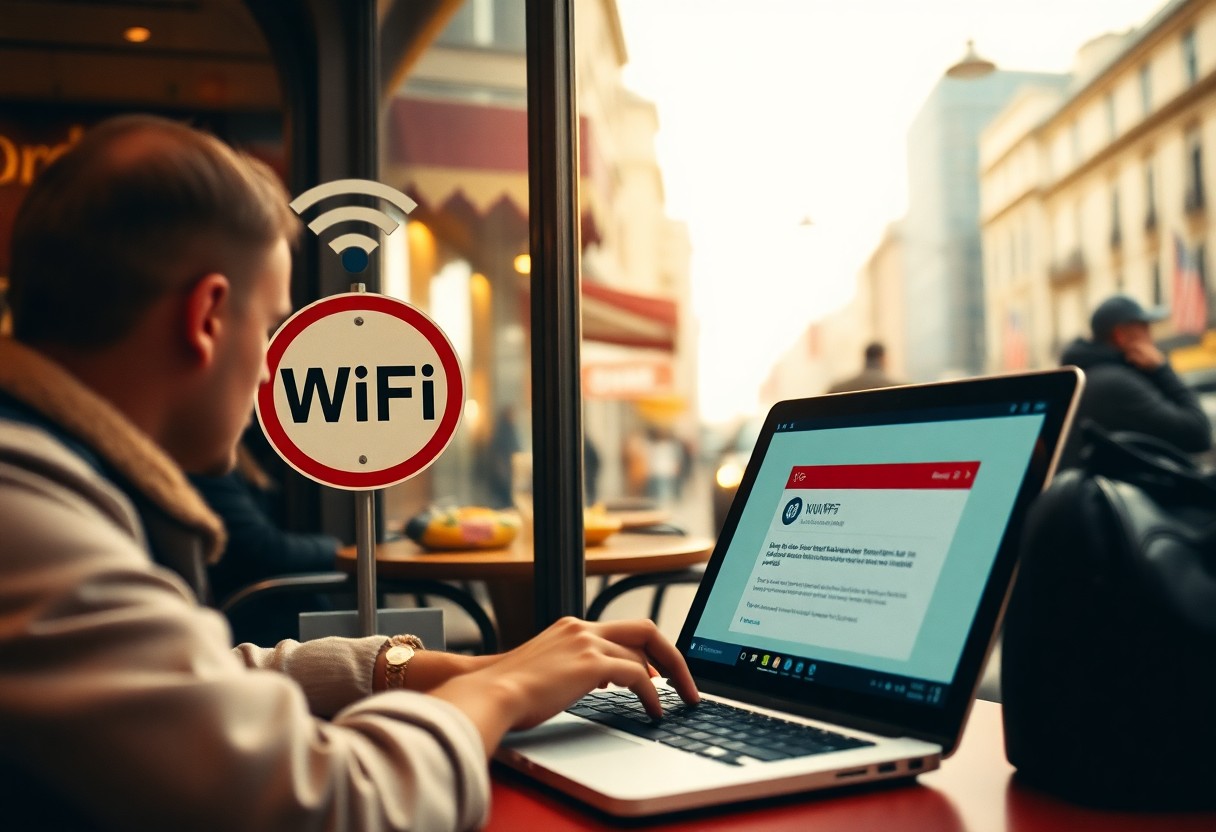
Just because you’re on the go doesn’t mean you have to sacrifice your online security. When you connect to public Wi-Fi while traveling abroad, it’s vital to understand how to protect your personal information from potential threats. In this post, you’ll discover practical tips and strategies to keep your devices and data safe, ensuring that you can enjoy your trip without the worry of cyber risks. From using VPNs to recognizing secure networks, this guide will empower you to use public Wi-Fi confidently and safely.
Key Takeaways:

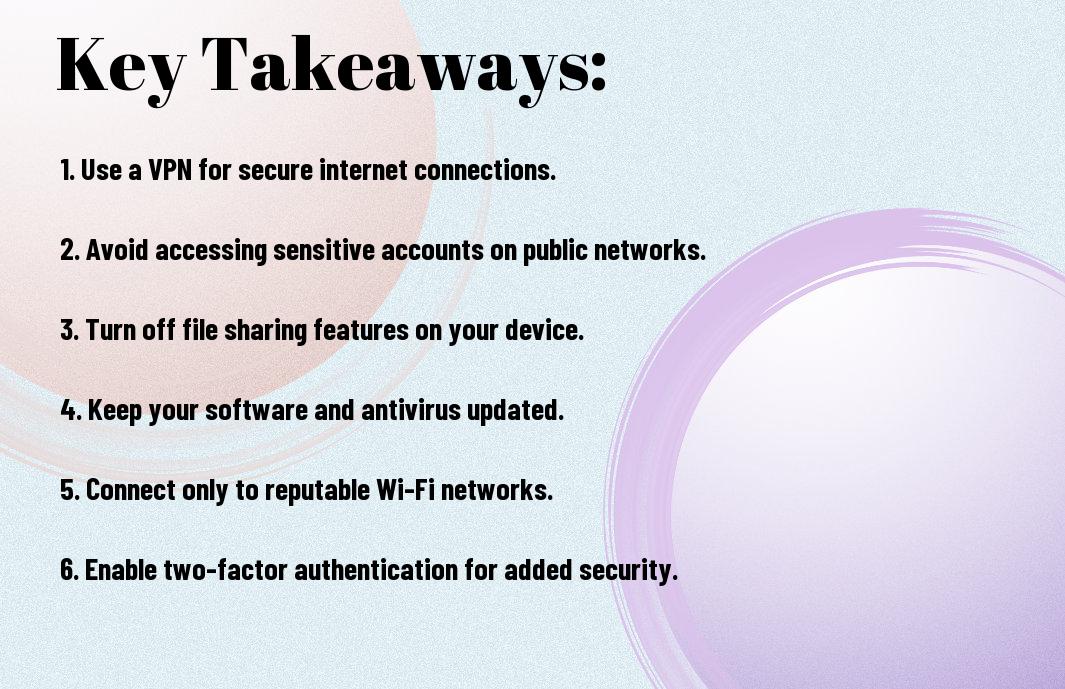
  • Use a VPN: Protect your online activities by connecting to a Virtual Private Network (VPN) to encrypt data and enhance security.
  • Avoid Sensitive Transactions: Refrain from accessing banking sites or entering personal information while on public Wi-Fi to reduce the risk of data theft.
  • Turn Off Sharing: Disable file sharing and other network discovery settings to minimize exposure to potential cyber threats.

Understanding Public Wi-Fi Risks

For many travelers, public Wi-Fi offers convenience, allowing you to stay connected while exploring new destinations. However, this convenience comes with significant risks. Unsecured networks can expose your personal information, making it easy for cybercriminals to intercept your data and compromise your accounts. Knowing these risks empowers you to take the necessary precautions to protect your information while using public Wi-Fi.

Common Threats

Before connecting to public Wi-Fi, be aware of the common threats that can jeopardize your security. These include eavesdropping, where attackers monitor your online activity; man-in-the-middle attacks, where they intercept communications; and rogue hotspots that impersonate legitimate networks. Each of these threats can put your sensitive data at risk, so understanding them is key to staying safe.

Real-World Examples

One of the best ways to grasp the seriousness of public Wi-Fi risks is through real-world examples. Many travelers have faced data breaches, resulting in identity theft and compromised accounts after connecting to unsecured networks in coffee shops, airports, or hotels. These incidents serve as stark reminders of how vulnerable you can be when using public Wi-Fi without taking proper precautions.

Understanding the implications of these real-world scenarios highlights the importance of being vigilant. For example, travelers have shared stories of losing valuable information or having their bank accounts drained after unknowingly connecting to hacked Wi-Fi hotspots. Such experiences underline the need to prioritize your cybersecurity by using VPNs, enabling two-factor authentication, and being cautious about the information you share while on public networks.

Preparing Your Devices

While you’re preparing for your trip, take the time to configure your devices for maximum security. Before traveling, ensure all your gadgets are updated with the latest software and security features. Consider disabling features such as automatic connection to available Wi-Fi networks and file sharing options. These adjustments will help keep you safe while using public networks abroad.

Software Updates & Security Settings

By ensuring your software is up to date, you reduce vulnerabilities that hackers could exploit. Regular updates often include patches and fixes for identified security flaws, so make it a habit to check for these before you initiate on your journey. Additionally, review your security settings to enforce strong passwords and enable two-factor authentication wherever possible.

VPNs: A Necessary Tool

VPNs provide an vital layer of security when you’re connecting to public Wi-Fi. They encrypt your internet traffic, making it incredibly difficult for hackers to intercept your data. With a VPN, you can browse the web privately, ensuring your sensitive information remains protected. This is particularly important when accessing banking sites or entering personal information, as public networks are often targets for cybercriminals.

At its core, using a VPN allows you to create a secure tunnel between your device and the internet, shielding your activities from prying eyes. Even on trusted networks, utilizing a VPN can help prevent malicious attacks or data theft. While many VPN options are available, choose a reputable service to ensure you have a reliable and effective layer of protection while traveling. Investing in a VPN is a wise decision for your online safety abroad.

Best Practices for Using Public Wi-Fi

Once again, prioritizing your security while using public Wi-Fi is imperative. Always connect to networks that require a password and be wary of open networks, which can expose your device to potential risks. If you’re curious, check out this article on Is it safe to use public WiFi when traveling abroad if you …. Consider using a VPN service for an added layer of security.

Connecting Safely

Using a VPN while connected to public Wi-Fi encrypts your data, making it much more difficult for hackers to access your information. Always ensure that the website you visit is secure; look for “https://” in the URL. Additionally, keep your device’s software updated to protect against vulnerabilities.

Avoiding Sensitive Transactions

At all times, steer clear of entering sensitive information such as passwords, credit card details, or personal identification on public networks.

Avoiding sensitive transactions is a smart approach when using public Wi-Fi. This means refraining from online banking, shopping, or accessing sensitive accounts while connected to these networks. If you need to perform such activities, consider waiting until you’re on a secure, private network. Always assess your risk in public settings, even while enjoying your travels.

Recognizing Secure Connections

Now that you are aware of the potential risks of using public Wi-Fi, it’s important to know how to recognize secure connections to keep your data protected. Always look for indicators that a network is secure before accessing sensitive information. This will help ensure that your online activity remains private and safe while you travel.

Identifying HTTPS

HTTPS stands for HyperText Transfer Protocol Secure, and it is an important feature for safe browsing. When visiting a website, check the URL for “https://” at the beginning—this indicates that the information exchanged is encrypted, making it much harder for others to intercept your data.

Knowing Trusted Networks

At times, you may come across Wi-Fi networks that seem trustworthy, like those provided by reputable hotels, cafes, or airports. However, not all public networks are created equal, and it’s important to properly verify that you’re connecting to a legitimate source before logging on and sharing personal information.

Understanding the characteristics of trusted networks involves checking the network name, or SSID, and ensuring it matches what a reputable business claims to provide. When you’re in a public place, ask staff for the correct network name and look for signs indicating it is secure. Even then, use a virtual private network (VPN) for an additional layer of security whenever connecting to a public Wi-Fi network.

Tips for Staying Safe While Traveling

Not all public Wi-Fi networks are created equal, so it’s important to take certain precautions. Here are some practical tips to help you stay safe:

  • Always use a VPN when connecting to public Wi-Fi.
  • Avoid accessing sensitive information, such as online banking.
  • Turn off sharing settings and use firewalls.
  • Forget the Wi-Fi network after use.

Thou should adopt these best practices to enhance your online security while traveling.

Device Management

Between keeping your device secure and managing what gets accessed, you have significant power. Ensure that your operating system and applications are updated regularly to protect against vulnerabilities. Use strong, unique passwords and enable two-factor authentication whenever possible. Prioritize securing your device’s lock screen and consider enabling remote wipe capabilities for extra peace of mind.

Reporting Suspicious Activity

Behind every public Wi-Fi network, there may be potential risks. If you notice any unusual activity, such as unexpected pop-ups or unauthorized access attempts, report it immediately to the network administrator. Take note of any strange online behaviors that may compromise your security, such as sudden disconnections or slow connectivity.

Activity monitoring is important while using public Wi-Fi. If you experience issues like unexpected software downloads or unauthorized login attempts, investigate further. Don’t hesitate to inform local authorities or your home country’s embassy if you suspect your personal data may be at risk. Staying vigilant can prevent potential identity theft or data breaches.
To wrap up

So, as you travel abroad and tap into public Wi-Fi, always prioritize your online security. Use a reliable VPN to keep your data safe, avoid accessing sensitive information on public networks, and ensure that your devices have updated security software. When connecting to Wi-Fi, pick password-protected networks and turn off sharing options. By taking these precautions, you can enjoy the convenience of public Wi-Fi without compromising your personal information.

FAQ

Q: How can I ensure my data is secure when using public Wi-Fi?

A: To enhance your data security while using public Wi-Fi, start by connecting only to networks that are password-protected. Avoid accessing sensitive information such as online banking or personal emails. Use a VPN (Virtual Private Network) to encrypt your internet connection, making it difficult for hackers to intercept your data. Ensure that your device’s firewall is enabled and keep your software and applications updated to protect against vulnerabilities.

Q: What should I do if I suspect that a public Wi-Fi network is not secure?

A: If you suspect that a public Wi-Fi network is insecure, it is best to avoid using it altogether. Look for alternative connections, such as mobile data or a more reputable Wi-Fi network in a nearby establishment. If you must connect, use a VPN to add an extra layer of security. Additionally, refrain from entering any personal or financial information until you are certain the network is safe.

Q: Are there specific signs that indicate a public Wi-Fi network may be unsafe?

A: Yes, there are several signs that may indicate a public Wi-Fi network is unsafe. Be cautious if the network name seems unusual or unfamiliar, as this could be a “rogue” Wi-Fi network set up by hackers to lure unsuspecting users. Avoid connecting to networks that do not require a password or ask for personal information before allowing access. Check for poor signals or inconsistent performance, as these can suggest network issues. Lastly, if you notice a lot of ads or different browser redirections, it could be a sign of an ad-hoc or insecure network.

How to Avoid Pickpockets and Scams While Traveling Abroad

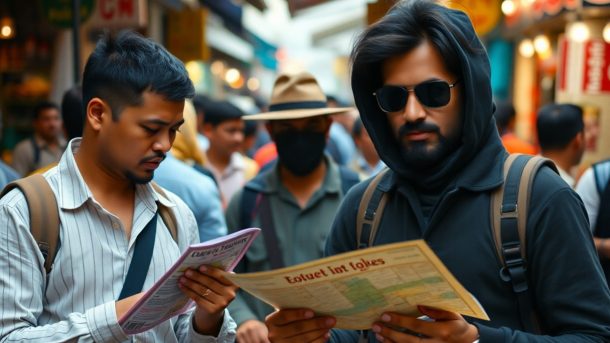
Safety should always be a priority when you travel abroad, especially in unfamiliar areas where pickpockets and scams can be prevalent. By adopting a few practical strategies and being aware of your surroundings, you can significantly reduce the risk of falling victim to theft or deceit. This blog post will provide you with necessary tips to protect your belongings and ensure a worry-free travel experience, empowering you to enjoy your adventures with confidence and peace of mind.

Key Takeaways:

  • Stay Aware: Always be mindful of your surroundings and the people around you, especially in crowded places like markets or public transport.
  • Secure Your Belongings: Use anti-theft bags or wear items like money belts, and keep valuables out of sight to deter pickpockets.
  • Trust Your Instincts: If a situation feels off or too good to be true, it’s best to walk away and protect yourself from potential scams.

Understanding Pickpocket Techniques

For travelers, understanding the techniques employed by pickpockets can significantly reduce the risk of becoming a target. Pickpockets often work in teams, using distraction methods or creating chaos to divert your attention while they steal your belongings. Being aware of their tactics lets you stay vigilant and safeguard your valuables, ensuring a more enjoyable travel experience.

Common Methods Used by Pickpockets

The most common methods employed by pickpockets include distraction, such as a sudden loud noise or an unexpected obstacle, which creates an opportunity for theft. Some may pose as street performers or vendors, while others might ask for help or directions to catch you off guard. Their aim is to take advantage of your momentary lapse in attention.

Recognizing Red Flags

By staying alert to certain behaviors, you can better protect yourself from pickpockets. Pay attention to individuals who seem overly interested in your belongings, people who appear to be following you, or groups that cluster too closely. Scenarios that feel unusual, such as unexpected crowds or sudden distractions, can also indicate potential threats.

Hence, it’s beneficial to trust your instincts and be mindful of your surroundings. If something feels off, take a moment to assess the situation and adjust your position or secure your belongings. Familiarize yourself with the common tactics and characters of pickpockets in the areas you visit, equipping you with a sense of awareness that can deter would-be thieves.

Essential Precautions to Take

You can greatly reduce your risk of falling victim to pickpockets and scams by taking some vital precautions. Start by being aware of your surroundings and staying in well-lit, populated areas. Plan your daily itinerary in advance and avoid displaying large amounts of cash or valuables. Choose your destinations wisely, and don’t hesitate to ask locals for safe routes or areas to avoid.

Choosing the Right Bag

Above all, selecting the appropriate bag can make a significant difference in keeping your belongings secure. Opt for a bag that fits snugly against your body and features zippers or locks. Crossbody bags or money belts can be a deterrent for pickpockets, ensuring that your valuables remain close and out of sight.

Securing Your Valuables

Precautions should be taken to keep your valuables safe while you travel. Store your passport, cash, and credit cards in a secure place, such as a money belt or a locking pocket inside your jacket. Make copies of your important documents and keep them in a separate location, and consider using a hotel safe for any items you don’t need daily.

Choosing multiple layers of security for your valuables can enhance your protection. Consider using travel lock bags and pack items in discreet pockets. It’s also wise to distribute your money and cards in different locations, like your wallet, front pocket, and bag. This way, if one item gets compromised, you have backups available. Taking these extra steps can provide peace of mind during your travels.

Staying Alert in Crowded Areas

After stepping into bustling marketplaces or busy streets, you should be especially vigilant. Crowded areas are prime spots for pickpockets who thrive on distraction. Keep your belongings secure and close to your body, and maintain an awareness of your surroundings. Trust your instincts; if something feels off, it probably is. Aim to travel with a buddy when possible to enhance your vigilance and share the responsibility of keeping an eye on your belongings.

Navigating Public Transport Safely

Around public transport, such as buses and trains, you need to be extra cautious. When commuting, keep your bag zipped and close to you. Avoid standing near open doors or windows, as these can create opportunities for thieves. If you find yourself in a crowded carriage, try to position yourself near the exit to facilitate a quick escape if necessary and stay alert to any unusual behavior.

Remaining Aware in Tourist Hotspots

Staying mindful in tourist hotspots is vital for protecting your valuables. These areas can be filled with distractions, such as street performances or vendors trying to sell you something, making it easier for thieves to go unnoticed. Always keep your belongings in front of you and avoid leaving valuables unattended, even for a moment.

Further, enhancing your awareness in tourist hotspots can help thwart potential scams. Engage with your surroundings; scan the people around you and be cautious of overly friendly strangers who may be trying to distract you. If you encounter a seemingly ‘too good to be true’ offer, trust your instincts and walk away. Keeping a low profile and not displaying expensive items can also help you blend in and avoid becoming a target.

Dealing with Scams

All travelers should be aware of the various scams that exist in popular tourist destinations. Scammers often target unsuspecting tourists by employing techniques that can range from deceptive tactics to outright theft. To protect yourself, it’s important to remain vigilant and informed about how these scams operate. Being prepared can help you navigate your travels without falling prey to dishonest individuals looking to exploit vulnerabilities.

Identifying Common Scams

To avoid falling victim to scams, familiarize yourself with common tactics used by scammers. These may include fake charity requests, overly friendly strangers offering unsolicited help, or overly aggressive street performers who demand tips. Understanding these scenarios can significantly reduce your risk while traveling.

How to Respond to Scammers

Around scammers, maintaining a cool demeanor is necessary. If approached by someone trying to exploit you, it’s best to walk away without engaging. Staying alert and moving on will help you avoid escalating the situation. Trust your instincts—if something feels off, it’s better to remove yourself from the situation.

Another effective strategy is to speak firmly and, if necessary, loudly to make it clear that you’re not interested in their proposal. This can deter them and attract attention from others, further protecting you. Always prioritize your safety over saving face; walking away is a sign of strength, not weakness. Keeping your distance and sticking to well-traveled areas can also help ensure a smoother experience while traveling.

Technology and Travel Safety

Many travelers now leverage technology to enhance their safety abroad. Utilizing modern tools can significantly reduce the risk of falling victim to pickpockets or scams. From sophisticated tracking devices to safety apps, these advancements can keep you informed and secure during your travels. By integrating technology into your travel plans, you not only enhance your safety but also provide peace of mind for both yourself and your loved ones.

Using Apps for Security

Before initiateing on your trip, explore various apps designed to bolster your security. Consider downloading apps that provide real-time location sharing, emergency contact information, or alerts for local scams and safety tips. These tools allow you to stay informed about your surroundings and can guide you in making safer choices while navigating unfamiliar places.

Staying Connected with Family

The ability to stay connected with family while traveling can greatly enhance your safety. Regular communication not only reassures your loved ones but also keeps them informed of your whereabouts, especially in unfamiliar environments. This connection can serve as a preventive measure against potential incidents, allowing someone to act quickly if necessary.

Using messaging apps like WhatsApp, or location-sharing features, you can provide real-time updates to family or friends back home. Setting specific times to check in ensures they know you’re safe, while also providing you with the emotional support of familiar voices. Staying connected adds an additional layer of security, making it easier to handle any unexpected situations that may arise during your travels.

Best Practices for Social Interactions

Now that you’re immersed in a new culture, it’s necessary to interact with locals wisely. Engage with people in a respectful manner, but always maintain a level of awareness regarding your surroundings. Keep your belongings secure and be cautious when sharing personal information or accepting unsolicited help. Rely on established communication channels, like asking recognized staff at hotels or tourist areas, for recommendations to enhance your travel experience without compromising your safety.

Engaging with Locals Safely

Beside having meaningful interactions, it is necessary to approach conversations with caution. Politely ask locals about their recommendations, but if someone seems overly eager or pushy, trust your instincts and create some distance. Give preference to structured environments like organized tours or group activities where you can interact in a safer setting.

Avoiding Overly Friendly Strangers

Across your travels, you may encounter overly friendly strangers who seem too good to be true. They might engage you in lively conversations or offer unsolicited assistance aimed at garnering your trust. While friendliness is a part of many cultures, be on guard; such interactions can lead to scams or theft. Always assess the situation carefully and don’t hesitate to distance yourself from confrontations that feel uncomfortable or invasive.

Interactions that feel overly friendly may be a cover for less-than-honest intentions. Scammers often employ charm and friendliness to lower your defenses, making it necessary to stay vigilant. If someone approaches you asking for help or trying to befriend you quickly, keep your personal space and prioritize your safety. Your intuition is a valuable tool in these situations—don’t overlook it. Trusting your gut will help you navigate these encounters safely and maintain awareness while enjoying the richness of local cultures.

Conclusion

With this in mind, you can significantly enhance your travel experience by staying vigilant and informed about pickpockets and scams. Always keep your belongings secure and stay aware of your surroundings, especially in crowded areas. Educate yourself on common local scams and use your judgment when interacting with strangers. By taking these practical steps, you can better protect yourself and enjoy your adventures abroad with peace of mind.

FAQ

Q: What are some effective ways to secure my belongings to avoid pickpockets while traveling?

A: To keep your belongings safe, opt for anti-theft bags or backpacks that come with lockable zippers and RFID protection. Consider wearing a money belt or a neck pouch hidden under your clothes. Keep your wallet, phone, and other valuables in front pockets, and avoid carrying large sums of cash. Additionally, organize your bag in a way that makes it difficult for thieves to access items without your notice. Regularly check that your belongings are secure and stay aware of your surroundings, especially in crowded areas.

Q: How can I identify and respond to potential scams while traveling?

A: To spot potential scams, familiarize yourself with common scams in the area you’re visiting, such as fake taxi drivers, street performers demanding money, or overly friendly locals offering unsolicited help. Maintain a cautious attitude and be skeptical of offers that seem too good to be true. If approached by someone attempting to scam you, calmly and firmly decline their offer. It helps to move to a more crowded area or seek out security personnel if you feel threatened. Trust your instincts and remove yourself from any uncomfortable situation promptly.

Q: What precautions should I take when using public transportation to avoid becoming a target for pickpockets or scams?

A: When using public transportation, keep your belongings close and secure. Hold your bag tightly and avoid placing it on your lap or the seat next to you. Choose a seat with minimal foot traffic and try to avoid sitting near the doors, where thieves may target unsuspecting passengers getting on or off. Stay alert about your surroundings and avoid engaging with overly chatty strangers who might distract you. If using a smartphone or other device, do so discreetly and be vigilant to prevent snatch-and-grab incidents.

How to Travel Through Remote and Rural Regions Safely

Just initiateing on an adventure through remote and rural regions can be exhilarating, but it also comes with its own set of challenges. To ensure your safety and comfort during your journey, it’s important to be well-prepared and informed. In this blog post, you will discover practical tips and strategies that will empower you to navigate these less-traveled areas confidently, allowing you to fully enjoy the beauty of nature while minimizing potential risks. From planning your route to understanding local customs, let’s explore how you can travel safely and responsibly.

Key Takeaways:

  • Preparation: Thoroughly plan your route and research the area, including local regulations, accommodations, and available services.
  • Communication: Keep reliable communication methods on hand, including a charged phone and possibly a satellite device for areas with limited service.
  • Supplies: Carry important supplies such as food, water, first-aid kits, and tools for vehicle maintenance in case of emergencies.

Planning Your Trip

The key to a successful adventure in remote and rural regions lies in thorough planning. You should assess your travel needs and gather relevant information regarding transportation options, such as How to Improve Public Transportation in Rural Areas. Additionally, having a well-defined itinerary helps ensure you make the most of your journey while adhering to the specifics of the areas you will be visiting.

Researching Your Destination

Between checking local maps and identifying potential hazards, it is crucial to familiarize yourself with the geography and accessibility of your destination. Researching local accommodations, dining options, and attractions can enhance your experience and help you avoid unplanned setbacks. This level of preparation will enable you to navigate your chosen region effectively and safely.

Understanding Local Customs and Laws

About understanding local customs and laws, you will need to ensure that you respect the traditions and legalities of your destination. Each rural area may have unique norms and regulations that are crucial to follow to avoid misunderstandings and conflicts.

It is important to consult reliable sources to learn about local customs, languages, and etiquette as these can significantly affect your interactions with the community. Being aware of laws regarding photography, public behavior, and environmental regulations will also contribute to a respectful and safe travel experience, allowing you to embrace the local culture while minimizing potential risks.

Preparing for the Journey

There’s no substitute for thorough planning when it comes to traveling through remote and rural regions. Before you hit the road, ensure you have a solid itinerary that accounts for potential detours and limited resources. Research the area you’re visiting, including any particular hazards or challenges you may face. This forethought will help make your journey safer and more enjoyable.

Packing Essentials

Any journey into remote areas requires packing the right vitals. Make sure you bring enough food and water, appropriate clothing for changing weather conditions, a first aid kit, and emergency supplies like a flashlight, map, and multitool. Keeping these items handy will give you peace of mind on your adventure.

Vehicle Maintenance and Fueling

The last thing you want is to be stranded in a remote area due to vehicle issues. Before your trip, check your vehicle’s fluids, tires, brakes, and battery to ensure everything is in optimal condition. Also, fuel up at every opportunity, as gas stations can be few and far between. Always plan your refueling stops ahead of time.

Understanding your vehicle’s requirements is key to a smooth journey. Familiarize yourself with the recommended maintenance schedule and inspect your vehicle’s tire pressure and tread depth. It’s also wise to keep spare fuel if possible and always carry a portable jack and spare tire. This preparation helps minimize the chances of breakdowns, allowing you to focus on enjoying your travel experience.

Staying Connected

All travelers venturing into remote and rural regions should prioritize staying connected. Access to communication can be limited, making it important to plan ahead. Before your trip, familiarize yourself with the coverage area of your mobile provider and consider investing in satellite phones or two-way radios for emergencies. By doing this, you ensure that you have the means to reach out for help when necessary, safeguarding your journey.

Communication Tools

With the right communication tools, you can maintain contact even in the most isolated locations. Invest in a reliable satellite phone, as this device functions in areas without cell towers. Additionally, portable Wi-Fi hotspots and walkie-talkies can be effective for group communication in remote areas, facilitating coordination and safety while you explore.

Emergency Contact Plans

An effective emergency contact plan is important for your safety while traveling in remote areas. Outline who you will notify if things don’t go as planned and establish check-in points during your journey. Make sure that someone at home is aware of your itinerary and can alert authorities if they don’t hear from you within a designated timeframe.

Even simple measures can significantly enhance your safety. Create a paper copy of your emergency contact plan and keep it with your important documents. Share this plan with your travel companions, ensuring everyone knows the protocol. This way, if anyone gets separated or encounters trouble, there is a clear process for getting help, making your experience more secure and enjoyable.

Navigating Remote Areas

For those venturing into remote regions, effective navigation skills are crucial. The vastness and unpredictable nature of rural landscapes can present challenges, so being well-prepared before your journey is vital. Familiarize yourself with the area using various navigation tools and stay aware of your surroundings. This will empower you to explore with confidence, ensuring your safety and enjoyment during your travels.

Using Maps and GPS

By combining traditional maps with digital GPS technology, you can create a comprehensive navigation strategy. While GPS devices provide real-time location tracking, physical maps help you understand the broader landscape, including potential hazards and alternate routes. Always have a backup navigation method in case of signal loss or battery failure.

Identifying Safe Routes

Maps can serve as an excellent resource to identify safe routes, highlighting well-traveled paths that have been used by others. They allow you to assess terrain features and possible obstacles, enabling you to plan your journey accordingly. Additionally, consider local advice and reviews to gauge road conditions and safety levels.

With the right approach, identifying safe routes becomes an effective tool in your travels. Use topographic maps and online resources to analyze elevation changes, water crossings, and potential weather obstacles. Connecting with local communities can also provide insight into recently traveled paths, helping ensure your selected route is both safe and scenic. This proactive strategy will enhance your overall travel experience while minimizing risks.

Health and Safety Precautions

Your safety in remote and rural regions hinges on taking important health precautions. Make sure you are up-to-date with vaccinations, understand local health risks, and pack necessary medications. Research the nearest medical facilities and alert someone about your travel plans. Carry copies of important documents, including health insurance and emergency contacts, to ensure you remain prepared in case of unexpected situations.

First Aid Kits and Medical Supplies

Safety should always be your priority when exploring remote areas. Equip yourself with a well-stocked first aid kit tailored to your travel needs. Include items such as adhesive bandages, antiseptics, pain relievers, and specific medications you might require. Familiarize yourself with basic first aid procedures to handle minor injuries or health issues effectively.

Food and Water Safety

Beside medical supplies, ensure that your food and water sources are safe to avoid illness. Always carry enough bottled water and know how to purify water when necessary. Be cautious with street food and prefer meals that are freshly cooked and served hot. Avoid eating raw or undercooked options, as they may pose a risk to your health.

Food safety is particularly important in remote areas where access to clean eating options can be limited. Always opt for sealed and packaged items or those you can prepare yourself. Before consuming any food, inspect it closely for freshness. When in doubt about the cleanliness of food or water, utilizing portable water filters or purification tablets can help safeguard you from gastrointestinal issues. A little vigilance can ensure that your adventure remains enjoyable and free from health concerns.

Respecting Nature and Communities

Despite the allure of remote and rural adventures, it’s necessary for you to honor the landscapes, wildlife, and cultural practices of the areas you visit. By understanding and respecting the natural environment and the local people, you can ensure that your travels leave a positive impact and help protect these precious places for future generations.

Environmental Considerations

Nature has a delicate balance, and your actions can significantly affect its integrity. Be mindful of your footprint by following established trails, practicing Leave No Trace principles, and avoiding areas that are sensitive to human activity. By doing so, you support the preservation of these beautiful and fragile environments.

Engaging with Local Communities

Above all, fostering positive relationships with local communities enriches your travel experience. Engaging respectfully with residents allows you to learn from their knowledge and customs while contributing to their economies in meaningful ways.

Environmental stewardship is vital when you engage with local communities. By participating in community-led initiatives such as guided tours or cultural activities, you help create sustainable economies. This not only benefits the locals but also enhances your understanding of the traditions and values that shape their lives. Prioritizing ethical interactions ensures that your presence is welcomed and appreciated, paving the way for a deeper connection with the region you’re exploring.

Summing up

Summing up, traveling through remote and rural regions can be an enriching experience when you prioritize safety. Ensure your vehicle is well-maintained and equipped for rough terrains. Familiarize yourself with local maps, maintain communication with loved ones, and carry imperative supplies like food and water. Understanding the local culture and being aware of your surroundings enhances your experience while keeping you safe. By taking these precautions, you can explore less-traveled paths confidently and create unforgettable memories during your journey.

FAQ

Q: What preparations should I make before traveling through remote and rural areas?

A: Before commenceing on a journey through remote and rural regions, it is important to conduct thorough research on the area you’ll be visiting. Familiarize yourself with local customs, geography, and potential hazards. Pack crucial supplies such as food, water, first aid kits, and maps, and consider the need for a satellite phone or GPS device for navigation. Ensure your vehicle is in good condition, and inform someone about your travel itinerary in case of emergencies.

Q: How can I stay safe while traveling in remote areas without cell service?

A: When traveling in areas with limited or no cell service, it’s vital to have alternative communication tools. Invest in a satellite phone or a two-way radio to stay connected. Keep a physical map and compass for navigation, and learn how to use them proficiently. Always travel with a buddy or in a group when possible, and develop an emergency plan which includes designated meeting points and timelines for check-ins with others.

Q: What should I do if I encounter wildlife while traveling in rural regions?

A: If you encounter wildlife during your travels, it is crucial to exercise caution and maintain a safe distance. Avoid feeding or approaching animals as this can provoke defensive behavior. Familiarize yourself with the local wildlife, including any potentially dangerous species, and understand their habits. Carry bear spray if in bear territories, and make noise while hiking to minimize unexpected encounters. Always respect local regulations about wildlife interactions and follow established guidelines for safe coexistence.

How to Stay Safe When Traveling in Remote Locations

You may find yourself enthralled by the allure of remote destinations, but ensuring your safety should be your top priority. As you venture into less traveled areas, it’s crucial to equip yourself with practical strategies that will help you navigate potential risks. From researching your chosen location to packing crucial supplies, understanding the local culture, and maintaining communication, you can significantly enhance your travel experience while minimizing dangers. This guide will provide you with vital tips to ensure your journey remains enjoyable and secure, allowing you to fully embrace the beauty of remote travel.

Key Takeaways:

  • Research the destination thoroughly before your trip, including local customs, safety guidelines, and emergency contacts.
  • Stay connected by informing someone of your whereabouts and maintaining regular communication with family or friends.
  • Travel with a companion when possible, as there is increased safety in numbers, especially in unfamiliar areas.

Preparing for Your Trip

The key to a safe and enjoyable adventure in remote locations begins long before you set foot on your destination. Effective preparation involves thorough planning and equipping yourself with the necessary knowledge and resources. Ensure you have all imperative items packed, from first aid kits to adequate clothing, and take the time to familiarize yourself with the areas you will be exploring.

Researching Your Destination

Against common belief, all destinations, regardless of how remote, have specific characteristics and potential risks you should be aware of. Research local customs, laws, and any health advisories that may affect your trip. Understanding the region’s climate, geography, and wildlife can also help you make informed decisions about your activities and gear.

Planning Your Itinerary

Your itinerary should reflect not only what you want to see but also consider the unique challenges of remote travel. Outline your days with flexibility, allowing time for rest and unexpected occurrences, which can be common in less-developed areas.

For instance, if you plan to hike in a national park, ensure you include breaks for hydration and meals, and always have a backup plan in case trails are closed or weather conditions change abruptly. It’s advisable to keep your itinerary varied, mixing physically demanding activities with leisure time to maintain your energy and enthusiasm throughout your journey.

Essential Safety Gear

There’s no doubt that being well-prepared can significantly enhance your safety while traveling in remote locations. Equipping yourself with the right safety gear can help you navigate challenges effectively and respond to emergencies. From reliable navigation tools to vital emergency supplies, investing in these items ensures you are ready for any situation that may arise during your adventure.

Navigation Tools

Before heading out, ensure you have reliable navigation tools. A GPS device, maps, and a compass can be lifesavers when you’re off the beaten path. Familiarize yourself with how to use each tool effectively, as the combination of technological and traditional navigation methods can keep you oriented, especially when cell service may be limited.

Emergency Supplies

Behind every great adventure, there lies the importance of effective emergency supplies. Pack items such as a first aid kit, a multi-tool, extra food and water, and a flashlight, ensuring you are equipped to handle unexpected situations.

Supplies like a first aid kit should contain bandages, antiseptic wipes, and necessary medications tailored to your needs. A multi-tool can assist you with various tasks, from food preparation to repairing gear. Always carry additional water and non-perishable snacks, as you may not find access to food resources in remote areas. A reliable flashlight can illuminate dark paths or signal for help when needed. Ensuring you have these supplies can provide peace of mind while allowing you to focus on enjoying your travel experiences.

Staying Connected

To ensure your safety while traveling in remote locations, staying connected is crucial. Make certain you have a reliable means of communication. You can find practical Safety Tips for Traveling Safely that offer valuable insights on this topic. Consider leveraging technology and local resources to maintain contact with loved ones or emergency services whenever necessary.

Communication Devices

Staying connected while exploring remote areas means having the right communication devices on hand. Consider carrying a portable satellite phone or a personal locator beacon that doesn’t rely on cellular networks. These devices are especially effective in areas with poor reception, allowing you to stay in touch and request assistance if needed. Additionally, downloading offline maps and emergency apps on your smartphone can provide vital information to guide you during your travels.

Emergency Contact Plans

Plans for emergency contact can significantly enhance your safety during remote travel. Establish a clear strategy by sharing your itinerary and expected check-in times with family or friends. Ensure that someone at home is aware of your whereabouts and can take action if they don’t hear from you. Consider also identifying local emergency numbers or having a list of contacts readily accessible should a situation arise requiring immediate assistance. This proactive approach allows you to enjoy your adventure with peace of mind.

Understanding Local Culture and Laws

After arriving in a remote location, it is crucial to familiarize yourself with the local culture and laws. Each destination has its unique customs, traditions, and legal frameworks. Educating yourself about these aspects helps you engage positively with the community, avoid misunderstandings, and remain safe throughout your travels.

Cultural Sensitivity

To truly immerse yourself in a new environment, practicing cultural sensitivity is key. This means respecting local customs, traditions, and social norms. Prioritize learning about the people’s values and beliefs, as this will enhance your interactions and promote goodwill. A small gesture, such as using polite greetings or dressing appropriately, can go a long way in building relationships.

Legal Considerations

Against the backdrop of cultural immersion, understanding local laws is equally important. Laws can vary significantly from one country to another, and what may be acceptable in your home country could be illegal elsewhere. Always be aware of the legal systems in your destination and ensure that your actions comply with local regulations.

Sensitivity to legal considerations involves being proactive about understanding travel restrictions, regulations regarding photography, and customs laws. Engaging with local authorities or legal resources can help clarify any legal gray areas that might arise during your stay. Failing to adhere to these regulations may result in hefty fines or even detention. Always ensure you have access to the latest information regarding laws and regulations in the area you are visiting to promote a trouble-free experience.

Navigating Transportation Safely

All travelers need to prioritize transportation safety, especially when exploring remote locations. Choose your mode of transport wisely, whether it’s hiring a local driver, using public transport, or renting a vehicle. Be sure to stay informed about local transport rules and regulations, as they can vary widely from one place to another.

Transportation Options

Above all, assess the transportation options available in your area. Research reliable local services and consider using established ride-sharing apps if they operate in the region. If you’re renting a car, choose a reputable agency and ensure the vehicle is suitable for local road conditions.

Road Safety Tips

One of the keys to safe travel in remote areas lies in understanding road safety. Adhere to these tips for a secure journey:

  • Always wear your seatbelt.
  • Familiarize yourself with local traffic laws.
  • Avoid driving at night if possible.
  • Stay aware of wildlife and pedestrians on the road.

Perceiving road conditions can be just as important as following laws; therefore, keep an eye out for unexpected obstacles.

Navigating through new terrains requires vigilance on your part. Ensure your vehicle is well-maintained and equipped for the environment you will encounter. You may want to download offline maps or a GPS app to avoid getting lost. Follow these guidelines:

  • Check in with local authorities for road conditions.
  • Travel with a full tank of gas.
  • Keep emergency supplies on hand, such as water and snacks.
  • Have a plan in case of car trouble.

Perceiving these elements of travel will help you reach your destination safely and confidently.

In Case of Emergency

Unlike urban areas, remote locations often lack readily available emergency services. It’s crucial to have a solid plan in place, including knowing the nearest hospital’s location and keeping important contacts accessible. Additionally, consider investing in a satellite phone or personal locator beacon to maintain communication in areas with limited cellular service. Always trust your instincts, and if a situation feels unsafe, seek help without hesitation.

First Aid Basics

About first aid, being prepared with basic knowledge can be life-saving. Carry a well-stocked first aid kit and familiarize yourself with how to treat common injuries, such as cuts, burns, or sprains. Knowing how to perform CPR and stabilize injuries can make a significant difference while waiting for professional help.

Finding Local Help

For effective assistance, knowing how to locate local resources is crucial. Always research your destination in advance, identifying nearby hospitals, clinics, or emergency services. Being aware of local emergency numbers will put you in a better position to handle any unforeseen situations.

Further, familiarize yourself with the local customs and culture surrounding health care, as some regions may have unique protocols. Engage with locals or use trustworthy apps to get the best guidance on where to seek medical help. When in doubt, ask for directions to the nearest health facility, as the community can be your best resource during an emergency.

To wrap up

Hence, staying safe while traveling in remote locations requires careful planning and awareness. Always inform someone about your itinerary, equip yourself with imperative supplies, and maintain communication when possible. Understand the area by researching local customs, wildlife, and potential hazards. Trust your instincts, and don’t hesitate to seek help if you feel uncomfortable. By following these guidelines, you can enhance your travel experience while ensuring your safety in remote settings.

Q: What precautions should I take before traveling to a remote location?

A: Before begining on a journey to a remote area, it’s wise to research the destination thoroughly. Look into local customs, health advisories, and the weather conditions. Ensure that you have reliable maps or GPS devices, as connectivity may be limited. Inform someone trustworthy about your travel plans and expected return time. Additionally, check if there are emergency services available and familiarize yourself with the nearest medical facilities.

Q: How can I stay connected in areas with limited cell service?

A: In areas where cell service is spotty or nonexistent, consider investing in a satellite phone or a personal locator beacon. These tools can provide important communications in emergencies. Additionally, download offline maps and travel apps that don’t require internet access. Inform your travel companions about planned routes and set up regular check-in times so that someone is aware of your whereabouts.

Q: What steps can I take to ensure my personal safety while in remote locations?

A: Personal safety in remote areas can be enhanced by practicing situational awareness. Keep your belongings secure and within sight, and avoid displaying valuable items. Travel with a buddy whenever possible, and trust your instincts—if something feels off, change your plans. Carry a basic first aid kit, and consider taking self-defense classes. Lastly, stay updated on local wildlife and environmental conditions to avoid potential hazards.

Skip to content