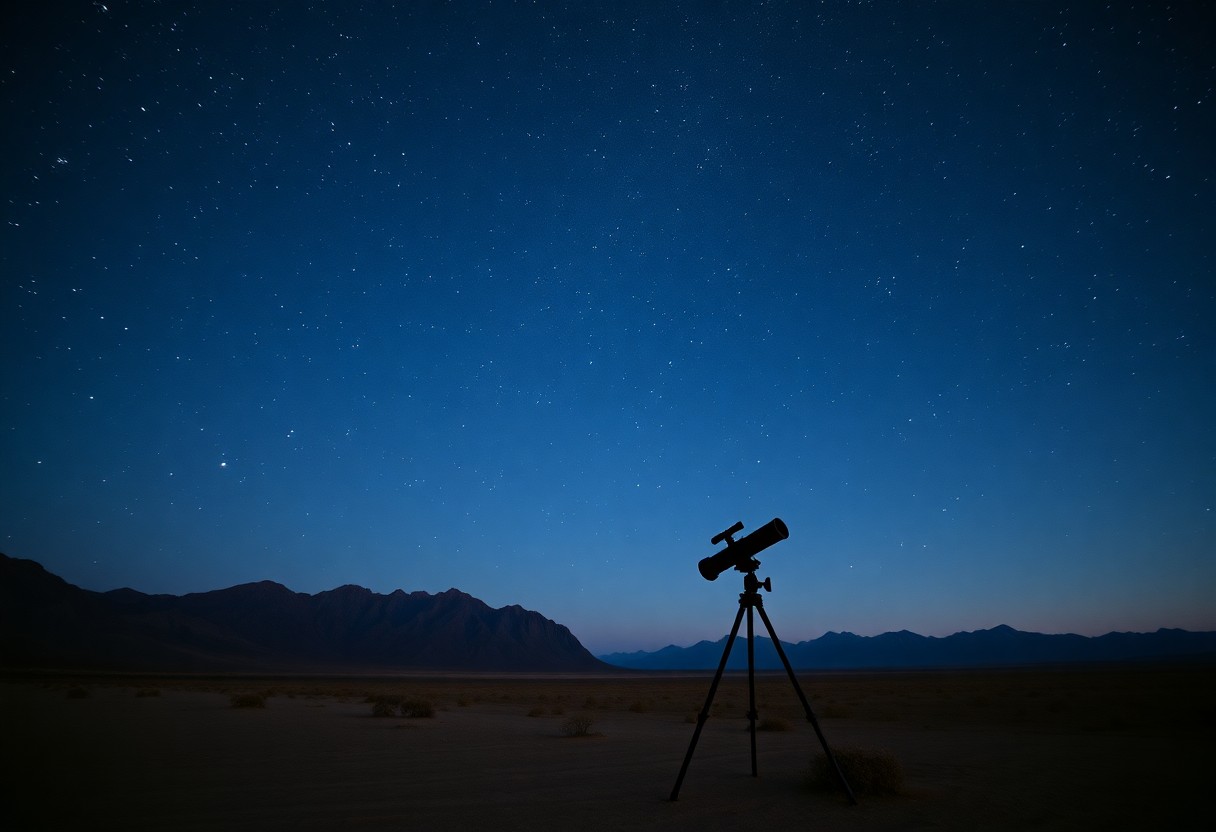
Over countless generations, the night sky has captured our imagination, and now it’s your turn to experience the beauty of stargazing in some of the globe’s most breathtaking locations. Whether you’re an amateur astronomer or simply someone who appreciates the wonders of the universe, finding the perfect spot to observe celestial wonders is vital. In this guide, we’ll explore the top international destinations that offer optimal conditions for stargazing, so you can make the most of your nights under the stars.
Key Takeaways:
- Dark Sky Reserves: Locations such as Jasper National Park in Canada offer some of the darkest skies, minimized light pollution, making them ideal for astronomy enthusiasts.
- High-altitude Locations: Destinations like Mauna Kea in Hawaii provide altitude advantages, where thinner atmosphere leads to clearer visibility of celestial bodies.
- Unique Cultural Experiences: Places like Atacama Desert in Chile not only offer stunning views of the night sky but also an opportunity to immerse in local culture and history related to astronomy.
The Importance of Dark Skies
The beauty of the night sky lies in its darkness, which allows for a stunning display of stars, planets, and celestial events. Dark skies are necessary for optimal stargazing experiences, as they reveal the universe’s wonders without interference from artificial light. When you are in areas with minimal light pollution, your eyes can adjust and take in more celestial details, making your stargazing experience truly memorable.
Effects of Light Pollution
Before you venture out to gaze at the stars, it’s important to understand the effects of light pollution. Urban areas are often overwhelmed by streetlights, building illumination, and signs that obscure the night sky, limiting your ability to see stars. This excess light not only diminishes your viewing experience but can also disrupt local ecosystems, affecting wildlife and their natural behaviors.
Benefits of Stargazing
Between the calming experience of observing the night sky and the opportunity to connect with the universe, stargazing offers numerous benefits. Engaging in the practice allows you to escape the busyness of daily life, promoting relaxation and mindfulness. Furthermore, it can inspire curiosity and a deeper appreciation for science, nature, and our place in the cosmos.
Due to the immersive experience of stargazing, you may find yourself feeling refreshed and reconnected with the world around you. Observing celestial bodies not only brings a sense of wonder but also encourages you to ponder life’s bigger questions, fostering a sense of belonging. Additionally, spending time under the stars can enhance your observational skills and deepen your understanding of astronomy, proving not just to be a recreational activity, but an enriching educational experience.
Top Stargazing Destinations Worldwide
It can be a thrilling experience to observe the cosmos from some of the world’s most stunning locations. Whether you are an amateur astronomer or just seeking a captivating night sky, these top stargazing destinations offer the perfect backdrop to marvel at the universe. From remote deserts to majestic mountains, each locale provides unique celestial views just waiting for you to explore.
Atacama Desert, Chile
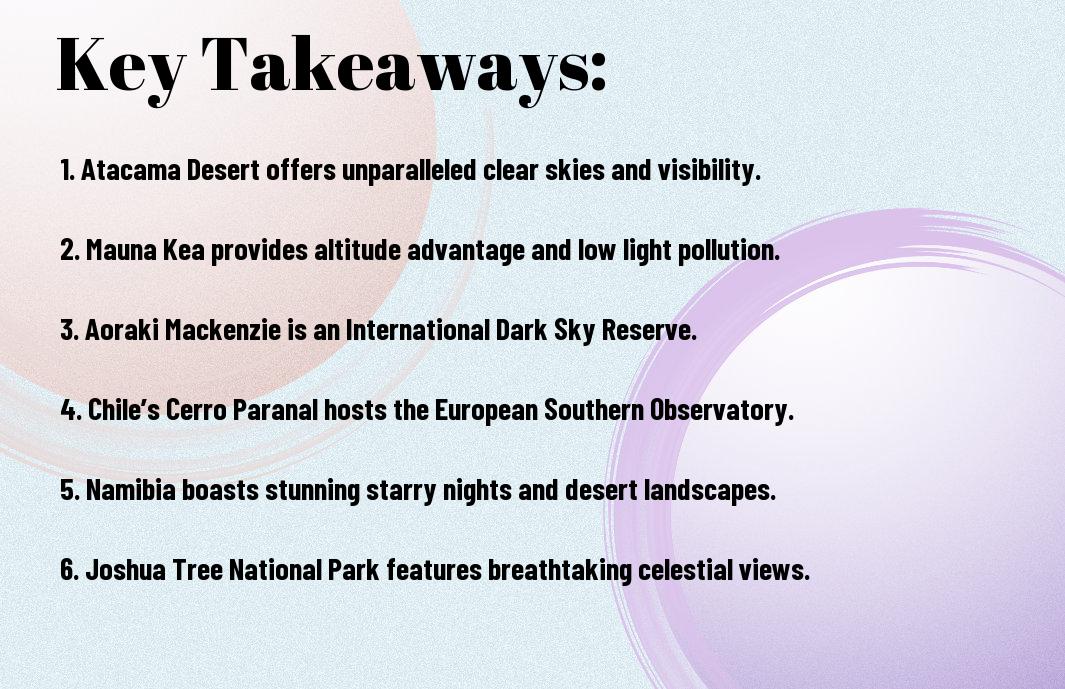
Atacama Desert is renowned for its incredibly clear skies, making it a top choice for stargazing. The lack of light pollution and high altitude create unparalleled clarity, allowing you to witness celestial wonders like never before. With numerous observatories nestled within this arid landscape, you can easily immerse yourself in the mysteries of the cosmos.
Mauna Kea, Hawaii
At an elevation of over 13,000 feet, Mauna Kea is one of the best places on Earth to gaze at the stars. Its unique atmospheric conditions provide unmatched viewing of the night sky, where you can often spot distant galaxies, planets, and other celestial events. The surrounding landscape adds a surreal quality to your stargazing experience as well.
Mauna Kea is home to several world-class telescopes, and many visitors partake in guided tours to maximize their stargazing adventure. As the sun sets, the mountain reveals breathtaking views of the Milky Way and neighboring constellations. You’ll find that the combination of elevation and pristine conditions makes every moment unforgettable, sparking wonder and inspiration throughout your stargazing journey.
Aoraki Mackenzie, New Zealand
About Aoraki Mackenzie lies within the Aoraki Mackenzie International Dark Sky Reserve, providing stunning views of the Southern Hemisphere’s stars. Here, you can revel in the breathtaking night sky, with its myriad of constellations and rich celestial phenomena. As a designated Dark Sky Reserve, this area prioritizes light pollution control, ensuring an exceptional stargazing experience.
In addition to its minimal light pollution, Aoraki Mackenzie boasts a unique climate that allows for frequent clear nights. You can expect to see iconic celestial objects, including the Southern Cross and the Tarantula Nebula, making it ideal for both novice stargazers and experienced astronomers alike. The stunning mountains and lakes surrounding the reserve further enhance your experience, merging natural beauty with the splendor of the night sky.
Jasper National Park, Canada
Against the backdrop of the Canadian Rockies, Jasper National Park is a designated Dark Sky Preserve, ensuring fantastic stargazing opportunities. With few urban lights nearby, this location allows for exceptional clarity and richness in the visible night sky. You can witness numerous constellations and celestial events that illuminate the vast wilderness.
Due to its combination of high elevation and minimal light interference, Jasper National Park offers visitors the chance to experience phenomenons like meteor showers and the Northern Lights. The park hosts various stargazing events throughout the year, and seasoned astronomers are available to guide you through the wonders above. The stunning natural landscape combined with the twinkling stars makes for an unforgettable adventure, perfect for any stargazing enthusiast.
Unique Astronomical Events to Observe
Now is the perfect time to plan your stargazing adventure, as unique astronomical events offer unforgettable experiences in the night sky. From meteor showers to eclipses, the cosmos never ceases to amaze. To make the most of these celestial phenomena, consider checking out some of the Top 10 Trips for Stargazing that provide excellent vantage points for observing extraordinary sights.
Meteor Showers
Any seasoned stargazer knows that meteor showers are spectacular displays of shooting stars, often visible from various locations around the world. Peak events such as the Perseids and Geminids draw crowds who gather to witness nature’s fireworks show. Make sure to find a dark location away from city lights to fully appreciate the celestial brilliance above.
Eclipses
One of the most breathtaking astronomical events you can witness is an eclipse. Whether it’s a solar or lunar eclipse, the awe of seeing the moon or the Earth cast shadows on each other creates a unique atmosphere that you will cherish. Eclipses occur in cycles, so make sure to monitor upcoming dates and locations where you can experience these magnificent occurrences.
Observe the spectacular phenomenon of eclipses by taking note of their path and timing. Lunar eclipses are visible in a larger area, while solar eclipses require you to be in the right spot at the right time for a fleeting glimpse. Each eclipse presents its own charm, from the blood moon to the complete obscuration of the sun. Engaging with these events can deepen your appreciation for the wonders of the universe.
Essential Gear for Stargazing
Many people underestimate the importance of having the right gear for stargazing. A good setup not only enhances your viewing experience but also helps you appreciate the wonders of the universe. Investing in quality equipment tailored to your preferences can elevate your stargazing adventures. Whether you’re a beginner or an experienced observer, having the proper tools will ensure that you make the most of your time under the stars.
Telescopes and Binoculars
Along your stargazing journey, choosing the right telescope or binoculars can make a significant difference. A telescope allows you to explore distant celestial bodies in greater detail, while binoculars are portable and user-friendly, making them ideal for beginners. Depending on your interests and budget, consider both options to enhance your experience and view more of the night sky.
Apps and Star Charts
Behind every successful stargazer is a set of reliable apps and star charts that aid in identifying celestial objects. Utilizing technology can provide you with real-time information about constellations, planets, and other astronomical phenomena. These tools help bridge the gap between the skies above and your understanding of them.
In addition to simplifying the stargazing process, using apps and star charts also allows you to track celestial events, such as meteor showers and eclipses. With features like augmented reality and customizable settings, these tools make it easier for you to locate specific stars or constellations in an ever-expanding sky. Ensure that your smartphone is equipped with the latest apps or carry a quality star chart to enrich your night sky exploration.
Tips for Planning a Stargazing Trip
Once again, effective planning can enhance your stargazing experience. To ensure the best possible conditions, keep the following tips in mind:
- Research light pollution in your intended location.
- Check the moon phase for optimal darkness.
- Bring binoculars or a telescope if you have them.
- Dress appropriately for the climate.
- Pack snacks and drinks for a comfortable outing.
Knowing these details will help you maximize your time under the stars.
Best Times to Visit
Before you commence on your journey, consider the timing. The best months for stargazing are typically during the cooler seasons—late fall to early spring—when the nights are longer and skies clearer. Additionally, planning your trip around meteor showers or celestial events can add to the wonder of your experience.
Safety and Comfort
Any stargazing trip should prioritize your safety and comfort. Choose remote locations carefully, making sure to inform someone of your plans. Bring a flashlight with a red filter to preserve your night vision and use a sleeping bag or blanket for warmth during chilly nights.
Considering various factors will enhance both safety and comfort during your stargazing trip. Always assess the terrain and ensure that you have reliable transportation. Having a GPS device or map can help you navigate unfamiliar areas, while extra layers of clothing will keep you warm as temperatures drop. It’s also wise to pack a first-aid kit and any personal medications, ensuring you’re prepared for unexpected circumstances.
Conclusion
Considering all points, your journey to the best international destinations for stargazing can open up a world of breathtaking celestial experiences. Whether you choose the dark skies of Chile, the tranquil landscapes of New Zealand, or the unique vistas in Africa, each location offers its own spectacular view of the universe. Embrace the wonders of the night sky, and let your experiences inspired by these remarkable destinations deepen your appreciation for the cosmos and create lasting memories you will cherish.
Q: What are the top international destinations for stargazing?
A: Some of the best international destinations for stargazing include Mauna Kea in Hawaii, known for its high altitude and clear skies; Aoraki Mackenzie International Dark Sky Reserve in New Zealand, which offers stunning views of the Milky Way; and Atacama Desert in Chile, recognized for its extremely dry climate and minimal light pollution. Each of these locations provides unique conditions that enhance the stargazing experience.
Q: When is the best time to go stargazing in these international destinations?
A: The best time for stargazing often varies by location. In Hawaii, the summer months are typically ideal due to the clearer skies. For Aoraki Mackenzie in New Zealand, winter months, especially between June and August, provide excellent visibility of the night sky. In the Atacama Desert, the dry months from May to September tend to have the least cloud cover, enhancing the experience. It’s important to check specific weather patterns and lunar phases for optimal viewing times.
Q: What equipment or preparations are recommended for an international stargazing trip?
A: For an enjoyable stargazing experience, it’s advisable to bring a quality telescope or binoculars, an app to help identify stars and constellations, and a comfortable blanket or chair for sitting. Warm clothing is vital as temperatures can drop at night, even in warmer regions. Additionally, preparation can include scheduling visits around new moon phases for darker skies and considering guided tours that provide professional equipment and insights.