Tips

How to Stay Healthy While Traveling Abroad

Health should be a top priority when you travel abroad, as exploring new cultures and cuisines can sometimes challenge your well-being. To ensure you enjoy your adventures without compromising your physical condition, you need practical strategies to maintain a balanced lifestyle on the go. This guide will equip you with valuable tips and insights, enabling you to navigate your trip while staying energized and fit. Whether it’s managing your diet, staying active, or prioritizing self-care, here’s how you can keep your health in check while discovering the world.

Key Takeaways:

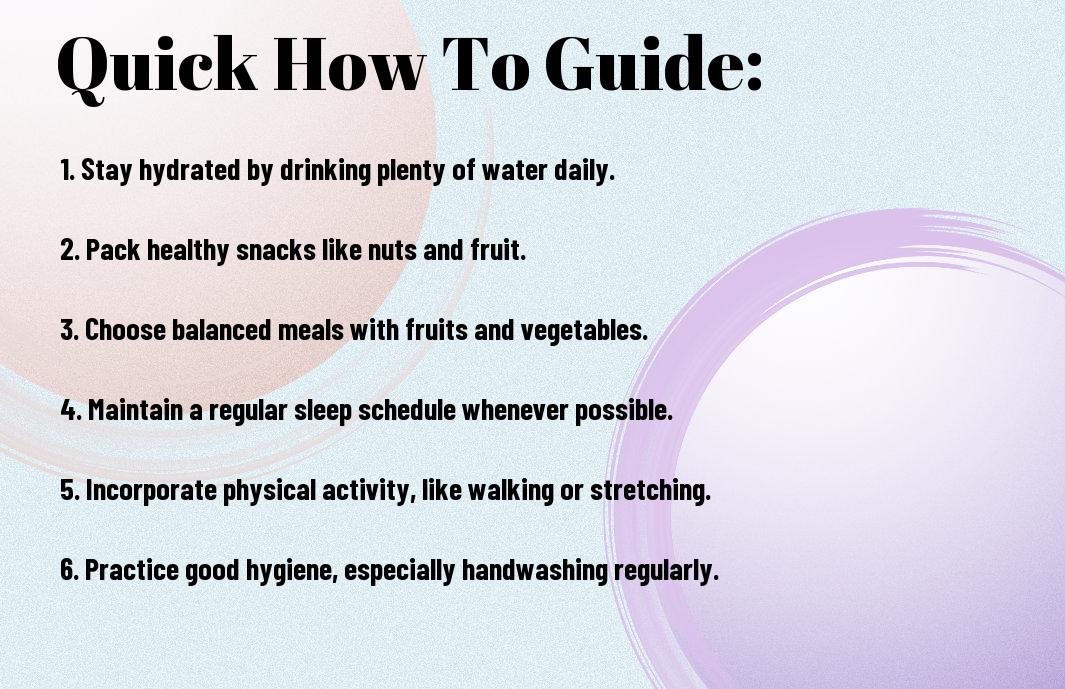
  • Stay Hydrated: Always carry a water bottle and drink plenty of fluids, especially in hot climates, to avoid dehydration.
  • Practice Good Hygiene: Wash your hands often and use hand sanitizer to minimize the risk of illness while exploring new places.
  • Choose Safe Foods: Be selective about where you eat; opt for cooked foods and bottled drinks to reduce the chances of foodborne illnesses.
  • Get Adequate Rest: Prioritize sleep and take breaks throughout your travels to keep your energy levels up and immune system strong.
  • Exercise Regularly: Incorporate physical activities like walking or hiking into your itinerary to maintain fitness and boost your mood.
Preparing for Your Trip

A thorough preparation is key to maintaining your health while traveling abroad. Start by planning your itinerary, ensuring you allocate time for wellness activities like exercise, and considering your dietary options. Pack strategically, including health necessarys like medications and a basic first-aid kit. The more organized you are, the easier it will be to stay healthy during your adventures.

Researching Your Destination

The best way to stay healthy while traveling is to research your destination beforehand. Understand the local cuisine, climate, and common health concerns in that area. This knowledge enables you to make informed choices about where to eat and what activities to participate in while ensuring you’re prepared for any potential health issues.

Vaccinations and Health Precautions

While preparing for your trip, check with your healthcare provider about necessary vaccinations and health precautions for your destination. Certain countries may require required vaccines, such as those for hepatitis or typhoid, and taking preventive medications for illnesses like malaria could be advisable.

Plus, it’s a good idea to register with your government’s travel advisory service to get alerts about your destination. Make a list of the nearest hospitals and clinics, and ensure you have adequate travel insurance that covers health emergencies. Carry documentation of your vaccinations with you, and familiarize yourself with any cultural practices related to health and hygiene in the area you’re visiting. These simple steps can make a significant difference in your travel experience.

Packing Smart for Health

Some thoughtfulness in your packing can significantly contribute to your well-being while traveling. Prioritize items that support your health journey, making conscious choices that keep you feeling great no matter where you’re headed.

Essential Medications and First-Aid Kits

Kits are vital for addressing minor health issues that may arise while you travel. Always pack a basic first-aid kit containing band-aids, antiseptic wipes, and pain relievers, along with any personal medications you require. This preparation will help you tackle unexpected situations quickly.

Health-Conscious Packing Tips

Some packing strategies can enhance your travel experience while keeping your health in check. Be sure to include nutritious snacks, a reusable water bottle, and fitness gear. As you pack, consider these tips:

  • Choose lightweight and quick-dry clothing.
  • Pack healthy snacks like nuts and dried fruit.
  • Include a travel-sized vital oils kit for relaxation.

After considering these elements, you can tailor your suitcase to support a healthier lifestyle on the go.

A well-planned packing list can make a tremendous difference in maintaining your health while traveling. Include items that align with your healthy habits, ensuring you stay energized. Think about these additional tips:

  • Opt for whole food options to avoid processed snacks.
  • Bring a travel blender for smoothies if feasible.
  • Incorporate exercise bands for easy workouts wherever you are.

After you establish these routines, you’ll enjoy a more vibrant and healthy travel experience.

Staying Healthy During Travel

Unlike staying at home, traveling abroad can expose you to new health risks and dietary changes. To ensure a healthy experience, you can check out Preparing for a healthy trip: What to know before you travel, which offers valuable insights on pre-travel preparations. Maintaining your health while exploring a new destination is key to enjoying your adventure fully.

Tips for a Balanced Diet

Balanced meals on the go can be challenging but are important for your well-being. Here are some tips to maintain a nutritious diet while traveling:

  • Pack healthy snacks like nuts and fruit for your journey.
  • Opt for local healthier food options when dining out.
  • Try to include a variety of food groups in your meals.

The right nutrition helps keep your energy levels high during your travels.

Staying Hydrated and Active

Healthy hydration and regular activity are vital while traveling. You should aim to drink plenty of water and stay active through walking, hiking, or other recreational activities.

Hydrated bodies function more effectively, improving your overall travel experience. Aim to drink water frequently, especially in warm climates or during long flights. Incorporate movement throughout your day by exploring cities on foot or engaging in sightseeing excursions that require physical activity. Prioritizing hydration and exercise not only enhances your health but also allows you to fully enjoy the cultural experiences your destination offers.

Navigating Health Risks Abroad

Not all destinations have the same health standards or amenities as you might be accustomed to at home. Before you travel, it’s necessary to understand the potential health risks you may encounter in different countries. Research the local healthcare system, vaccination requirements, and any prevalent illnesses to ensure that you are adequately prepared for your journey.

Understanding Local Health Conditions

Some regions may have specific health concerns, such as infectious diseases, air quality issues, or food safety problems. Familiarize yourself with these local health conditions to assess any risks you might face while exploring. Additionally, consider seeking advice from travel health professionals who can provide tailored recommendations based on your destination.

Emergency Contacts and Resources

If you encounter a health issue while abroad, knowing how to access medical care quickly is necessary. Compile a list of local emergency numbers, medical facilities, and your country’s embassy or consulate information before you go. This preparation allows you to act swiftly in case of an emergency, ensuring that you receive the necessary care without unnecessary delays.

With access to reliable emergency contacts you can navigate any health issue with ease. Research the nearest hospitals or clinics at your destination and consider downloading health apps that offer medical assistance or connect you with local healthcare providers. Also, having your travel insurance details handy, including a 24-hour hotline, gives you peace of mind should the unexpected occur. Equip yourself with this information so you can enjoy your trip without worrying about potential health concerns.

Travel Insurance and Health Coverage

For a worry-free journey, it’s necessary to invest in travel insurance that provides adequate health coverage. This safeguard not only protects you from unforeseen medical expenses but also offers peace of mind, allowing you to focus on enjoying your travels. Make sure to read the policy details carefully to understand the extent of the coverage, especially when traveling to countries with high medical costs.

Choosing the Right Policy

An effective travel insurance policy should align with your specific needs and travel plans. Look for options that cover emergency medical expenses, evacuation, and any pre-existing conditions if applicable. Be mindful of the provider’s reputation and customer service, as these can impact your experience during a crisis.

What to Cover

With travel insurance, it’s important to ensure that your policy covers necessary areas such as medical emergencies, trip cancellations, lost baggage, and personal liability. Each of these aspects can significantly affect your trip and finances if something goes wrong.

Health-related coverage is vital to protect yourself from unexpected medical incidents. Look for policies that cover hospital visits, prescription medications, and emergency evacuations, especially if you’re traveling to remote locations. Additionally, confirm that any activities you plan on participating in, such as skiing or scuba diving, are included in your coverage. Comprehensive protection can make all the difference for a safe and enjoyable travel experience.

Cultural Considerations for Health

Your health can be significantly impacted by the local customs and practices of the areas you visit. Understanding cultural norms regarding health and wellness can help you avoid misunderstandings and respect local traditions. Engaging with locals and being open to their ways of living will not only enhance your experience but also keep you healthier on your travels. Be sure to inquire about local health resources, practices, and any specific customs related to well-being.

Adapting to Local Customs

Customs can vary widely across different cultures, particularly in relation to health practices. You should take the time to learn about these practices, whether it’s greetings, body language, or personal space, as they can influence social interactions and your overall experience. For example, in some cultures, physical touch is common, while in others, it may be considered intrusive. Observing and adapting to these customs will help you navigate social situations more comfortably and maintain your health and well-being while abroad.

Understanding Food Safety Practices

With the variety of cuisines available while traveling, understanding food safety practices is paramount to avoiding foodborne illnesses. It’s crucial to be aware of how food is prepared, washed, and stored in different cultures to safeguard your health. Pay attention to local food safety guidelines and choose establishments that prioritize cleanliness. Opt for freshly cooked meals and avoid street food in areas where hygiene seems questionable. Additionally, drinking bottled or purified water can prevent potential health issues related to contaminated water sources.

This understanding of food safety practices can significantly enhance your travel experience. Prioritize eating in places that are busy and have good reviews, as this often indicates quality and freshness. Being cautious and thus more informed about what you consume will not only improve your overall health but also allow you to enjoy local flavors without the fear of illness. You will find that adapting to food practices in different cultures can be a rewarding part of your trip, enriching your culinary experiences while keeping you safe.

Final Words

Upon reflecting on how to stay healthy while traveling abroad, it’s crucial to prioritize your well-being with a few key strategies. Maintain hydration, practice good hygiene, and eat balanced meals to support your immune system. Stay active by planning engaging outdoor activities and incorporating exercise into your itinerary. Be mindful of local health advisories and ensure you have necessary vaccinations. By implementing these practices, you can enhance your travel experience and return home feeling revitalized and healthy.

Q: What are some imperative tips for maintaining a balanced diet while traveling abroad?

A: To maintain a balanced diet while traveling, prioritize fresh fruits and vegetables, whole grains, and lean proteins. Look for local markets to purchase fresh produce, and choose restaurants that offer healthy options. When dining out, try to fill half your plate with vegetables, and limit fried and processed foods. Additionally, stay hydrated by drinking plenty of water and avoid excessive consumption of sugary drinks. Planning ahead, such as packing healthy snacks for long journeys, can also help you stay on track with your nutritional goals.

Q: How can I stay active while traveling, especially in cities with limited outdoor spaces?

A: Staying active while traveling in urban environments can be achieved through various creative methods. Use walking or cycling tours to explore the local area, which not only provides exercise but also allows you to enjoy the sights. If you have access to a hotel gym, take advantage of it for workouts. Alternatively, consider utilizing free fitness apps or online workout videos that require no equipment and can be done in your hotel room. Activities like yoga, aerobics, or body-weight exercises can easily fit into your travel schedule and help keep you energized.

Q: What precautions should I take to avoid illness while traveling internationally?

A: To reduce the risk of illness while traveling abroad, it is wise to stay updated on local health advisories and vaccinations. Packing a travel health kit with basic medications and first-aid supplies can be beneficial. Always practice good hygiene by washing your hands frequently and using hand sanitizer, especially before eating. Be mindful of the food and water you consume; opt for bottled water or filtered options and eat at reputable establishments. Additionally, be cautious of street food that may not have the same health standards as restaurants. By being proactive about your health, you can enjoy a more comfortable travel experience.
How to Travel the World Full-Time – Tips for Nomads

Nomads thrive on the freedom of exploring diverse cultures and landscapes, living life on their own terms. If you’re ready to begin on a journey of full-time travel, you’ll need practical strategies to make it a reality. In this guide, you’ll discover vital tips on budgeting, choosing destinations, and finding community, all tailored to help you navigate the exciting yet challenging world of travel. Empower yourself with the knowledge to transform your dreams into adventures, ensuring your nomadic lifestyle is both fulfilling and sustainable.

Key Takeaways:

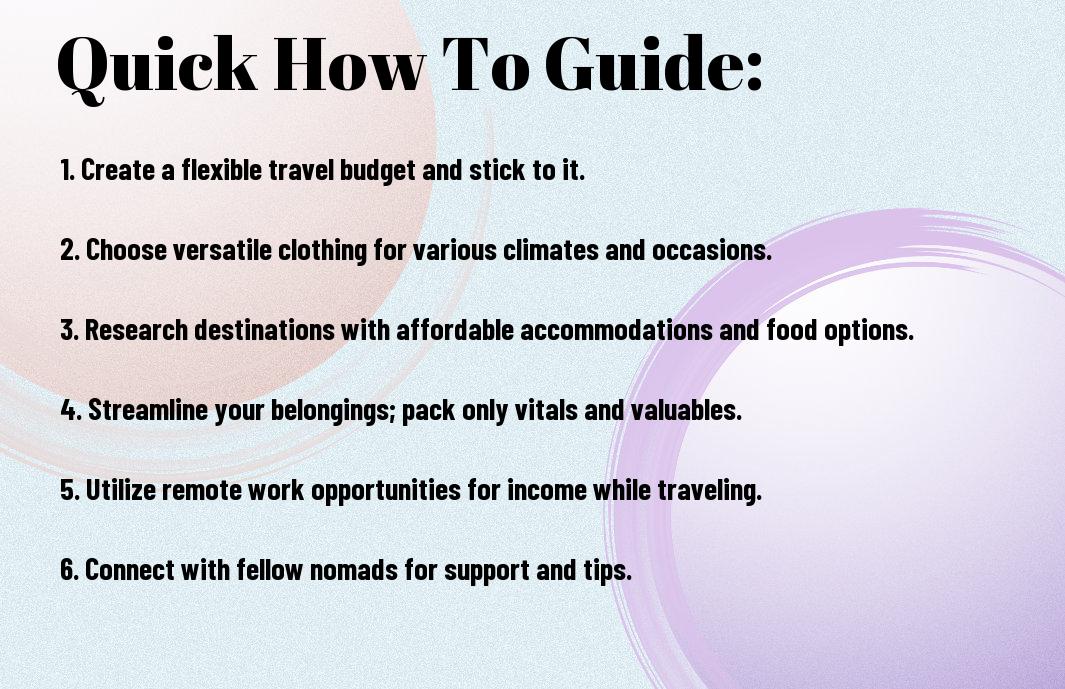
  • Budgeting: Create a detailed financial plan to manage travel expenses and accommodate unexpected costs.
  • Remote Work: Explore job opportunities that allow you to work from anywhere, enabling a sustainable travel lifestyle.
  • Travel Insurance: Secure comprehensive travel insurance to protect yourself against potential health emergencies and travel disruptions.
  • Flexibility: Embrace a flexible travel schedule to take advantage of lower prices and unique experiences that arise.
  • Community Building: Connect with fellow travelers and local communities for support, tips, and shared experiences throughout your journey.

Understanding the Nomadic Lifestyle

For many, the nomadic lifestyle represents a bold choice for freedom and adventure. Embracing this way of life entails understanding the unique challenges and joys that come with constant travel. Engaging with communities around the world can enrich your experiences and provide valuable insights. If you’re curious about how to thrive as a full-time traveler, check out What are some tips for becoming a successful full-time … to gain more perspective.

Definition of Full-Time Travel

Travel is defined as continuously moving from one place to another for extended periods, rather than taking occasional vacations. Full-time travelers pursue this lifestyle full-time, often adjusting work and personal responsibilities to visit multiple destinations throughout the year. This can involve working remotely, seeking freelance opportunities, or employing passive income strategies to sustain travel.

Benefits of Being a Nomad

Now that you’ve explored full-time travel, you might wonder about the perks of adopting a nomadic lifestyle. This choice allows for flexibility, cultural immersion, and unique connections that enhance your overall experience. You’ll find opportunities to grow personally and professionally by stepping outside your comfort zone and meeting diverse communities.

Benefits of living as a nomad include enhanced adaptability, as you learn to navigate new cultures and environments effectively. You’ll gain a broader perspective on life and develop resilience in the face of various challenges. Additionally, this lifestyle promotes creativity and inspiration, providing you with countless experiences that can positively shape your outlook and approach to work and relationships.

Essential Tips for First-Time Travelers

Some key insights can help ease your journey as a first-time traveler. Make sure to consider the following:

  • Research your destinations thoroughly.
  • Pack light and smart.
  • Stay flexible with your itinerary.
  • Connect with other travelers for tips.
  • Learn a few local phrases.

The adventure ahead will be one of growth and discovery.

Budgeting for Long-Term Travel

Even a modest budget can provide you with an enriching travel experience. Start by tracking your expenses and setting clear spending limits. Consider options like cooking your meals, using public transport, and staying in budget accommodations to stretch your funds. You might also look into travel insurance and save on activities by researching free local attractions.

Choosing the Right Destinations

The right destinations can shape your travel experience significantly. Focus on locations that resonate with your interests, whether they be culture, adventure, or relaxation. Consider factors like climate, safety, and cost to ensure a fulfilling experience.

Choosing your destinations wisely involves balancing your passions with practical considerations. Think about your ideal travel experiences and research places that offer those elements. Also, keep in mind the local customs and cultural norms for a more enriching trip. Your journey can be more enjoyable if you tailor your itinerary to include destinations that inspire and excite you.

Factors to Consider Before Traveling Full-Time

Despite the excitement of traveling full-time, there are several important factors to weigh before commenceing on your journey. Consider the following:

  • Your financial situation
  • Travel logistics and destinations
  • Health care availability
  • Visa and immigration issues
  • Your personal relationships and commitments

Knowing these factors will help you make informed decisions and enhance your travel experience.

Employment Options for Digital Nomads

Little do many know that there are various employment options available for digital nomads, allowing you to work while traveling. Freelancing, remote working with established companies, and creating an online business are just a few avenues you can explore, enabling you to sustain your lifestyle while exploring new destinations.

Health and Insurance Considerations

Even as you plan your travels, health insurance should be a top priority. Ensuring you have adequate coverage can protect you from unforeseen medical expenses and give you peace of mind while navigating foreign healthcare systems.

Options for health insurance as a digital nomad vary widely. You might consider international health insurance plans specifically designed for travelers or explore local options in the countries you visit. Taking into account coverage for routine check-ups, emergencies, and repatriation is necessary. Always read policy details carefully to ensure your adventures don’t come with unnecessary risks to your health and wellbeing.

Packing and Travel Gear Essentials

To travel the world full-time, your packing strategy is key. Focus on versatility and functionality when selecting your travel gear. Opt for lightweight and durable items that fit your lifestyle, ensuring you can easily navigate different climates and environments. Prioritize space-saving techniques, such as packing cubes, to keep your belongings organized and at your fingertips.

Must-Have Items for Traveling Light

One of the best strategies for traveling light is to invest in multifunctional clothing and gear. Look for items like a travel jacket with pockets, quick-dry fabrics, and a compact backpack that doubles as a daypack. This way, you minimize the number of items you carry while maximizing their utility, allowing you to experience various destinations seamlessly.

Technology for Remote Work

If you’re working remotely while traveling, the right technology can make all the difference. Ensure you have a reliable laptop, portable charger, and quality noise-canceling headphones to stay productive in various environments. Additionally, a mobile hotspot or global SIM card will keep you connected regardless of where you are.

Traveling involves finding ways to stay productive, and technology plays a significant role in making that process smoother. Consider using project management tools, cloud storage services, and communication apps to collaborate with your team and manage tasks efficiently. A portable external hard drive can also help back up important files while maintaining workflow on the go. The right tech support will ensure your remote work experience remains seamless while you explore the world.

Managing Finances on the Road

All travelers know that managing finances while globetrotting can be a challenge. It’s imperative to have a solid plan in place to ensure you can enjoy your adventures without the stress of money troubles. From budgeting to banking, understanding how to handle your finances while on the move is vital for a seamless experience. This chapter will provide you with practical tips to help you navigate your monetary needs as a full-time nomad.

Opening International Bank Accounts

There’s a lot to gain from opening international bank accounts as a digital nomad. Having accounts in multiple currencies can save you from excessive transaction fees and currency conversion costs. Research banks that offer services tailored for travelers, allowing easy access to your funds around the globe.

Tips for Currency Exchange

On your travels, exchanging currency wisely can make a significant difference in your overall expenses. To maximize your funds, consider the following tips:

  • Use local ATMs to withdraw cash instead of exchanging money at airports, which usually offer poor rates.
  • Compare rates between different currency exchange services before you make any transactions.
  • Always check your bank’s foreign transaction fees to avoid surprises.

Knowing how to exchange your money effectively will help you stay within budget and make the most of your travels.

Opening your eyes to the best currency exchange practices can save you money and increase your travel cash. Here are some more helpful tips:

  • Consider preloading a multi-currency travel card for lower fees and better rates.
  • Be cautious with cash; use credit cards when possible, as they often offer better rates.
  • Keep an eye on the currency market trends to exchange when rates are favorable.

Knowing these strategies will lead to a more cost-effective travel experience.

Building a Community While Traveling

Keep in mind that building a community while traveling can enhance your experiences and create lasting connections. Engaging with others not only enriches your journey but provides support and friendship as you navigate various cultures. Seek out opportunities to connect with locals and fellow travelers to foster a sense of belonging, wherever you may be.

Networking with Fellow Nomads

You should seek out opportunities to network with fellow nomads by attending meetups, workshops, and events designed for travelers. Online platforms like social media groups or forums can also facilitate connections, allowing you to share experiences, advice, and even travel plans with like-minded individuals. These friendships can help you feel less isolated and create a support system during your adventures.

Finding Local Communities

Community can often be found by exploring local groups, clubs, or events where you are staying. Look for gatherings centered around shared interests, such as language exchanges, art classes, or outdoor activities, which can help you immerse yourself in the local culture while meeting new people.

It’s also beneficial to connect with local organizations or volunteer opportunities, as these can introduce you to residents and fellow travelers who share your passions. Engaging in community events not only helps you meet people but provides a deeper understanding of the cultures you are experiencing. Your unique journey will be richer when you invest time in cultivating these relationships.

Conclusion

Considering all points, commenceing on a journey to travel the world full-time requires careful planning, flexibility, and an adventurous spirit. By embracing a minimalist lifestyle, budgeting wisely, and networking with fellow nomads, you can create enriching experiences while exploring diverse cultures. Prioritize your well-being, stay organized with your travel documents, and leverage technology to stay connected. With the right mindset and strategies in place, you can turn your dream of full-time travel into a rewarding reality that shapes your perspective and expands your horizons.

FAQ

Q: What are the vital steps to prepare for full-time travel as a nomad?

A: Preparing for full-time travel involves several important steps. First, assess your finances to ensure you have a sustainable budget for long-term travel. Create a savings plan and consider how you will earn income while traveling, whether through remote work, freelancing, or investing. Next, declutter your belongings, deciding what to keep, sell, or store, as this will help streamline your life on the road. Research and choose your destinations based on your interests, climate preferences, and cost of living. Finally, familiarize yourself with travel logistics, such as booking flights, accommodations, and understanding visa requirements for your intended countries.

Q: What are some tips for maintaining a work-life balance while traveling full-time?

A: Maintaining a work-life balance as a full-time traveler requires effective time management and self-discipline. Start by setting a consistent work schedule that fits your travel plans, allocating specific hours for work, and leaving dedicated time for exploration and leisure. Choose destinations with reliable internet access to enable smooth workdays. Create a productive workspace, whether it’s a quiet café, co-working space, or a comfortable area in your accommodation. It is also important to set boundaries with colleagues and clients about your availability while on the road. Finally, prioritize self-care by incorporating leisure activities and social connections into your routine to avoid burnout.

Q: How can nomads manage healthcare while traveling the world full-time?

A: Managing healthcare while traveling full-time involves proactive planning and research. First, invest in a comprehensive travel insurance policy that covers medical emergencies, routine checkups, and repatriation if necessary. Before leaving, schedule a health check and consult with your doctor about any vaccinations or medications needed for the countries you plan to visit. Keep a digital document of important medical records, prescriptions, and any allergy information. Research healthcare systems in your destination countries so you know where to go for medical assistance, and consider joining online communities of fellow travelers who can share their experiences and recommendations for healthcare services abroad.

How to Use Public Transportation Abroad Like a Pro

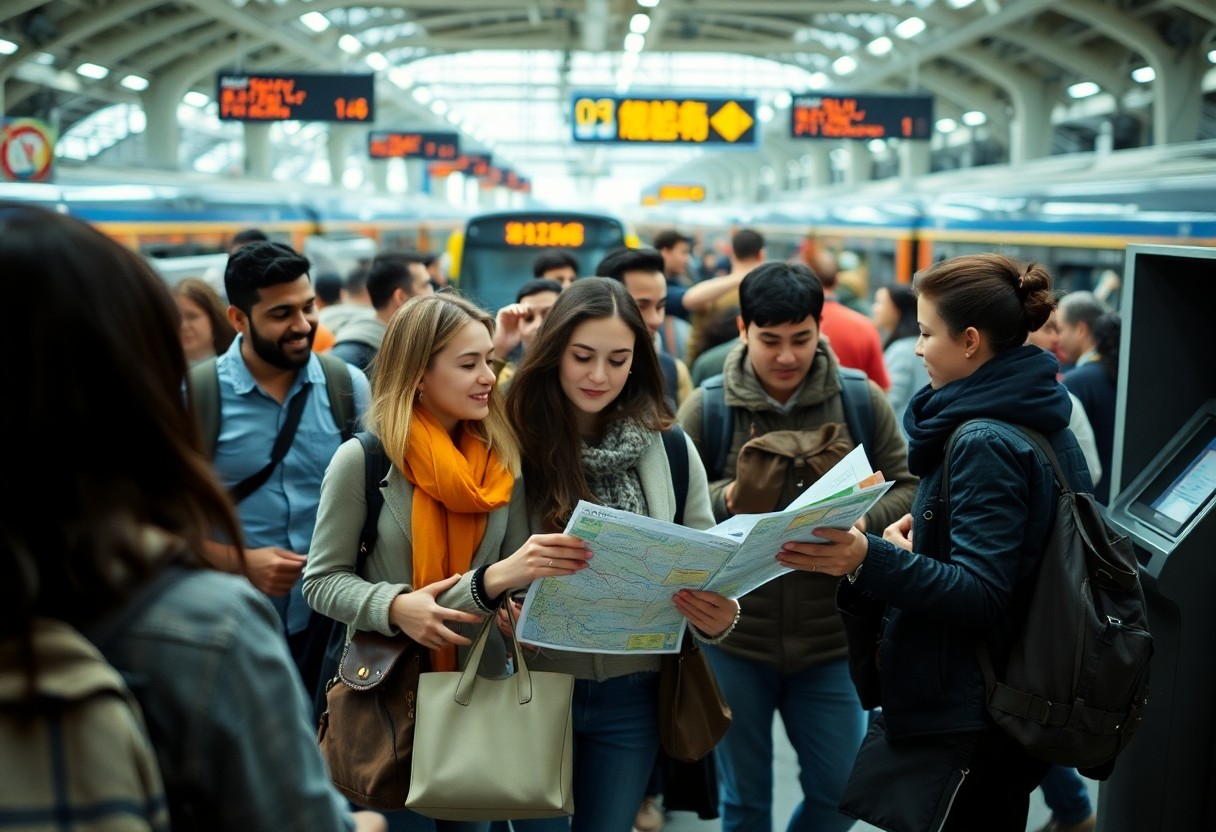
Transportation can be both exciting and daunting when traveling abroad. To navigate unfamiliar cities with ease, it’s imperative to understand how to effectively use public transportation systems. In this guide, you will discover expert tips and tricks to make your journey smoother, from understanding schedules and ticketing to mastering local customs. By equipping yourself with the right knowledge, you can confidently explore your destination while saving time and money. Let’s examine the imperative steps that will help you travel like a pro!

Key Takeaways:

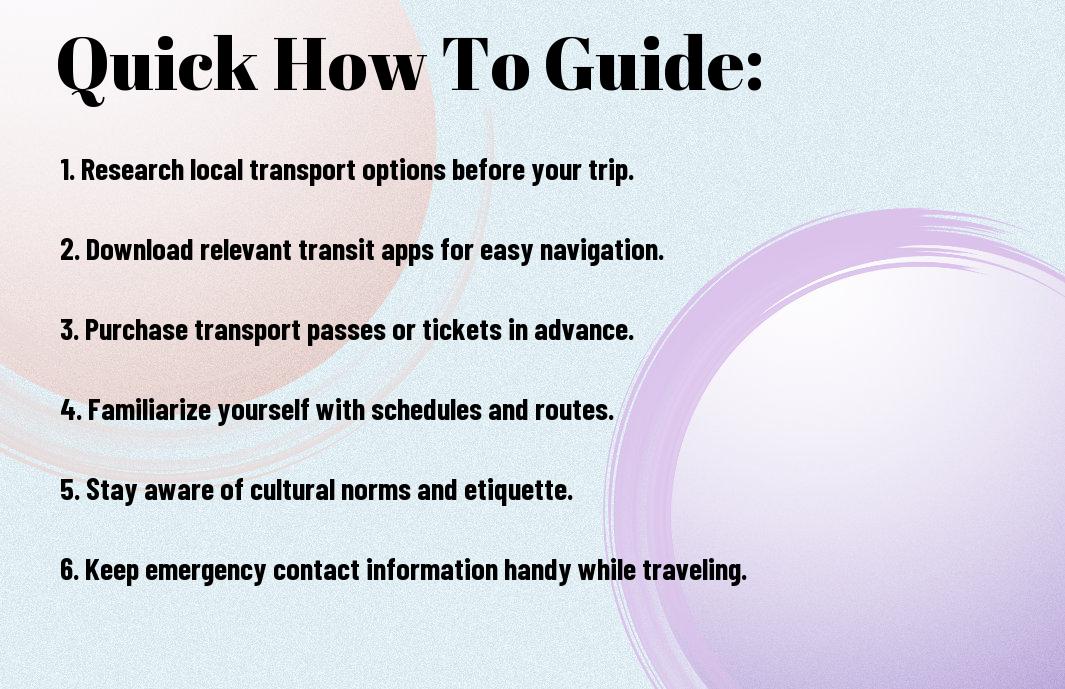
  • Research local transit options: Before traveling, familiarize yourself with the public transportation systems available at your destination, such as buses, subways, or trams.
  • Purchase passes in advance: Look into day passes or travel cards that can save you money and time, especially if you plan to use public transit frequently.
  • Download apps for navigation: Utilize transportation apps to help with route planning, real-time updates, and finding the best options to reach your destination.
  • Learn key phrases in the local language: Basic communication skills can enhance your experience, especially for asking for directions or understanding transit signage.
  • Stay aware of your surroundings: Keep an eye on your belongings and be mindful of your surroundings to ensure a safe and pleasant journey.

Understanding Public Transportation Systems

To navigate a new city with ease, it’s important to grasp the public transportation system in place. Knowing how to identify various transport options, their schedules, and routes will simplify your journeys, allowing you to explore like a local and save time and money.

Types of Public Transportation

To fully utilize public transportation, familiarizing yourself with the different types available is beneficial:

  • Buses
  • Subways
  • Trains
  • Trams
  • Taxis and Rideshares

After selecting your preferred mode of transport, you can confidently initiate on your travel adventures.

Type Description
Buses Commonly used for both short and long distances
Subways Fast and efficient for urban travel
Trains Connects cities and rural areas over longer distances
Trams Ideal for local travel within cities
Taxis and Rideshares Convenient for direct, flexible transport

How Public Transportation Works Abroad

Now that you have an overview of the types of transportation, understanding how they operate is key to your success. Each city may have unique systems, payment methods, and schedules that are important to grasp before your travels.

Understanding how public transportation operates abroad helps minimize confusion. It’s advisable to research the local transit rules, fare structures, and any available apps or websites that provide real-time updates on transit schedules. Mastering these elements ensures you can efficiently move around your destination without encountering unexpected challenges.

How to Plan Your Public Transportation Route

You can navigate foreign cities like a pro by effectively planning your public transportation route. Start by familiarizing yourself with the various transit options available, as they can differ significantly from what you are used to. Be sure to check schedules, map routes, and understand ticketing systems to make your travel experience as smooth as possible.

Researching Local Transit Options

Local transit systems often include buses, trams, trains, and subways, each with its own rules and schedules. Look for official transportation websites or local guides that outline the services offered, including any discounts for tourists or special day passes. Understanding these options can help you choose the best routes to your destination.

Using Navigation Apps and Websites

Websites and apps can serve as invaluable tools when navigating public transportation abroad. They offer real-time updates on schedules, route information, and even alerts for delays or changes. By inputting your starting point and destination, these resources can provide optimized travel suggestions based on current conditions.

Another advantage of using navigation apps and websites is the ability to save your routes for offline access. Many apps allow you to download maps and schedules, so you won’t need an internet connection while traveling. This feature is especially helpful in areas with limited service. Utilizing these digital tools can significantly enhance your confidence and efficiency as you explore new cities using public transportation.

Tips for Purchasing Tickets

Keep your ticket purchasing experience smooth by following these imperative tips:

  • Research ticket options ahead of time.
  • Buy tickets at kiosks or vending machines when possible.
  • Use mobile apps for convenience and potentially discounted fares.
  • Always check for return or multi-ride tickets to save money.

Assume that situations may arise where you will need to ask for assistance; language barriers can often be navigated with simple phrases or translation apps.

Understanding Fare Structures

Little do many travelers know that fare structures vary significantly between cities. Some transportation systems may charge based on zones, while others have flat rates regardless of distance. Familiarize yourself with the local fare system to ensure you are purchasing the correct ticket and avoiding unnecessary penalties.

Buying Tickets: Methods and Best Practices

Practices for buying tickets can greatly enhance your public transportation experience abroad. Start by identifying the most common ticket purchasing methods available in your destination, as this can save you valuable time and avoid confusion.

Another effective strategy is to familiarize yourself with the available methods for purchasing tickets. Many major cities offer an array of options, including contactless payment systems, cash transactions at kiosks, and mobile apps. Ensure you have a suitable payment method ready, and consider carrying a small amount of local currency for instances where electronic payments may not be accepted. This way, you can enjoy a hassle-free transit experience without the stress of ticketing issues.

Factors to Consider When Using Public Transportation

All travelers should keep several factors in mind when utilizing public transportation abroad. These considerations will enhance your experience and ensure smoother journeys:

  • Research local transportation options and routes.
  • Familiarize yourself with ticket purchasing procedures.
  • Check for operating hours and frequency of services.
  • Stay informed about peak travel times.
  • Consider language barriers and identification methods.

After weighing these factors, you’ll be better prepared to navigate the public transport system efficiently.

Safety and Security Measures

Some necessary safety and security measures can help you avoid potential issues while using public transportation. Always keep your belongings close, and be aware of your surroundings. Utilize well-lit stations or stops, especially at night, and avoid displaying valuable items. If you feel uncomfortable, don’t hesitate to seek assistance from staff or fellow passengers.

Cultural Etiquette on Public Transport

Public transportation varies greatly across cultures, and understanding local etiquette can make your journey more pleasant. Observing local norms, such as giving up your seat to those in need or keeping noise to a minimum, can enhance your experience.

To fully immerse yourself in the local culture, take time to observe how other passengers behave. In some places, maintaining personal space is necessary, while in others, close proximity is the norm. Speaking quietly and avoiding phone calls can also be important, as loud conversations may be deemed disrespectful. By adapting to local customs, you not only show respect but may also foster a more enjoyable atmosphere during your travels.

Navigating Challenges on Public Transportation

Once again, using public transportation abroad can present unique challenges. From crowded buses to complex train systems, you may encounter obstacles that could deter even the most seasoned traveler. However, with the right mindset and preparation, you can navigate these situations skillfully, ensuring your journey remains smooth and enjoyable. Embrace the unexpected and stay adaptable; you’ll often discover hidden gems and local insights along the way.

Overcoming Language Barriers

Assuming you are in a country where the language is different from your own, language barriers may feel intimidating. To tackle this, consider downloading translation apps or carrying a pocket phrasebook. Familiarize yourself with common transportation terms and phrases to facilitate interactions with locals. Using visual aids, like maps and signs, can also enhance your understanding of transit systems, making communication more accessible.

Dealing with Delays and Cancellations

Some delays and cancellations are unavoidable when relying on public transportation. Instead of allowing frustration to set in, focus on staying calm and finding solutions. Maintaining a flexible schedule can help, as it gives you room to adjust your plans in response to any setbacks.

This approach not only helps alleviate stress but also allows you to make the most of unexpected downtime. Use delays to explore nearby attractions or grab a snack. Keep your smartphone handy to check for real-time updates on schedules, and have backup plans ready while you navigate through the challenges of public transportation abroad.

Enhancing Your Experience on Public Transportation

Despite the challenges that come with unfamiliar public transportation systems, you can enhance your experience by being adaptable and open-minded. Embrace local customs, engage with fellow travelers and locals, and take the time to plan your routes in advance. Utilizing mobile apps and translation tools can also help you navigate the system more effectively, making your commute not just efficient but enjoyable.

Making the Most of Your Journey

The journey can be a wonderful cultural experience if you approach it positively. Use the time spent in transit to relax, read a book, listen to music, or practice the local language. This way, you turn travel time into an opportunity for personal enrichment or reflection, enhancing your overall travel experience.

Exploring the City through Public Transit

Through public transit, you can connect deeply with the city’s culture and daily life. Each bus, train, or tram you board is an invitation to witness the locals’ way of living and operating, turning your commute into a mini-adventure.

Transit systems often cover vast areas, allowing you to traverse various neighborhoods that you might miss when using taxis or rideshares. By choosing public transit, you’re not just getting from point A to point B; you’re immersing yourself in the rhythms of the city. You’ll discover hidden gems, from quaint cafes to lively markets, and meet new people who may share their recommendations and stories with you. This authentic connection can greatly enrich your travel experience and make your time abroad truly memorable.

To wrap up

On the whole, using public transportation abroad can enhance your travel experience and save you money. By familiarizing yourself with local transit systems, obtaining maps and apps, and understanding cultural nuances, you’ll navigate easily and confidently. Always keep your belongings secure and be mindful of peak hours to avoid crowds. Engaging with locals and asking for assistance can also enrich your journey. Embrace the adventure of discovering a new place through its public transit, and you’ll likely uncover hidden gems along the way.

Q: What are the best ways to plan my public transportation routes abroad?

A: To effectively plan your public transportation routes, start by downloading relevant transportation apps specific to the city or country you are visiting. Many cities have their own transit apps that offer real-time updates, maps, and route planning. Additionally, familiarize yourself with the local transit system by checking their website for maps and schedules. You can also use global apps like Google Maps, which can provide public transport options and estimated travel times. Always consider peak hours and any service disruptions, and give yourself extra time to navigate unfamiliar routes.

Q: How can I communicate and ask for help if I get lost?

A: If you find yourself lost while using public transportation, don’t hesitate to ask locals for assistance. It can be helpful to learn a few key phrases in the local language, such as “Where is…?” or “How do I get to…?” You can also use translation apps to help bridge any language barriers. Additionally, carrying a map or a screenshot of your desired route in the local language can make it easier to show to someone for directions. Look for transit staff at stations; they are typically trained to assist travelers. A friendly smile and patience go a long way in getting help.

Q: What are the etiquette tips I should follow when using public transportation abroad?

A: Etiquette can vary greatly depending on the country, but some general tips apply: always give up your seat for the elderly, pregnant women, or those who seem in need; keep your volume low when talking or listening to music; and be mindful of personal space, especially during peak hours. Avoid blocking entrances or exits, and remember to take your bags off the seat next to you during busy times. If eating is allowed, choose non-messy snacks to avoid causing a disturbance. Finally, observing and following the local customs will help you integrate more seamlessly into the culture while traveling.

How to Find Cheap International Flights – Insider Tips

Many travelers are constantly on the lookout for affordable international flights, and navigating the myriad of options can be daunting. In this guide, you’ll uncover insider tips and strategies to help you score the best deals on flights around the globe. From timing your bookings to utilizing the right tools, you’ll learn how to make the most of your travel budget, ensuring your next adventure doesn’t break the bank. Let’s explore the necessary tips you need to travel smartly and economically.

Key Takeaways:

  • Flexibility is vital: Being open to different travel dates and times can help you discover lower fares.
  • Utilize fare comparison tools: Websites and apps that compare prices across multiple airlines can save you significant money.
  • Book in advance: Securing your flights a few months ahead of travel can often yield better prices.
  • Consider alternative airports: Flying into or out of less busy airports can often lead to cheaper tickets.
  • Sign up for price alerts: Many travel websites offer alerts that notify you when prices drop for specific routes.

Understanding the Factors that Affect Flight Prices

Your flight prices are determined by a variety of factors, including demand, competition, and time of booking. To navigate the complexities of airfare, consider these key elements:

  • Time of year and seasonality
  • Flight duration and layovers
  • Availability of budget airlines
  • Booking time frame and flexibility

Any travel enthusiast can benefit from understanding these factors to score better deals.

Seasonal Variations

The price of flights often fluctuates with the seasons. High travel seasons, like summer and the winter holidays, typically see increased demand, driving prices up. Conversely, traveling during off-peak seasons, such as early spring or late fall, can yield significantly cheaper fares.

Travel Class and Flexibility

An important aspect that influences flight prices is the travel class you choose and how flexible your travel dates are. Economy class is generally more budget-friendly compared to premium classes. Moreover, having a flexible itinerary allows you to take advantage of lower fares on less popular travel days.

A flexible traveler can easily find lower prices by adjusting their travel dates or choosing flights at less desirable times. Consider using fare alerts and comparison tools to monitor price changes. Opt for red-eye flights or mid-week departures, which often see decreased demand. By being adaptable, you can open up a whole new range of cost-effective options for your adventures.

How to Use Flight Search Engines Effectively

You can significantly streamline your search for cheap international flights by mastering flight search engines. Start by entering your travel details and letting the engines do the heavy lifting. Experiment with different dates and nearby airports to uncover the best deals, and always check multiple search engines for comprehensive results. This will give you a broader picture of your options and ensure you snag the lowest prices for your journey.

Utilizing Filters and Alerts

Engines are equipped with various filters that allow you to refine your search based on your preferences, such as budget, flight duration, and number of stops. By setting alerts for your desired routes, you can stay updated on price drops and snag great deals as soon as they arise. This strategy not only saves you time but also maximizes your chances of finding flights that fit your requirements.

Comparing Prices Across Multiple Platforms

Clearly, comparing prices across multiple platforms can radically change your traveling experience. Each flight search engine may offer different rates for the same flights due to various factors like partnerships, commissions, or exclusive deals. Tracking the same flight on multiple sites ensures you don’t miss a better price somewhere else.

Effective Comparison Table

Flight Search Engine Unique Features
Google Flights Flexible date search; price tracking
Skyscanner Whole month view; price alerts
Kayak Explore feature for budget trips
Momondo Price trends; multi-city search

Effectively utilizing various flight search platforms allows you to harness the strengths of each one, presenting a wide array of options and rates. By regularly comparing flights and creating alerts, you can capitalize on the most favorable prices. Ultimately, this diligent approach can result in substantial savings and a more enjoyable travel experience, empowering you to explore the world without overspending.

Tips for Booking at the Right Time

For securing the best deals on international flights, timing your booking is vital. Here are some tips to consider:

  • Book flights at least 2-3 months in advance.
  • Avoid peak travel seasons and holidays.
  • Be flexible with your travel dates.
  • Set alerts for flight price drops.

The savvy traveler knows that planning ahead can lead to significant savings. For more strategies on minimizing costs, check out Travel Hacking: Saving Money and Finding Cheap Flights.

Knowing the Best Days to Book

Time your bookings wisely by focusing on the best days to purchase flights. Traditionally, Tuesdays and Wednesdays are recommended as airlines often release fare discounts on these days, making them prime times for shopping. By targeting these days, you can take advantage of the lowest rates available.

Monitoring Price Trends

There’s a wealth of information available that can help you track flight prices over time. By utilizing flight aggregator sites, you can easily assess historical and current flight pricing patterns, which gives you an edge in spotting the best deals.

Booking tools and apps often provide insights into seasonal trends and predicted price changes, allowing you to anticipate fare fluctuations. Many travelers find that setting up alerts for their desired routes can lead to timely notifications when prices drop, helping you snatch up tickets before they skyrocket again.

Exploring Alternative Airports

Now, when searching for the best international flight deals, don’t just stick to major airports. Exploring alternative airports nearby can often lead to significant savings. Smaller airports frequently have lower operating costs, meaning airlines can offer cheaper flights. Plus, many low-cost carriers operate out of these airports, providing additional options that could fit your budget. Be flexible with your departure and arrival points to uncover hidden gems that might save you money and enhance your travel experience.

Advantages of Nearby Airports

Little do many travelers know, opting for nearby airports can lead to lower ticket prices and increased competition among airlines. These airports often experience less traffic, making the boarding process smoother and potentially offering greater convenience. You can find less crowded terminals and shorter lines, enhancing your travel experience while saving some cash.

Considering Transportation Costs

Nearby airports can be a fantastic option, but you should also factor in transportation costs to and from the airport. Sometimes, the savings on your flight can be offset by higher transportation fees. Evaluating the distance to your final destination and the available public or private transport options is key. Look for convenient shuttle services, or compare rideshare rates that fit within your travel budget.

Another important consideration when assessing transportation costs is to explore the facilities surrounding nearby airports. Some areas might offer more economical transportation options like public transit routes or shuttle services that cater specifically to travelers. Additionally, you might find better deals on parking if you plan to drive. Balancing these factors can help you make an informed decision and ensure that your overall travel costs remain low while enjoying the benefits of alternative airports.

Being Flexible with Travel Dates

Despite having a fixed destination in mind, being flexible with your travel dates can significantly reduce the cost of your international flights. Airlines often have fluctuating prices based on demand, seasonality, and even days of the week. If you can adjust your departure and return within a few days, you may uncover substantial savings. Utilize fare alerts, and keep an open mind about your travel schedule to snag the best deals possible.

Identifying Off-Peak Travel Times

Clearly, traveling during off-peak times can lead to more affordable airfare options. This typically means avoiding major holidays and peak tourist seasons when demand surges. Instead, consider traveling mid-week or during shoulder seasons when fewer people are flying. Doing so will not only save you money but may also lead to a more enjoyable travel experience with fewer crowds.

Leveraging Date Range Searches

There’s a good chance you can find cheaper flights by using date range searches. Many flight booking websites allow you to view fares over an extended period, helping you spot the best deals without selecting specific dates. This feature can be invaluable in finding significant price differences from one day to the next.

Leveraging date range searches enables you to explore flexible options that may not be readily apparent when searching for specific dates. By adjusting your travel window, you can compare prices across a broader spectrum and identify trends that suggest when fares are lower. This strategy not only simplifies your search process but also enhances your chances of discovering hidden deals, ultimately allowing you to travel for less.

Leveraging Airline Loyalty Programs

Not all travelers take full advantage of airline loyalty programs, but doing so can significantly enhance your travel experience. By signing up for these programs, you can unlock a range of benefits that may include priority boarding, seat upgrades, and access to exclusive lounges, all while earning valuable points for future flights.

Benefits of Frequent Flyer Programs

Frequent flyer programs offer numerous advantages, such as earning miles for every trip you take, which can lead to free flights or upgrades. Your loyalty to a specific airline can also provide benefits like reduced fees, travel flexibility, and tailored customer service that enhance your overall travel experience.

Earning and Redeeming Miles

Miles can be earned through flights, credit card purchases, and even partnerships with hotels or car rental services. As you accumulate miles, you will have the ability to redeem them for free flights, cabin upgrades, or even discounted travel packages, making them an excellent way to lower your travel costs.

With various ways to earn miles, such as flying with partner airlines or using co-branded credit cards, your opportunities for accumulating points are plentiful. Additionally, keeping an eye on promotions and bonus offers from airlines can help you earn more miles in less time. Once you have enough miles, take advantage of redemption options, which can include not just flights but also hotel stays and travel experiences, making your travel budget stretch further. Investing time in understanding these programs can lead to significant savings and enhanced travel perks.

Summing up

Now that you have the insider tips to find cheap international flights, you can confidently search for the best deals tailored to your travel plans. Utilize flexible travel dates, comparison sites, and fare alerts to enhance your chances of landing affordable tickets. Don’t hesitate to explore nearby airports and consider budget airlines. By applying these strategies, you can optimize your search, making international travel more accessible and enjoyable for you.

Q: What are the best times to book international flights for the lowest prices?

A: Generally, the best times to book international flights are about 2 to 3 months in advance for destinations that are popular. For less busy times of the year, you may find deals if you book between 3 weeks to 2 months ahead. Additionally, flying on weekdays, especially Tuesday and Wednesday, can also yield lower fares compared to weekend flights. Monitoring flight prices regularly and using fare alert tools can help you snag a deal when prices drop.

Q: How can I utilize flexible travel dates to find cheaper international flights?

A: Flexibility with your travel dates is one of the best strategies for finding cheaper flights. Many flight search engines offer options to view prices across a range of dates. If you can adjust your departure or arrival by a few days, you may notice significant savings. Additionally, consider flying during off-peak seasons or splitting your trip—flying into one city and returning from another can sometimes reduce costs.

Q: What role do budget airlines play when searching for cheap international flights?

A: Budget airlines can be a fantastic resource for finding low-cost international flights, especially for short-haul routes. Make sure to research various budget carriers that operate in your desired regions, as they often provide competitive rates compared to traditional airlines. However, pay attention to additional fees, such as baggage charges and seat selection, which may affect the overall cost. Combining budget airlines with standard carriers for longer legs of your journey could help you save money effectively.

Top 5 Tips for Traveling Internationally with Dietary Restrictions

Most travelers encounter unexpected challenges when dining abroad, especially if you have dietary restrictions. Navigating unfamiliar cuisines and local ingredients can be daunting, but with the right preparation, you can enjoy your journey without compromising your health. This guide will provide you with five necessary tips to help you plan and dine safely while traveling internationally, ensuring that your culinary experience is as enriching as your adventure.

Key Takeaways:

  • Research local cuisine and dietary laws: Understanding the food culture and any regulations regarding your dietary restrictions can help you avoid potential issues while traveling.
  • Communicate your dietary needs: Creating a translation card or using a translation app can facilitate discussions with restaurant staff and help ensure your dietary restrictions are understood.
  • Pack snacks and importants: Bringing your own food can provide you with safe options during travel, ensuring you have something to eat in challenging situations.

Research Your Destination

While preparing for your trip, it’s vital to research your destination to better understand the local food culture and availability of dietary choices. This includes finding out the common dishes, local ingredients, and how your dietary restrictions can fit into the cuisine. Websites, blogs, and forums can provide invaluable insights from other travelers with similar dietary needs, helping you map out options before you arrive.

Understanding Local Cuisine

Around the world, every destination boasts its own culinary traditions, which can influence the food you encounter. Before your adventure, examine the dishes unique to the region and familiarize yourself with their ingredients. This preparation will give you a clearer idea of what to expect and how to navigate menus while adhering to your dietary requirements.

Identifying Safe Dining Options

Below the surface of each country’s food offerings, it is vital to identify restaurants that prioritize dietary accommodations. Research fully-vegan, gluten-free, or allergy-aware establishments online or through dining apps. Additionally, consider asking locals or searching for communities that share your dietary restrictions to find trustworthy recommendations.

To further ensure your safety while dining out, create a list of restaurants with verified options that align with your needs. Check reviews and social media for mentions of dietary accommodations, and don’t hesitate to reach out to the restaurants directly to inquire about their practices before your visit. This proactive approach will empower you to enjoy your culinary experiences without compromising your health or preferences.

Prepare Essential Documentation

You should gather all necessary documentation before your trip to ensure your dietary needs are met. This includes medical letters from your healthcare provider outlining your restrictions and any required medications. Having this documentation readily accessible will help ease potential complications, particularly at customs or when dining in unfamiliar places. It’s also wise to keep a digital copy in case the physical one is lost or damaged during your travels.

Medical Letters and Translations

Translations of your medical letters can be invaluable, especially in foreign countries where language barriers may pose challenges. Having your restrictions clearly documented in the local language can aid communication with healthcare professionals and restaurant staff. This step can help you avoid misunderstandings regarding your dietary needs, enabling you to enjoy your trip with confidence.

Food Allergy Cards

Among the most effective tools for communicating your dietary restrictions while traveling are food allergy cards. These cards list your allergens in the local language, making it easier for restaurant staff to understand your needs. By presenting these cards when ordering food, you can significantly reduce the risk of accidental exposure to allergens.

For instance, food allergy cards can show not only the names of your allergens but also detailed instructions about cross-contamination or specific cooking methods that may be necessary to ensure your safety. Many travelers benefit from carrying multiple cards for varying situations, such as dining in different regions or countries. Additionally, you can find templates online tailored to your specific needs, making it a simple yet effective way to advocate for your health while abroad.

Pack Smart

Not taking the time to pack smart can lead to unnecessary challenges while traveling. Begin by assembling a well-thought-out list of necessarys based on your dietary restrictions. Consider lightweight, non-perishable food items that fit within your dietary needs. Use containers designed to maximize space and prevent leaks, ensuring that your travel necessarys are well organized and easy to access. With efficient packing, you’ll have peace of mind knowing you’re prepared for any culinary situation abroad.

Carry-On Snacks

Along your journey, it’s wise to have carry-on snacks that comply with your dietary restrictions. Choose options that are nutritious and easy to pack, ensuring that you won’t go hungry during layovers or long flights. Granola bars, pre-packaged protein snacks, or dried fruit can help you stay fueled and satisfied, especially in places where meal options may not cater to your needs.

Travel Cooking Gear

Before you commence on your trip, think about the travel cooking gear you might need to prepare your own meals. Compact tools like portable cutlery, a multi-functional knife, and a travel-size food container can make a significant difference. Additionally, a small induction cooktop or a rice cooker can be valuable investments if your accommodation lacks cooking facilities.

A portable food processor or immersion blender can also come in handy for creating quick meals or smoothies that cater to your dietary preferences. Investing in a quality insulated bag can keep your ingredients fresh while navigating through airports or train stations. By equipping yourself with the right gear, you empower yourself to maintain your dietary lifestyle no matter where your travels take you.

Communicate Your Needs

Your ability to effectively communicate your dietary restrictions can significantly enhance your travel experience. Before your trip, gather key phrases in the local language or bring a printed card detailing your needs. Inform restaurant staff about your restrictions clearly, and don’t be afraid to ask questions about the ingredients in dishes. This proactive approach helps to ensure that your dietary requirements are understood and respected throughout your journey.

Language Considerations

Your language skills don’t need to be perfect, but knowing a few crucial phrases can be incredibly helpful. Focus on learning words related to your dietary restrictions, such as “allergy,” “vegan,” or “gluten-free.” You can also use translation apps to communicate effectively, or keep a translation card handy that outlines your needs. This preparation not only minimizes confusion but also shows respect for the local culture.

Restaurant Etiquette

To navigate dining out smoothly, understanding local restaurant customs is beneficial. Greet the staff warmly and patiently explain your dietary restrictions. Many countries have their own dining etiquette; some cultures appreciate when you familiarize yourself with their customs. This not only facilitates better communication but also helps build rapport with the culinary team.

Restaurant staff generally appreciate when you express your needs clearly and courteously. If you’re unsure what a menu item contains, don’t hesitate to ask for details about the ingredients. Be mindful of gestures and non-verbal communication to bridge any language gaps. Engaging with the staff in a friendly manner can also encourage them to make accommodations, and you may even discover local dishes that fit your dietary requirements.

Stay Informed and Flexible

Once again, staying informed about your dietary needs while traveling is vital. Researching local cuisines and ingredients can help you anticipate potential challenges. Engage with communities online, such as the thread titled Anyone here travel with severe food restrictions? : r/solotravel, where you can share experiences and get advice from fellow travelers who understand your journey.

Monitor Food Availability

Beside planning your meals, continuously monitor food availability in your destination. Local markets, grocery stores, and restaurants may not stock items that cater to your dietary restrictions. Knowing where you can find safe foods can help you avoid stressful situations during your trip.

Adapting to Situations

With flexibility in your approach, you can navigate unexpected challenges. Travel can be unpredictable, and specific foods may not always be available. Transitioning your diet slightly or being open to new ingredients can lead to delightful discoveries while still respecting your dietary needs.

Understanding that flexibility can be your ally is crucial. Instead of letting limitations frustrate you, seeing unforeseen circumstances as opportunities to explore new foods and dishes can enrich your travel experience. Engage with locals about what foods are available, and you may find hidden gems that accommodate your dietary restrictions, making your journey more enjoyable.

Final Words

Taking this into account, navigating international travel with dietary restrictions does not have to be overwhelming. By planning ahead, doing thorough research on local cuisines, communicating your needs clearly, finding suitable dining options, and staying flexible, you can enjoy a fulfilling travel experience without compromising your dietary preferences. Embrace the adventure, and with these tips, you’ll be well-equipped to savor your journey responsibly and deliciously.

FAQ

Q: What are some important steps to take when planning an international trip with dietary restrictions?

A: When planning your trip, start by researching the local cuisine of your destination to identify dishes that may be safe or potentially problematic for your diet. Connect with local restaurants or eateries that cater to dietary restrictions, and consider reaching out to expat groups or forums for recommendations. Additionally, stock up on safe snacks to have on hand during your travels and familiarize yourself with key phrases in the local language to communicate your dietary needs effectively.

Q: How can I communicate my dietary restrictions effectively while traveling abroad?

A: It is beneficial to have a translation card that clearly outlines your dietary needs in the local language. This card should specify what you can and cannot eat. Additionally, using mobile apps for translation can help you explain your restrictions more effectively in restaurants. Don’t hesitate to ask staff questions about ingredients and meal preparation methods, ensuring transparency about how your food is sourced and prepared. Engaging in polite conversation can also make them more willing to accommodate your needs.

Q: What to do if I face challenges finding suitable food options while traveling?

A: If you find it difficult to locate appropriate food options, consider visiting local grocery stores or markets to purchase items that fit your dietary needs. Exploring supermarkets can often reveal products that you might not find at restaurants. Additionally, utilizing apps that locate nearby restaurants with dietary options can be quite helpful. If you’re staying in accommodations with kitchen facilities, preparing some meals yourself can give you greater control over your food choices.

Skip to content