Travel

How to Get Around in a Foreign City Like a Local

Many travelers find navigating a foreign city overwhelming, but with the right strategies, you can blend in and explore like a local. By understanding public transport options, learning key phrases in the local language, and utilizing technology, you can enrich your travel experience and discover hidden gems beyond the typical tourist spots. This guide will provide you with practical tips to make your journey smoother and more enjoyable, helping you confidently traverse unfamiliar streets and neighborhoods.

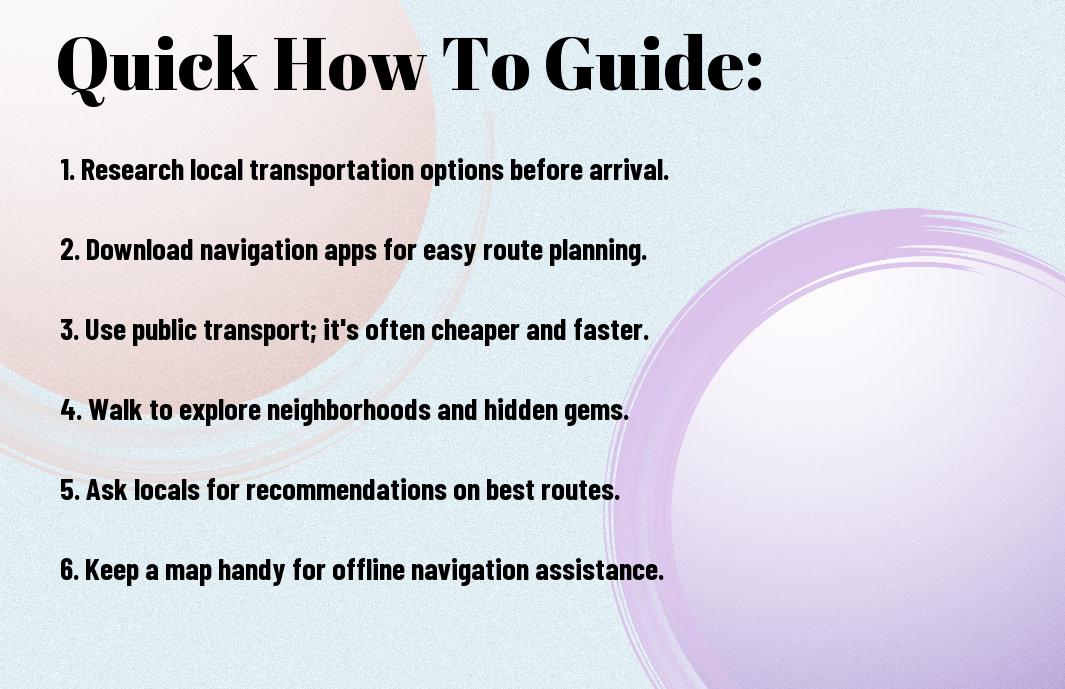
Key Takeaways:

  • Research transportation options before your trip to discover local transport apps, ticket systems, and routes.
  • Public transport is often the best way to experience the city like a local; consider buses, trams, and subways.
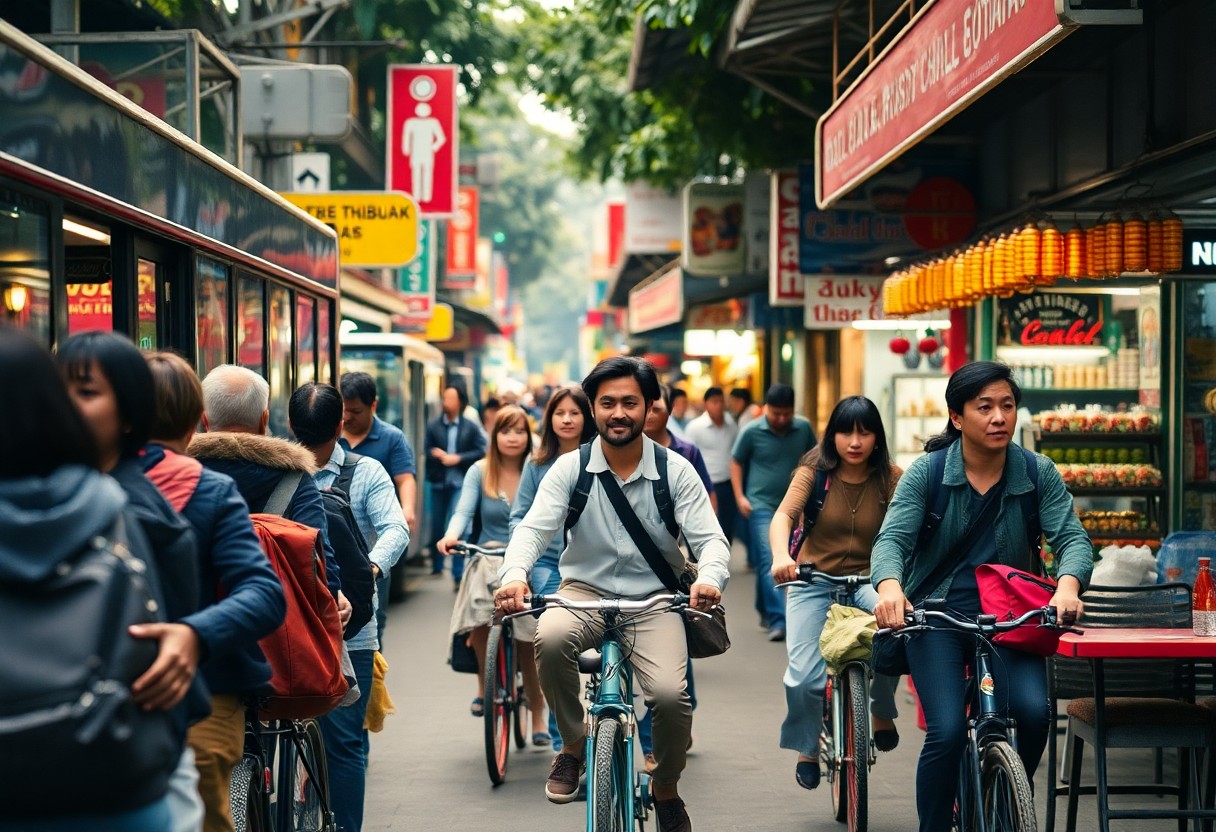
  • Walk or bike when possible to immerse yourself in the surrounding environment and explore hidden gems.
  • Ask locals for recommendations on the best ways to get around and their favorite routes to take.
  • Stay aware of peak travel times and local customs to enhance your mobility and adapt to the city’s rhythm.
Understanding Public Transportation

Your ability to navigate a foreign city efficiently will largely depend on your understanding of its public transportation system. Familiarizing yourself with local transport options and the general rules of usage will help you save time and money while experiencing the city like a local. From buses to trains, each mode of transport can offer unique advantages suited to your itinerary.

Types of Public Transport

Your city may offer various public transportation options to help you explore. Understanding these types will enhance your mobility:

  • Buses
  • Trams
  • Subways/Metro
  • Ferries
  • Taxis/Ride-sharing

This knowledge will empower you to choose the best transport mode for your journey.

Type of Transport Typical Features
Buses Budget-friendly, extensive routes
Trams Convenient for short distances, frequent stops
Subways/Metro Fast, efficient for long distances
Ferries Scenic routes, connects islands
Taxis/Ride-sharing Door-to-door convenience, higher cost

Navigating Transit Schedules

Types of transit schedules can vary, but most systems provide electronic displays, printed timetables, or mobile apps. By taking a moment to familiarize yourself with these schedules, you can minimize wait times and plan your travel more effectively.

This understanding will allow you to anticipate frequency and peak hours, helping you avoid overcrowded vehicles. Additionally, be sure to account for potential delays and alternate routes, which can enhance your overall experience. With this knowledge, you’ll move seamlessly through the city, making the most of your adventure like a true local.

Exploring on Foot

If you want to truly immerse yourself in a foreign city, exploring on foot allows you to experience local culture, architecture, and hidden gems that you might miss while traveling by bus or car. Walking gives you the flexibility to wander off the beaten path and discover charming neighborhoods, picturesque parks, and unique shops at your own pace, making each step a part of your adventure.

Tips for Walking Safely

While urban areas can be bustling and unfamiliar, taking precautions can enhance your walking experience. Use the following tips to ensure your safety:

  • Stick to well-lit streets, especially at night.
  • Be aware of your surroundings and avoid distractions like your phone.
  • Know local emergency contacts and how to reach help.

Knowing these safety tips will help you feel secure as you explore your surroundings.

Best Walking Routes

Assuming you want to make the most of your walking experience, selecting the right routes can greatly enhance your adventure. Research famous landmarks, parks, and local neighborhoods that are pedestrian-friendly. Also, consider checking out online maps or travel blogs where locals share their favorite walking paths, hidden spots, and scenic views.

Safely navigating through the city can open up incredible opportunities. Look for walking tours that guide you through both well-known sights and lesser-known locales. Try combining main attractions with off-the-beaten-path routes to experience authentic local life, allowing you to appreciate the unique character of the city while enjoying beautiful scenery or interesting architecture along the way.

Using Ride-Sharing Services

Not all ride-sharing services operate the same way in every city, so it’s crucial to familiarize yourself with local options. Depending on where you are, you might find different apps that are popular among residents. While services like Uber or Lyft may be available, you could also discover local alternatives that offer competitive rates and better ease of access. Take the time to explore your options and download the apps that are most widely used during your stay.

Popular Apps to Use

Now that you’re ready to navigate the city, check out popular ride-sharing apps that thrive in your destination. This may include global providers like Uber and Lyft, as well as regional services that locals rely on. Some cities may even have specialized platforms featuring unique payment methods or service options tailored to the area’s culture. Make sure to read reviews and assess the best choices for your travel needs.

Navigating Local Ride Culture

Services vary widely in terms of availability, pricing, and etiquette, so it’s crucial to adapt to the local ride culture. Popular practices might include tipping or sharing rides with strangers to cut costs, which might feel strange at first. Additionally, be aware that the concept of ride-sharing can differ; for instance, some cities place a high value on efficiency while others might encourage more friendly interactions. Engaging with local drivers can enhance your experience and outcome.

Renting a Bicycle

Now, exploring a foreign city on two wheels is an exhilarating way to take in the sights while blending in with the locals. Many cities offer bike rental services, making it easy for you to hop on a bicycle and start your adventure. Look for bike-sharing programs or local rental shops that provide both traditional and electric bicycles to suit your pace.

Bicycle Rental Tips

Now, when renting a bicycle, consider the following tips:

  • Check the condition of the bike before you ride.
  • Choose a bicycle that fits your height for comfort.
  • Inquire about helmets and safety gear availability.
  • Familiarize yourself with the rental policies and fees.

Thou can confidently navigate the city on two wheels.

Understanding Cycling Rules

Renting a bicycle in a foreign city comes with the responsibility of knowing local cycling regulations. Local laws can differ significantly from what you are used to, so take a moment to research and understand bike lanes, signaling rules, and right-of-way policies before you ride.

Bicycle safety extends beyond having a helmet; it’s necessary for you to adhere to traffic signals, respect pedestrian crossings, and use designated bike lanes whenever possible. Each city may have specific laws regarding bicycle riding after dark or using headphones, so ensure you are fully aware of these rules to keep yourself and others safe during your cycling exploration.
Learning Local Etiquette

Keep in mind that mastering local etiquette can significantly enhance your travel experience. Knowing how to navigate social interactions not only shows respect to the locals but also fosters connections and enriches your understanding of the culture. Small gestures, such as greeting in the local language or observing dining customs, can make a lasting impression.

Communication Tips

Little nuances in communication can set you apart as a thoughtful traveler. Pay attention to the following tips:

  • Learn common phrases in the local language.
  • Use body language appropriately.
  • Observe personal space preferences.
  • Acknowledge cultural references where possible.

Recognizing the importance of these tips can help you interact more comfortably with locals and enhance your overall experience.

Cultural Norms to Remember

Local customs and traditions can vary significantly from place to place, and being aware of them will help you avoid faux pas. Engage with locals respectfully and show interest in their way of life. Simple actions, like dressing appropriately for the occasion or being punctual for social gatherings, can convey your appreciation for their culture. Understanding greetings, gestures, and dining etiquette will deepen your interactions.

Plus, embracing local cultural norms can offer you deeper insights into the community’s values and way of life. For instance, in many places, dining is a shared experience, and partaking in a meal or drink can symbolize friendship and hospitality. By adjusting your behavior to fit the local customs, you foster goodwill and perhaps even establish lasting connections with the people you meet along your journey.

Helpful Technology

Many travelers find that technology can simplify the process of navigating foreign cities. With your smartphone, you can access a wealth of information that helps you blend in like a local. From location-based services to language translation, leveraging the right tools can make your experience smoother and more enjoyable. Embracing these advancements will empower you to explore confidently while discovering hidden gems off the beaten path.

Essential Apps for Travelers

Technology has transformed the way you can navigate unfamiliar territories. Essential apps, such as Google Maps for directions or Duolingo for language, can significantly enhance your travel experience. Additionally, local transport apps like Citymapper or Uber provide information on public transportation and rideshare options, helping you to get around efficiently without the guesswork.

Offline Navigation Options

Now, even without internet access, you can effectively navigate a new city. Downloading maps for offline use is a game changer. Many navigation apps offer the option to save areas for offline access, ensuring that you won’t get lost if you find yourself in a no-signal zone.

Plus, some travel-specific apps allow you to download entire city maps directly to your device. This feature can be a lifesaver in areas with poor connectivity. Explore your options and make sure to download the necessary maps before your trip, enabling you to rely on your device to guide you effortlessly through unfamiliar streets without constant internet access.

Summing up

Drawing together the tips for navigating a foreign city like a local, you should prioritize understanding the public transportation system, utilizing mobile apps for real-time directions, and engaging with locals for insider advice. Embrace walking or biking to truly absorb your surroundings and discover hidden gems. Additionally, consider learning a few key phrases in the local language to enhance your interactions. With these strategies in mind, you’ll not only find your way easily but also enrich your travel experience.

FAQ

Q: What are the best transportation options for getting around in a foreign city?

A: The best transportation options vary by city, but generally include public transit such as buses, trams, and subways, which are often affordable and efficient. Ridesharing apps can also be a convenient choice for short distances. Additionally, many cities are pedestrian-friendly, so walking or biking can be great options to explore local areas and attractions. Researching local transit systems beforehand can help you to navigate like a local.

Q: How can I find the best local spots and avoid tourist traps?

A: To discover authentic local spots, consider using local apps, blogs, and social media platforms that focus on insider recommendations. Engage with locals through conversation, as they can provide valuable insights on hidden gems that may not be in travel guides. Join local tours or classes, which can often lead you to lesser-known attractions while allowing you to interact with residents and learn more about the culture.

Q: What should I do to feel more confident speaking with locals in their language?

A: Learning a few basic phrases in the local language can significantly enhance your experience. Start with greetings, polite expressions, and common questions related to navigation or dining. Many language learning apps can provide quick lessons. Additionally, don’t be afraid to use gestures or translate apps for more complex conversations. Most locals appreciate when visitors make an effort to communicate in their language, no matter how basic it may be.

Top 5 International Destinations for Foodies

Over the years, culinary tourism has soared, and as a food lover, you’re likely on the lookout for your next great gastronomic adventure. Exploring international destinations known for their rich culinary heritage can unveil unique flavors and intriguing cultures. In this blog post, we will guide you through the top five locations around the globe that promise to inspire your palate and enhance your culinary knowledge, making your travels an unforgettable feast for the senses.

Key Takeaways:

  • Tokyo, Japan: Renowned for its diverse culinary scene, from sushi to ramen, Tokyo boasts the highest number of Michelin-starred restaurants in the world.
  • Barcelona, Spain: A vibrant city offering a rich mix of traditional Catalan cuisine and modern gastronomic trends, making it a hotspot for food enthusiasts.
  • Bangkok, Thailand: Famous for its street food culture, Bangkok offers an array of flavors, from spicy curries to sweet desserts, catering to all tastes.
  • New Orleans, USA: Known for its unique blend of French, African, and Spanish influences, New Orleans is a food lover’s paradise, with dishes like gumbo and beignets.
  • Florence, Italy: A haven for Italian cuisine, Florence provides an authentic experience with fresh pasta, rich sauces, and classic dishes rooted in tradition.

Italy: A Culinary Paradise

While Italy is renowned for its rich history and breathtaking landscapes, it is also a culinary paradise that beckons food lovers from around the globe. From the coastal regions to the rolling hills of Tuscany, Italy offers an array of flavors that reflect its diverse food culture. You’ll find that each meal tells a story of tradition and passion, making every bite a memorable experience. Discovering the nuances of Italian cuisine is an adventure that will enhance your travels and deepen your appreciation for this vibrant country.

Regional Specialties

Among the many delights of Italian cuisine, regional specialties stand out as reflections of local traditions and ingredients. Each Italian region boasts its unique flavors and techniques, offering dishes that are often passed down through generations. From the rich risottos of Lombardy to the fresh seafood of Sicily, you’ll have the opportunity to sample culinary gems that celebrate the local climate and culture, making your dining experiences truly authentic.

Iconic Dishes to Try

The Italian culinary landscape is peppered with iconic dishes that you simply cannot miss during your visit.

Even beyond pizza and pasta, Italy has a wealth of iconic dishes to try that will tantalize your taste buds. Savor the creamy risotto alla milanese from Milan, bursting with saffron flavor, or explore the robust flavors of ragù alla bolognese from Bologna. Don’t overlook the simplicity of bruschetta topped with fresh tomatoes and basil, an antipasto that captures Italian freshness. Each dish reflects the local ingredients and cooking styles, inviting you to initiate on a flavorful journey through this enchanting country.

Japan: A Fusion of Tradition and Innovation

Some of the most exquisite culinary experiences await you in Japan, where traditional techniques blend seamlessly with modern innovations. Here, you can delight in the artistry of sushi-making, savor the umami of ramen, and explore delightful kaiseki, an elaborate multi-course meal. Japan is a paradise for food enthusiasts, offering a spectrum of flavors that reflect both history and contemporary trends, making it a top destination for any foodie seeking divine culinary exploration.

Street Food Adventures

Food plays an necessary role in everyday Japanese life, especially when it comes to street food. You can stroll through bustling markets and vibrant neighborhoods, sampling a variety of iconic bites like takoyaki, okonomiyaki, and yakitori. The lively atmosphere and rich flavors create an unforgettable experience that connects you intimately with local culture.

Fine Dining Experiences

An exquisite culinary journey awaits you in Japan’s fine dining scene, where skillful chefs elevate seasonal ingredients into artful dishes. The meticulous attention to detail and presentation makes each meal a masterpiece. In cities like Tokyo and Kyoto, you can enjoy unique interpretations of traditional cuisine, often blending Western techniques with Japanese sensibilities.

Another highlight of fine dining in Japan is the opportunity to experience omakase, where chefs craft a personalized tasting menu just for you. Each dish is designed to showcase the freshest ingredients, seasonal flavors, and culinary craftsmanship, allowing you to enjoy a unique dining experience. Restaurants often feature intimate settings, where you interact directly with the chef, enhancing your appreciation of each delicacy. This symbiotic relationship between chef and diner elevates your dining experience beyond a simple meal into a journey of flavors and tradition.

Mexico: A Flavorful Journey

Nowhere else will you find a culture so rich in flavors and culinary heritage as in Mexico. As a foodie, your taste buds will rejoice in the vibrant spices, fresh ingredients, and diverse traditions that redefine what it means to eat well. From street tacos to fine dining, the country’s gastronomic offerings reflect its deep history and regional variations, promising an unforgettable culinary adventure that captivates both locals and visitors alike.

Traditional vs. Contemporary Cuisine

One of the delights of exploring Mexican cuisine is the fascinating interplay between traditional and contemporary dishes. Traditional cuisine is deeply rooted in indigenous practices, focusing on corn, beans, and chili peppers, while contemporary cuisine elevates these staples with innovative techniques and fusion flavors. You’ll see how chefs blend traditional ingredients with global influences, providing a fresh take on classic recipes.

Must-Try Dishes

Contemporary Mexican cuisine offers a remarkable array of must-try dishes that reflect the country’s culinary evolution. You cannot miss the iconic street food like tacos al pastor, made with marinated pork roasted on a spit, and paired with fresh pineapple, cilantro, and onions. Enchiladas, mole, and ceviche also showcase the complexity and depth of flavors. A treat for your taste buds, these dishes embody the soul of Mexico’s culinary landscape.

With each bite, you’ll experience the diversity of flavors that characterize Mexican cuisine. An unmissable dish is the rich and savory mole, a complex sauce made from chili peppers, various spices, and sometimes chocolate, served over chicken or enchiladas. Don’t overlook fresh ceviche, a refreshing dish of marinated seafood packed with citrusy goodness. Each region offers specialties, so be sure to savor local delights, from cochinita pibil to tamales, ensuring your culinary exploration of Mexico is as rich as its culture.

Thailand: A Symphony of Spices

Not only is Thailand famous for its stunning landscapes and rich cultural heritage, but it also offers a tantalizing journey for food enthusiasts. The vibrant street markets and gourmet restaurants showcase a diverse range of flavors that reflect the country’s rich culinary traditions. With dishes like Pad Thai, Tom Yum, and Green Curry, you will find yourself endlessly captivated by the layered tastes and enticing aromas that fill the air.

Essential Street Food

Symphony of flavors awaits you in the streets of Thailand, where you can indulge in mouth-watering street food. From smoky grilled skewers to crispy spring rolls, each bite tells a story steeped in tradition. Don’t miss classics like Som Tum (spicy papaya salad) and Mango Sticky Rice, as they exemplify the balance of sweet, sour, and spicy that defines Thai cuisine.

Culinary Classes and Experiences

Thailand offers an immersive experience through culinary classes that elevate your appreciation for Thai dishes. You’ll learn from local chefs about the importance of fresh ingredients and traditional cooking methods, allowing you to recreate the flavors of Thailand in your kitchen.

Spices play a vital role in the Thai culinary landscape, and understanding their uses is key to mastering the art of cooking these beloved dishes. Enrolling in a cooking class will provide you hands-on experience in selecting and using fresh herbs and spices, such as lemongrass, galangal, and Thai basil. You’ll not only enhance your cooking skills but also deepen your connection to the rich tapestry of Thai culture and its vibrant food scene.

Spain: A Tapas Lover’s Dream

After exploring the vibrant streets of Spain, you’ll discover a culinary paradise where tapas reign supreme. This delightful tradition invites you to savor small plates filled with various flavors, making it an ideal destination for food lovers. Whether you’re indulging in crispy patatas bravas or fresh seafood, you’ll see why Spain is celebrated as a top spot for gastronomes. If you’re seeking more inspiration, check out the 25 Best foodie destinations that can enhance your culinary adventures.

Regional Varieties

Among Spain’s regions, each offers distinct tapas that reflect local ingredients and traditions. From the seafood-rich plates of the coastal areas to the hearty fare of the interior, your taste buds will delight in endless diversity. You might enjoy the spicy chorizo from the north or the unique interpretations of patatas in Andalusia, allowing you to experience a flavor journey across the country with every bite.

Wine and Culinary Pairings

Beside the tantalizing tapas, Spain is also home to world-renowned wines that complement these small dishes perfectly. You can explore the local vineyards and enjoy your meal alongside a robust Rioja or a refreshing Albariño, enhancing your overall gastronomic experience. Pairing your tapas with the right wine can elevate your meal from delicious to unforgettable.

Tapas dining often comes with the exciting opportunity to experiment with diverse wine and food pairings. You might find a rich red wine harmonizing beautifully with cured meats while a chilled white wine brightens up the flavors of seafood tapas. This interactive dining style encourages you to be adventurous, mixing and matching wines with various tapas for a personalized taste experience. Each meal can turn into a delightful exploration of Spain’s rich culinary heritage.

Conclusion

As a reminder, exploring the top international destinations for foodies offers a remarkable opportunity to broaden your culinary horizons. Whether it’s indulging in the vibrant street food of Bangkok, experiencing the rich flavors of Tuscan cuisine, or savoring the fresh seafood in Tokyo, each locale presents unique tastes and experiences. You’ll not only satisfy your palate but also immerse yourself in diverse cultures through their culinary traditions. So, pack your bags and prepare your taste buds for a flavorful adventure like no other!

FAQ

Q: What are the best international destinations for food enthusiasts?

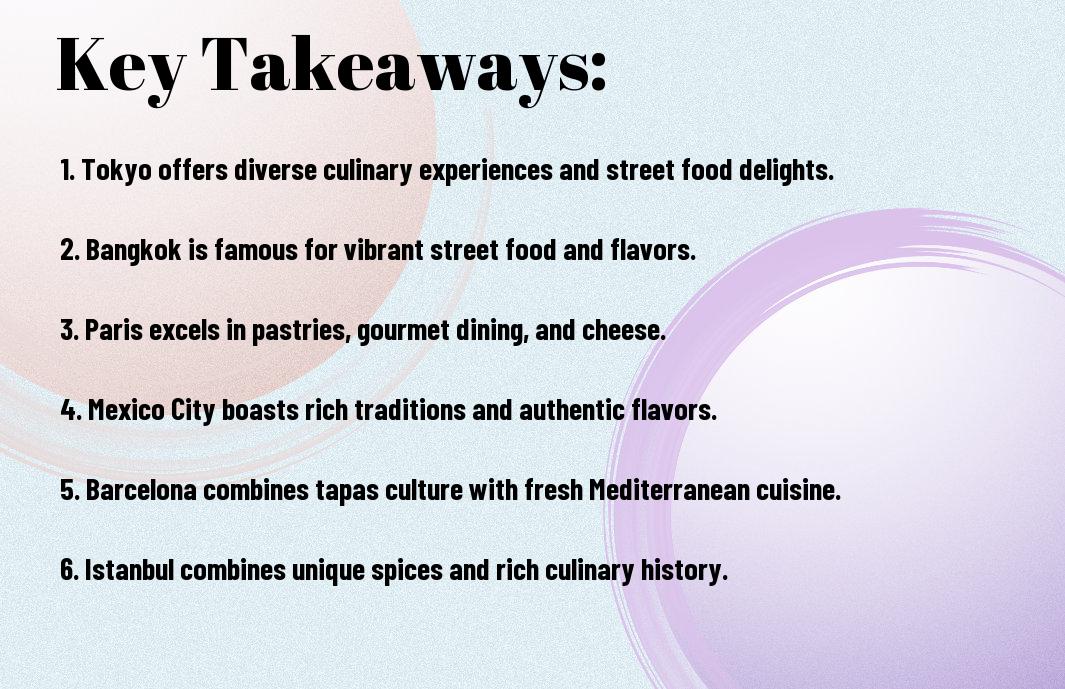
A: Some of the top international destinations for foodies include Bangkok, Thailand, known for its vibrant street food scene; Tokyo, Japan, which offers an incredible range of fine dining and sushi experiences; Barcelona, Spain, famous for its tapas and unique Catalan cuisine; Mexico City, Mexico, known for its rich culinary heritage and diverse street food; and Istanbul, Turkey, where the fusion of various cultures results in delightful dishes and flavors.

Q: What types of cuisine can I expect in these destinations?

A: Each destination showcases its own unique flavors and culinary traditions. In Bangkok, you’ll find Thai curry, pad Thai, and a multitude of delicious street food options. Tokyo is celebrated for its fresh sushi, ramen, and kaiseki dining experiences. Barcelona offers a taste of Mediterranean cuisine with its tapas, paella, and rich Catalan dishes. Mexico City presents a wide array of options including tacos, tamales, and mole. Istanbul features traditional Turkish dishes such as kebabs, mezes, and baklava, showcasing a blend of Middle Eastern and Mediterranean influences.

Q: Are there any food festivals I can attend in these destinations?

A: Yes, many of these cities host popular food festivals throughout the year. In Bangkok, the annual Bangkok Street Food Festival showcases the best street food the city has to offer. Tokyo holds numerous food fairs, including the Ramen Expo, which draws ramen lovers from all over the world. Barcelona’s Mercat de Sant Josep de la Boqueria often hosts culinary events and is a must-visit food market. Mexico City features events like the Festival de la Gastronomía Mexicana that celebrates the country’s diverse food culture. Istanbul celebrates its culinary heritage during the Istanbul Food Festival, where you can enjoy local specialties and cooking demonstrations.

How to Deal with Culture Shock When Traveling Abroad

Over time, you may find that traveling abroad exposes you to cultural differences that can be both exciting and overwhelming. Culture shock is a common experience for many travelers, and understanding how to navigate it can enhance your journey. In this guide, you will learn practical tips and strategies to manage feelings of disorientation and frustration, so you can fully appreciate the diverse world around you. Embrace this opportunity for personal growth and gain valuable insights that will enrich your travels.

Key Takeaways:

  • Preparation: Familiarize yourself with the culture, customs, and language of the destination to reduce the intensity of culture shock.
  • Open-mindedness: Approach new experiences with curiosity and a willingness to learn, which can enhance your travel experience.
  • Establish connections: Seek out local friends or fellow travelers to share experiences, which can provide support during challenging moments.
  • Practice self-care: Take time for yourself, engage in activities you enjoy, and maintain routines to manage stress and feelings of disorientation.
  • Patience: Allow yourself time to adapt to the new environment and understand that adjusting takes effort and may not happen overnight.

Understanding Culture Shock

While traveling abroad can be an exciting adventure, it often comes hand-in-hand with culture shock. This phenomenon occurs when you encounter unfamiliar customs, practices, and societal norms that can feel overwhelming. Understanding culture shock is crucial for managing its effects and adapting to your new environment effectively. Recognizing its presence in your journey can facilitate a smoother transition into the culture you’re experiencing.

Definition and Stages

Clearly, culture shock is a psychological and emotional response to experiencing a different culture. It typically unfolds in four stages: the honeymoon phase, where everything feels exciting; the frustration stage, characterized by feelings of isolation; the adjustment phase, where you begin to adapt; and finally, the acceptance stage, where you feel comfortable in your new surroundings.

Common Symptoms

Clearly, the symptoms of culture shock can vary widely among individuals, but you may experience a range of emotional and physical reactions. Symptoms can include anxiety, homesickness, irritability, depression, and even physical symptoms such as headaches or fatigue.

Definition of common symptoms highlights how you may feel out of your element when faced with new customs and communication styles. These emotions might manifest as frustration or sadness as you navigate through the cultural differences. You might also feel disoriented, struggling to understand or participate in social interactions. As you experience culture shock, it’s vital to acknowledge these feelings and remember that they are a normal part of adjusting to a new environment.

Factors Influencing Culture Shock

Now that you are aware of the concept of culture shock, it’s important to identify the various factors that influence your experience. These factors can shape how you perceive and adapt to new cultures, including:

  • Your previous travel experience
  • The length of your stay
  • The type of environment you are in (urban vs. rural)
  • Your individual personality traits
  • The level of cultural difference

Perceiving these factors will help you navigate culture shock more effectively.

Cultural Differences

Little things can trigger culture shock, from language barriers and food preferences to social norms and gestures. These differences can create feelings of frustration or disorientation, making it important to approach these cultural elements with an open mind. Understanding and embracing these variances can greatly enhance your experience abroad.

Personal Expectations

Expectations play a vital role in your travel experience and can significantly influence your reaction to culture shock. When you anticipate a specific experience or outcome, any deviation can lead to disappointment or discomfort.

It’s natural to have certain expectations about how your travel will unfold, influenced by media representations and personal desires. However, adjusting these expectations to allow for flexibility helps lessen the impact of culture shock. Being prepared for surprises and embracing the unknown can lead to enriching experiences as you immerse yourself in new cultures.

How to Prepare for Cultural Differences

Once again, preparing for cultural differences is necessary to ensure a more enjoyable and respectful travel experience. Familiarizing yourself with local customs and practices can help you navigate new environments and avoid unintended misunderstandings. Take the time to learn about the country’s social etiquette, dressing norms, and dining manners to enhance your interactions and demonstrate your respect for their culture.

Researching Local Customs

Some travelers find it beneficial to research and understand the customs of the destination they’re visiting. This may include greeting gestures, acceptable topics of conversation, and general behavior in public spaces. Knowing these cultural nuances not only helps you feel more at ease, but also allows you to engage with locals in a more respectful manner.

Learning Key Phrases

Even learning a few key phrases in the local language can significantly enhance your trip. Simple greetings, expressions of gratitude, and polite requests can build rapport and create more positive interactions with locals.

To effectively learn key phrases, consider using language apps, online resources, or phrasebooks to get familiar with necessary terms. Practice saying these phrases out loud to build your confidence in speaking. Basic conversational skills can open doors for meaningful connections and enrich your travel experience, making you feel more connected to the culture around you.

Tips for Coping with Culture Shock

For those navigating culture shock, it’s imperative to adopt effective coping strategies. Consider these tips to ease your transition:

  • Familiarize yourself with local customs and traditions.
  • Stay flexible in your expectations.
  • Engage with locals and fellow travelers.
  • Keep a journal to process your feelings.
  • Practice self-care and seek support when needed.

Knowing these strategies can help you adjust and enrich your travel experience.

Staying Connected with Home

Shock can set in when you feel disconnected from your familiar surroundings. To combat this, make an effort to stay in touch with family and friends back home. Use video calls, social media, or messaging apps to maintain those relationships, and share your experiences to feel more grounded. Engaging in familiar routines, like enjoying a home-cooked meal or listening to your favorite music, can also help ease feelings of nostalgia.

Keeping an Open Mind

One way to mitigate culture shock is by keeping an open mind regarding new experiences. Embrace differences rather than resisting them, and approach every situation with curiosity. This mindset allows you to appreciate the richness of diverse cultures and the learning opportunities they offer.

Keeping an open mind means actively seeking out new experiences rather than judging them through a lens of familiarity. Be willing to try local foods, participate in cultural events, and learn the language—even if it’s just a few words. Understanding that culture is layered and complex will enrich your journey and help you build connections with those around you. Embracing differences can turn potential discomfort into a rewarding experience that broadens your perspective.

Strategies for Adjustment

To effectively adjust to a new culture, immerse yourself in local customs and routines. Take small steps, such as trying local food, learning a few phrases in the language, and participating in community activities. Being open-minded and patient will help you navigate the initial challenges, eventually making your experience enjoyable and enriching.

Engaging with Locals

Any opportunity to connect with locals can help you gain insights into their way of life. Engage in conversations, attend community events, or join local clubs and groups. These interactions can offer you a deeper understanding of cultural nuances and foster lasting friendships, making your time abroad more rewarding.

Finding Support Groups

On your journey, finding support groups can provide a safe space to share experiences and feelings related to culture shock. Connecting with others who are facing similar challenges makes you feel less isolated and more understood, which is necessary for your emotional well-being while adjusting.

Another way to find support groups is by exploring online forums or social media platforms. Look for expat communities, travel groups, or cultural organizations specific to your destination. Engaging in these spaces allows you to share experiences, seek advice, and connect with others who understand what you’re going through, helping you adapt more comfortably to your new environment.

Long-term Solutions for Adapting

Unlike a brief visit, long-term travel can intensify feelings of culture shock. To effectively adapt, you should seek Coping with Culture Shock strategies that involve gradual immersion into the local culture. Engage with local communities, learn the language, and embrace the differences that come your way. Over time, your discomfort will transform into understanding and appreciation, helping you build a fulfilling experience abroad.

Developing Cultural Competence

Cultural competence involves understanding and engaging with the nuances of the local culture. By learning about societal norms, traditions, and etiquette, you enhance your ability to communicate and connect with locals. Engaging with diverse perspectives through books, podcasts, or conversations will enrich your experience and help you adapt more smoothly.

Embracing New Experiences

For effective adaptation, it’s important to embrace new experiences as they arise. Trying local foods, participating in cultural events, and meeting new people will not only broaden your horizons but also help you assimilate into your new environment. This open-minded approach fosters resilience and transforms challenges into opportunities for growth.

Plus, stepping out of your comfort zone can lead to unexpected adventures and friendships that deepen your understanding of the culture. Seek out local workshops, volunteer opportunities, or community gatherings to fully immerse yourself. You’ll find that each new experience not only helps you acclimate but also creates lasting memories and connections, enriching your journey abroad.

To wrap up

The key to effectively dealing with culture shock while traveling abroad is to stay open-minded and flexible. Acknowledge your feelings and give yourself permission to adjust at your own pace. Engage with locals, immerse yourself in the culture, and seek out familiar comforts when needed. By maintaining a positive outlook and actively embracing your new environment, you can turn potential challenges into enriching experiences that enhance your journey.

FAQ

Q: What are the common signs of culture shock when traveling abroad?

A: Culture shock can manifest in various ways, and some common signs include feelings of disorientation, anxiety, homesickness, irritability, and difficulty adapting to new surroundings. You might find yourself struggling with language barriers, experiencing frustration over unfamiliar customs or social norms, or feeling isolated from locals. These feelings can be overwhelming but are quite normal during the adjustment period.

Q: How can I prepare myself to cope with culture shock before traveling?

A: Preparation is key in managing culture shock. Start by researching the country you plan to visit, including its customs, social etiquette, and local traditions. Familiarizing yourself with basic phrases in the local language can also be beneficial for easier communication. Additionally, consider connecting with locals or other travelers online to gain insights about their experiences. If possible, try to immerse yourself in similar cultural environments before your trip, which can help ease the transition.

Q: What strategies can I use to overcome culture shock while I’m abroad?

A: To adapt to a new culture, engage actively with your surroundings. Make an effort to meet locals, try new foods, and participate in local events or activities. Keeping a journal can be helpful in processing your experiences and emotions. Finding a support network, be it other travelers or expats, can also provide comfort and encouragement. It’s important to give yourself time to adjust and seek professional support if feelings become overwhelming.

Top 10 Historic Sites to Visit Around the World

Over centuries, our world has been shaped by remarkable events and cultures, leaving behind iconic historic sites that tell their stories. In this guide, you will explore the top 10 historic sites that not only inspire awe but also offer profound insights into our shared heritage. As you journey through these breathtaking locations, you’ll discover the rich tapestry of human history that awaits you, encouraging both reflection and appreciation for what has come before. Get ready to expand your horizons and launch on a memorable adventure through time!

Key Takeaways:

  • Diverse Heritage: The list includes sites from various cultures, showcasing the richness of human history.
  • Architectural Marvels: Many sites are notable for their stunning architecture, attracting millions of visitors each year.
  • UNESCO World Heritage Sites: Several of the top locations are recognized by UNESCO, indicating their global significance and conservation status.
  • Cultural Experiences: Visiting these sites offers immersive experiences into the past, enhancing understanding of different civilizations.
  • Global Accessibility: Many sites are located in accessible regions, making them popular destinations for travelers worldwide.

Great Wall of China

Your visit to the Great Wall of China unveils one of the most significant architectural wonders in human history. Spanning over 13,000 miles, this ancient fortification was originally built to protect Chinese states from invasions and now stands as a testament to the ingenuity and endurance of a civilization that has thrived for thousands of years. Walking along the wall not only offers a glimpse into the past but also immerses you in the stunning landscapes that surround this iconic structure.

Iconic ancient fortification

You’ll be amazed as you traverse sections of the Great Wall, each telling its own story of ambition and resilience. Constructed over several dynasties, this monumental feat of engineering showcases ancient Chinese military prowess. The well-preserved battlements, watchtowers, and scenic surroundings create a captivating experience that connects you with the rich history of the nation.

Panoramic mountain views

Views from the Great Wall offer breathtaking vistas that stretch across serene mountains and lush valleys. As you walk along the wall’s ridges, you’ll find yourself immersed in nature, with magnificent panoramas waiting around every bend, capturing the essence of China’s diverse landscapes.

China’s breathtaking panoramas from the Great Wall will leave you awestruck. Each step rewards you with sweeping views of rugged mountains and sprawling forests, enhancing your journey with naturally breathtaking scenery. Whether wrapped in the vibrant colors of autumn or blanketed in serene winter snow, these views transform with the seasons, making each experience unique. Pausing at strategic lookout points allows you to appreciate both the grandeur of the wall and the stunning vistas, providing countless photo opportunities that you’ll cherish long after your visit.

Machu Picchu, Peru

Some of the most iconic and captivating ruins globally reside in Machu Picchu, Peru. This Incan citadel, perched high in the Andes mountains, offers a glimpse into the rich history and incredible architectural prowess of the Inca civilization. A UNESCO World Heritage site, Machu Picchu draws visitors from all over the world, eager to explore its ancient temples, terraces, and plazas, all while taking in a breathtaking landscape that perfectly encapsulates the essence of Peru.

Incan Citadel Ruins

Machu Picchu showcases the remarkable ingenuity of the Inca civilization. Built in the 15th century, this extensive complex features intricately carved stone structures that have withstood the test of time. As you walk through the site, observe the agricultural terraces, religious temples, and residences that tell the story of a vibrant community that flourished in this remote location.

Stunning Mountainous Backdrop

On your visit to Machu Picchu, you’ll be captivated by the stunning mountainous backdrop that surrounds the site. The dramatic peaks and lush valleys create a striking contrast with the ancient ruins, enhancing the sense of adventure and exploration. This breathtaking scenery not only offers abundant photo opportunities but also provides a sense of tranquility as you connect with nature and the history of the Incas.

To fully appreciate the stunning mountainous backdrop, consider hiking the Inca Trail or the shorter alternative trails that lead to Machu Picchu. These paths will immerse you in the breathtaking landscapes of the Andes, revealing captivating views that change with each step. As you ascend, the combination of lush greenery and towering peaks amplifies the site’s mystical aura, allowing you to take in the majestic beauty of the area before arriving at the citadel itself. The experience of standing at Machu Picchu, with its awe-inspiring vista, is something you will cherish forever.

Pyramids of Giza

Keep the Pyramids of Giza at the top of your travel list, as they are an awe-inspiring testament to ancient Egyptian civilization. Built over 4,500 years ago, these monumental structures continue to captivate visitors with their grandeur and mathematical precision. The Great Pyramid of Khufu, the largest of the three, was originally 146.6 meters tall and remains a marvel of engineering and design, drawing travelers from around the globe to explore its rich history and significance.

Ancient Burial Structures

Structures like the Pyramids served as monumental tombs for Egyptian pharaohs, showcasing the culture’s reverence for the afterlife. Encased in elaborate chambers filled with treasures and offerings, these burial sites demonstrated both the pharaoh’s power and their beliefs in immortality. As you explore, you’ll notice the intricate hieroglyphs and designs that illuminate the burial rituals practiced thousands of years ago, providing a fascinating glimpse into ancient Egyptian society.

Mysteries of Pharaohs

Pyramids have long been shrouded in mysteries that intrigue historians and archaeologists alike. Despite extensive research, the exact methods of construction remain a topic of debate, as the logistics of moving massive stones without modern machinery challenge conventional understanding. Furthermore, the purpose of the hidden chambers continues to spark curiosity, leading to various theories about their significance in the pharaohs’ transition to the afterlife.

It is this enigma surrounding the pyramids that makes a visit to Giza even more compelling. You may find yourself pondering the lives of those entombed within, as each pyramid serves as a portal to a time when the pharaohs ruled with divine authority. The incredible precision of their architecture and the alignment with the stars amplify the intrigue, making you feel connected to ancient history. The mysteries may never be fully unraveled, but your exploration offers a unique opportunity to appreciate humanity’s enduring fascination with the past.

Colosseum, Rome

Unlike any other structure in Rome, the Colosseum stands as a timeless monument to ancient engineering and cultural significance. This iconic amphitheater captivates visitors with its grandiosity and rich history, inviting you to step back in time and experience the vibrant atmosphere of ancient Rome. As you explore this remarkable site, you can almost hear the echoes of spectators who once gathered to witness awe-inspiring spectacles and daring battles.

Ancient amphitheater

On your visit to the Colosseum, you will discover that it was designed as an ancient amphitheater, built during the reign of Emperor Vespasian in 70-80 AD. The sprawling structure could accommodate up to 50,000 spectators, allowing them to witness various events including dramas, animal hunts, and more. Its innovative design, featuring a complex system of corridors and seating tiers, ensured optimal views for all attending, making it a marvel of Roman architecture.

Gladiatorial combat history

On your journey through the Colosseum, you will come across the fascinating history of gladiatorial combat, a prominent attraction that captivated Roman audiences. Gladiators, often enslaved individuals or prisoners of war, fought in brutal contests against one another or wild animals, showcasing their strength and skill. These spectacles served not only as entertainment but also as a means to convey power and uphold social order, reflecting the complex dynamics of ancient Roman society.

The spectacle of gladiatorial combat at the Colosseum was more than just entertainment; it was a way for emperors to gain popular support and demonstrate their authority. Over time, gladiators became celebrated figures, known for their bravery and skill, sometimes even earning significant wealth and fame. These battles were sometimes brutal, sometimes strategically choreographed, and they played an integral role in the cultural fabric of ancient Rome. Understanding this history adds a deeper appreciation for the Colosseum, highlighting its significance as a site where life and death hung in the balance for many performers.

Taj Mahal, India

For an unforgettable experience, the Taj Mahal stands as a beacon of India’s rich history and breathtaking beauty. This iconic structure, recognized as a UNESCO World Heritage Site, attracts millions each year, drawing you into a world where history and art converge. If you’re seeking insight into the Best Historical Sites in the World, the Taj Mahal should top your list.

Architectural Masterpiece

For you, the stunning architectural brilliance of the Taj Mahal is undeniably captivating. Crafted from white marble and adorned with intricate carvings, its design reflects Mughal architecture’s unique blend of Persian, Indian, and Islamic styles. As you stroll through its lush gardens, you will appreciate the symmetry and artistry that have made this monument a timeless classic.

Symbol of Love

An enduring tribute to love, the Taj Mahal was built by Emperor Shah Jahan in memory of his beloved wife, Mumtaz Mahal. As you explore its serene beauty, you can feel the profound love story that inspired its creation, symbolizing the deep bond they shared throughout their lives.

To fully grasp the significance of the Taj Mahal as a symbol of love, consider its rich history. Constructed in the 17th century, this white marble mausoleum was designed not only as a final resting place but also as a testament to the emperor’s unwavering devotion. The intricacies of the tales woven into its construction and the romantic architecture around it serve as a constant reminder of love’s power, allowing you to reflect on the beauty of personal connection and reverence.

Stonehenge, England

Despite being shrouded in mystery, Stonehenge remains one of the most iconic historic sites in the world. Located on the plains of Salisbury, this prehistoric monument captivates your imagination with its massive stone circle, believed to have been constructed around 2500 BC. As you stand among the ancient stones, you can’t help but marvel at the ingenuity and purpose behind this enigmatic site, which continues to spark debate among historians and archaeologists alike.

Prehistoric monument

Even thousands of years later, Stonehenge stands as a remarkable testament to prehistoric engineering and societal advancement. You may find it fascinating that the monument consists of a series of large, standing stones arranged in a circular pattern, demonstrating the sophisticated techniques of those who built it. The sheer scale and precision of the construction challenge your understanding of prehistoric human capabilities, showcasing an era defined by immense creativity and communal effort.

Astronomical alignment theories

Little is known about the specific purposes of Stonehenge, but several theories suggest that its construction was linked to astronomical events. You will be intrigued to discover that many researchers propose that the arrangement of the stones aligns with the summer and winter solstices, marking significant moments in the astronomical calendar. This connection suggests that the site may have held significant ritual importance for the ancient peoples who frequented it, possibly serving as a calendar or observatory to track celestial movements.

Stonehenge continues to be a focal point for research into its astronomical alignment, fostering your curiosity about ancient civilizations. Scholars argue that the site may have functioned as an observatory, guiding agricultural practices or religious festivals based on the sun’s position. As you explore the site, considering these theories may give you a deeper appreciation of how our ancestors harnessed the cosmos to define their lives and cultures. Their ability to align such monumental stones with celestial events speaks volumes about their knowledge and reverence for the universe.

Petra, Jordan

All travelers should experience Petra, an archaeological wonder nestled in the heart of Jordan. Renowned for its stunning rock-cut architecture and intricate water conduit system, this ancient city captivates visitors with its breathtaking façade that reveals the ingenuity of the Nabateans. As a UNESCO World Heritage Site, Petra showcases a blend of cultural influences, making it a must-visit for history enthusiasts and adventurers alike.

Rock-cut architecture

Any visitor will be amazed by the sophisticated rock-cut architecture of Petra. The monumental structures, carved directly into the rose-red sandstone cliffs, not only exhibit remarkable artistic skills but also reflect the ingenuity of the Nabateans in adapting to their environment. Exploring these impressive façades will leave you in awe of the craftsmanship that has withstood the test of time.

Ancient Nabatean city

An exploration of Petra reveals its status as an ancient Nabatean city, thriving from the 4th century BC to the 2nd century AD. This once-bustling hub was strategically positioned along trade routes, allowing the Nabateans to control and profit from the exchange of goods such as silk and spices. As you wander through the narrow siq leading to the Treasury, you’ll encounter the remnants of this vibrant civilization, including tombs, temples, and sophisticated water management systems, showcasing their advanced engineering techniques.

With its rich history and stunning landscape, Petra provides you with a unique glimpse into the lives of the Nabateans. This ancient city’s strategic location and mastery of trade allowed it to flourish as a center of commerce, connecting various cultures and influencing the region’s development. As you walk through the archaeological site, you’ll uncover layers of history hidden in the intricate carvings and structures, offering a truly immersive experience that transports you back to a time when Petra reigned as a thriving metropolis.

Angkor Wat, Cambodia

After exploring the temples and ruins of Angkor, you’ll soon understand why this UNESCO World Heritage Site is hailed as one of the most impressive monuments in the world. Originally constructed in the 12th century, Angkor Wat is not just a masterpiece of Khmer architecture but also a rich tapestry of history and culture, embodying the spirit of Cambodia. Visiting this awe-inspiring site grants you a unique glimpse into the grandeur of the Khmer Empire, making it an vital stop on your global journey.

Largest religious complex

Even as you step foot into Angkor Wat, you will be taken aback by its scale; it is the largest religious complex in the world. Spanning over 162 hectares, this vast site was originally constructed as a Hindu temple dedicated to the god Vishnu, before transitioning to a Buddhist temple complex. Its sheer size offers a captivating journey through history, and you’ll find countless corridors and sanctuaries to explore, each contributing to the intricate narrative of this iconic landmark.

Stunning Khmer architecture

Architecture at Angkor Wat showcases the unparalleled craftsmanship of the Khmer civilization. Its design integrates elements of harmony and symmetry, demonstrating advanced engineering techniques and a deep understanding of alignment with celestial bodies. As you traverse the vast temple grounds, you’ll be captivated by the towering spires, intricate bas-reliefs, and majestic lotus flower motifs that adorn the structures, all of which reflect the spiritual essence that permeates this extraordinary site.

This intricate artistry not only highlights the aesthetic beauty of Angkor Wat but also tells powerful stories from Hindu mythology, depicting events like the Churning of the Ocean of Milk. When you study the detailed carvings on the walls, you will appreciate the dedication and expertise that went into creating these timeless artworks. Exploring Angkor Wat’s stunning Khmer architecture allows you to connect with both the past and the cultural significance that this site holds today.

Eiffel Tower, France

Now recognized as a global symbol of France, the Eiffel Tower is an architectural marvel that draws millions of visitors each year. Standing tall at 1,083 feet, this iconic structure offers panoramic views of Paris and an unforgettable experience for tourists. Whether you’re taking in the sights from the observation decks or enjoying a meal at one of its restaurants, a visit to the Eiffel Tower is a must for anyone exploring the enchanting city of Paris.

Iconic iron lattice tower

Tower over the Seine River, the Eiffel Tower is constructed from more than 18,000 iron parts, showcasing a unique lattice design that has inspired countless structures worldwide. Completed in 1889 for the Exposition Universelle, its innovative engineering reflects a blend of artistry and science. This stunning feat of design is an crucial part of your journey when visiting Paris.

Parisian skyline landmark

Assuming you have the chance to view the Eiffel Tower, you will quickly realize it is more than just a landmark; it’s a defining feature of the Paris skyline. Standing among historic buildings and scenic boulevards, this tower not only captures the beauty of the city but also embodies its spirit. With lights illuminating the tower each evening, it serves as a guiding star, drawing your eyes toward the heart of Paris.

To fully appreciate the Eiffel Tower as a Parisian skyline landmark, consider visiting both during the day for breathtaking views and at night for the enchanting light displays. The tower sits proudly above the city, making it impossible to miss in photographs or while walking the streets. As you explore nearby areas like the Champ de Mars and Trocadéro Gardens, you’re sure to find picturesque vantage points that elevate your experience and capture the essence of Paris’s romantic atmosphere.

Acropolis of Athens

Once again, we find ourselves captivated by the Acropolis of Athens, a symbol of the ancient civilization’s remarkable achievements. This UNESCO World Heritage Site stands as a testament to the ingenuity and artistry of the ancient Greeks, enticing visitors with its rich history and breathtaking architecture. As you explore the site, you’ll discover not only the beauty of the structures but also the stories of the people who once inhabited this iconic landmark.

Ancient Citadel

Little remains can compare to the significance of the Acropolis as an ancient citadel, representing the heart of Athenian power and culture. Towering above the city, this strategic high ground showcases the remnants of classical buildings that once served as religious and civic centers. As you tread upon this historic ground, you’ll feel the weight of centuries past and the spirit of democracy that originated here.

Parthenon’s Majestic Presence

Any visit to the Acropolis is incomplete without experiencing the Parthenon’s majestic presence. This iconic temple, dedicated to the goddess Athena, epitomizes the heights of ancient Greek architecture and artistry. Its impressive columns and intricate sculptures symbolize the cultural and political accomplishments of Athens, offering a glimpse into its storied past.

Presence of the Parthenon on the Acropolis is undeniably commanding, dominating the skyline with its spiraled columns and timeless beauty. As you stand before it, take in the scale and serenity of this monumental structure. The Parthenon not only serves as a reminder of Greece’s rich heritage but also inspires countless visitors to appreciate the principles of art and democracy that it represents. The detailed friezes and statues showcase exceptional craftsmanship, making it a focal point of architectural exploration and admiration during your visit.

Final Words

Taking this into account, exploring the top 10 historic sites around the world offers you a unique opportunity to connect with the past and enrich your understanding of diverse cultures. Each destination provides a window into significant events and architectural marvels that have shaped our history. Whether you’re walking through ancient ruins or marveling at iconic landmarks, your journey through these historic sites will leave you with unforgettable memories and insights. Embrace the adventure and let your curious spirit guide you as you uncover the stories that lie within these extraordinary places.

Q: What are the top 10 historic sites to visit around the world?

A: The top 10 historic sites to visit around the world include:

  • The Pyramids of Giza, Egypt
  • The Great Wall of China, China
  • Machu Picchu, Peru
  • The Colosseum, Italy
  • Stonehenge, England
  • The Taj Mahal, India
  • Chichen Itza, Mexico
  • The Acropolis of Athens, Greece
  • The Forbidden City, China
  • The Alhambra, Spain

Each of these sites represents a significant aspect of human history and culture, providing insights into ancient civilizations and architectural achievements.

Q: What is the best time to visit these historic sites?

A: The best time to visit these historic sites varies based on their geographical locations. Generally:

  • Pyramids of Giza: October to April for cooler weather.
  • Great Wall of China: Spring (April to June) or Fall (September to October) for pleasant temperatures.
  • Machu Picchu: April to October, during the dry season.
  • Colosseum: Spring and Fall to avoid summer crowds and heat.
  • Stonehenge: Throughout the year, though summer solstice can be particularly busy.
  • Taj Mahal: October to March for moderate weather.
  • Chichen Itza: November to April when the weather is cooler.
  • Acropolis of Athens: Late Spring (May to June) or Fall (September to October) to escape extreme heat.
  • Forbidden City: Spring and Fall, as the winter can be harsh.
  • Alhambra: March to May or September to November for fewer tourists and agreeable climate.

Planning your visit during these suggested times can enhance your experience significantly.

Q: Are there any guidelines or tips for visiting historic sites?

A: Yes, there are several guidelines and tips to consider when visiting historic sites:

  • Check for opening hours and book tickets in advance where possible to avoid long lines.
  • Dress appropriately, considering local norms and weather conditions.
  • Be mindful of the preservation of sites; follow any posted rules regarding photography and touching artifacts.
  • Try to learn about the site’s history beforehand to enrich your understanding and experience.
  • Consider guided tours for in-depth information and context, especially in larger or more complex sites.
  • Respect the cultural significance of the sites to local communities and their ongoing traditions.

By following these tips, visitors can ensure a respectful and enjoyable experience at these remarkable historic locations.

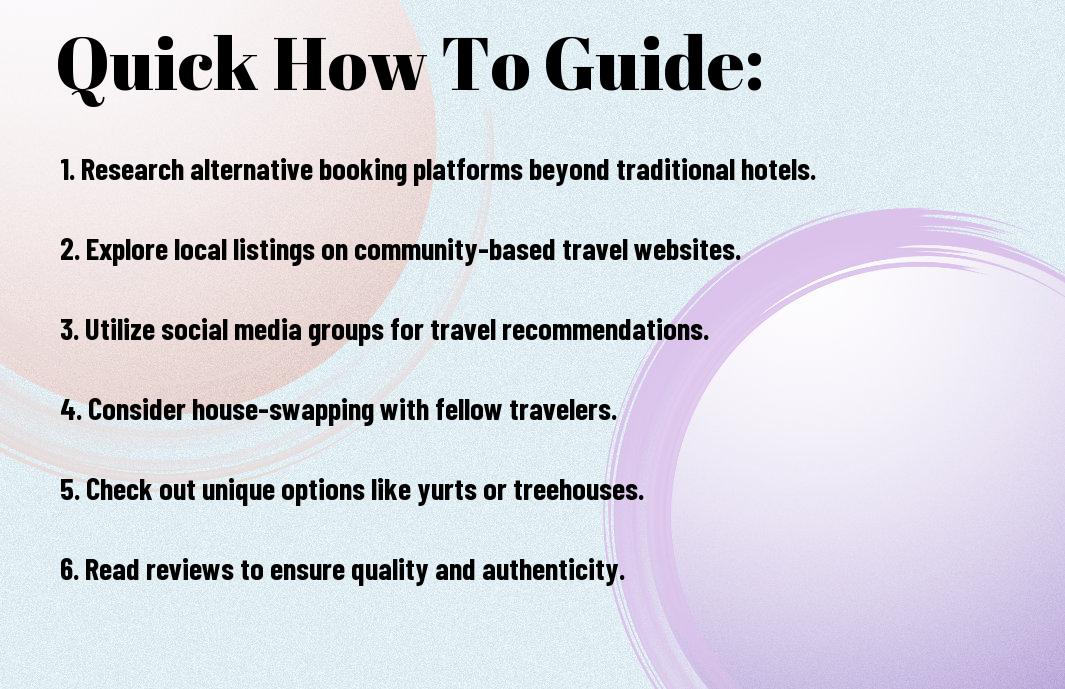
How to Find Unique Accommodation Options Abroad

Traveling opens up wonderful opportunities for discovery, and selecting unique accommodation can elevate your journey. You can escape the ordinary by choosing out-of-the-box lodging options that reflect local culture and charm. Whether you’re dreaming of a treehouse in the rainforest, a cozy yurt in the mountains, or a vintage caravan on the beach, this guide will help you navigate various resources and strategies to find that perfect place to stay while abroad. Let’s commence on this adventure and transform your travel experience through exceptional accommodation choices.

Key Takeaways:

  • Research local platforms: Explore regional websites and apps that specialize in unique stays, as they may offer options not found on mainstream sites.
  • Utilize social media: Follow travel influencers and local travel pages to discover hidden gems and unique accommodations.
  • Embrace alternative lodging: Consider options like treehouses, yurts, or houseboats for a unique travel experience.
  • Connect with locals: Engaging with local residents can lead to recommendations for distinctive places to stay that may not be advertised online.
  • Check reviews carefully: Look for authentic reviews focusing on unique experiences to gauge the suitability of unconventional accommodations.

How to Identify Unique Accommodation Options

Before initiateing on your travel adventure, it’s crucial to think outside the traditional hotel experience. Seek unique accommodations that offer an authentic stay, whether it’s a bohemian-style cottage, a luxury treehouse, or a charming local homestay. Use your creativity and research skills to identify diverse lodging options that can enhance your overall travel experience.

Research Platforms for Unique Stays

Now that you’re inspired to find unique accommodation options, start by exploring specific platforms dedicated to extraordinary stays. Websites like Airbnb, Vrbo, and Hipcamp cater to those looking for distinctive properties, while niche platforms like Glamping Hub and The Plum Guide offer specialized options that promise unforgettable experiences.

Utilize Local Resources and Recommendations

Even if you rely on popular booking platforms, don’t overlook the power of local resources. Engage with local tourism boards, travel blogs, and even social media communities to uncover hidden gems that you might not find elsewhere. Local recommendations can lead you to unique stays that reflect the culture and charm of the destination, adding richness to your journey.

To tap into local insights effectively, consider asking friends or acquaintances who have traveled to your intended destination for their personal recommendations. Additionally, social media platforms like Instagram and travel-oriented forums on sites like Reddit can provide real-time suggestions and reviews from travelers who share their unique accommodation experiences. Embracing these local resources can lead you to one-of-a-kind places that perfectly align with your travel style and preferences.

Tips for Budget-Friendly Unique Stays

Some of the best unique accommodations can be found without breaking the bank if you know where to look. Consider these budget-friendly tips:

  • Book during off-peak seasons for lower rates.
  • Use price comparison websites to track deals.
  • Join loyalty programs for discounts.
  • Look for last-minute deals on apps.
  • Consider house exchanges or home sharing platforms.

Knowing these strategies can lead you to discover amazing places that suit your budget.

Timing Your Travel for Better Deals

Timing your trips can play a significant role in finding budget-friendly unique stays. Traveling during the shoulder seasons—just before or after peak tourist periods—often results in lower accommodation prices while still enjoying good weather. Additionally, booking your stay on weekdays, rather than weekends, can lead to significant savings as many places lower their rates to attract guests. Flexibility with your travel dates allows you to capitalize on the best deals available.

Exploring Alternative Locations

Exploring less mainstream destinations can uncover unique accommodations at a fraction of the cost. Many tourists flock to popular cities, but by venturing just outside those areas, you can find hidden gems in charming neighborhoods or rural areas. Not only can this approach save money, but it also provides you with a more authentic travel experience. Some incredible sites are often overshadowed by famous landmarks, and this new perspective could enhance your journey.

The search for unique stays away from typical tourist areas can reveal fascinating opportunities. Think about small towns, historic villages, or emerging urban neighborhoods where accommodations may be more affordable and innovative. Staying in these alternative locations allows you to immerse yourself in local culture and provides a tranquil respite from overcrowded attractions. By choosing destinations off the beaten path, you not only stretch your budget but also create unforgettable memories in lesser-known locales.

Key Factors to Consider When Choosing Unique Accommodation

For a successful stay in unique accommodation, consider several key factors that might impact your experience:

  • Budget and pricing
  • Location and accessibility
  • Amenities and comfort
  • Unique features and experiences
  • Safety and security

Recognizing these elements can ensure you select a memorable and enjoyable place to stay.

Location and Accessibility

Any trip begins with a great location, so ensure your accommodation is conveniently situated near attractions, restaurants, and public transport. You’ll want to avoid long commutes, especially if you’re in a busy city or unfamiliar area. Check how easy it is to reach your accommodation from the airport or train station, and consider accessibility options if you have mobility concerns.

Amenities and Comfort

Clearly, the amenities offered by your unique accommodation can greatly enhance your overall experience. You should assess what is necessary for you during your stay, from basic needs to more luxurious touches.

For instance, a cozy bed and clean bathroom are necessary, but additional amenities like a kitchenette, Wi-Fi, or even a pool can significantly improve your comfort. Certain unique accommodations may offer personalized services, such as home-cooked meals or guided tours that can contribute to an unforgettable experience. Be sure to align these offerings with your preferences to make the most of your trip.

How to Book Unique Accommodation Safely

Your safety and peace of mind are paramount when booking unique accommodation abroad. To ensure a secure experience, utilize reputable platforms, read reviews from previous guests, and communicate directly with your host. Always be cautious of deals that seem too good to be true and avoid sharing sensitive information unless absolutely necessary. By taking these steps, you can enhance your overall travel experience while safeguarding against potential pitfalls.

Verifying Host Credibility

Now that you’re ready to book, it’s important to verify the credibility of your host. Look for profiles that have a history of successful transactions and feedback from past guests. Trustworthy hosts usually provide detailed descriptions, accurate photos, and are accessible for communication. If the host seems evasive or their profile lacks details, consider exploring other options to ensure a positive and secure stay.

Understanding Cancellation Policies

Little do many travelers know, understanding cancellation policies can save both time and money. Before booking, take the time to read and comprehend the cancellation terms associated with your accommodation. This will help you avoid unexpected charges and ensure you’re aware of the deadlines for refunds or changes to your reservation.

A clear understanding of cancellation policies is vital for smooth scheduling during your travels. Policies can greatly vary, from flexible options that allow full refunds up to a day before your booking to strict policies with minimal refund potential. Being informed about these conditions will let you plan your itinerary with confidence, knowing what risks you may face if plans change unexpectedly.

Enhancing Your Unique Accommodation Experience

Once again, immersing yourself in the essence of your unique accommodation can elevate your travel experience. Embrace the individuality of your lodging by exploring all its features and amenities. Whether you’re in a treehouse or a historic castle, you can make the most of your stay by interacting with the environment and the narratives it offers. This creates memorable connections to the destination, ensuring your journey is one for the books.

Engaging with Local Culture

There’s no better way to enhance your stay than by engaging directly with the local culture. Seek out experiences that showcase traditions, customs, and local festivities. Enjoying local cuisines, participating in workshops, or exploring neighborhood markets allows you to connect deeply with your surroundings and enriches your travel narrative.

Personalizing Your Stay

Accommodation options open the door to personalized experiences that showcase your unique preferences. By customizing aspects of your stay, you can transform your lodging into a home away from home. Speak with your hosts about any specific requests or interests, whether it’s dietary needs, recommended day trips, or curated local experiences that align with your passions.

With personalized options, you can request amenities that cater to your comfort and style, ask for local insights that align with your interests, or even set up tailored experiences like private tours or cooking classes. This level of personalization enhances your connection to the destination and creates memories that reflect your individuality throughout your travels.

Common Mistakes to Avoid

Now, when searching for unique accommodation options abroad, be mindful of the common pitfalls that can make your experience less enjoyable. This might include neglecting to explore 14 unique accommodation stays around the world that could perfectly fit your travel style.

Overlooking Hidden Fees

Even the most appealing accommodation can come with unexpected costs. It’s important to read the fine print and inquire about additional charges such as resort fees, cleaning fees, or service charges, which could inflate your budget significantly.

Ignoring Reviews and Feedback

Even when a property looks great online, actual guest reviews are invaluable. They provide insight into the true nature of the accommodation, including cleanliness standards, host responsiveness, and the accuracy of listed amenities.

Understanding what past guests have experienced can help you make informed decisions. Take time to analyze both positive and negative reviews on platforms like TripAdvisor or Airbnb. Pay special attention to recurring themes, as they often highlight the most important aspects of the accommodation, allowing you to avoid potential disappointments during your stay.

Summing up

Hence, to find unique accommodation options abroad, explore local rental platforms, utilize social media for recommendations, and consider alternative lodging like house swaps or boutique hostels. Embrace the cultural experience by opting for homestays or unique properties on sites tailored for unique stays. Engaging with local communities online can also surface hidden gems not found in standard travel guides. By diversifying your search methods, you can discover distinctive places that enhance your travel experience and provide a deeper connection to your destination.

Q: What are the best platforms to discover unique accommodation options abroad?

A: There are several platforms that specialize in unique accommodation options, such as Airbnb, Vrbo, and Booking.com. Additionally, websites like Hipcamp offer unique stays in nature, while Glamping Hub focuses on luxury camping experiences. For more off-the-beaten-path options, platforms like Couchsurfing or local rental websites can provide unique stays in residential neighborhoods. Always explore user reviews and ratings to ensure a positive experience.

Q: How can I use social media to find unique places to stay while traveling?

A: Social media platforms such as Instagram and Pinterest are excellent tools for discovering unique accommodations. You can search for hashtags like #UniqueStays, #UncommonHotels, or location-specific hashtags to see shared experiences. Additionally, following travel influencers and destination-specific accounts can expose you to hidden gems and unique lodging options that may not be listed on traditional travel sites.

Q: What should I consider when booking unique accommodations to ensure a wonderful experience?

A: When booking unique accommodations, think about factors such as location, amenities, and accessibility. Ensure that the property aligns with your travel style, whether that’s a cozy cabin in the woods or a chic urban loft. Read reviews carefully to gauge the experience of previous guests. Also, consider cancellation policies and any additional fees that might apply. Communicating with the host can also provide clarity on what to expect during your stay.

Skip to content