Travel

How to Navigate International Airports Like a Pro

Traveling through international airports can be exhilarating yet overwhelming. Understanding the layout, security procedures, and amenities available can significantly enhance your experience. In this guide, you will learn necessary tips and strategies to streamline your journey, ensuring you navigate the airport with confidence. From check-in to boarding your flight, you’ll discover how to tackle each step like a seasoned traveler, making your next international trip smoother and more enjoyable.

Key Takeaways:

  • Plan Ahead: Familiarize yourself with the airport layout and facilities before your arrival to save time and reduce stress.
  • Check Security Procedures: Be aware of the specific security regulations for the country you’re visiting, including allowable items and screening processes.
  • Stay Informed: Keep an eye on flight updates and gate changes via airport monitors or airline apps to avoid any last-minute surprises.

Understanding Airport Layouts

To effectively navigate an international airport, it’s vital to grasp its layout. Airports typically consist of multiple terminals, each assigned to specific airlines or destinations, along with various services and facilities. Familiarizing yourself with both the terminal numbers and the general map of the airport will help you find your way efficiently, ensuring you arrive at your gate with peace of mind and ample time.

Terminal Structures

Terminal structures in airports usually encompass separate buildings or wings designated for different airlines. Knowing which terminal your airline operates from can save you significant time and help you avoid confusion. Terminals often include check-in counters, security areas, and boarding gates, all designed for streamlined passenger flow.

Signage and Navigation Tools

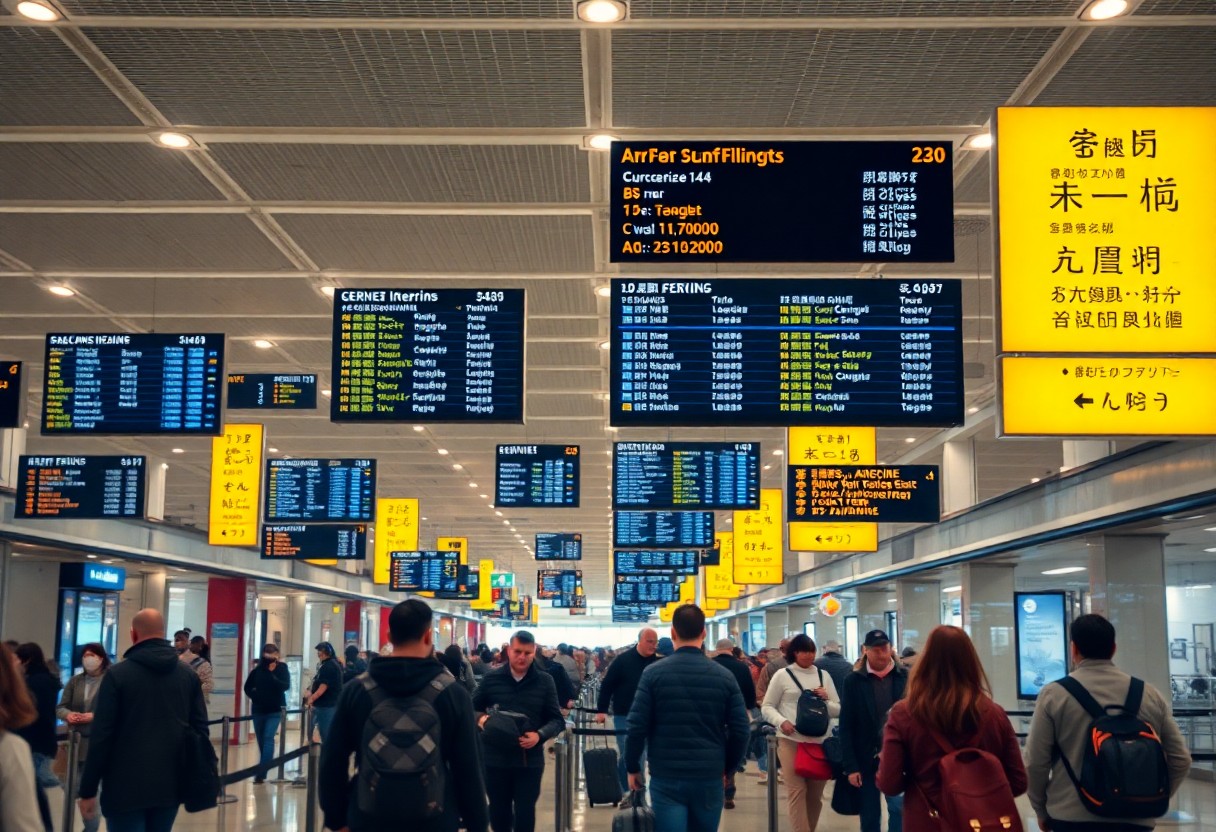
One of the best ways to stay oriented is to utilize the available signage and navigation tools throughout the airport. Clear, multilingual signs guide you to key areas, and interactive maps help you find your way.

Signage plays an integral role in your airport experience. Well-placed signs provide information on flight status, security checkpoints, and amenities, allowing you to stay informed and make quick decisions. Additionally, many airports offer mobile apps that include real-time updates and interactive maps, making it easier for you to navigate even the largest terminals. Taking advantage of these resources ensures that you maintain control of your journey and minimize any potential stress.

Pre-Flight Preparation

Assuming you take the time to prepare adequately before your flight, you can reduce stress and enhance your airport experience. Check your flight status and allow ample time to arrive at the airport, considering possible delays due to traffic or security. Gathering important information such as boarding times and gate numbers will ease your mind and help you focus on enjoying your journey.

Travel Documents Checklist

About your travel documents, it’s crucial to have everything organized before launching on your trip. Create a checklist that includes your passport, visa (if necessary), boarding passes, and any additional identification required. Keeping these documents in a designated pouch will streamline your process at check-in and security.

Packing Smart for Security

Smart packing can significantly enhance your airport experience by expediting your passage through security checks. Place crucial items in easily accessible compartments to avoid fumbling during the screening process.

Packing your carry-on strategically is vital for a smooth airport experience. Organize liquids in a sealable plastic bag and ensure they comply with regulations to avoid delays. Additionally, remove your electronics and large jackets beforehand, making it easier for security staff to inspect your belongings. Keeping everything organized will allow you to move through security efficiently, minimizing wait times and making for a less stressful start to your journey.

Security Procedures

For a seamless travel experience, understanding airport security procedures is crucial. Navigating through security checkpoints swiftly can save you time and reduce stress, allowing you to focus on your journey ahead. Being prepared and knowing what to expect will make the process more manageable.

What to Expect at Security Checkpoints

The security checkpoint is where you will go through a routine screening process. You will need to present your boarding pass and identification, followed by placing your carry-on items, including electronics and liquids, in bins for X-ray scanning while you walk through a metal detector or opt for a body scanner.

Tips for a Smooth Screening Process

Any preparation can significantly ease your approach to security. To ensure a hassle-free experience, consider the following tips:

  • Wear shoes that are easy to remove.
  • Keep your liquids and electronics accessible.
  • Decide in advance if you’ll opt for a body scan.

Any attention to these details will help you glide through the checkpoint efficiently.

Consequently, being well-informed will help you breeze through security without a hitch. Take the time to organize your bags and plan your outfit before arriving at the airport. Helpful tips include:

  • Pack light to avoid extra screening.
  • Use TSA-approved containers for liquids.
  • Be aware of your airport’s specific rules and regulations.

Any knowledge of these guidelines will lead to a smoother experience at the airport.
Immigration and Customs

Despite the complexities often associated with international travel, mastering the immigration and customs process can make your journey significantly smoother. Understanding the requirements and procedures can help you navigate these critical checkpoints efficiently, ensuring that you stay stress-free and ready for your adventure ahead.

Navigating Immigration Lines

Before arriving at the immigration checkpoint, familiarize yourself with the various types of entry requirements for your destination. Have your passport and necessary documents ready, and keep an eye on the signage indicating the different lines. If you are eligible for e-gates or expedited processing, utilize these options to speed up your passage through immigration.

Customs Declarations Made Easy

Immigration laws may vary by country, but understanding customs requirements can save you from potential fines or delays. Prepare yourself by knowing what items you must declare and how much duty-free allowance you are entitled to, making your customs experience seamless and efficient.

Even if you’ve traveled internationally before, customs declarations can still be a source of confusion. Typically, you will be required to fill out a customs declaration form upon arrival. Take note of prohibited items and ensure you accurately report goods exceeding your duty-free allowance. Having this information ready helps you avoid unwanted surprises and speeds up your processing time at customs.

Transportation Options

All international airports offer a variety of transportation options to ensure you can easily reach your destination. Familiarize yourself with the services available upon arrival, from shuttles to taxis, and consider how each option fits into your travel schedule and budget. Knowing your choices can streamline your journey and enhance your travel experience.

On-Site Airport Transportation

Between terminals, airports often provide free shuttle services, allowing you to navigate the airport efficiently. Additionally, many airports have ride-sharing services and taxi stands directly available upon your arrival. Be sure to look for signs or maps that guide you to the right transportation options.

Local Transport Connections

Below the airport, you will typically find local transport connections such as buses and trains that serve the surrounding areas. These options can be more economical and provide an authentic glimpse into the local culture as you travel to your next destination.

Connections to local transport are key for accessing nearby cities or attractions without the hefty costs of airport parking or ridesharing services. Many international airports have dedicated transit stations that seamlessly integrate buses, trains, and even subways, making it simple for you to hop on the right line quickly. Check ahead for schedules, routes, and fares to ensure a smooth transition from the airport to your final destination.

Baggage Handling

Many travelers dread the baggage handling process, but it doesn’t have to be an ordeal. Familiarize yourself with the airport’s layout and procedures to keep your mind at ease. You can find helpful Tips & Tricks For Navigating an Airport Like a Pro that will enhance your experience and ensure smooth travels.

Checking Baggage vs. Carry-On

Besides considering the convenience of carry-on luggage, weigh the benefits of checking your bags for longer trips. Evaluate the duration of your stay and whether you can efficiently manage your belongings without the hassle of handling larger luggage during layovers.

Dealing with Lost or Delayed Luggage

Any traveler knows the anxiety that comes with lost or delayed luggage. The first step in addressing this issue is to immediately file a report with your airline’s baggage service counter, providing them with your baggage claim ticket and a description of your luggage.

With efficient communication, you can track your bag’s status and get updates directly from the airline. Make sure to keep important items, such as medications and valuables, in your carry-on to lighten the blow if your luggage doesn’t arrive. Stay persistent and enjoy your trip despite any hiccups in the baggage handling process.

Final Words

As a reminder, navigating international airports can be a seamless experience when you plan ahead and stay informed. Familiarize yourself with the layout of your specific airport, keep important documents ready, and arrive early to allow plenty of time for check-in and security checks. Utilize airport resources, such as information booths and signage, to assist you along the way. By following these tips, you can reduce stress and enhance your travel experience, ensuring you get to your destination efficiently and confidently.

Q: What are the first steps to take when arriving at an international airport?

A: When you arrive at an international airport, the first steps include checking your flight information on the airport’s display screens to confirm your terminal and gate. Next, locate signs that direct you towards immigration and customs. Ensure you have all necessary travel documents readily accessible, such as your passport and boarding pass. It’s also a good idea to familiarize yourself with the layout of the airport, which is often available on maps near entrances or digitally via the airport’s mobile app.

Q: How can I effectively manage layovers at international airports?

A: To manage layovers effectively at international airports, start by checking the duration of your layover and the terminal you’ll be in. If you have a lengthy layover, consider exploring the airport amenities, such as lounges, shops, or restaurants. It’s important to keep an eye on the time to ensure you return to your designated gate well before boarding begins. Also, familiarize yourself with the airport’s transport options if you wish to leave the airport temporarily; just be mindful of re-entry requirements and security checks.

Q: What tips can help me navigate security checks smoothly at international airports?

A: To navigate security checks smoothly, arrive at the airport with ample time before your flight. When approaching the security line, have your boarding pass and ID ready to present. Pack your carry-on items thoughtfully by placing electronics and liquids in easily accessible areas, as they will need to be screened separately. Wearing easily removable shoes and limiting accessories can also expedite your passage through security. Lastly, stay alert to instructions given by security personnel to streamline the process.

How to Handle Language Barriers When Traveling Solo

Many solo travelers face the challenge of language barriers, which can make navigating new destinations feel overwhelming. However, with the right strategies, you can enhance your travel experience and connect more effectively with locals. This guide will provide you with practical tips and tools to break down communication walls, ensuring you feel confident and empowered during your adventures abroad. From utilizing technology to learning basic phrases, you’ll discover how to make the most of your travels despite any language differences you encounter.

Key Takeaways:

  • Learn Basic Phrases: Familiarize yourself with important phrases in the local language, such as greetings and common questions, to enhance communication.
  • Utilize Translation Apps: Download reliable translation apps to assist with real-time translations and overcome vocabulary gaps when needed.
  • Use Non-Verbal Communication: Rely on gestures, body language, and visual aids to convey your message when language fails.

Understanding Language Barriers

A language barrier can significantly impact your travel experience, especially when you’re exploring new places solo. It encompasses various challenges that arise when people do not share a common language, leading to misunderstandings and frustration. Understanding these barriers is imperative to ensuring smooth interactions and enriching your journey, enabling you to connect with locals and immerse yourself in different cultures.

Common Language Challenges

Between mispronunciations, idiomatic expressions, and vocabulary differences, language barriers can lead to confusion and unintended hilarity. Simple tasks like ordering food, asking for directions, or engaging in casual conversation may become daunting due to varying language skills. However, adapting to these challenges can be both rewarding and fun, adding an exciting dimension to your travels.

Importance of Communication

About 70% of communication is non-verbal, but language still plays a vital role in facilitating connections. Without effective communication, even the simplest interactions can become complicated, potentially leading to feelings of isolation. Thus, improving your ability to convey thoughts and feelings will enhance your overall travel experience by opening doors to meaningful relationships with diverse individuals along the way.

Language barriers might hinder direct communication, but you can still express yourself through gestures, facial expressions, and body language. Learning a few key phrases in the local language can show respect and willingness to engage, bridging gaps between you and the locals. Cultivating a positive attitude and being patient can help you navigate these barriers more confidently, making your solo travel adventures more enjoyable and rewarding.

Preparation Before You Travel

There’s no better time to prepare for language barriers than before your journey begins. Familiarizing yourself with the language of your destination helps you navigate interactions and enhances your travel experience. Invest time in researching local customs and any specific dialects or phrases that might be relevant. Being prepared means having the confidence to engage with locals, making your solo adventure even more enriching.

Learning Basic Phrases

For effective communication, start by learning a few crucial phrases in the local language. Master greetings, thank you, and key questions that address your basic needs. Even if your pronunciation isn’t perfect, locals often appreciate the effort and may be more inclined to assist you, creating more enjoyable exchanges during your travels.

Using Language Apps

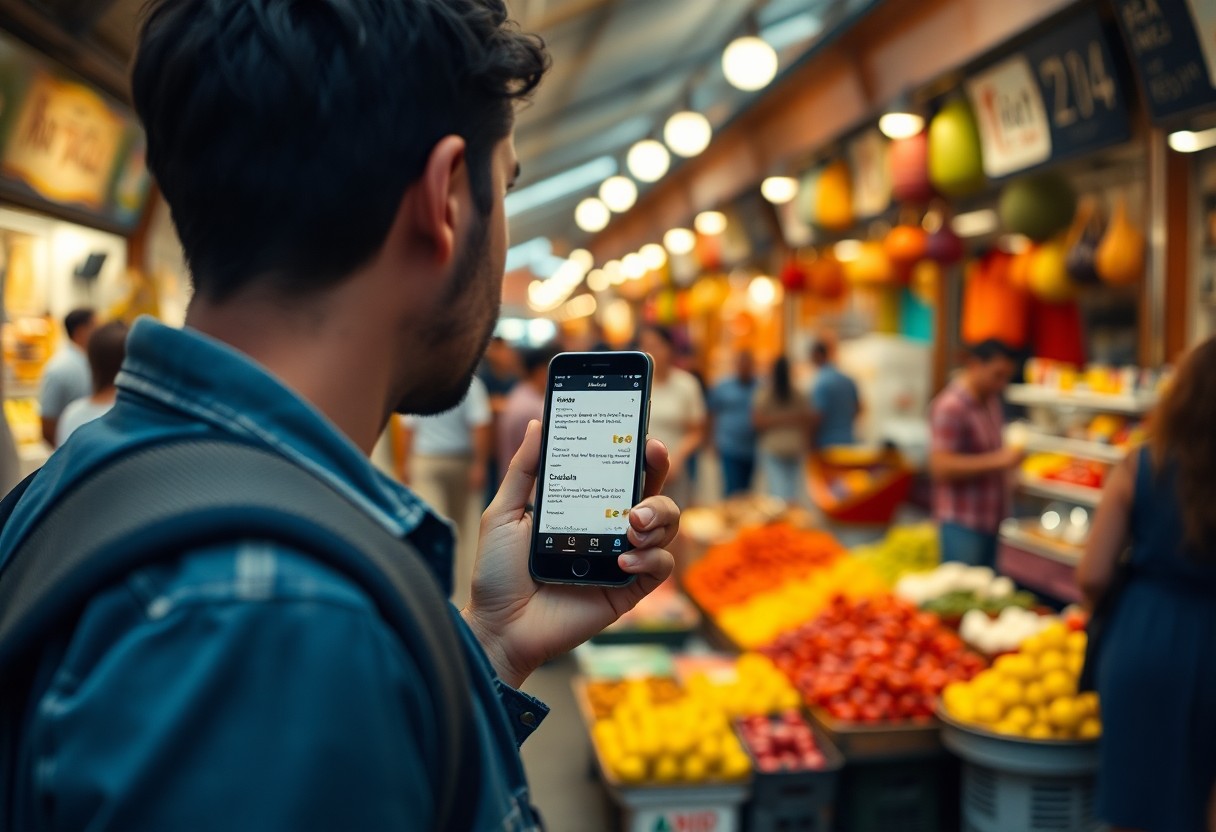
Using language translation apps can significantly enhance your travel experience by offering instant support at your fingertips. These tools not only translate words and phrases but often include pronunciation guides and offline capabilities, ensuring you remain prepared even without Wi-Fi access.

Another benefit of using language apps is their ability to facilitate real-time conversations. Many apps have features that allow you to speak into your device and instantly get translations, enabling smoother interactions. Some even have community support, letting you seek help from native speakers. These advancements make it easier than ever for you to overcome language barriers and fully engage with the culture around you.

Effective Communication Strategies

Now that you’re aware of the potential challenges posed by language barriers, it’s vital to adopt effective communication strategies. Utilize a combination of verbal and non-verbal cues, and don’t hesitate to leverage technology. Apps that translate languages in real time can also be invaluable, allowing you to engage in conversations more smoothly. Equipping yourself with a few basic phrases in the local language can enhance your interactions, making your travel experience more enjoyable and fulfilling.

Non-verbal Communication

Among the various methods to bridge language gaps, non-verbal communication can be incredibly powerful. Facial expressions, gestures, and body language often convey emotions and intentions more clearly than words. By being expressive and using simple gestures, you can create a connection with others that transcends spoken language, enhancing your interactions when you can’t find the right words.

Engaging with Locals

Engaging with locals can significantly enrich your travel experience. You’ll gain insights into their culture and lifestyle while possibly making lifelong connections. Asking questions, complimenting food, or simply sharing a smile can break the ice and create a warm atmosphere, even if you have to rely on a translator app. Authentic interactions often lead to unforgettable memories.

But stepping out of your comfort zone when engaging with locals can be rewarding. Participate in community events, try local cafes, or join guided tours. People appreciate your effort to connect, and often, they’ll reciprocate with gestures of kindness, which can turn a language barrier into a gateway for meaningful dialogue. The more you interact, the more you’ll learn about their world, and the richer your travel experience will become.

Utilizing Technology to Overcome Barriers

All traveling solo can present challenges, especially when it comes to communication. However, with the right technology at your fingertips, you can effectively bridge the language gap and enhance your travel experience. Leveraging mobile apps and tools not only makes it easier to navigate foreign environments, but it can also help you connect with locals in a more meaningful way.

Translation Apps

Barriers that arise from language differences can be easily managed with translation apps available on your smartphone. Options like Google Translate or iTranslate allow you to translate text or speech in real-time, helping you understand everything from menus to directions. This convenience means you can confidently engage with locals, making your travel experience much more enjoyable.

Offline Resources

At times when you may not have reliable internet access, offline resources can be a lifesaver. Downloading language packs, phrasebooks, or even audio recordings beforehand ensures you’re never left stranded. These resources provide vital vocabulary and common phrases that can aid in communication, especially in areas where technology might not be as accessible.

Utilizing offline resources helps you maintain connectivity even in remote locations. By preparing a set of common phrases and vital vocabulary, you enhance your ability to navigate conversations with ease. Purchasing a trusted phrasebook or downloading an app’s offline language pack before your trip can be incredibly beneficial, allowing you to communicate effectively without relying solely on the internet. This way, you can confidently ask for directions, order food, or engage with locals—making your solo travel experience smoother and more enjoyable.

Resources for Assistance

Unlike a group trip where companions might bridge the communication gap, you can rely on various resources to help you navigate language barriers when traveling solo. From digital tools to human interactions, these resources can enhance your experience and ensure you connect with locals more effectively. Utilizing technology or seeking assistance from others can make your solo journey enjoyable and enriching.

Travel Guides and Phrasebooks

After packing your bags, consider investing in a reliable travel guide or phrasebook for your destination. These resources provide necessary phrases and cultural insights that can help you communicate and understand local customs. Carrying a compact phrasebook can also serve as a handy reference when you encounter unfamiliar vocabulary or situations.

Language Exchange Platforms

Travel apps and websites dedicated to language exchange can help you connect with locals willing to practice English or your native language. Engaging with native speakers not only enhances your language skills but also cultivates friendships that enrich your travel experience.

Even beyond simple communication, language exchange platforms offer immersive cultural exchanges that bring your travel experience to life. By connecting with locals, you can learn valuable insights about their culture and gain insider tips on hidden gems in the area. Many platforms provide opportunities for both virtual conversations and in-person meetups, making it easy for you to navigate any language barrier while making meaningful connections.

Building Confidence Through Experience

Keep practicing your language skills and immersing yourself in new cultures. The more you navigate language barriers, the more confident you will become in your abilities to communicate. Each interaction is a step towards overcoming your fears and embracing the unique experiences that solo travel offers. Celebrate your progress, no matter how small, as these moments will empower you to approach future conversations with increased self-assurance.

Embracing Mistakes

Along your journey, you may make mistakes while attempting to speak the local language. Instead of feeling embarrassed, view these slip-ups as valuable lessons. Each error is an opportunity for growth and helps you refine your language skills. Locals often appreciate your efforts, and by laughing off your mistakes, you’ll foster genuine connections while making your travel experience even more memorable.

Enhancing Cultural Understanding

The act of learning a new language goes beyond vocabulary; it deepens your cultural insight. Engaging with locals in their language allows you to better appreciate their traditions, customs, and perspectives. You’ll find that understanding cultural nuances enriches your travel experience, transforming interactions into meaningful exchanges. This deeper connection fosters empathy and appreciation, ultimately leading to a more fulfilling solo adventure.

At the same time, as you enhance your linguistic skills, you’ll also discover the unique ways culture influences language. You will learn about idioms, phrases, and expressions that reveal the values and beliefs held by the community. This knowledge not only enriches your travel experience but also broadens your worldview, allowing you to approach future encounters with greater respect and curiosity. As you empower yourself through language, you’ll find new doors opening, leading to unforgettable connections around the globe.

Final Words

With these considerations in mind, you can confidently navigate language barriers while traveling solo. Embrace technology by utilizing translation apps, and enhance your communication skills through learning imperative phrases in the local language. Additionally, be patient and open to non-verbal cues, as they are invaluable tools for connecting with others. Engaging with locals can enrich your travel experience, so don’t hesitate to build relationships and share moments despite the language differences. By preparing effectively, you’ll find that language barriers can be overcome, leaving you with unforgettable memories and enriching cultural interactions.

Q: What are some effective ways to communicate when there is a language barrier?

A: When facing a language barrier while traveling solo, utilizing visual aids can be beneficial. Carry a translation app on your smartphone or use a pocket phrasebook to help with basic communication needs. Gestures and body language can also convey meaning; pointing to items or using facial expressions can bridge the gap. Learning a few important phrases in the local language, such as greetings or common questions, can enhance interactions and often showcases respect for the local culture.

Q: How can I prepare ahead of time to mitigate language barriers?

A: Prior to your trip, spend some time researching basic vocabulary in the local language of your destination. Focus on key phrases that will be helpful, like directions, food orders, and polite conversations. Familiarize yourself with common customs and etiquette, as understanding cultural context can make interactions smoother. Additionally, consider downloading translation apps that work offline, so you have access to help even in areas without Wi-Fi.

Q: What strategies can I use to find help or information when I don’t speak the language?

A: If you need assistance and there’s a language barrier, looking for multilingual signs can be helpful, especially in tourist areas. Engaging locals who may speak English or using translation services can also work in your favor. Hostels and hotels often have staff who understand different languages. Social media or travel forums can be another resource; travelers often share tips on communicating effectively in various destinations. If all else fails, using images or maps to illustrate what you need can be an effective alternative.

The Most Unique Hotels Around the World

Most travelers seek experiences that go beyond the ordinary, and the world is filled with hotels that offer just that. From underwater retreats to treehouse havens, these unique accommodations provide unforgettable settings for your adventures. In this blog post, you will discover some of the most remarkable hotels around the globe, each with its own distinct character and charm. Prepare to be inspired as you explore these enchanting destinations that will elevate your travel experience to new heights.

Key Takeaways:

  • Unconventional Architecture: Many unique hotels feature innovative designs that draw inspiration from their natural surroundings or cultural elements, offering guests an immersive experience.
  • Thematic Experiences: Some hotels provide themed accommodations that transport visitors into different worlds, enhancing their stay with creative decor and tailored activities.
  • Sustainable Practices: Several unique hotels prioritize eco-friendly initiatives, utilizing renewable resources and promoting conservation, making them appealing to environmentally conscious travelers.

Iconic Treehouse Hotels

As a nature lover, staying in a treehouse hotel offers a unique experience that immerses you in the beauty of the outdoors. Elevated high above the ground, these remarkable accommodations provide breathtaking views and a sense of adventure. You can reconnect with nature in a tranquil setting, all while enjoying the comforts of modern living, making them a fantastic choice for your next getaway.

Canopy Treehouses in Costa Rica

Iconic for their breathtaking locations, the canopy treehouses in Costa Rica allow you to sleep among the treetops. Surrounded by lush rainforests, you can experience the sounds of wildlife as you drift off to sleep. These elevated lodgings often feature striking views and eco-friendly designs, inviting you to immerse yourself in the beauty of this Central American paradise.

The Treehotel in Sweden

Around every corner of The Treehotel, you’ll find a different take on what it means to stay in a treehouse. This innovative hotel features a series of unique, architect-designed tree rooms that blend contemporary style with serene nature. Each room has its own distinctive theme, from a mirrored cube reflecting the surrounding forest to a bird’s nest offering cozy comfort. You are provided with an unforgettable experience that merges design and nature seamlessly.

Considering a stay at The Treehotel opens up a world of imaginative relaxation. You can choose from various themed rooms, each designed to provide a unique experience while ensuring your comfort. Located in the heart of Swedish Lapland, the hotel also allows easy access to outdoor activities year-round, from hiking in the summer to skiing in the winter. As night falls, enjoy the sensation of sleeping among the trees, with starry skies and the tranquility of the forest surrounding you.

Underwater Hotels

Now imagine sleeping beneath the waves, surrounded by marine life in a stunning underwater hotel. These unique accommodations allow you to experience the wonders of the ocean up close, often featuring panoramic views of aquatic creatures swimming just beyond your window. From luxurious suites to cozy retreats, underwater hotels offer an extraordinary experience that merges comfort with the beauty of the sea.

The Manta Resort in Tanzania

Underwater at The Manta Resort, you can unwind in a unique submerged room that offers 360-degree views of the vibrant marine ecosystem. This floating hotel situated off Pemba Island in Tanzania combines luxury and adventure, allowing you to drift off to sleep while watching colorful fish and sea turtles glide through the water.

Atlantis The Palm in Dubai

Against the backdrop of Dubai’s skyline, Atlantis The Palm features an awe-inspiring underwater suite that immerses you in an aquatic wonderland. This iconic resort is renowned for its luxurious amenities and captivating marine experiences.

Palm’s underwater suites at Atlantis The Palm seamlessly blend luxury with an extraordinary underwater experience. As you gaze through floor-to-ceiling windows, you’ll witness the vibrant marine life from the comfort of your lavish room. The resort is home to the massive Aquaventure Waterpark and The Lost Chambers Aquarium, making it an ideal destination for families and couples alike. Indulge in world-class dining and unwind in a stunning hotel that brings the wonders of the ocean to your doorstep.

Ice Hotels

Despite the chilly temperatures, ice hotels offer a truly unforgettable experience for those seeking something different. Constructed entirely from ice and snow, these remarkable accommodations showcase the artistry of ice sculptors and provide you with a unique ambiance unlike any other. From sleeping on ice beds adorned with fur blankets to sipping drinks from ice glasses at the bar, an icy retreat promises a memorable adventure that you won’t find in traditional hotels.

Icehotel in Sweden

The Icehotel in Sweden is the world’s first and most famous ice hotel, rebuilt each winter using natural ice from the nearby Torne River. Guests can enjoy intricately designed rooms and suites, all featuring stunning ice sculptures that serve as both art and décor. With activities like dog sledding and Northern Lights tours, this hotel is an ideal choice for those looking to immerse themselves in an enchanting winter wonderland.

Hotel de Glace in Canada

On the other side of the Atlantic, you can find the Hotel de Glace in Canada, a breathtaking creation made entirely of snow and ice. Every year, this hotel opens its doors with an entirely new design, showcasing the talents of skilled artisans. Offering a magical setting close to Quebec City, it’s perfect for thrill-seekers and romantics alike looking for a captivating getaway.

Indeed, the Hotel de Glace invites you to experience winter magic like never before, with its distinctive architecture and luxurious amenities. From ice sculptures that tell stories to themed rooms, each visit feels uniquely tailored. You can soak in the beauty of the icy decor while sipping hot chocolate in the ice bar or enjoying a soothing dip in the outdoor hot tubs. Whether you seek adventure or a romantic escape, the Hotel de Glace is a shimmering gem that leaves you with cherished memories.

Cave Hotels

Once again, you can experience the extraordinary with cave hotels, where nature meets luxury in a remarkable way. These unique accommodations provide an unforgettable stay, immersing you in the natural world while offering modern amenities. From ancient formations to luxurious suites, cave hotels offer a truly distinctive atmosphere that captivates the imagination and stirs the soul.

Cappadocia Cave Suites in Turkey

With its enchanting fairy chimneys and ancient rock formations, Cappadocia Cave Suites invites you to indulge in a one-of-a-kind stay. You will find beautifully designed rooms carved into the soft volcanic rock, blending traditional Turkish decor with contemporary comforts, creating a serene escape that is both historical and luxurious.

La Cueva in Puerto Rico

About a mile from the beach, La Cueva offers you a unique lodging experience inside a beautifully restored cave. Surrounded by lush tropical landscapes and crystal-clear springs, this hotel provides rustic charm combined with modern conveniences, making it an enchanting spot for nature lovers and adventurers alike.

In addition to its stunning setting, La Cueva features individually designed rooms with artistic touches that reflect the captivating cave environment. With amenities like a swimming pool, communal outdoor spaces, and a laid-back vibe, you’ll feel fully immersed in the natural beauty of Puerto Rico. This hidden gem is perfect for creating unforgettable memories while connecting with nature.

Floating Hotels

Not just your average accommodations, floating hotels offer a serene escape on tranquil waters, combining luxury with a unique experience. These innovative lodging options provide sweeping views, direct water access, and a sense of adventure that traditional hotels simply can’t match. Whether you are seeking a peaceful retreat or an adventurous getaway, floating hotels are sure to elevate your travel experience.

Floating Hotel in Sweden

To experience the Nordic charm, the Floating Hotel in Sweden immerses you in the breathtaking archipelago. Each room features panoramic views of the surrounding waters, allowing you to connect with nature in a unique setting. With eco-friendly designs and a focus on sustainability, this hotel combines comfort with an appreciation for the environment, ensuring you have a memorable stay.

The Floating Seahorse in Dubai

Floating above the waves, The Floating Seahorse in Dubai takes luxury to another level, showcasing underwater views that redefine your hotel experience. Each villa is designed with both aesthetic pleasure and your indulgence in mind, featuring exquisite interiors and access to breathtaking marine life right from your window.

Further enhancing your stay at The Floating Seahorse is the option for underwater living, where you can retreat to your lavish underwater bedroom, surrounded by colorful coral reefs and vibrant sea life. This unique design lets you immerse yourself in the aquatic environment, ensuring an unforgettable experience filled with luxury and serenity. With private pools, spacious sun decks, and personalized services, your stay here will be nothing short of extraordinary.

Unique Boutique Hotels

To experience a personalized and intimate stay, unique boutique hotels deliver charm and character that larger chains simply can’t match. These hotels often reflect the local culture, offering you a genuinely immersive experience. From quirky décor to bespoke services, they provide an ideal base for your adventures while ensuring you feel right at home.

21c Museum Hotel in the USA

Any art enthusiast will appreciate the 21c Museum Hotel, where contemporary art and hospitality intertwine. This innovative hotel features rotating art installations, making your stay a unique experience every time you visit. The curated collection enhances your stay, with each nook and cranny filled with creativity that sparks conversation and imagination.

The Harington’s Hotel in Edinburgh

Hotels can often feel impersonal, but The Harington’s Hotel in Edinburgh invites you into a cozy, intimate setting. Nestled in a historic area, the hotel combines traditional charm with modern comfort, providing an ideal atmosphere for your stay. The inviting rooms and warm hospitality make it an excellent choice for travelers seeking a unique and memorable experience in the heart of the city.

At The Harington’s Hotel, you’ll find individually styled rooms that reflect the rich history of Edinburgh while offering modern amenities. The hotel’s prime location allows you to explore the iconic sites of the city, ensuring that you can easily weave in and out of attractions such as the Edinburgh Castle and the Royal Mile. With friendly staff ready to assist, your experience at The Harington’s Hotel is designed to be as relaxing and enjoyable as possible, making it a hidden gem for those looking for something special during their travels.

Summing up

As a reminder, exploring the most unique hotels around the world offers you an unparalleled opportunity to experience travel in innovative and diverse settings. From underwater accommodations to treehouses and converted historical landmarks, these properties provide not just a place to stay, but a memorable adventure that enhances your journey. Embrace the chance to indulge in extraordinary styles and cultures, making your trips even more unforgettable by choosing unique hotels that reflect your taste and curiosity.

Q: What are some characteristics that make a hotel unique?

A: Unique hotels often offer distinctive architectural designs, unusual locations, or themed accommodations. For example, some hotels might be situated in historic buildings, like converted castles or lighthouses. Others might feature extraordinary amenities, such as underwater rooms or treehouses in the forest. Additionally, unique hotels may provide immersive local experiences, including local cuisine, culture, and personalized services that reflect their surroundings.

Q: How can I find unique hotels for my travels?

A: One way to discover unique hotels is by searching specialized travel websites or using travel apps that focus on boutique and alternative accommodations. Social media platforms like Instagram can also be a great source of inspiration, as many users share their experiences staying in remarkable hotels. Furthermore, travel blogs and forums often highlight lesser-known gems that provide authentic experiences, offering a deeper insight into local culture compared to standard hotel chains.

Q: What is the benefit of staying in unique hotels instead of standard chain hotels?

A: Staying in unique hotels can enhance your travel experience by providing a sense of adventure and novelty. These accommodations often reflect the character of their destination, allowing guests to engage more deeply with the culture and history of the area. Moreover, unique hotels frequently offer personalized service and bespoke experiences that standard chain hotels may not provide. This can lead to more memorable stays and opportunities to connect with the local community.

How to Experience Local Markets and Street Vendors Abroad

Just venturing into local markets and sampling street food can elevate your travel experience to new heights. These vibrant hubs provide a genuine taste of a culture, allowing you to connect with the locals and explore unique flavors that you won’t find in typical tourist spots. In this post, you will discover tips on how to navigate these bustling environments, engage with vendors, and make the most of your culinary adventures while abroad. Get ready to look into the lively atmosphere and enjoy the authentic tastes that await you!

Key Takeaways:

  • Research local customs and etiquette to enhance your experience and show respect to vendors.
  • Engage with sellers by asking questions about their products, which can lead to interesting conversations and insights.
  • Savor the local cuisine by trying street food, as it offers authentic flavors and a taste of the region’s culture.

Understanding Local Markets

A local market is more than just a place to shop – it’s an integral part of the culture. You’ll find vibrant colors, enticing aromas, and the sounds of lively bartering all telling their own unique story. Engaging with local markets allows you to connect with the community and gain insight into their everyday lives.

Types of Local Markets

By exploring various local markets, you can discover unique offerings and experiences. Here are some common types you might encounter:

Farmers’ Markets Fresh produce and artisanal goods.
Flea Markets Antiques, vintage clothing, and crafts.
Night Markets Street food and entertainment.
Handicraft Markets Locally made artisanal products.
Fish Markets Fresh seafood and local specialties.
  • Understand local customs.
  • Try street food unique to the region.
  • Interact with local artisans.
  • Discover bargaining techniques.
  • Immerse yourself in local culture.

Any visit to a local market can be an unforgettable experience.

Cultural Significance of Markets

For many communities, markets are the heart of social interactions, providing a sense of belonging. They foster connections among locals and visitors alike, allowing you to witness traditions and rituals firsthand.

Markets are vibrant ecosystems that reflect the values, histories, and identities of the people who inhabit them. They serve as gathering spaces where stories are exchanged, and community ties are strengthened. You’ll not only find diverse products but also experience the local culture, which contributes to a profound understanding of the place you are visiting. Building connections through conversations with vendors enhances the richness of your experience.

Finding Local Street Vendors

There’s a vibrant world waiting for you at local street vendors, often showcasing the most authentic regional flavors and artisan crafts. To fully immerse yourself in this experience, you should venture beyond the tourist hotspots and explore neighborhoods where locals gather. Street vendors are not just a food source; they offer a glimpse into the culture and daily life of the community.

Researching Locations

Street vendors can be found in various settings, so take the time to research popular local markets, festivals, or street fairs where vendors converge. Check online resources, travel blogs, or social media to uncover hidden gems and recommended locations. Aim for areas frequented by residents, as these spots often host the best local fare.

Engaging with Locals for Tips

Locals often provide invaluable insights into the best street vendors in the area. Take the opportunity to strike up conversations and ask for recommendations. This can lead you to lesser-known stalls that offer unique dishes or crafts. Consider these conversation starters when engaging with locals:

  • Ask about their favorite street food.
  • Inquire about any upcoming local events or festivals.
  • Seek recommendations for vendors that sell authentic regional specialties.

After gathering tips, you will enhance your experience by directly exploring the vendors that resonate most with your interests.

The exchanges with locals can deepen your understanding of the culture and traditions behind the food or crafts. They usually love sharing their knowledge, making your journey richer. To get the most out of your conversations, consider:

  • Complimenting their local knowledge or favorite dishes.
  • Asking for insights on the history of specific dishes.
  • Sharing your own experiences in their area.

After engaging in these discussions, you will likely find recommendations that lead you to unforgettable culinary and cultural experiences.

Best Practices for Exploring Markets

Unlike typical tourist experiences, exploring local markets and street vendors can provide an authentic glimpse into the culture and daily life of a destination. To make the most of your visit, engage with vendors, sample street food, and embrace the lively atmosphere. Be open to bargaining, but do so respectfully. Keep an eye on your belongings, and be mindful of your surroundings to fully enjoy the vibrant offerings that each market presents.

Safety Tips

About safety, it’s necessary to stay vigilant while you navigate bustling markets. Here are some important tips to keep in mind:

  • Keep your valuables close and secure.
  • Be cautious of pickpockets, especially in crowded areas.
  • Stick to well-lit and populated sections of the market.
  • Trust your instincts—if something feels off, leave the area.

After following these precautions, you can enjoy your market exploration with peace of mind.

Respecting Local Customs

Among the customs to respect while exploring markets is understanding local etiquette. Being aware of cultural norms and practices fosters better interactions with vendors and locals alike.

Another important aspect is to be sensitive to the local culture; this includes greetings, body language, and even how you shop. For instance, in some cultures, haggling is a cherished tradition, while in others, fixed prices are expected. Always ask for permission before taking photos of people or their stalls, and consider dressing modestly in more conservative regions to show respect. By immersing yourself mindfully in local customs, you’ll enrich your experience and build connections with the community.

Must-Try Local Foods

Many vibrant cultures around the world are best experienced through their delectable local dishes. Indulging in traditional foods presents an opportunity to savor authentic flavors that tell the story of a region’s heritage and customs. From artisanal cheeses in France to spicy street tacos in Mexico, each bite offers a unique taste of the locale. Don’t hesitate to ask local vendors for their specialties; these hidden gems often provide unforgettable culinary experiences that you won’t find in tourist restaurants.

Popular Street Foods Around the World

After exploring bustling markets, you’ll find that street food is a must-try for any traveler. Each country boasts its signature dishes, from savory satays in Indonesia to mouthwatering gelato in Italy. Sampling local street food not only pleases your palate but also immerses you in the vibrant culture of the area. Be adventurous and let your taste buds guide you through these culinary experiences.

How to Choose Safe Food Options

On your culinary journey, prioritize safety by choosing food that appears fresh and is cooked thoroughly. Pay attention to how busy the vendor is; typically, a long line indicates a popular spot with high turnover, suggesting fresher ingredients. Additionally, opt for food that is served hot, as this minimizes the risk of foodborne illness. Trust your instincts; if something looks sketchy, don’t hesitate to move on.

MustTry these tips to ensure you enjoy safe and delicious street food. Observe the cleanliness of the vendor’s stall and their food handling practices, as this can be telling about food safety. Always opt for dishes that are prepared in front of you, which not only guarantees freshness but also offers a dynamic dining experience. Lastly, consider sticking with well-known local favorites; they’re often tried-and-true dishes that locals love and frequent. Stay informed and enjoy every bite of your adventure!

Bargaining Techniques

Not all vendors expect you to pay the initial price they offer. Understanding the local culture will equip you with effective bargaining techniques, allowing you to negotiate confidently. Building rapport is key; greet the vendor with a smile and be polite, as this can lead to a more favorable price. Don’t hesitate to walk away if the price doesn’t meet your expectations; often, this will prompt them to offer a better deal.

Understanding Price Expectations

Between local customs and economic factors, price expectations can vary significantly. Take time to observe what others are paying for similar items and engage with locals to gain insights on fair prices. This background knowledge prepares you to negotiate intelligently and helps avoid overpaying.

Effective Negotiating Strategies

Beside being informed about local pricing norms, effective negotiating strategies are important. Approach the negotiation with a friendly attitude, and be willing to share your budget constraints. Offering to purchase multiple items can also enhance your bargaining power, encouraging the vendor to give you a better deal as you are likely to attract more sales. If you sense resistance, suggest a price you’re comfortable with and be patient as you negotiate back and forth.

Understanding the art of negotiation goes beyond just numbers; it’s about creating a connection. Establish a friendly dialogue with the vendor and listen actively to their responses. If possible, compliment their goods to create a positive atmosphere. Offer a specific price that feels fair to you, but be open to counteroffers. Using small talk or humor can also lighten the mood, making the process more enjoyable. Ultimately, your aim should be to leave with a smile, knowing both you and the vendor feel satisfied with the exchange.

Documenting Your Experience

After immersing yourself in the vibrant atmosphere of local markets and street vendors, take time to document your experience. Capturing these moments will not only enhance your memories but also serve as a valuable reference for future travels. Whether through photography, journaling, or social media, preserving your interactions can enrich your understanding of different cultures and culinary delights.

Photography Tips

On your journey, capturing stunning photographs can help you relive your experiences once you’re back home. Here are some tips to enhance your street photography:

  • Use natural lighting whenever possible for a more authentic feel.
  • Get close to your subjects to showcase details and emotions.
  • Be respectful and always ask for permission when taking close-up shots of vendors or customers.
  • Experiment with different angles and compositions to create dynamic images.

Any images that highlight the vibrancy and energy of local markets will surely evoke fond memories for years to come.

Keeping a Travel Journal

The practice of keeping a travel journal is an excellent way to document your experiences in local markets. Writing about your encounters not only allows you to reflect on what you saw, tasted, and felt, but it also helps solidify your memories of those unique moments.

Another benefit of maintaining a travel journal is that it prompts you to engage more deeply with your surroundings. You can jot down descriptions of flavors, the stories behind the vendors, and cultural nuances that you observe. This often leads to a more immersive experience, helping you connect with the places you visit on a personal level. Plus, your written accounts will become treasured mementos that you can revisit long after your journey ends.

Final Words

Conclusively, immersing yourself in local markets and street vendors abroad offers a vibrant cultural experience that enhances your travel. Engage with local sellers, sample authentic cuisine, and explore unique crafts to truly understand the area’s heritage. Navigate these markets with an open mind and a keen sense of curiosity, allowing you to connect on a personal level with the local community. By approaching each interaction with respect and enthusiasm, you can create lasting memories while supporting local economies and embracing the spirit of your destination.

FAQ

Q: What are some tips for finding local markets and street vendors when traveling abroad?

A: To discover local markets and street vendors, start by researching your destination online. Look for blogs, travel guides, or social media posts that highlight popular market areas. You can also ask locals for recommendations once you arrive. Another effective method is to explore neighborhoods away from tourist hotspots, as these areas often feature authentic markets. Taking a walking tour can also lead you to fascinating local spots that might not be listed in traditional travel resources.

Q: How can I ensure that the food from street vendors is safe to eat?

A: To gauge the safety of food from street vendors, observe the cleanliness of the stall and the vendor’s hygiene practices. Choose vendors who are busy, as high sales often indicate fresh and safe food. Pay attention to how the food is prepared and served; items that are cooked in front of you can be a safer choice compared to pre-prepared meals. Furthermore, if you’re sensitive to food safety, considering trying food that’s cooked thoroughly or served hot to minimize any risk.

Q: What cultural etiquette should I be aware of when visiting local markets and interacting with street vendors?

A: Each culture has its own customs, so it’s advisable to learn about the local etiquette before your visit. Generally, greeting the vendor with a polite hello or a smile is a good practice. In some cultures, haggling might be expected, while in others, prices are fixed. Be respectful and aware of gestures that could be considered rude. It’s also beneficial to ask questions about the products or food, which can lead to engaging conversations and a richer experience. Learning a few basic phrases in the local language can also enhance your interactions.

Top 5 Tips for Traveling Internationally with Dietary Restrictions

Most travelers encounter unexpected challenges when dining abroad, especially if you have dietary restrictions. Navigating unfamiliar cuisines and local ingredients can be daunting, but with the right preparation, you can enjoy your journey without compromising your health. This guide will provide you with five necessary tips to help you plan and dine safely while traveling internationally, ensuring that your culinary experience is as enriching as your adventure.

Key Takeaways:

  • Research local cuisine and dietary laws: Understanding the food culture and any regulations regarding your dietary restrictions can help you avoid potential issues while traveling.
  • Communicate your dietary needs: Creating a translation card or using a translation app can facilitate discussions with restaurant staff and help ensure your dietary restrictions are understood.
  • Pack snacks and importants: Bringing your own food can provide you with safe options during travel, ensuring you have something to eat in challenging situations.

Research Your Destination

While preparing for your trip, it’s vital to research your destination to better understand the local food culture and availability of dietary choices. This includes finding out the common dishes, local ingredients, and how your dietary restrictions can fit into the cuisine. Websites, blogs, and forums can provide invaluable insights from other travelers with similar dietary needs, helping you map out options before you arrive.

Understanding Local Cuisine

Around the world, every destination boasts its own culinary traditions, which can influence the food you encounter. Before your adventure, examine the dishes unique to the region and familiarize yourself with their ingredients. This preparation will give you a clearer idea of what to expect and how to navigate menus while adhering to your dietary requirements.

Identifying Safe Dining Options

Below the surface of each country’s food offerings, it is vital to identify restaurants that prioritize dietary accommodations. Research fully-vegan, gluten-free, or allergy-aware establishments online or through dining apps. Additionally, consider asking locals or searching for communities that share your dietary restrictions to find trustworthy recommendations.

To further ensure your safety while dining out, create a list of restaurants with verified options that align with your needs. Check reviews and social media for mentions of dietary accommodations, and don’t hesitate to reach out to the restaurants directly to inquire about their practices before your visit. This proactive approach will empower you to enjoy your culinary experiences without compromising your health or preferences.

Prepare Essential Documentation

You should gather all necessary documentation before your trip to ensure your dietary needs are met. This includes medical letters from your healthcare provider outlining your restrictions and any required medications. Having this documentation readily accessible will help ease potential complications, particularly at customs or when dining in unfamiliar places. It’s also wise to keep a digital copy in case the physical one is lost or damaged during your travels.

Medical Letters and Translations

Translations of your medical letters can be invaluable, especially in foreign countries where language barriers may pose challenges. Having your restrictions clearly documented in the local language can aid communication with healthcare professionals and restaurant staff. This step can help you avoid misunderstandings regarding your dietary needs, enabling you to enjoy your trip with confidence.

Food Allergy Cards

Among the most effective tools for communicating your dietary restrictions while traveling are food allergy cards. These cards list your allergens in the local language, making it easier for restaurant staff to understand your needs. By presenting these cards when ordering food, you can significantly reduce the risk of accidental exposure to allergens.

For instance, food allergy cards can show not only the names of your allergens but also detailed instructions about cross-contamination or specific cooking methods that may be necessary to ensure your safety. Many travelers benefit from carrying multiple cards for varying situations, such as dining in different regions or countries. Additionally, you can find templates online tailored to your specific needs, making it a simple yet effective way to advocate for your health while abroad.

Pack Smart

Not taking the time to pack smart can lead to unnecessary challenges while traveling. Begin by assembling a well-thought-out list of necessarys based on your dietary restrictions. Consider lightweight, non-perishable food items that fit within your dietary needs. Use containers designed to maximize space and prevent leaks, ensuring that your travel necessarys are well organized and easy to access. With efficient packing, you’ll have peace of mind knowing you’re prepared for any culinary situation abroad.

Carry-On Snacks

Along your journey, it’s wise to have carry-on snacks that comply with your dietary restrictions. Choose options that are nutritious and easy to pack, ensuring that you won’t go hungry during layovers or long flights. Granola bars, pre-packaged protein snacks, or dried fruit can help you stay fueled and satisfied, especially in places where meal options may not cater to your needs.

Travel Cooking Gear

Before you commence on your trip, think about the travel cooking gear you might need to prepare your own meals. Compact tools like portable cutlery, a multi-functional knife, and a travel-size food container can make a significant difference. Additionally, a small induction cooktop or a rice cooker can be valuable investments if your accommodation lacks cooking facilities.

A portable food processor or immersion blender can also come in handy for creating quick meals or smoothies that cater to your dietary preferences. Investing in a quality insulated bag can keep your ingredients fresh while navigating through airports or train stations. By equipping yourself with the right gear, you empower yourself to maintain your dietary lifestyle no matter where your travels take you.

Communicate Your Needs

Your ability to effectively communicate your dietary restrictions can significantly enhance your travel experience. Before your trip, gather key phrases in the local language or bring a printed card detailing your needs. Inform restaurant staff about your restrictions clearly, and don’t be afraid to ask questions about the ingredients in dishes. This proactive approach helps to ensure that your dietary requirements are understood and respected throughout your journey.

Language Considerations

Your language skills don’t need to be perfect, but knowing a few crucial phrases can be incredibly helpful. Focus on learning words related to your dietary restrictions, such as “allergy,” “vegan,” or “gluten-free.” You can also use translation apps to communicate effectively, or keep a translation card handy that outlines your needs. This preparation not only minimizes confusion but also shows respect for the local culture.

Restaurant Etiquette

To navigate dining out smoothly, understanding local restaurant customs is beneficial. Greet the staff warmly and patiently explain your dietary restrictions. Many countries have their own dining etiquette; some cultures appreciate when you familiarize yourself with their customs. This not only facilitates better communication but also helps build rapport with the culinary team.

Restaurant staff generally appreciate when you express your needs clearly and courteously. If you’re unsure what a menu item contains, don’t hesitate to ask for details about the ingredients. Be mindful of gestures and non-verbal communication to bridge any language gaps. Engaging with the staff in a friendly manner can also encourage them to make accommodations, and you may even discover local dishes that fit your dietary requirements.

Stay Informed and Flexible

Once again, staying informed about your dietary needs while traveling is vital. Researching local cuisines and ingredients can help you anticipate potential challenges. Engage with communities online, such as the thread titled Anyone here travel with severe food restrictions? : r/solotravel, where you can share experiences and get advice from fellow travelers who understand your journey.

Monitor Food Availability

Beside planning your meals, continuously monitor food availability in your destination. Local markets, grocery stores, and restaurants may not stock items that cater to your dietary restrictions. Knowing where you can find safe foods can help you avoid stressful situations during your trip.

Adapting to Situations

With flexibility in your approach, you can navigate unexpected challenges. Travel can be unpredictable, and specific foods may not always be available. Transitioning your diet slightly or being open to new ingredients can lead to delightful discoveries while still respecting your dietary needs.

Understanding that flexibility can be your ally is crucial. Instead of letting limitations frustrate you, seeing unforeseen circumstances as opportunities to explore new foods and dishes can enrich your travel experience. Engage with locals about what foods are available, and you may find hidden gems that accommodate your dietary restrictions, making your journey more enjoyable.

Final Words

Taking this into account, navigating international travel with dietary restrictions does not have to be overwhelming. By planning ahead, doing thorough research on local cuisines, communicating your needs clearly, finding suitable dining options, and staying flexible, you can enjoy a fulfilling travel experience without compromising your dietary preferences. Embrace the adventure, and with these tips, you’ll be well-equipped to savor your journey responsibly and deliciously.

FAQ

Q: What are some important steps to take when planning an international trip with dietary restrictions?

A: When planning your trip, start by researching the local cuisine of your destination to identify dishes that may be safe or potentially problematic for your diet. Connect with local restaurants or eateries that cater to dietary restrictions, and consider reaching out to expat groups or forums for recommendations. Additionally, stock up on safe snacks to have on hand during your travels and familiarize yourself with key phrases in the local language to communicate your dietary needs effectively.

Q: How can I communicate my dietary restrictions effectively while traveling abroad?

A: It is beneficial to have a translation card that clearly outlines your dietary needs in the local language. This card should specify what you can and cannot eat. Additionally, using mobile apps for translation can help you explain your restrictions more effectively in restaurants. Don’t hesitate to ask staff questions about ingredients and meal preparation methods, ensuring transparency about how your food is sourced and prepared. Engaging in polite conversation can also make them more willing to accommodate your needs.

Q: What to do if I face challenges finding suitable food options while traveling?

A: If you find it difficult to locate appropriate food options, consider visiting local grocery stores or markets to purchase items that fit your dietary needs. Exploring supermarkets can often reveal products that you might not find at restaurants. Additionally, utilizing apps that locate nearby restaurants with dietary options can be quite helpful. If you’re staying in accommodations with kitchen facilities, preparing some meals yourself can give you greater control over your food choices.

Skip to content