Travel

How to Travel Through Different Time Zones Without Jet Lag

It’s common to feel drained and disoriented after traveling across time zones, but you can take steps to minimize jet lag and arrive at your destination feeling refreshed. By adopting a few strategies before, during, and after your trip, you can reset your internal clock more effectively and enjoy your travels to the fullest. In this post, you will discover practical tips to help adjust your body’s rhythm, stay alert, and make your travel experience as smooth as possible, regardless of the distance you’re covering.

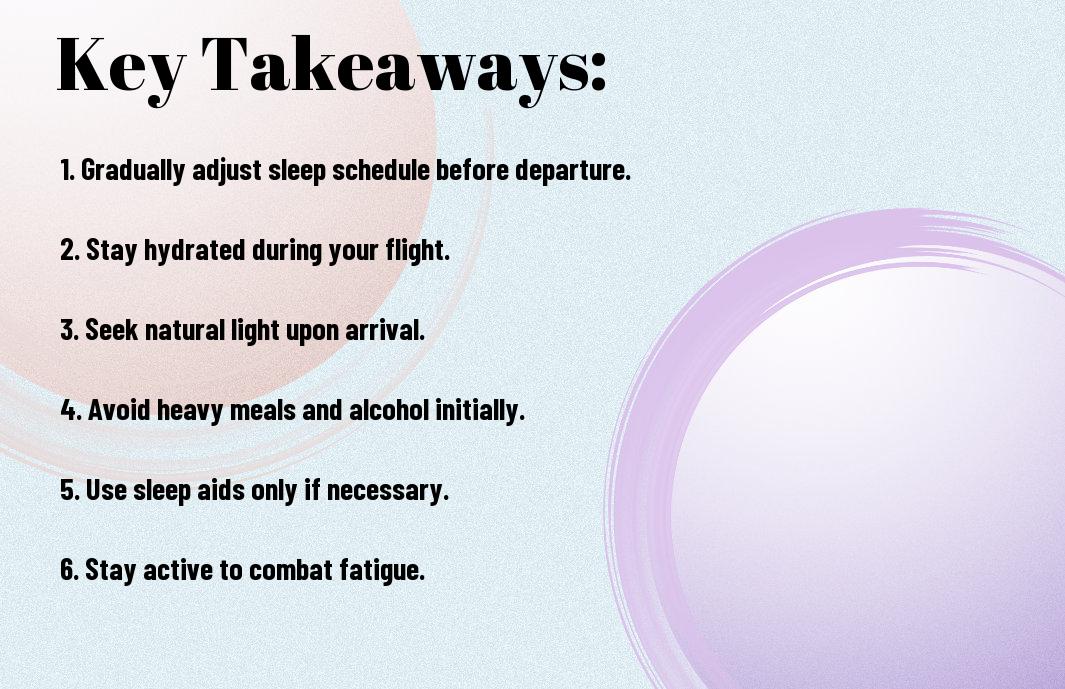
Key Takeaways:

  • Adjust sleep schedule: Gradually shift your bedtime and wake-up time a few days before your trip to match your destination’s time zone.
  • Stay hydrated: Drink plenty of water before, during, and after your flight to combat dehydration, which can worsen the effects of jet lag.
  • Seek natural light: Once you arrive, expose yourself to daylight, especially in the morning, to help your body adapt to the new time zone more quickly.
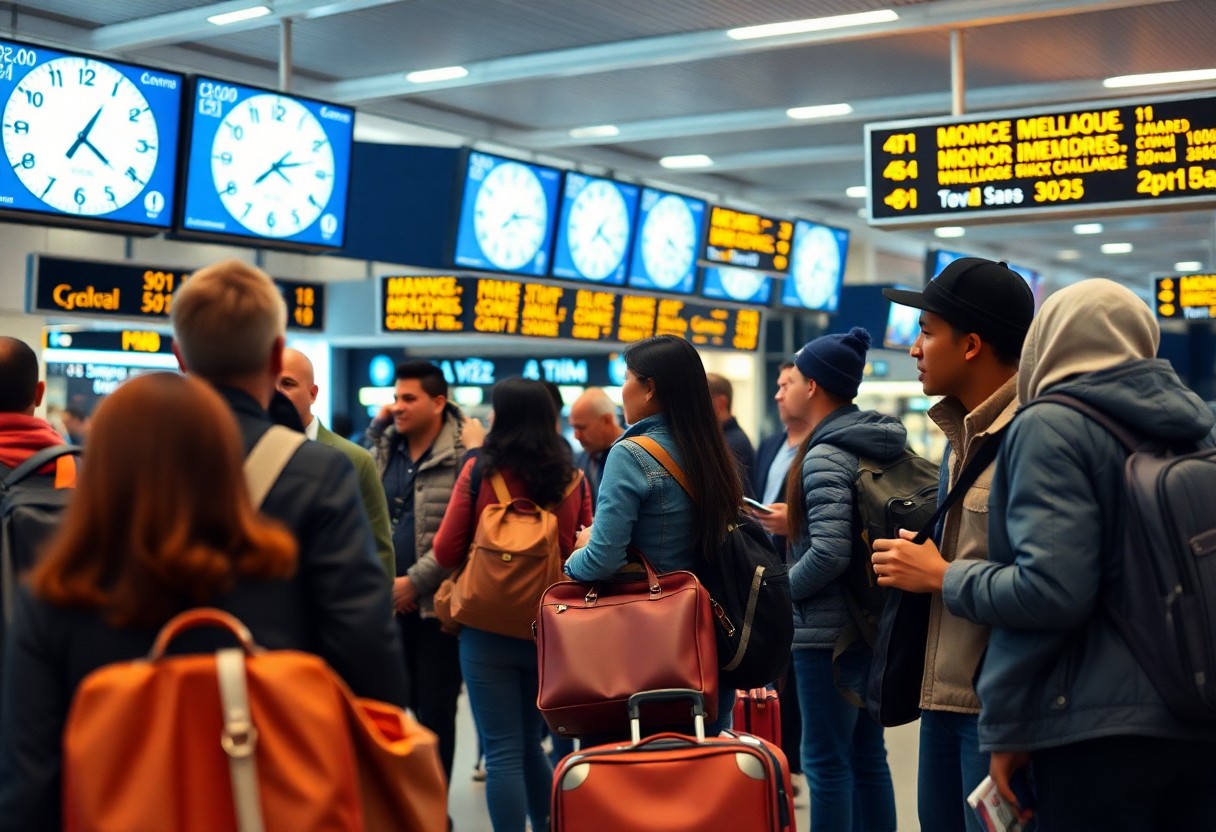
Understanding Jet Lag

Your body operates on a natural circadian rhythm, which regulates your sleep-wake cycle. When you travel across multiple time zones, this rhythm can become misaligned, resulting in jet lag. The disruption often leads to physical and mental discomfort as your body struggles to adapt to the new local time.

What Causes Jet Lag?

By crossing time zones, your internal clock is thrown off balance, causing difficulty in adjusting to the new day-night cycle. This misalignment is compounded by factors such as the duration of the flight, the number of time zones crossed, and your individual sleep patterns and habits.

Common Symptoms

By understanding common jet lag symptoms, you can better prepare for your travels. Typically, you may experience fatigue, difficulty concentrating, irritability, and disturbances in sleep patterns. As your body struggles to adjust, these symptoms can significantly impact your travel experience.

Further, the effects of jet lag can manifest differently for each individual. You might find yourself struggling with headaches, digestive issues, or a feeling of general malaise. The severity of your symptoms can depend on factors like your age, overall health, and how many time zones you’ve crossed. Being aware of these symptoms can help you take proactive steps to mitigate their impact on your journey.

Preparing for Your Trip

The key to avoiding jet lag begins long before you board your flight. Start by familiarizing yourself with your destination’s time zone and plan accordingly. Take note of your travel schedule, including departure and arrival times, allowing you to anticipate the adjustment needed for a smoother transition. Additionally, organizing your itinerary, packing importants, and ensuring you’re well-rested before travel can significantly impact your experience, enhancing your ability to adapt once you land.

Adjusting Your Sleep Schedule

Before heading off, gradually shift your sleep schedule to align with your destination’s time zone. If possible, adjust your bedtime and wake-up time by 15-30 minutes each day. This method eases the transition and helps your body clock gradually synchronize with the new environment, making it easier to acclimatize upon arrival.

Staying Hydrated

Your body needs ample hydration, especially during long flights. Staying hydrated helps maintain your energy levels and combat feelings of fatigue that often accompany travel. Drink water before, during, and after your trip to help mitigate the effects of altitude changes and dry cabin air.

This strategy not only supports your overall well-being but also aids in reducing the likelihood of headaches that can occur during long trips. Opt for water instead of alcohol and caffeine before and during your flight, as these can dehydrate your system. Keep a reusable water bottle handy to ensure you can drink plenty throughout your journey, helping you stay refreshed and alert as you adjust to your new surroundings.

During Your Flight

Unlike the stressful experience many people have while flying, you can take proactive steps to minimize jet lag. Preparing your body during the flight can significantly ease your transition into a new time zone. Consider maintaining a schedule that mimics the destination’s daylight hours, which will help your body adjust more effectively once you land.

Choosing the Right Flight Times

Any traveler knows that flight times can impact how you feel upon arrival. When booking your flight, aim for schedules that align with your destination’s time zone. For instance, overnight flights can help you arrive in the morning, allowing you to stay awake throughout the day.

In-Flight Tips for Comfort

One vital aspect of ensuring a comfortable flight experience is to prioritize your well-being. Utilize these tips to make your journey more pleasant:

  • Stay hydrated by drinking plenty of water.
  • Move around the cabin periodically to encourage circulation.
  • Wear comfortable clothes and shoes.
  • Consider an eye mask and earplugs to block out light and noise.

After implementing these strategies, you will find it easier to relax and rest during the flight.

Another way to enhance your in-flight comfort is by adjusting your environment. Tailor your space to suit your needs:

  • Adjust your seat recline for better posture.
  • Use a travel pillow for neck support.
  • Set your personal space with a blanket or shawl to feel cozy.

After you take the time to create a comfortable atmosphere, you can improve the chances of a restful flight.

Upon Arrival

Despite the fatigue you may feel upon arriving at your destination, it’s vital to implement strategies that help minimize the effects of jet lag. By actively engaging with your new environment and making conscious adjustments, you can accelerate your body’s adaptation to the local time zone. Refrain from taking long naps and instead, prioritize staying awake until a reasonable local bedtime. This simple practice can significantly enhance your overall travel experience.

Managing Your Sleep Environment

By creating a conducive sleep environment in your accommodation, you can improve your chances of a restful night. Ensure your room is dark, quiet, and cool, and consider using earplugs or a sleep mask if needed. Familiarize yourself with the bed’s comfort level and adjust accordingly, as a good night’s sleep will aid your body in adjusting to local time.

Gradual Adjustment to Local Time

To help your body acclimate, gradually adjust to the local time by shifting your daily routines before arriving at your destination. This includes meal times, sleep schedules, and activities. Small shifts can ease the transition and reduce feelings of disorientation.

Hence, consider implementing this gradual adjustment strategy a few days prior to your trip. For instance, if traveling east, aim to go to bed and wake up an hour earlier each day. Conversely, when traveling west, shift your schedule later. This proactive approach can significantly reduce the impact of time zone changes, making your arrival smoother and your adaptation quicker. By aligning your body clock closer to your travel destination, you’ll set the stage for a more enjoyable and energized experience.

Maintaining Balance While Traveling

Once again, the key to avoiding jet lag lies in maintaining balance during your travels. Your body thrives on routine, so try to stick to a schedule that closely resembles your home life. Prioritize sleep, hydration, and nutrition to help your body adjust more easily to new time zones. Engaging in moderate physical activity can also support your overall well-being and promote better sleep, keeping you refreshed and ready to explore your destination.

Nutrition and Exercise

While on the road, focus on nourishing your body with balanced meals and regular exercise. Eating a healthy diet rich in fruits, vegetables, whole grains, and proteins can enhance your energy levels and support your immune system. Incorporate physical activity into your travel itinerary, whether it’s walking, stretching, or using hotel gym facilities, to keep your body active and maintain your routine.

Mindfulness and Relaxation Techniques

By practicing mindfulness and relaxation techniques, you can better manage travel stress and ease into your new time zone. Strategies such as deep breathing, meditation, or yoga allow you to ground yourself and regain focus, promoting a sense of calm during busy travels.

Relaxation techniques can significantly improve your travel experience. Incorporating deep breathing exercises into your daily routine can help reduce anxiety and tension. Consider practicing guided meditations or progressive muscle relaxation, which enables you to alleviate stress and improve your overall mental clarity. Even dedicating a few minutes a day to visualize a peaceful setting can have a profound effect on your ability to adapt and enjoy your journey.

Additional Tips for Frequent Travelers

For frequent travelers, maintaining your energy levels and well-being is important. Consider these additional tips to reduce jet lag:

  • Stay hydrated before, during, and after your flight.
  • Incorporate light exercise into your travel routine.
  • Limit caffeine and alcohol intake close to your travel schedule.
  • Follow your destination’s meal times as closely as possible.
  • Utilize sleep masks and earplugs to improve rest on the go.

Perceiving these habits as part of your travel routine can aid in your adaptation to new time zones.

Technology Aids

With a multitude of apps and gadgets available today, technology can be your ally in fighting jet lag. Use time zone calculators to plan your schedule effectively, and consider apps that help you adjust your internal clock gradually. Sleep trackers can provide insights into your sleep patterns, while meditation and relaxation apps can assist in achieving quality rest during your travels.

Choosing Accommodations Wisely

To enhance your travel experience, choose accommodations that prioritize comfort and convenience. Look for hotels or rentals that offer blackout curtains, soundproofing, and easy access to local attractions and amenities. Proximity to public transport can also help minimize travel time within your destination, allowing you to better manage your schedule and energy levels.

And when selecting accommodations, also consider options that allow for flexibility, such as those with 24-hour check-in or on-site wellness facilities. Prioritizing quiet areas can provide you with an important retreat after a long flight, while affordable dining options nearby can help you maintain healthy eating habits. Ensuring that your accommodations align with your travel needs enhances your overall well-being during your journey.
Summing up

So, as you navigate through different time zones, prioritize adjusting your sleep schedule a few days in advance, stay hydrated, and bask in natural light upon arrival. Incorporate regular meals aligned with your destination’s time and consider short naps if necessary, but keep them brief. By adopting these strategies, you can significantly reduce jet lag symptoms and help your body acclimate more smoothly to new environments, enabling you to enjoy your journey to the fullest.

FAQ

Q: What are some effective strategies to adjust to a new time zone before traveling?

A: To effectively adjust to a new time zone prior to your trip, you can start by gradually shifting your sleep schedule. A few days before departure, try going to bed and waking up an hour earlier or later, depending on your destination. Additionally, exposure to natural light can help reset your internal clock. If traveling east, seek morning light; if heading west, aim for afternoon sunlight. Hydrating well and avoiding heavy meals close to your new bedtime will also assist in the transition.

Q: How can I manage sleep during my flight to minimize the effects of time zone changes?

A: Managing sleep during your flight can significantly help reduce the impact of time zone transitions. Try to align your flight sleep with your destination’s nighttime. Use sleep masks, earplugs, or noise-canceling headphones to create a comfortable sleep environment. If it’s daytime at your destination, stay awake on the flight and keep hydrated. Consuming light meals and avoiding alcohol and caffeine can also support better digestion and overall comfort, making it easier to adjust upon arrival.

Q: What should I do after arriving at my destination to help my body acclimatize?

A: Upon arrival, it’s beneficial to immerse yourself in the local schedule immediately. Try not to take long naps, as they can disrupt your ability to sleep at night. Instead, engage in light activities and expose yourself to daylight, which will help adjust your body clock. Staying hydrated and eating according to the local meal times will further assist your body’s adaptation process. If you’re feeling tired, a short walk or stretching can energize you without interfering with your nighttime sleep.
Top 10 Breathtaking Natural Wonders Around the World

Nature has a remarkable way of captivating our hearts and minds, showcasing its beauty in many forms. As you initiate on this journey through the top 10 breathtaking natural wonders around the world, you’ll discover awe-inspiring landscapes and extraordinary phenomena that remind us of the planet’s incredible diversity. Each wonder offers a unique experience, inviting you to explore, appreciate, and connect with the natural world in profound ways. Get ready to be inspired by these stunning sites that highlight nature’s artistry and power!

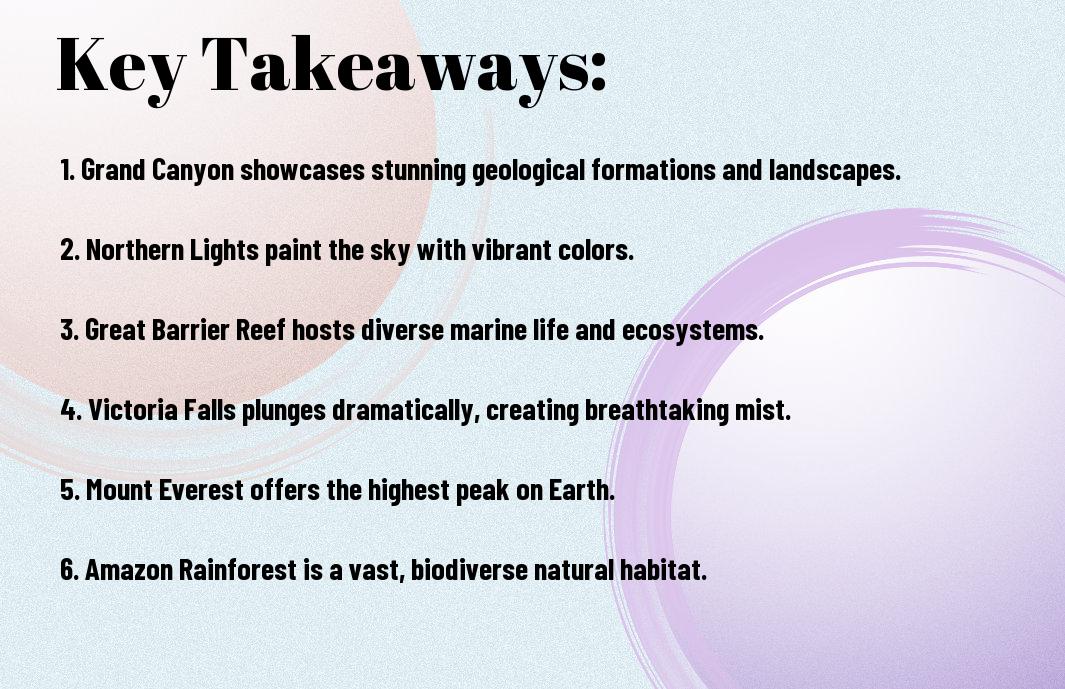
Key Takeaways:

  • Diverse Landscapes: Natural wonders showcase a variety of landscapes, from towering mountains to vast deserts, illustrating Earth’s incredible geological diversity.
  • Environmental Significance: Many of these wonders are vital ecosystems, supporting unique wildlife and plant species, highlighting the importance of conservation efforts.
  • Cultural Impact: These breathtaking sites often hold cultural and historical significance for local communities, enriching our global heritage and travel experiences.

The Grand Canyon, USA

Your journey to the Grand Canyon promises an awe-inspiring experience, as this colossal natural formation stretches over 277 miles in length and plunges to depths of over a mile. Carved by the Colorado River, the canyon showcases striking layers of colorful rock, each telling a story of Earth’s geological past. A UNESCO World Heritage Site, it attracts millions of visitors each year, offering breathtaking views and a diverse range of outdoor activities that highlight its unmatched beauty.

Geological Features

For anyone interested in geology, the Grand Canyon serves as a living textbook of rock layers. These layers, ranging from the ancient Vishnu Schist at the canyon’s bottom to the younger Kaibab Limestone at the rim, reveal nearly two billion years of Earth’s history. The dramatic formations, characterized by intricate ridges and deep ravines, provide insight into vast geological processes such as erosion and sedimentation, making it a fascinating study for both scholars and amateurs alike.

Cultural Significance

Beside its geological marvels, the Grand Canyon holds deep cultural significance for numerous Native American tribes, including the Havasupai, Hualapai, and Navajo nations. This sacred site has historical and spiritual relevance, as these tribes have lived in and around the canyon for thousands of years. It continues to play a vital role in their traditions, beliefs, and community identity.

For instance, the Grand Canyon is woven into the oral histories and spiritual practices of the Indigenous peoples. Many tribes view the canyon as a living entity with deep connections to their ancestors, who believed the canyon was formed through divine intervention. Cultural ceremonies and celebrations are often held at key locations within this vast landscape, reinforcing the strong ties these communities have with the land and its natural resources. This ongoing relationship adds a layer of depth to your visit, inviting respect and awareness of the canyon’s significance beyond its stunning visuals.

Great Barrier Reef, Australia

There’s no place quite like the Great Barrier Reef, Australia’s stunning natural wonder that stretches over 2,300 kilometers along the northeast coast. This UNESCO World Heritage site boasts vibrant coral reefs and crystal-clear waters teeming with marine life. As you explore its underwater beauty, you’ll discover a world filled with colorful fish, graceful sea turtles, and an array of other species, making it a must-visit destination for nature enthusiasts and adventurers alike.

Marine Biodiversity

Below the surface, the Great Barrier Reef is home to an astonishing variety of marine biodiversity. You’ll encounter over 1,500 species of fish, 400 types of coral, and numerous marine mammals. This rich ecosystem creates an exceptional environment not only for wildlife but also for your exploration and appreciation of nature’s brilliance.

Environmental Challenges

On the flip side, the Great Barrier Reef faces significant environmental challenges that threaten its survival. From climate change to pollution, these issues pose risks to the delicate balance of this ecosystem and require our collective action to promote its preservation.

Understanding these challenges is vital for protecting the Great Barrier Reef. Elevated ocean temperatures lead to coral bleaching, while coastal development and agricultural runoff degrade water quality. By recognizing the impact of these factors, you can support conservation efforts and advocate for sustainable practices that will help ensure this breathtaking natural wonder remains intact for future generations to experience.

Mount Everest, Nepal/Tibet

Not only the highest peak on Earth, but Mount Everest also represents the ultimate challenge for adventurers and nature lovers alike. Towering at 8,848 meters, it stands as a testament to the majesty of nature, drawing countless climbers and enthusiasts to its formidable slopes. The breathtaking views, coupled with the harsh weather conditions, make trekking this mountain an unforgettable experience for anyone who dares to traverse its rugged terrain.

Climbing History

NepalTibet has a rich climbing history that dates back to the early 20th century. The mountain was first successfully summited in 1953 by Sir Edmund Hillary and Tenzing Norgay, paving the way for countless expeditions. Over the years, climbers from all corners of the globe have attempted to conquer Mount Everest, contributing to a growing legacy filled with triumphs and tragedies.

Ecological Impact

Any attempt to climb Mount Everest has significant ecological implications, affecting both the delicate environment and local communities. As tourism increases, waste management and preservation of natural resources have become pressing concerns.

For instance, the influx of climbers has led to the alarming accumulation of waste, including oxygen tanks and tents, which disrupt the mountain’s pristine ecosystem. This not only impacts local flora and fauna but also the water sources relied upon by surrounding villages. Efforts are underway to address these challenges, but it’s crucial that you consider the environmental effects of your adventure. Sustainable practices can help protect this iconic natural wonder for future generations to experience and cherish.

Victoria Falls, Zambia/Zimbabwe

Unlike any other waterfall in the world, Victoria Falls produces a tremendous mist that can be seen from miles away. This UNESCO World Heritage Site, located on the border between Zambia and Zimbabwe, is known as “The Smoke That Thunders.” Exploring this stunning natural wonder is a must; to find out why it belongs in the Top 10 Natural Wonders, you need to experience it firsthand.

Magnificent Views

Before you reach the falls, you’ll be greeted by breathtaking views that seem to stretch on forever. The lush landscape and dramatic cliffs surrounding the falls create a picturesque setting that captures the essence of nature’s beauty. Whether you’re peering over the edge or witnessing the cascading waters from a distance, the scenery is certain to leave you awe-inspired.

Adventure Activities

An adventure at Victoria Falls offers you a range of exhilarating activities to satisfy your thrill-seeking spirit. From bungee jumping into the gorge to white-water rafting on the Zambezi River, there’s no shortage of adrenaline-pumping options. You can also choose scenic helicopter rides or take guided walking tours to examine deeper into the lush surroundings.

Due to its unique geographical features, Victoria Falls is perfect for both adventure and observation. You can hike along the trails that provide different vantage points, or even take a boat safari to spot diverse wildlife in the nearby Zambezi National Park. Each experience not only heightens your awareness of this magnificent natural wonder but also allows you to create unforgettable memories amidst the raw beauty of the landscape.

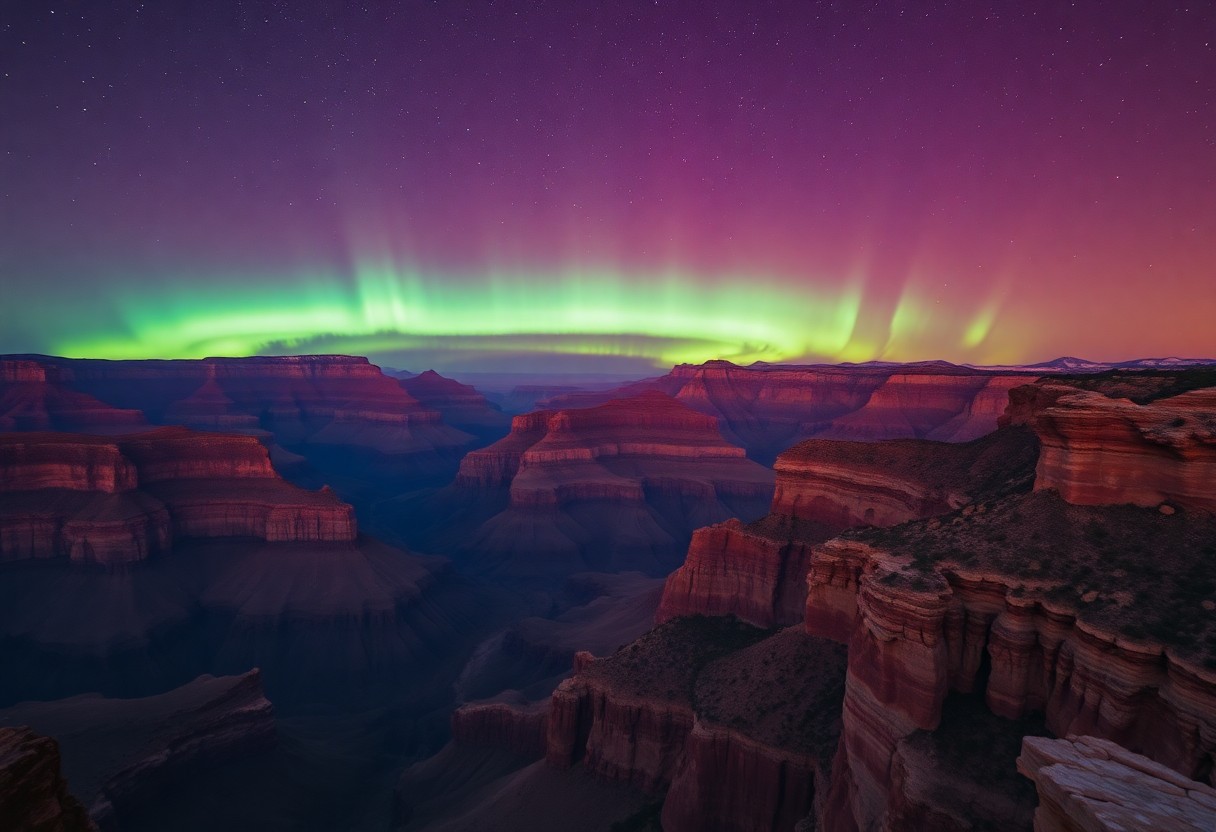
Northern Lights, Arctic Regions

Despite the extreme cold and remote locations, witnessing the Northern Lights is an unforgettable experience that draws you into the magical beauty of the Arctic. This stunning natural phenomenon, also known as Aurora Borealis, paints the night sky with vibrant colors, creating a mesmerizing dance of lights. The spectacle is best appreciated in the tranquil settings of the polar nights, where the darkness enhances the brilliance of this captivating display.

Scientific Explanation

Northern Lights are caused by charged particles from the sun colliding with the Earth’s atmosphere. When these particles interact with gases like oxygen and nitrogen at high altitudes, they create vibrant displays of colorful light. The colors can range from greens to pinks and purples, depending on the type of gas and its altitude, making each aurora unique.

Best Viewing Locations

For those eager to chase the Northern Lights, locations such as Tromsø in Norway, Fairbanks in Alaska, and Yellowknife in Canada offer some of the best opportunities for viewing. These areas are situated directly under the auroral oval, providing an excellent chance to experience this extraordinary natural show.

In addition, many of these locations offer local tours and guides who are experienced in tracking the lights, which can greatly enhance your experience. Many visitors also enjoy warm amenities like cozy lodges or clear night skies away from city lights for unobstructed views. Whether you choose to venture on a guided tour or commence on a personal adventure, these prime spots herald some of the most breathtaking displays of the Northern Lights.

Amazon Rainforest, South America

For those seeking awe-inspiring natural beauty, the Amazon Rainforest offers a stunning tapestry of biodiversity and stunning landscapes. Spanning over 5.5 million square kilometers, it is the largest tropical rainforest in the world, teeming with wildlife, towering trees, and vibrant flora. You’ll find it hard to imagine a place more alive and rich in ecosystems, with countless species of plants and animals that exist nowhere else on Earth. Visiting this remarkable region is not just a journey through nature; it’s an exploration of an ecological paradise that captivates the senses.

Ecological Importance

For the health of our planet, the Amazon Rainforest plays an indispensable role. It acts as a major carbon sink, helping to mitigate climate change while producing approximately 20% of the world’s oxygen. This vast ecosystem not only supports an incredible array of plant and animal life but also regulates global weather patterns and water cycles, affecting climates as far away as North America and Europe. Understanding its ecological significance helps you appreciate the delicate balance of life that thrives in this lush landscape.

Conservation Efforts

Behind the scenes, various organizations and governments are working tirelessly to protect the Amazon Rainforest from deforestation and degradation. These conservation efforts prioritize sustainable practices and engage local communities in protecting their natural heritage. You may find numerous initiatives focused on reforestation, wildlife protection, and education, emphasizing the importance of balancing human needs with environmental preservation.

America stands at the forefront of many of these conservation efforts, collaborating with indigenous tribes and local organizations to promote sustainable land use and combat illegal logging. Initiatives like the Amazon Fund and partnerships with international NGOs aim to secure funding for preservation projects. By involving local communities, these efforts foster a sense of stewardship, ensuring that the rainforest’s resources benefit the people who depend on it while safeguarding its rich biodiversity for future generations. You can also join in by supporting eco-friendly products and organizations that contribute to the preservation of this vital ecosystem.

To wrap up

From above, the world’s breathtaking natural wonders showcase the extraordinary beauty and diversity our planet has to offer. By exploring these remarkable sites, you gain a deeper appreciation for nature’s artistry and its impact on our lives. Whether you find yourself standing atop the Grand Canyon or gazing at the Northern Lights, these experiences can enrich your understanding of our environment. As you plan your next adventure, consider including some of these awe-inspiring landmarks, each with its unique story and influence, enriching your journey through our magnificent world.

Q: What are the top 10 breathtaking natural wonders around the world?

A: The top 10 breathtaking natural wonders typically include:
1. Grand Canyon, USA
2. Great Barrier Reef, Australia
3. Aurora Borealis, Arctic regions
4. Mount Everest, Nepal
5. Victoria Falls, Zambia/Zimbabwe
6. Santorini, Greece (caldera)
7. Amazon Rainforest, South America
8. Yellowstone National Park, USA
9. Halong Bay, Vietnam
10. Iguazu Falls, Argentina/Brazil
Each of these locations showcases the stunning beauty and diversity of nature’s creations.

Q: What makes the Grand Canyon such a breathtaking natural wonder?

A: The Grand Canyon is known for its immense size and intricate landscape, featuring layered bands of colorful rock that tell the geological history of the Earth over millions of years. Stretching approximately 277 miles long and over a mile deep, it offers stunning vistas that change with the light throughout the day. The unique ecosystems within the canyon and the Colorado River winding through its depths further enhance its appeal, making it a must-see destination for nature lovers and adventure seekers alike.

Q: How can I visit the Great Barrier Reef and enjoy its natural beauty?

A: Visiting the Great Barrier Reef can be an incredible experience, and there are various ways to explore this UNESCO World Heritage Site. Popular activities include snorkeling and scuba diving to witness the vibrant marine life and coral formations up close. Additionally, glass-bottom boat tours allow for a more relaxed viewing experience. It’s important to book tours with reputable operators who prioritize environmental sustainability to help protect this delicate ecosystem. Be sure to check the best times to visit based on weather and marine activity for the most enjoyable experience.

How to Visit Remote Islands – Tips for the Adventurous Traveler

Just imagine the thrill of exploring untouched landscapes and immersing yourself in the unique cultures of remote islands. If you’re eager to initiate on a journey far from the beaten path, this guide is designed for you. You’ll discover valuable tips on planning your visit, navigating transportation options, and respecting the natural beauty and traditions of these secluded destinations. Get ready to uncover the secrets of remote island travel and make the most of your adventurous spirit!

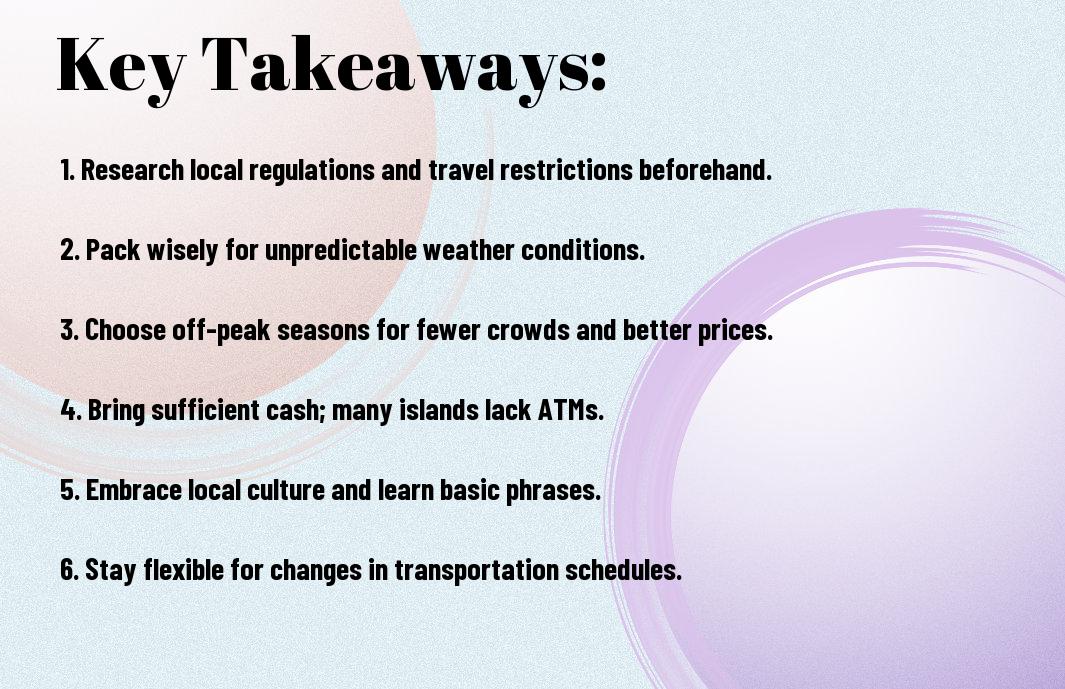
Key Takeaways:

  • Research your destination thoroughly to understand the island’s accessibility, local culture, and environment.
  • Pack vitals wisely, including appropriate gear, food supplies, and first-aid items for remote travel scenarios.
  • Embrace flexibility in your itinerary; unexpected changes may lead to unique experiences and adventures on your trip.

Choosing the Right Remote Island

While the allure of remote islands can be intoxicating, selecting the right one requires consideration. You should contemplate factors such as your desired activities, local culture, and climate. Each island offers unique experiences; some may be ideal for relaxation, while others are suited for adventure. Take the time to evaluate what excites you most, helping ensure a fulfilling journey that aligns with your interests and expectations.

Researching Destinations

Researching various remote islands is imperative for making informed choices. Dive into travel blogs, social media, and tourism websites to gather insights about each destination. Look into your preferred activities, whether it’s hiking, snorkeling, or cultural exploration, to find an island that meets your expectations. Understanding the local customs and amenities will also enhance your experience.

Accessibility and Travel Logistics

To have a smooth trip, consider the accessibility of your chosen island. Investigate the available transportation options, including flights, ferries, or any potential road travel leading to ports. A sound understanding of how to reach your remote paradise can save you time and reduce stress during your journey.

Indeed, involving yourself in the logistics may require some extra effort but understanding travel routes, schedules, and costs is paramount for a seamless experience. Assess the frequency of transportation services, as some islands may have limited options, especially during off-peak times. It’s also wise to consider the duration of your stay versus travel time, ensuring you maximize your adventure. Being well-prepared in this regard will empower you to navigate any challenges that arise and truly enjoy the beauty of your selected island.

Preparing for Your Trip

It is crucial to plan ahead when visiting remote islands, as limited access to resources and services can make your adventure both exciting and challenging. Research your destination thoroughly, including the local culture, transportation options, accommodation, and any necessary permits. Create a flexible itinerary that accommodates unforeseen circumstances, such as weather changes or transportation delays, ensuring you get the most out of your experience while staying safe.

Essential Packing List

About your packing list, it should encompass both the crucials and any specific gear suitable for the activities you plan to engage in while on the islands. Include lightweight clothing, sturdy footwear, sunscreen, a first-aid kit, any necessary medications, a reusable water bottle, and snacks. Depending on the island, consider packing snorkeling gear, a portable charger, a waterproof bag, and a good quality camera to capture the stunning surroundings.

Health and Safety Considerations

Behind the excitement of exploring remote islands, you must prioritize your health and safety. Make sure you are up-to-date on any required vaccinations and research local health facilities to understand available medical services. Educate yourself about local wildlife and plant life to avoid potential hazards, and consider travel insurance that covers medical emergencies. Additionally, familiarize yourself with local emergency contacts and procedures.

A proactive approach to health and safety is important under the sometimes unpredictable conditions found in remote areas. Stay hydrated and ensure you have sufficient food supplies in case of unexpected delays. Protect yourself from the sun with appropriate clothing and sunscreen, and be mindful of local safety regulations, particularly regarding swimming, hiking, or wildlife interactions. Having a well-packed first-aid kit and knowing basic first aid can be invaluable in isolated areas—your awareness and preparedness can greatly enhance your island experience.

Navigating Local Cultures

Not all remote islands have the same cultural practices or customs, so it’s important for you to take the time to understand the local culture before your visit. Engaging with the community on their terms can enhance your travel experience and foster mutual respect. Be open-minded and willing to adapt your behavior to align with local expectations, which will provide a richer connection to the places you explore.

Understanding Cultural Norms

Below are some key cultural norms you should keep in mind when visiting remote islands:

  • Dress modestly, especially in religious or traditional areas.
  • Learn about local customs and rituals before participating.
  • Be respectful when taking photos of locals or their property.

The locals will appreciate your efforts to show respect for their culture.

Language Tips for Travelers

Between the diverse dialects and languages found on remote islands, it’s beneficial to pick up a few imperative phrases. Learning the local language not only helps you communicate but also shows respect for the culture. Here are some helpful tips:

  • Learn basic greetings and phrases in the local language.
  • Use translation apps or pocket dictionaries if needed.
  • Practice pronunciation with locals to build rapport.

The locals often welcome your attempts to speak their language.

The best way to navigate the language barrier is to embrace the learning process. Here are more tips to enhance your communication:

  • Listen actively and encourage locals to teach you words or phrases.
  • Use gestures or body language to convey your message.
  • Be patient and open-minded if miscommunication occurs.

The experience will enrich your travel adventures on these remote islands.

Sustainable Travel Practices

To make the most of your trip to remote islands, prioritize sustainable travel practices to minimize your ecological footprint. By choosing eco-friendly accommodations and transportation methods, you contribute positively to the local environment. For more insights, check out Island Hopping: The Ultimate Adventure for the Modern Traveler.

Minimizing Environmental Impact

Above all, focus on leaving no trace. Use biodegradable products, reduce waste, and opt for reusable items. Participate in local conservation efforts to help maintain the natural beauty of the islands you visit. Your efforts can greatly influence the preservation of these fragile ecosystems.

Supporting Local Communities

Along with minimizing your impact, supporting local communities enriches your travel experience. Engage in cultural exchanges, purchase locally made handicrafts, and enjoy regional cuisine to help boost the local economy. This connection fosters mutual respect and understanding between you and the residents.

Even small choices you make can significantly impact local communities. By opting to stay in locally owned accommodations and dining at family-run restaurants, you contribute directly to the livelihoods of island residents. Engaging with local guides for tours allows you to gain valuable insights and deepen your appreciation of the culture, ensuring that your travel benefits those who call these islands home.

Activities and Adventures

After arriving on a remote island, immerse yourself in the range of activities that will elevate your experience. From snorkeling in crystal-clear waters to hiking rugged trails, these islands offer unique opportunities for adventure. Consider kayaking along picturesque coastlines or engaging in thrilling water sports. As you explore, don’t forget to soak in the stunning sunsets or participate in local festivals, adding a rich layer to your journey.

Exploring Nature and Wildlife

Behind every remote island lies a treasure trove of flora and fauna waiting to be discovered. You can hike through lush rainforests, observe endemic species, and marvel at the diverse marine life. Look out for guided tours that enhance your understanding of the natural ecosystem, ensuring you appreciate the beauty surrounding you.

Engaging in Local Experiences

An necessary part of visiting a remote island is engaging with the local culture. Dive into community activities, whether it’s cooking traditional dishes or attending local markets. This involvement not only supports the economy but also enriches your travel experience, offering authentic insights into the islanders’ way of life.

Adventures in engaging with local experiences can transform your visit and create lasting memories. Join workshops, participate in festivals, or volunteer with community projects to connect with residents. You’ll gain a deeper appreciation for their customs, stories, and traditions, enriching your understanding of the island’s heritage and making your adventure truly immersive.

Challenges of Remote Island Travel

Keep in mind that visiting remote islands can present unique challenges that require preparation and adaptability. You may encounter limited transportation options, unpredictable weather conditions, and basic accommodation amenities. Additionally, maintaining communication with the outside world may prove difficult, so it’s crucial to stay flexible and have contingency plans in place for your adventure.

Dealing with Limited Resources

After defining your itinerary, you should consider the limited resources that most remote islands have to offer. From generating your own power to ensuring you have enough food and water, it’s important to plan ahead. Bring crucial supplies, and research local stores or markets where you might find additional provisions, so you can manage your needs effectively while exploring.

Handling Unexpected Situations

Handling unexpected situations is part of the adventure when traveling to remote islands. You may face sudden changes in weather, transportation issues, or medical emergencies. Learning to stay calm and find solutions is key. Carry crucial contact information and have a basic understanding of local customs and resources. This preparedness will help you navigate challenges with confidence.

Dealing with unexpected situations can enhance your travel experience once you embrace the unpredictability of island life. Always have a first-aid kit and emergency supplies on hand, and consider taking a basic survival course. Learning some local language phrases can also facilitate communication and help you connect with the island’s residents, gaining valuable insights and assistance in difficult moments.

Conclusion

Drawing together the insights provided, visiting remote islands offers an unforgettable adventure filled with natural beauty and unique cultures. To ensure a smooth experience, plan your travel meticulously by researching destinations, securing necessary permits, and packing wisely. Engaging with local communities and respecting their customs will enrich your journey. Use the tips shared to navigate logistics, choose the right travel gear, and maintain a flexible mindset. With preparation and an adventurous spirit, you can create lasting memories on your remote island escapade.

Q: What are the best types of transportation to reach remote islands?

A: To access remote islands, travelers often have various transportation options depending on the island’s location and accessibility. Common modes include ferries, which are ideal for islands close to the mainland; small charter flights that can land on smaller airstrips; and boats or yachts for more secluded areas. For some islands, guided tours may offer boat transport as part of an adventure package. It is advisable to research transportation schedules in advance to ensure a smooth journey.

Q: What crucials should I pack for a trip to remote islands?

A: Packing for remote islands requires thoughtful consideration to ensure comfort and safety. Essentials include sunscreen, insect repellent, and a first-aid kit. Lightweight, quick-drying clothing and sturdy footwear are important for physical activities like hiking or beach exploration. If you plan to snorkel or dive, bringing your own gear might save time and money at remote locations. Additionally, a reusable water bottle and non-perishable snacks can be useful, as amenities might be limited on some islands.

Q: How can I respect the local culture when visiting remote islands?

A: Understanding and respecting local culture is key to enjoying your visit to remote islands. Start by researching the traditions, customs, and beliefs of the island inhabitants before your trip. Engage with locals politely, seeking opportunities to learn from them and their way of life, which may include participating in community activities or trying local cuisine. It’s vital to respect local dress codes, especially in sacred places, and adhere to any guidelines provided by the community to ensure a positive interaction.

How to Travel the World with a Limited Vacation Budget

There’s no need to drain your savings to explore the globe, as traveling on a budget is entirely possible with the right strategies. By carefully planning your trips, prioritizing experience over luxury, and utilizing cost-effective options, you can enjoy amazing adventures without financial strain. In this guide, you’ll discover practical tips and resources to maximize your travel experiences while staying within your limited vacation budget, ensuring that your dream destinations remain within reach.

Key Takeaways:

  • Plan ahead to maximize affordable options: Research destinations and find budget-friendly travel dates, accommodations, and activities.
  • Use public transportation: Embrace local transit systems, which often provide a cost-effective way to explore cities and regions.
  • Look for discounts: Take advantage of travel deals, group rates, and online platforms that offer savings on flights and accommodations.

Planning Your Travels

For successful travel on a limited budget, effective planning is necessary. Start by outlining your travel goals, whether it’s exploring new cultures, relaxing on a beach, or hiking through stunning landscapes. Knowing what you want to experience helps you choose the right destinations and travel dates while finding the best deals on accommodations and activities. A well-thought-out plan ensures that you make the most of your precious vacation time and resources.

Setting a Budget

Your budget is the foundation of your travel plans. Begin by determining how much you can allocate for your trip, while considering travel expenses such as flights, accommodations, meals, and activities. This will give you a clear picture of where you can afford to go and what you can do during your travels. Tracking your spending will help you stick to your budget and avoid overspending.

Researching Destinations

Setting your sights on the right destination is key to maximizing your travel experience within your budget. Start by identifying locations that align with your interests and offer activities or attractions you want to explore. Factor in the costs of living in each destination, as some places may offer more affordable accommodations and meals than others. Look for off-peak travel times to save on prices, and consider destinations known for their budget-friendly travel options.

In addition, seek out destinations that offer free or low-cost activities, such as public parks, local markets, and cultural events. Online travel forums, blogs, and social media platforms can provide valuable insights and recommendations from other travelers. They can help you uncover hidden gems, allowing you to immerse yourself in the local culture without breaking the bank. Ultimately, thorough research ensures a memorable journey that keeps your budget intact.

Finding Affordable Accommodations

There’s a myriad of ways to find budget-friendly places to stay while traveling. Websites and apps like Airbnb and Couchsurfing can significantly cut costs and offer unique accommodations. Additionally, to learn more tips on traveling economically, check out How to Travel for Cheap (or Free) in 2024, which can enhance your budget travel experience.

Hostels vs. Hotels

For budget travelers, hostels often offer the best value. They provide dormitory-style accommodations at a fraction of hotel prices and usually come with communal kitchens, allowing you to save on meals. Hotels might offer more privacy and amenities but can be significantly more expensive.

Alternative Lodging Options

On your journey, consider alternative lodging options such as house-swapping, camping, or staying with locals. These options can provide an engaging experience and a chance to save significantly on accommodation costs.

Affordable alternatives like house-swapping services connect you with locals willing to trade homes while you travel. Camping can also be a fantastic way to enjoy nature and save money, especially in beautiful national parks. You might also find that staying with friends or using platforms that facilitate short-term house sits can be a great way to cut lodging expenses while exploring new places.

Transportation on a Budget

Now that you’ve planned your itinerary, it’s time to figure out how to get around without breaking the bank. Finding budget-friendly transportation options can dramatically lower your overall travel expenses. By utilizing various modes of transport, like saving on flights, using public transport, or opting for ridesharing services, you’ll maximize your adventures while minimizing your costs.

Cheap Flights and Deals

Among the best ways to save on transportation are budget airlines and flight deals. You can use flight comparison websites and sign up for fare alerts to find the lowest prices. Flexibility with your travel dates, planning your trips during off-peak seasons, and taking advantage of last-minute deals can also lead to significant savings, allowing you to explore more destinations within your budget.

Public Transport and Ridesharing

Budget travel often involves using local public transportation systems and ridesharing services, which can be both cost-effective and convenient. Metro trains, trams, and buses often offer budget-friendly daily or weekly tickets, making them a fantastic choice to explore a new city without the expense of taxis.

Further, ridesharing apps like Uber or Lyft can be a great option when public transport isn’t available or convenient. Many cities also have bike-sharing programs that not only save you money but provide an enjoyable way to explore on two wheels. By balancing public transit with occasional ridesharing, you can efficiently navigate your destination without overspending.

Smart Eating and Dining Choices

Unlike popular belief, traveling on a budget doesn’t mean sacrificing delicious meals. By making smart eating and dining choices, you can indulge in unique culinary experiences without emptying your wallet. Prioritize local eateries over overpriced tourist traps, and look for happy hour specials or lunch deals that offer similar dishes at a fraction of the price. With a bit of planning, you can savor local flavors while keeping your expenses in check.

Local Cuisine on a Dime

To truly experience a destination, investigate its local cuisine without spending a fortune. Look for street food stalls, food markets, and small family-run restaurants where you can enjoy authentic dishes for low prices. Not only are these options often more affordable, but they also give you insights into the culture and culinary traditions of the area, making your travel experience even richer.

Cooking Your Own Meals

Choices that involve preparing your own meals can significantly extend your travel budget. Many hostels, vacation rentals, and budget accommodations offer kitchen facilities that allow you to cook instead of dining out for every meal.

Eating in can save you a substantial amount while providing flexibility on your travel schedule and dietary preferences. By shopping at local grocery stores or markets, you can prepare simple dishes using fresh ingredients unique to the area. This not only cuts down on food expenses but also gives you an opportunity to try your hand at local recipes, enhancing your connection with the culture. Plus, cooking can be a fun and social activity if you collaborate with fellow travelers, turning meal prep into a memorable experience.

Money-Saving Tips During Your Trip

All travelers know that every dollar counts while exploring new destinations. Here are some practical tips that can help you stretch your budget further:

  • Utilize public transportation instead of taxis.
  • Choose local eateries over touristy restaurants.
  • Book accommodations in advance for better deals.
  • Take advantage of free Wi-Fi in cafes and public areas.
  • Search for discounts on attractions and activities.

Assume that small changes can lead to significant savings over time.

Free Activities and Attractions

Around the world, you’ll find countless free activities and attractions that allow you to experience the local culture without spending money. Walking tours, parks, museums on free-entry days, and community events provide enriching experiences while keeping your budget intact.

Budgeting for Souvenirs

Activities like shopping for souvenirs can quickly deplete your travel budget. To avoid this, set aside a specific amount for mementos before your trip, helping you focus on meaningful items instead of impulsive purchases.

Plus, try to explore local markets, where unique and affordable souvenirs can be found. Consider creating a list of items you’d like as reminders of your adventures, and prioritize quality over quantity. This way, you’ll not only save money but also bring home authentic pieces that truly reflect your travels.

Building a Flexible Itinerary

Keep your travel plans adaptable to make the most of your limited vacation budget. A flexible itinerary allows you to seize spontaneous opportunities, adjust to local events, and take advantage of last-minute deals. Prioritize your must-see attractions, but leave room for unplanned adventures that may arise. This strategy not only enriches your travel experience but also helps you stay within budget by prioritizing the best offers available at the moment.

Embracing Spontaneity

For many travelers, the unexpected moments create the best memories. When you embrace spontaneity, you open yourself up to new experiences that you might not have planned for. Whether it’s joining a local festival, trying street food, or exploring an off-the-beaten-path destination, these unplanned diversions can often be more rewarding than the main attractions, and they usually come at little to no extra cost.

Balancing Rest and Exploration

After a day packed with sightseeing, it’s important to carve out time for rest. Balancing exploration with relaxation allows you to recharge and absorb the experiences you’ve had. Overloading your schedule can lead to burnout and detract from your enjoyment of the trip. Finding a rhythm that includes both activity and downtime ensures that you appreciate each destination fully and return home feeling fulfilled rather than exhausted.

But finding that balance is about understanding your limits and listening to your body. Plan for downtime, like leisurely meals or quiet evenings, to help you recharge between busy days. Make sure to allocate time for rest in your itinerary, whether that’s lounging at a café, enjoying a park, or taking a nap in your accommodation. This practice not only enhances your overall travel experience but keeps you energized for exploring the next destination on your journey.

Summing up

Ultimately, traveling the world on a limited budget is entirely achievable with the right planning and mindset. By prioritizing off-peak travel, embracing local experiences, and utilizing cost-effective accommodation options, you can stretch your finances further. Additionally, leveraging public transportation and seeking out free activities will enhance your adventures without breaking the bank. With creativity and resourcefulness, you can create unforgettable memories while mastering the art of budget travel.

Q: How can I find affordable flights when traveling on a budget?

A: To find affordable flights, start by using flight comparison websites and apps that aggregate prices from various airlines. Be flexible with your travel dates, as flying on weekdays or during off-peak seasons can significantly lower costs. Consider booking in advance or using fare alert tools to notify you of price drops. Additionally, look into budget airlines and consider using nearby airports to save money. For added savings, think about using stopovers instead of direct flights, as they can often be cheaper.

Q: What are some effective strategies for saving money on accommodations?

A: To save money on accommodations, explore various options like hostels, guesthouses, or vacation rentals, which are often more affordable than hotels. Websites specializing in budget lodging can offer competitive rates. Consider staying outside city centers where prices may be lower, and use public transportation to get around. Additionally, look for accommodation deals on last-minute booking sites or social media platforms where hosts offer discounts. Finally, consider participating in home exchanges or hospitality networks for a unique and budget-friendly experience.

Q: How can I enjoy meals and activities without overspending while traveling?

A: To enjoy meals and activities without overspending, start by researching local eateries and markets where you can savor authentic cuisine at lower prices than touristy restaurants. Try to avoid eating in highly commercialized areas and opt for street food or food stalls that offer delicious options at a fraction of the cost. For activities, look for free walking tours, museum discount days, or travel passes that offer multiple attractions for one price. Engaging with locals through community events or workshops can also provide cultural experiences without breaking the bank. Lastly, set a daily budget for meals and activities to help manage your spending effectively.

How to Plan an International Trip for a Special Occasion

Occasionally, life presents you with a milestone that deserves to be celebrated in a remarkable way, and what better way to honor it than with an international trip? Whether you’re planning a wedding anniversary, a birthday bash, or a graduation celebration, crafting the perfect getaway requires careful thought and organization. This blog post will guide you through vital steps to ensure your special occasion trip is memorable, enjoyable, and tailored to your preferences and needs. From choosing the right destination to budgeting and itinerary creation, let’s launch on this exciting planning journey together!

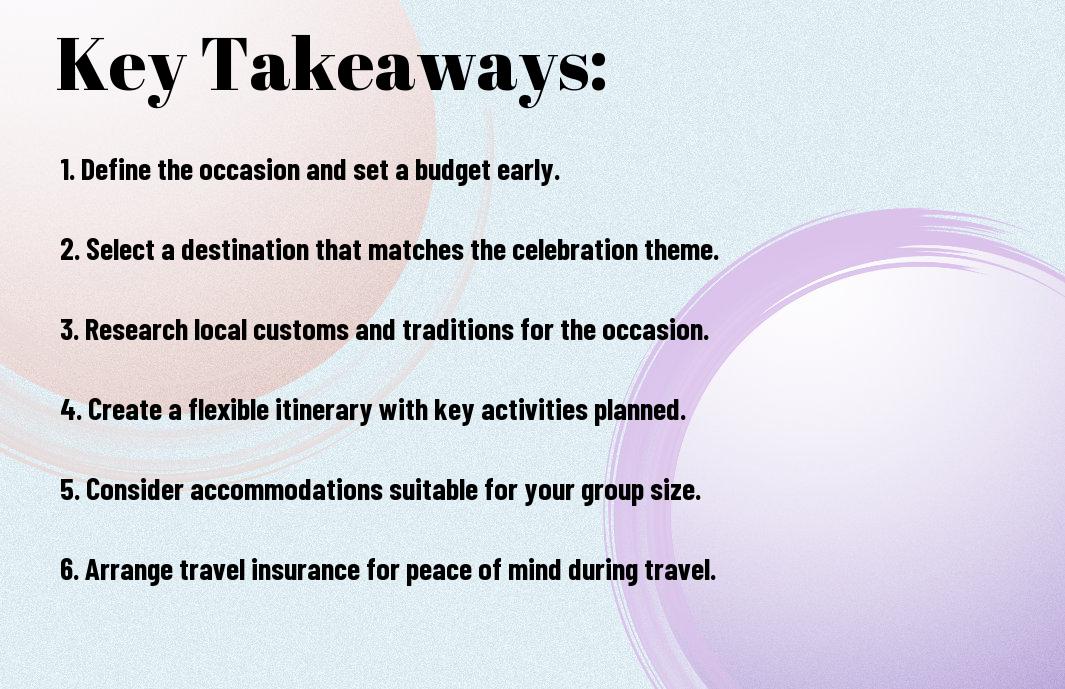
Key Takeaways:

  • Define Your Budget: Establish a clear budget for your trip, including travel, accommodation, dining, and activities, to avoid overspending.
  • Choose the Right Destination: Select a location that aligns with the special occasion and interests of the group, ensuring it offers suitable activities and amenities.
  • Plan Ahead: Book flights, accommodations, and major activities well in advance to secure the best options and prices, allowing for a smoother experience.

Defining the Special Occasion

A special occasion can be any event that holds significance for you and your loved ones, such as a milestone birthday, anniversary, graduation, or holiday celebration. Taking the time to define the occasion will help shape your trip planning process and ensure that every detail aligns with your vision.

Identifying the Purpose

Behind every memorable trip is a clear understanding of its purpose. Take a moment to consider what the occasion means to you and how you want to celebrate it. This clarity will guide your choices, from destination selection to activities and accommodations.

Setting Expectations

Behind the excitement of traveling for a special occasion, it’s vital to set realistic expectations. A well-planned trip should balance your desires with what is feasible within your time and budget constraints, ensuring everyone involved has a satisfying experience.

Understanding how to set expectations involves considering factors such as the travel schedule, group dynamics, and budget limits. Communicate openly with your travel companions about everyone’s preferences and commitments to create an experience that resonates with the spirit of the special occasion while accommodating individual needs. This proactive approach will help you avoid disappointments and create lasting memories.

Budgeting for the Trip

You should start by determining a clear budget for your international trip to ensure every aspect of your special occasion is covered. Consider all expenses including flights, accommodations, meals, activities, and souvenirs. Factor in additional costs such as travel insurance and potential currency exchange fees to create a comprehensive budget that reflects your financial capacity while accommodating your desires.

Estimating Costs

Around the globe, travel costs can vary significantly based on your destination, travel style, and time of year. Research potential destinations and compare prices for flights, hotels, and activities. Utilize budgeting tools or apps to track estimated expenses and ensure you are considering all relevant factors, from high season pricing to available discounts. Providing yourself a realistic costing overview will help you better allocate your resources.

Allocating Resources

With a detailed estimation of costs in hand, allocate your resources effectively by prioritizing your spending based on your preferences and the nature of the occasion. Consider setting aside specific amounts for various elements of the trip, such as dining experiences, entertainment, and travel logistics. Assess which categories are most important to you and adjust your budget accordingly to maximize enjoyment and comfort during your travels.

Consequently, careful allocation of your budget fosters a more enjoyable and stress-free travel experience. Consider creating a separate fund for unexpected expenses or treats during your trip, allowing you to embrace spontaneity. It’s also wise to explore cost-effective options, such as local eateries or free attractions, to keep your financial plan aligned with your overall travel goals. By balancing indulgence with practicality, you can truly enjoy your special occasion without the stress of overspending.

Choosing the Destination

Many factors will influence your decision when selecting the perfect destination for your special occasion. Start by considering your interests and what type of experience you want to create. Whether it’s a luxurious beach getaway, an adventurous mountain retreat, or a cultural city exploration, narrowing down your destination will help set the tone for your unforgettable trip.

Researching Locations

Any destination can be an exciting choice, but thorough research is important to ensure it aligns with your vision. Look into different locations that cater to your interests and the occasion, considering elements like climate, activities available, and local cuisine. Utilize travel blogs, forums, and social media to gather firsthand experiences and recommendations that can help you make an informed choice.

Considering Travel Restrictions

Before you finalize your destination, examining travel restrictions is important. Different countries have various regulations regarding entry requirements, visa protocols, and health guidelines that may impact your trip.

This scrutiny helps you avoid surprises that could derail your plans. Check for any travel advisories, COVID-19 regulations, and necessary vaccinations for your intended destination. Additionally, pay attention to the local laws that may affect your stay, ensuring a smooth experience during your special occasion. Knowledge of these restrictions allows you to plan your journey without unforeseen obstacles.

Creating an Itinerary

Keep your itinerary organized and flexible to maximize your experience. Start by listing must-see attractions, events, and activities related to your special occasion. Ensure to account for travel time between locations and factor in downtime to avoid overwhelming yourself. An efficient itinerary combines adventure and time for spontaneous exploration, making your trip memorable and enjoyable.

Planning Activities

Around your special occasion, think about activities that will enhance your experience. Whether it’s booking a local tour, attending a cultural festival, or enjoying a romantic dinner, selecting a mix of planned events and leisure time ensures you fully immerse yourself in the destination’s essence.

Balancing Relaxation and Exploration

Relaxation is just as important as exploration for a fulfilling trip. To capture the spirit of your destination while recharging, strategically plan a blend of busy days with some lazy afternoons. Scheduling quiet moments, such as spa days or leisurely strolls, can enhance your overall experience, allowing you to savor each moment fully.

In addition, consider incorporating free time into your itinerary where you can choose to relax or explore spontaneously. This balance helps maintain your energy levels while keeping your trip dynamic. Allocate specific days as light travel days or set aside afternoons that allow you to unwind, ensuring your journey remains invigorating rather than exhausting.

Booking Accommodations

All aspects of your trip will be more enjoyable with the right accommodations. You’ll want to consider your group’s needs, your budget, and the occasion to ensure you find the perfect place to stay. Researching and booking in advance can save you money while helping you secure the best options available.

Types of Lodging

All travelers have various lodging preferences; here are some popular options you might consider:

  • Hotels
  • Hostels
  • Vacation rentals (e.g., Airbnb)
  • Bed and breakfasts
  • Luxury resorts

The perfect choice will depend on your budget and desired experience.

Type Description
Hotels Traditional accommodations with amenities like room service and concierge.
Hostels Budget-friendly options often with shared facilities.
Vacation Rentals Private homes or apartments rented for short stays.
Bed and Breakfasts Cozy accommodations often with a homemade breakfast included.
Luxury Resorts High-end accommodations featuring extensive amenities and services.

Location and Accessibility

At the heart of a great travel experience is your lodging’s location. It’s vital to consider how close your accommodations are to attractions, restaurants, and public transport options. You want to be able to easily explore the destination, especially during a special occasion.

And, think about how easily you can access key sites while also considering the availability of taxis, buses, or metro stations nearby. Proximity to amenities like supermarkets, shops, and dining options will also enhance your trip. Opt for a location that provides convenience, ensuring that you can make the most of your time away.

Arranging Transportation

To ensure a smooth international trip, you need to strategically plan your transportation options well in advance. Start with your flight bookings, as prices tend to fluctuate. Next, consider how you’ll navigate the destination once you arrive, whether it’s renting a car, using public transportation, or securing airport transfers to avoid delays and stress.

Flight Options

About your flight choices, you should explore different airlines and routes to find the best deals and schedules that align with your itinerary. Don’t forget to consider factors like layovers, travel time, and baggage policies to avoid potential hiccups in your journey.

Local Transportation

Flight options can set the tone for your journey, but local transportation is equally important for maximizing your experience. Consider the available modes of travel at your destination to ensure you can easily access attractions, dining, and events during your trip.

Options for local transportation include public transit systems, taxis, rideshare services, and bike rentals. Research each option to find the most convenient and cost-effective solution for you. If you’re traveling in a group, consider booking a van or shuttle service to simplify your logistics while ensuring everyone stays together. Familiarizing yourself with local transportation options will help you navigate your destination with ease.

Conclusion

Hence, planning an international trip for a special occasion involves careful consideration of your destination, budget, and personal interests. Start by selecting a location that resonates with the significance of the event, and curate experiences that will create lasting memories. Don’t overlook logistics such as accommodation and travel arrangements, and ensure that you factor in local culture and customs. With thorough preparation and attention to detail, you can craft a remarkable journey that enhances your special occasion and provides you with cherished moments to celebrate with loved ones.

Q: What are the first steps to take when planning an international trip for a special occasion?

A: Start by determining the occasion and the type of experience you want to create. Make a list of potential destinations that align with the event, considering factors like weather, activities, and cultural significance. Once you’ve narrowed down the options, set a budget to guide your choices for accommodation, travel, and activities. It’s also beneficial to involve all participants early in the planning process to gauge preferences and expectations.

Q: How do I choose the right destination for the special occasion?

A: Selecting the ideal destination requires consideration of several elements. Think about the preferences and interests of the individuals involved in the occasion. Research destinations that offer relevant activities or sights that would enhance the experience. Evaluate logistics such as travel time, visa requirements, and local customs that could affect your plans. Lastly, consider the emotional significance of a location; a place that holds memories or aspirations can add depth to the celebration.

Q: What should I keep in mind when making travel arrangements for the event?

A: When organizing travel arrangements, prioritize booking flights and accommodations well in advance to secure the best rates and availability. Look into travel insurance to protect your investment and ensure peace of mind in case of unexpected changes. Create a detailed itinerary that outlines key activities related to the special occasion, and factor in some flexibility to accommodate spontaneous experiences. Lastly, consider any group dynamics if traveling with others, ensuring that everyone’s needs and preferences are addressed.

Skip to content